
NFPA 70 Section 668.14 plating shunting means explained
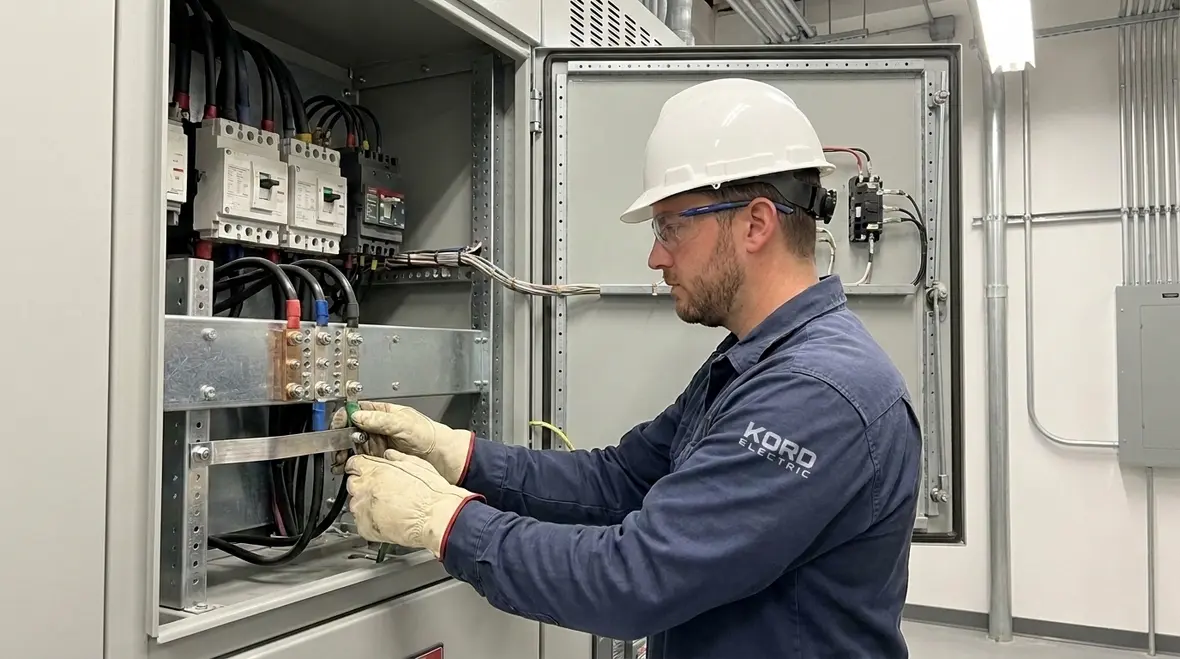
NFPA 70 Section 668.14 plating shunting means the rules around how we connect conductive parts so current and fault conditions behave the way the National Electrical Code expects. In plain terms, we help ensure electrical paths stay controlled, predictable, and safe, especially where metal parts meet, hardware is installed, and corrosion tries to ruin everyone’s day. At Kord Electric, our focus stays right where it belongs: commercial and industrial facilities, plus major property buildings that run on uptime. In other words, we do not sell “maybe it’ll work” solutions. We build systems that perform. And yes, we explain it with the calm patience of our expert service staff, not the frantic energy of a sitcom character searching for keys while the house burns down.
What NFPA 70 Section 668.14 plating shunting covers in real facilities
In the field, plating and shunting show up where electrical continuity matters across components that might be joined by different materials, coatings, or fasteners. Therefore, the NEC concepts behind NFPA 70 Section 668.14 plating shunting means focus on keeping conductive paths reliable even after installation tolerances, vibration, moisture, and long term aging. We see this in large buildings where equipment is distributed across panels, switchgear rooms, mechanical spaces, and plant areas.
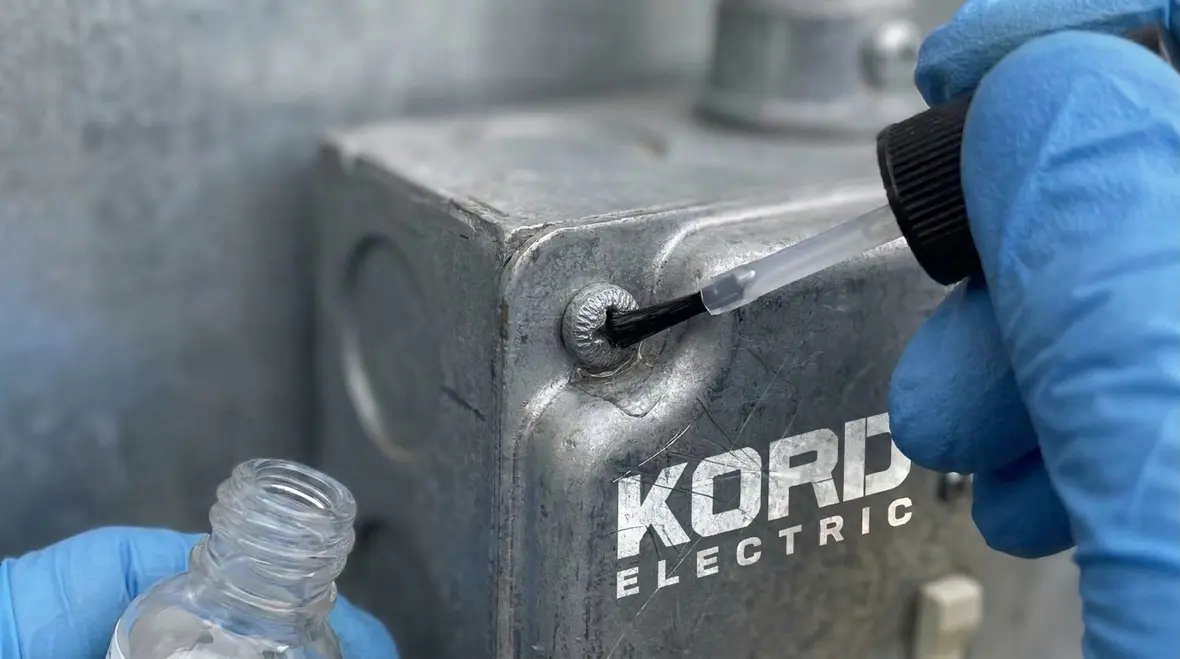
Our technicians look at how metal surfaces contact each other. Some connections rely on plating to help resist corrosion. However, when plated surfaces do not provide dependable contact, current paths can become intermittent. Then, when a fault occurs or a protective device tries to clear, you want continuity that holds steady, not a connection that acts like a lazy handshake. So we plan for shunting, bridging, bonding, and correct electrical continuity practices that match what NFPA 70 expects.
Why commercial and industrial sites need this done right
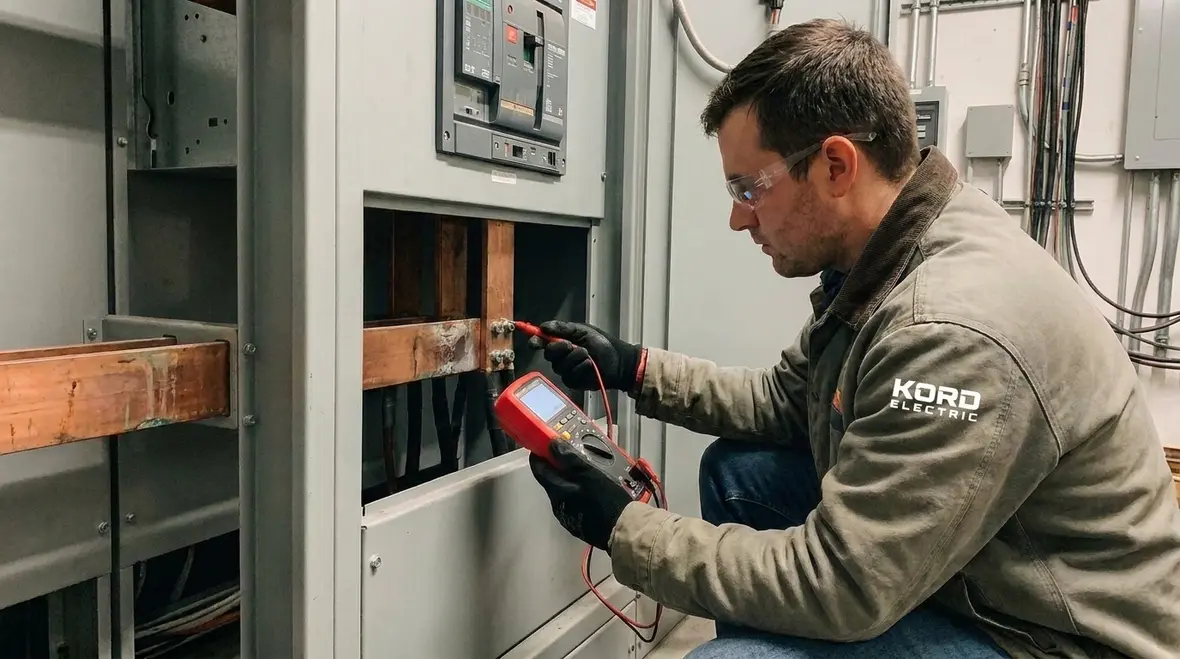
Commercial and industrial facilities live with more than “normal” electrical stress. We deal with higher equipment loads, larger grounding systems, and a wider range of operating conditions. Also, major property buildings often include complex life safety and power distribution requirements. When plating, bonding jumpers, or metallic parts do not provide adequate low resistance paths, you can see problems like overheating, nuisance trips, degraded protection, or worse.
And while we respect the laws of physics, we do not trust them to be kind. Corrosion, oxidation, and worn coatings can increase resistance at connection points. As a result, protective devices may not respond within expected time frames. Meanwhile, facility operators only notice after something costly happens, like equipment downtime or inspections that turn into long evenings.
That is why our experts treat NEC compliance as an operational requirement. We document decisions, verify continuity, and coordinate with site teams so the electrical system stays dependable for the life of the building.
How shunting and bonding protect conductors and equipment
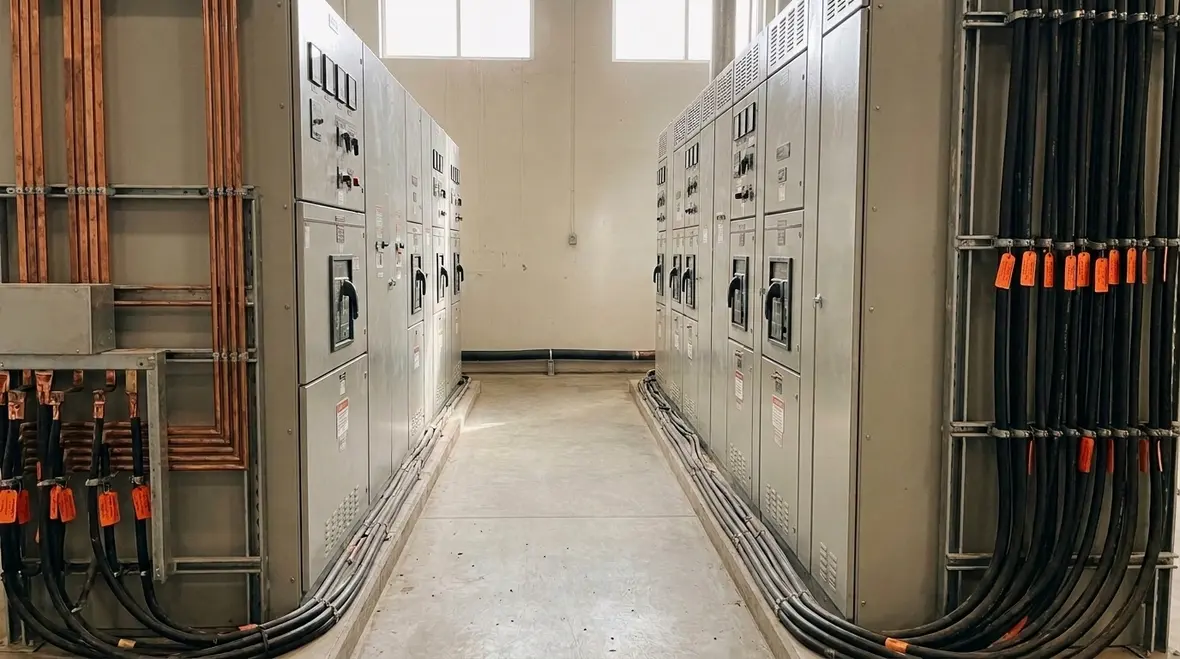
Shunting supports a reliable electrical route between parts that must remain at a defined potential. In practice, we align shunting with bonding so exposed conductive surfaces and metal enclosure systems maintain continuity. Moreover, bonding reduces the risk of dangerous voltage gradients that can appear when fault current flows.
Our service staff explains it like this during job walks: if you want protection devices to work, you must provide a path for fault current. A fault is like a loud alarm bell. However, it only helps if the bell can reach the right wiring. If the “route” is weak because plated contact points do not carry current well over time, the alarm does not ring the way it should.
Therefore, we focus on connection quality where plated surfaces meet. We also evaluate bonding methods used across enclosures, raceways, cable armor, structural steel interfaces, and equipment frames. If a site uses dissimilar metals, we pay attention to contact resistance and corrosion control so the electrical path does not drift into a high resistance problem.
Materials, coatings, and contact resistance: what our technicians check
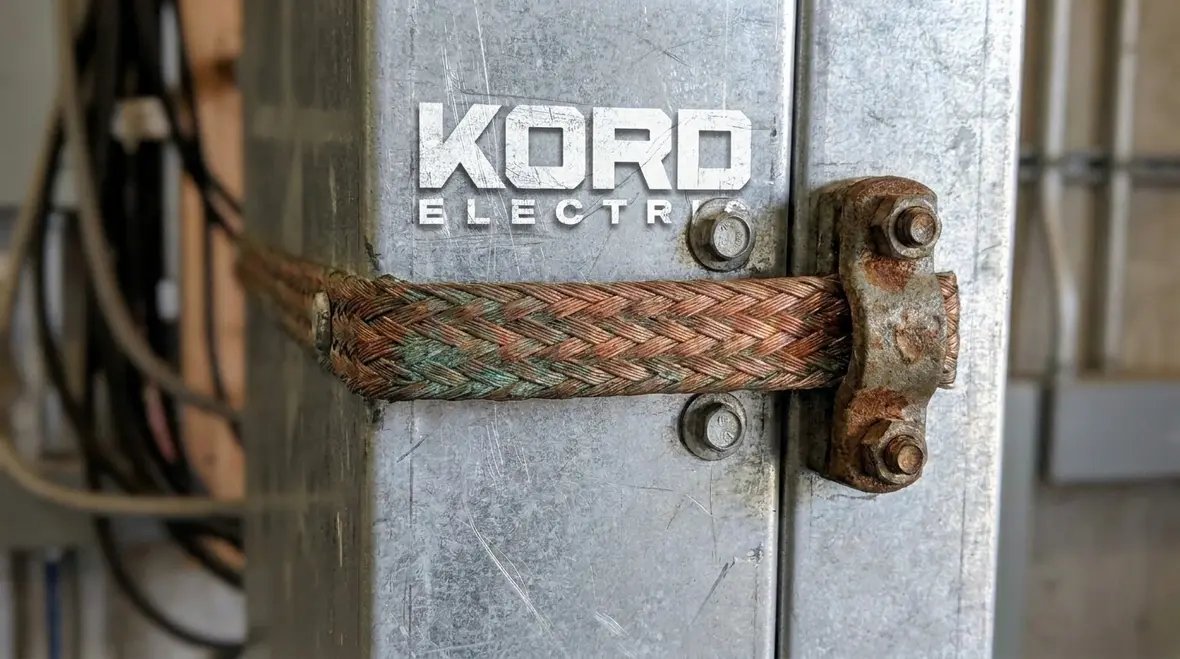
To manage plating and shunting correctly, we do not stop at “looks tight.” We inspect how connections are formed, how coatings behave, and whether the installation method supports long term conductivity. Our technicians check factors that directly affect contact resistance, including surface preparation, mechanical pressure, and how the connection handles moisture exposure.
Next, we consider typical coatings and plating used on fasteners or components. Some coatings help prevent corrosion, but they can also behave like an insulating film if contact is not assured at the conductive interface. That is where shunting solutions can help by bypassing or bridging the points that may not sustain low resistance contact through the life of the installation.
Then we look at installation details that matter in the real world: torque practices, corrosion inhibitors where appropriate, cable termination integrity, and the routing that prevents mechanical stress. Also, we confirm that the grounding and bonding network remains continuous across system boundaries.
We do this because major property buildings cannot afford “good enough” electrical continuity. If a site needs equipment rooms to stay operational, we ensure the work supports that goal.
NFPA 70 planning for 2026: what trends affect compliance
Building teams planning for updates look for guidance that stays practical on the job. The NEC approach we use aligns with ongoing review of safety expectations and installation realities. As code language evolves, the underlying intent remains consistent: dependable conductivity and effective fault current paths. Our team stays current through our ongoing reviews and through the resources we reference, including NEC-focused guidance published by our related fire and electrical partners such as KordFire and KordFire Australia, along with in-depth overviews like Understanding NFPA 70: The National Electrical Code Explained for 2026.
Also, our approach stays grounded in facility needs. We coordinate with electrical contractors, facility managers, and commissioning teams so compliance work does not stall critical schedules. When code compliance affects grounding, bonding, and continuity practices, we treat it as a system design decision, not an afterthought.
If you have ever watched a superhero movie where the plan fails because someone overlooked a single detail, you already understand how this feels. We prefer fewer “plot twists” on real electrical systems.
Managing inspections and documentation for major buildings
When we support commercial and industrial projects, we help clients keep inspection readiness high. That means clear documentation, a defined scope, and traceable installation decisions for bonding and shunting practices tied to NEC expectations.
Our expert service staff explains the reasoning behind the design choices in plain language so the facility team understands what we installed and why. That way, when questions come from inspectors, commissioning agents, or internal EHS teams, the answers do not require a late night search through a folder called “final_final_v7.”
Field checks we commonly align with NEC intent
| Item we verify | Why it matters for safe performance |
| Bonding continuity at plated or coated interfaces | Maintains low resistance paths for fault current and stable potentials |
| Shunting method selection for conductive parts | Reduces risk of intermittent contact that can degrade protection |
| Mechanical connection integrity and surface prep | Limits contact resistance increases from corrosion or film buildup |
| System-wide coordination with grounding and equipment frames | Keeps the electrical network consistent across rooms and zones |
FAQ: NFPA 70 Section 668.14 plating shunting means
Choose Kord Electric for calm, compliant electrical work
If you run a commercial or industrial facility, you need electrical compliance that holds up when equipment loads rise and time tests connections. At Kord Electric, our expert service staff helps your team implement NEC-aligned bonding and shunting practices, including the intent behind NFPA 70 Section 668.14 plating shunting means, with documentation that supports inspections and commissioning. Reach out to us for an electrical review, a continuity-focused assessment, or project support built for major property buildings that cannot pause operations.
For facilities across Southern California that want to move from reactive fixes to structured reliability, many teams turn to Los Angeles County electrical services from Kord Electric so grounding, bonding, surge protection, and code-driven upgrades are handled as one coordinated program instead of scattered projects.
Whether you are planning a renovation, modernizing aging infrastructure, or simply trying to avoid the next “unexpected” shutdown, our technicians help align NFPA 70 requirements with the way your facility actually operates. That includes the details around plating, shunting, and continuity that quietly determine how well your protective devices and distribution equipment behave when it matters most.


