
NFPA 70 Section 668.20 Plating Portable Equipment Guide
NFPA 70 Section 668.20 plating portable equipment is one of those rules that sounds like it belongs in a dusty binder until something goes wrong. Then, suddenly, everyone wants answers fast. At Kord Electric, we focus on commercial and industrial facilities and major property buildings, so we treat the National Electrical Code like a practical tool, not a mystery novel.
In this guide, we explain how the NEC applies to portable equipment and why plating, grounding, corrosion resistance, and proper construction matter. We also explain the “why” behind the rules. And yes, our expert service staff will translate the jargon into clear steps, because no one should have to Google “why is my equipment acting haunted” at midnight.
What NFPA 70 Section 668.20 requires for portable equipment
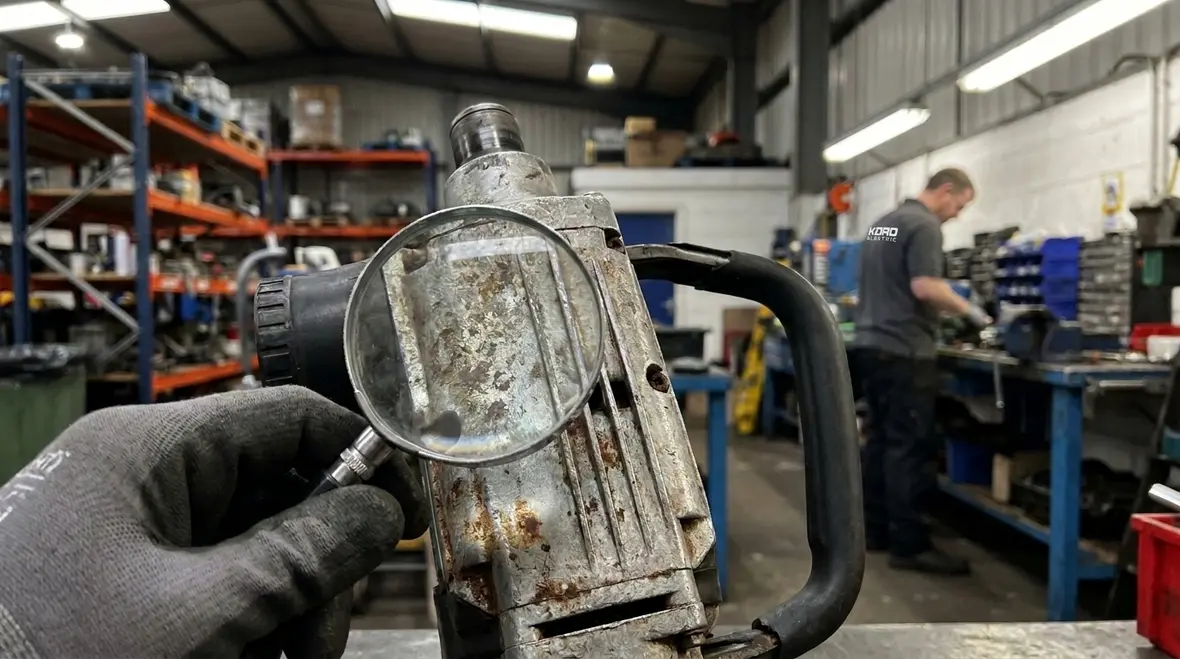
When we look at NFPA 70 Section 668.20 plating portable equipment, we focus on how the Code expects protective surfaces to perform in real conditions. In many facilities, portable gear travels between rooms, gets exposed to moisture, dust, cleaning chemicals, and the occasional sprinkler overspray. Over time, those conditions can attack metal parts and weaken connections.
Therefore, the NEC sets expectations for plating and protective finishes on portable equipment. In plain terms, the Code aims to keep conductive parts dependable, even when the equipment takes a beating. It also supports safer current paths and better long term performance.
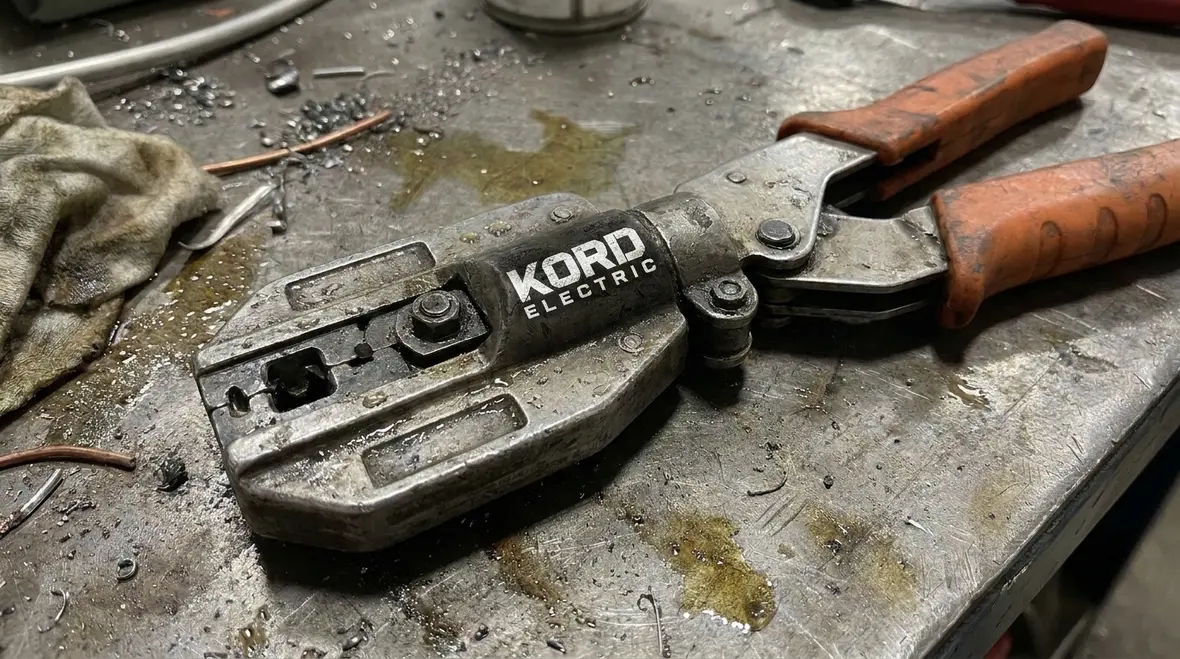
Our technicians often see “minor” coating issues that become major problems. For example, chips in plating can open the door to corrosion. And once corrosion starts, resistance rises, heat builds, and the equipment does not behave the way it should. So, we plan inspections with the plating and finish in mind, especially for equipment used in high use areas.
In our broader NEC planning, we also cross-reference foundational explainers such as our practical guide on how to read NFPA 70 for commercial and industrial buildings, so Section 668.20 decisions fit cleanly into your overall code strategy rather than feeling like a one-off rule.
Why plating and corrosion control matter in commercial and industrial sites
Industrial life is tough. Even well maintained facilities face humidity swings, chemical exposure, and frequent movement of tools and devices. Moreover, major property buildings often share equipment across multiple departments, which increases wear. As a result, protective finishes cannot be an afterthought.
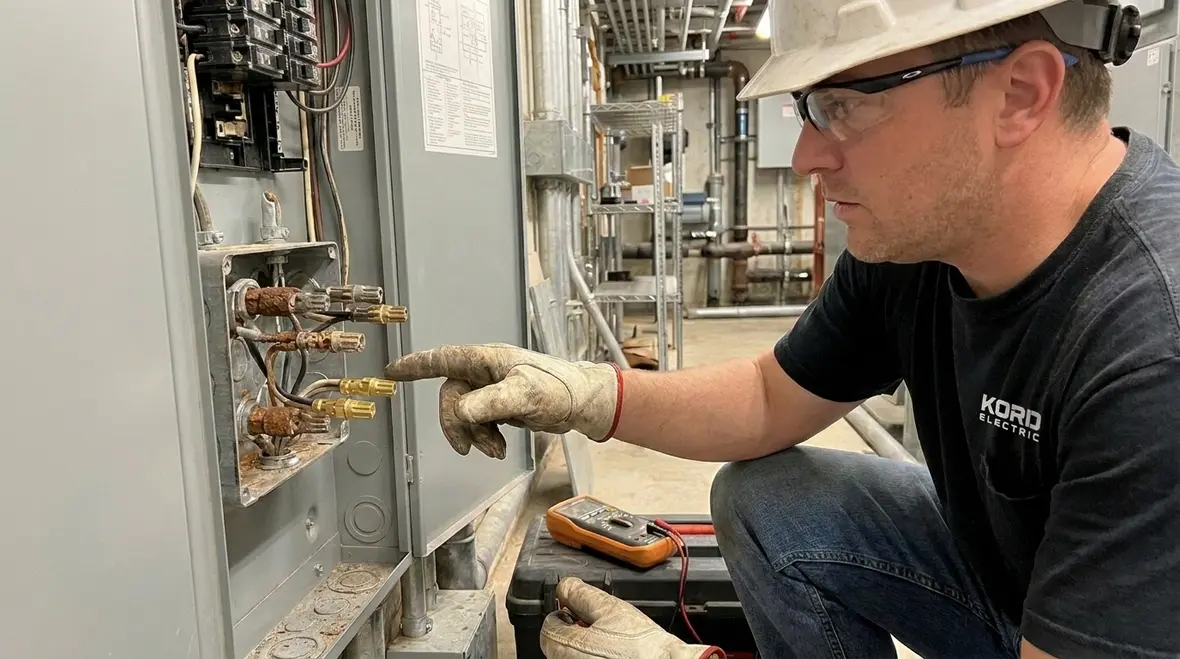
Plating acts like a barrier. It helps resist rust and helps keep metal surfaces conductive and consistent. If the plating fails, the equipment may still turn on, but its electrical performance can degrade. That degradation can show up as nuisance trips, unstable operation, or overheating at contact points.
Our expert service staff explains it like this, slowly and clearly. “If you protect the metal, you protect the connection. If you protect the connection, you protect the people.” It is not poetry, it is engineering.
We also coordinate with fire and life safety partners when needed. For many sites, electrical issues and fire risk do not stay politely separated. If you want a deeper look at the NEC in practical terms, our team references related resources, including content published through our fire and electrical channels like the Kord Fire pages and FirePumps materials, alongside Kord Electric explainers on NFPA 70 scope and application for 2026.
Connecting NFPA 70 plating rules to broader NEC strategy
While Section 668.20 targets plating for portable equipment, it does not live in isolation. We align these requirements with the NEC scope and application guidance, as well as our field-tested approaches to electrical infrastructure modernization and fire prevention in commercial systems. That way, your plating decisions support a resilient electrical environment instead of becoming one more disconnected checkbox.
If your facility team wants a step-by-step orientation before diving into specialized rules like NFPA 70 Section 668.20 plating portable equipment usage, we often recommend pairing this guide with our in-depth article on understanding NFPA 70 and the National Electrical Code for 2026. That combination gives you both the big picture and the zoomed-in details.
How our electricians approach NEC compliance for portable gear
Compliance works best when it becomes a system, not a one time event. At Kord Electric, we treat NEC requirements as a checklist that ties into real maintenance routines. First, we review the equipment category and where it gets used. Then, we verify installation and protective finish expectations.
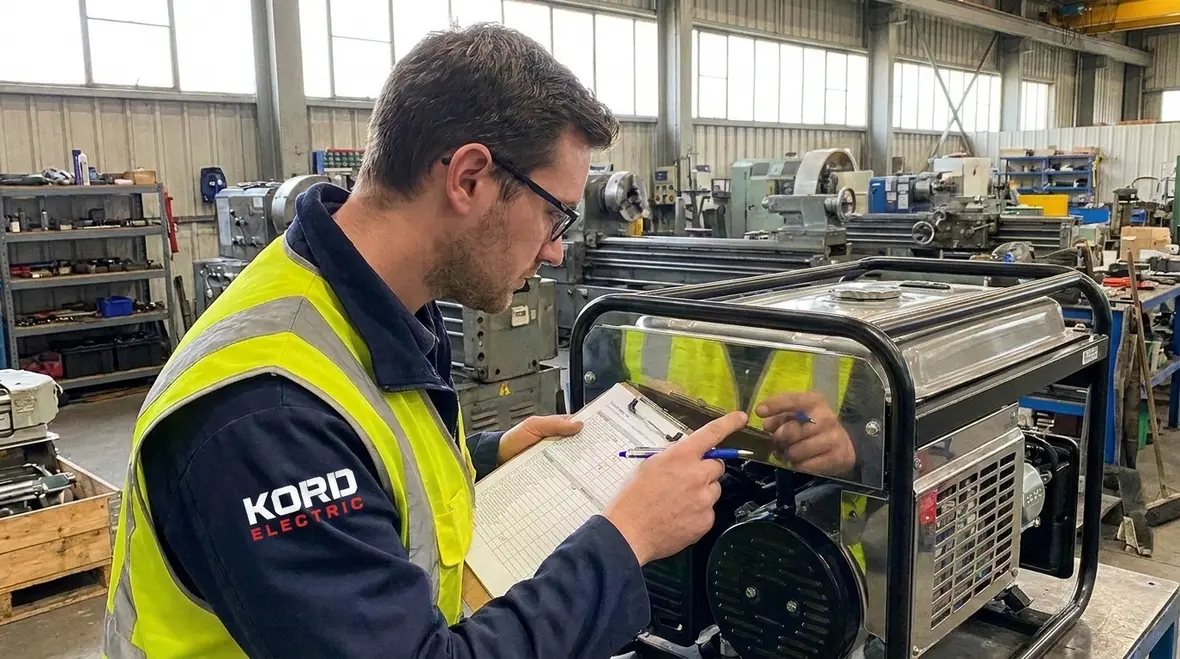
Next, our technicians examine the physical condition of portable units and their connections. They check plating integrity, look for corrosion, and confirm that metal parts stay protected. They also check how the equipment connects to cords, plugs, receptacles, and grounding paths. Finally, they verify that the equipment still matches its intended use environment.
We do not just look at the surface. We look for symptoms that tell the deeper story. For instance, a “clean” enclosure can still hide an unsafe contact if the internal surface has corrosion. And yes, sometimes the problem is a short cut taken by someone who thought, “This looks fine.” We gently remind our clients that electrical safety does not run on vibes.
Because we serve commercial and industrial facilities, we also plan around downtime windows and operational risk. We align inspections with production schedules, so compliance does not stop the whole building.
Blending inspections with data-driven electrical planning
Portable equipment checks work even better when they plug into a data-driven electrical design strategy. Our teams connect plating and finish inspections to broader metrics like fault history, surge events, and power quality trends, using the same mindset described in our data-driven electrical design guide for commercial and industrial facilities. The result is a portable equipment program that responds to real conditions, not guesswork.
Common portable equipment issues we see and how to fix them
Over the years, our expert service staff has seen repeat patterns. Below are some issues that often tie back to plating, protective finishes, and overall electrical dependability.
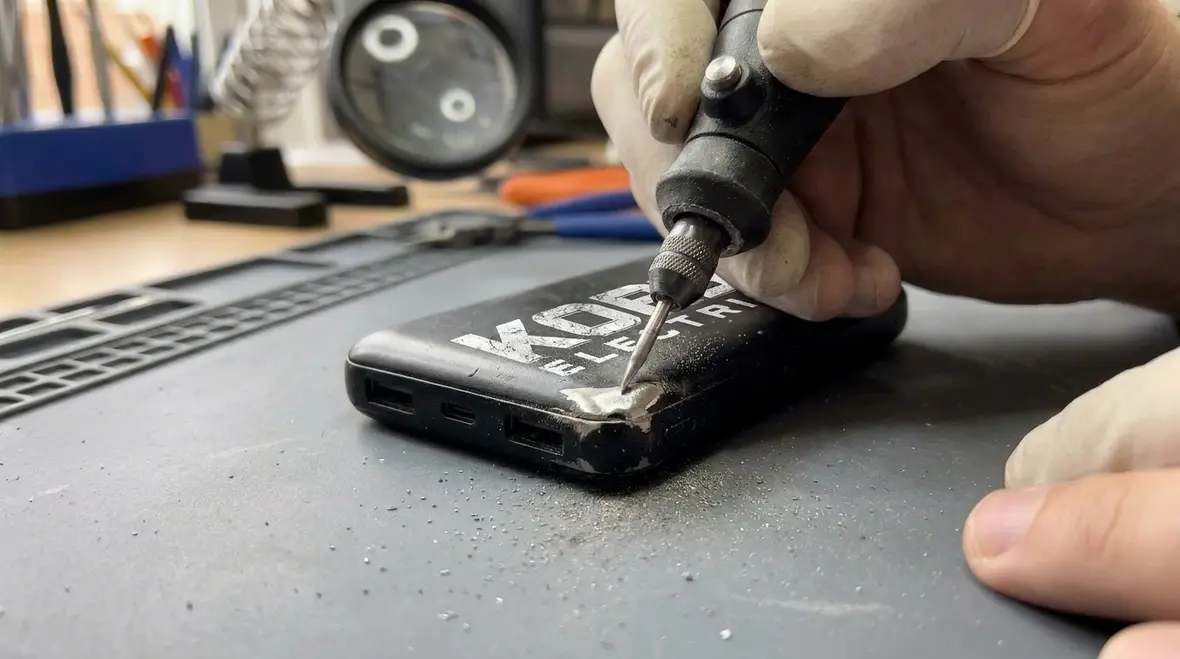
- Chipped or worn plating: Small damage can expose metal and start corrosion. We recommend targeted replacement or refurbishment practices based on the equipment design.
- Surface corrosion on conductive parts: This raises resistance and can cause heat at terminations. We inspect both visible and hidden metal surfaces.
- Loose connections from degradation: Corrosion can loosen contact points. We check mechanical tightness and electrical continuity.
- Moisture traps during storage: Portable gear often sits in bins or corners. We suggest storage practices that reduce exposure.
- Chemical exposure from cleaning: Some cleaners attack certain finishes. We evaluate product compatibility and update cleaning procedures when needed.
We handle these concerns with practical steps. First, we document the condition and location of wear. Next, we verify whether the equipment remains within safe operational expectations. Then, we propose a plan that fits a commercial environment, not a garage fantasy. If you want the broader code context, we connect these practical observations back to how NFPA 70 explains compliance and safety intent.
Linking defects to upstream and downstream risk
A worn finish on a single tool might sound minor, but in real buildings, these defects stack with other conditions. We correlate plating issues with panelboard wear, surge protection gaps, and raceway conditions so that Section 668.20 compliance also strengthens the rest of your system. This approach mirrors the way we treat NEC raceway requirements and electrical infrastructure upgrades: no component gets evaluated alone.
Keeping portable electrical equipment safe in real building conditions
Rules on paper do not stop shocks by themselves. They work when facilities maintain safe conditions in the places where people actually use portable gear. That means we consider the building environment, including foot traffic patterns, cleaning methods, and storage habits.
For major property buildings, we also consider how portable equipment interfaces with the fixed system. For example, portable devices often connect through receptacles, extension cords, adapters, and temporary power setups. Therefore, a plating issue on the portable unit can combine with a worn connection in the power path, creating a compounding risk.
Our technicians help clients reduce that risk by creating a simple workflow. First, we verify that portable equipment stays in safe service conditions. Next, we review how it connects to outlets and how crews handle cords and plugs. Then, we confirm that grounding paths remain intact.
And if you are thinking, “But we check this sometimes,” we get it. Sometimes is not a strategy. If a facility wants predictable performance, we build routine checks that match usage level. That way, safety does not depend on who remembers to look.
Making inspections part of everyday operations
We design inspection plans so they can live inside your existing maintenance rhythm. For example, NFPA 70 Section 668.20 plating portable equipment usage checks can be folded into preventive maintenance rounds, surge protection reviews, and fire prevention walk-throughs. That keeps portable equipment safety aligned with your broader electrical compliance and fire safety strategy instead of operating on a separate island.
Related NEC resources and how they shape our service planning
We base our approach on how the NEC organizes requirements and how it intends electricians to reduce hazard. We also align our training and planning with published guidance available through our networks, including explainers focused on the National Electrical Code and its updates. For example, our published material on the NEC helps clients understand the larger structure behind individual sections, including rules that impact portable gear.
At Kord Electric, we use these references to keep our assessments consistent. Then, we translate them into service plans that fit commercial and industrial needs. We do not treat the NEC like a reference for trivia night. We treat it like a standard that affects safety, reliability, and inspection readiness.
Also, if you manage fire related systems or work closely with life safety teams, you benefit from a coordinated approach. Kord Fire and partner resources like FirePumps support a broader view of electrical safety and fire prevention. When teams align, facilities spend less time chasing blame and more time protecting people and assets.
For facility teams looking to go deeper than a single code section, we often point them to companion pieces like our NEC application requirements guide and our walk-through on how to read NFPA 70. Together, these resources make it easier to see where Section 668.20 fits into the full NEC map, from scope and definitions to specialized installation rules.
Building a roadmap from plating rules to full-system reliability
Section 668.20 is a small but important piece of the overall reliability puzzle. By tying plating decisions to switchgear maintenance practices, surge protection strategies, and electrical infrastructure modernization planning, we make sure portable equipment does not become the weak link in an otherwise strong system. That roadmap also prepares your facility for inspections, audits, and future upgrades, because each decision traces back to NEC principles instead of ad hoc habits.
FAQ
Frequently asked questions for quick answers
- Do we need to replace portable equipment if the finish is damaged? Short answer: not always, but we evaluate condition, corrosion, and electrical impact before deciding.
- Can cleaning products affect plating? Short answer: yes, some chemicals can attack coatings, so we check compatibility with your cleaning practices.
- Does this apply only to cords and plugs? Short answer: it applies to portable equipment construction and protective finish expectations, not just the cord ends.
- Can we handle this in house? Short answer: some checks can be internal, but we recommend expert inspection for safety critical evaluations.
Final thoughts from Kord Electric
NFPA 70 requirements for portable equipment protect more than compliance status. They protect people, operations, and the reliability your facility depends on. At Kord Electric, our technicians and expert service staff help commercial and industrial clients translate NFPA 70 Section 668.20 plating portable equipment expectations into real inspection routines and practical fixes. If you want a clear plan for portable gear safety, we can review your current setup, spot risk early, and help you move forward with confidence.
For teams that want to see how these plating and portable equipment decisions connect to the bigger NEC picture, you can also explore our explainer on understanding NFPA 70 for 2026, which walks through the National Electrical Code structure in more detail. And if you are working across multiple buildings or modernizing older systems, our commercial electrical infrastructure and fire prevention guides show how portable equipment safety fits into a wider, code-conscious reliability plan.
If your facility is in Southern California and you are ready to align portable equipment inspections with broader electrical design, upgrades, and maintenance, our Los Angeles County electrical services team can coordinate everything from NEC-compliant inspections to data-driven design improvements. Contact us today to schedule an assessment and put NFPA 70 Section 668.20 plating portable equipment usage to work for your building instead of just filing it in a binder.
NFPA 70, NEC updates, and plating rules will continue to evolve, but your safety strategy does not have to lag behind. With the right partner, you can turn Section 668.20 from a citation in the code book into a practical shield against corrosion, failures, and avoidable downtime.


