
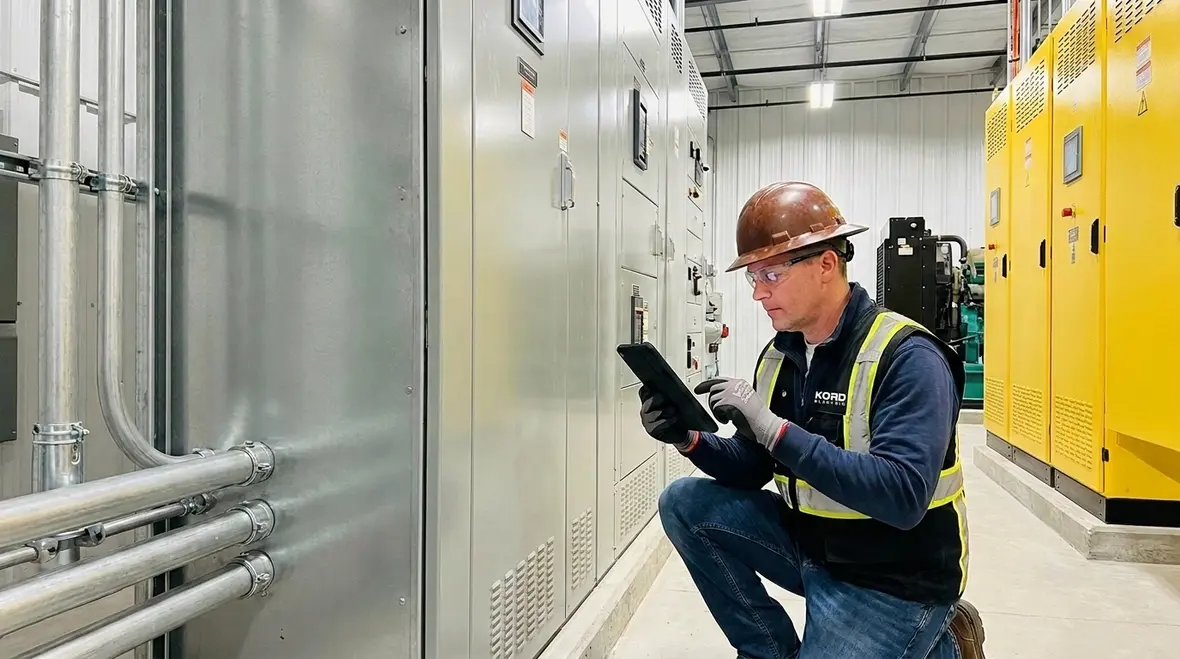
NFPA 70 668.30 Plating Fixed Equipment Compliance
Kord Electric serves commercial and industrial facilities, as well as major property buildings. And when it comes to electrical safety and code compliance, we do not guess. We follow the rules, and we explain them clearly. Early in this guide, we address a real requirement tied to NFPA 70 Section 668.30 plating fixed equipment. In plain terms, this section sets expectations around how certain fixed equipment gets plated, so the protection stays reliable over time. And yes, metal plating is not glamorous, but neither is a surprise electrical failure. Now, we walk through what the National Electrical Code means for your facilities, how experts in our team interpret it, and how you can plan for safer systems that hold up.
Why NFPA 70 matters to large facilities
When a commercial or industrial site runs 24 7, electrical work cannot be treated like a hobby project. In practice, large buildings face long equipment lifespans, vibration, moisture, and heavy use. Therefore, the National Electrical Code, published as NFPA 70, acts like a shared language for electrical safety. It sets minimum requirements designed to protect people, equipment, and property. However, we also help teams understand how the code ties into inspection, documentation, and long term operation.
Our expert service staff at Kord Electric takes the time to translate code language into actions that facilities teams can schedule and budget. For example, when we review a scope, we focus on fixed equipment, wiring methods, grounding, and how corrosion resistance affects performance. If someone thinks “code compliance” is just paperwork, they usually meet reality at the worst time, like the kind of moment you only see in an action movie. The difference is, we help you avoid that scene entirely.
How we read NFPA 70 Section 668.30 for plating fixed equipment
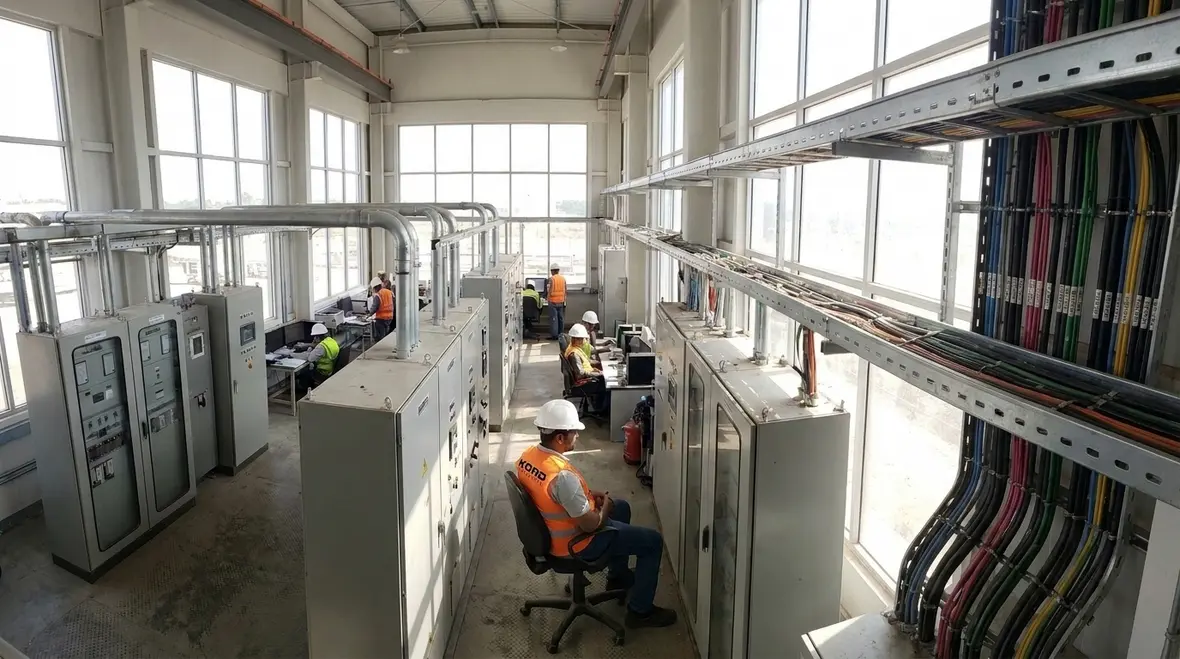
We treat NFPA 70 Section 668.30 plating fixed equipment as a practical requirement, not a vague guideline. When equipment needs plating, the goal is to protect surfaces from corrosion and wear. Yet, plating does not only mean “add a shiny layer.” It means the plating needs to match what the code expects for the equipment’s purpose and installation conditions.
To make this usable, we explain it the way our technicians work. First, we identify what equipment qualifies and how it is installed. Then, we verify what the installation environment looks like, including exposure to moisture, chemicals, or weather. Next, we check whether the plating requirement is satisfied by the equipment’s listed design and the way the installation follows manufacturer and code intent. Finally, we document the outcome so your facility can support inspections and maintenance planning.
Our technicians also help teams connect this to real maintenance. Over time, protective layers wear, coatings degrade, and contact points experience stress. Consequently, the plating requirement becomes part of a bigger safety plan that includes inspection intervals, corrective actions, and proper part replacements. In other words, we treat code compliance like a system, not a one time event.
What corrosion resistance means in real deployments
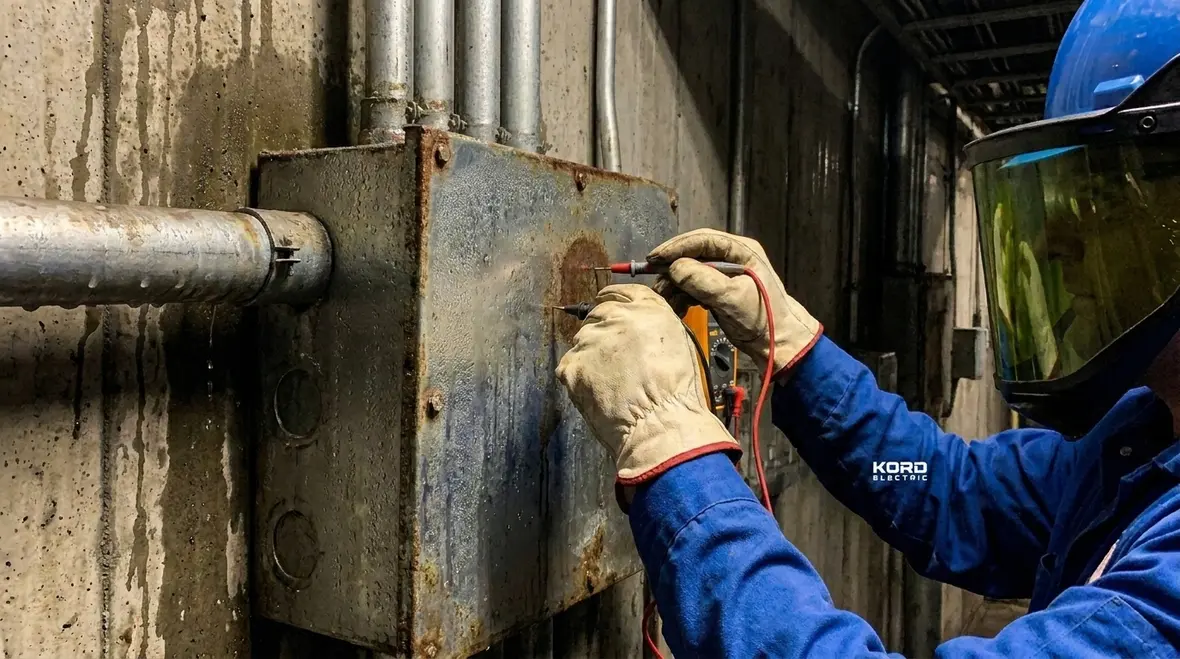
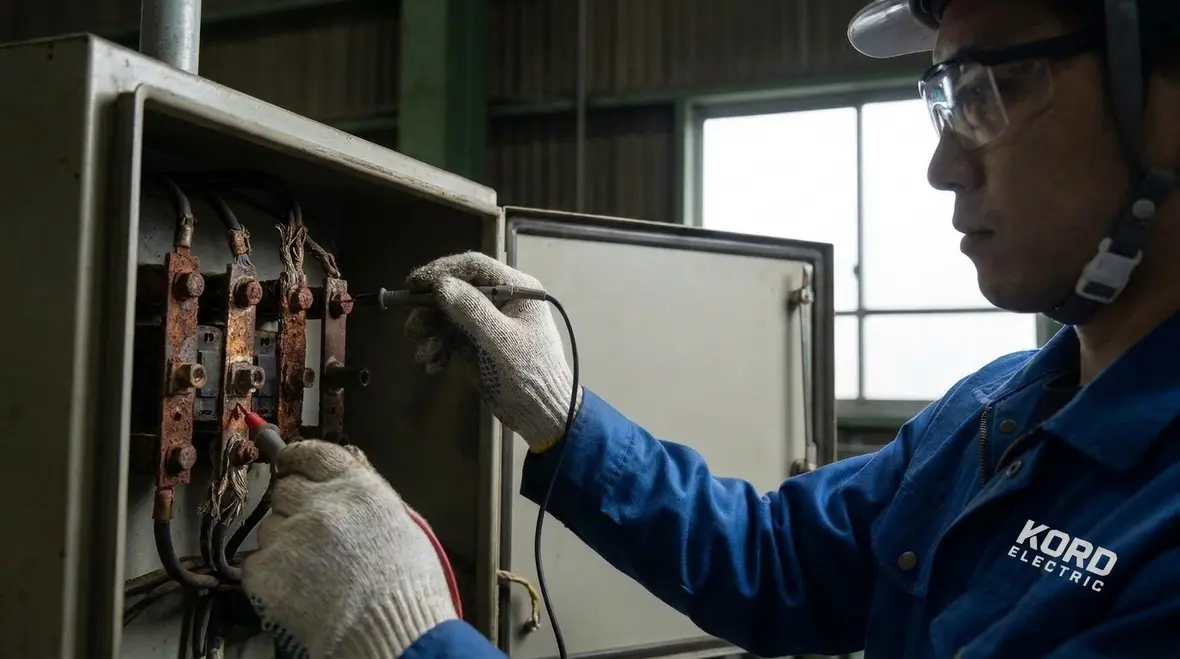
Many facilities learn the hard way that corrosion is not just a cosmetic issue. It can increase resistance at connections, loosen fasteners, and lead to failures that disrupt operations. So, we guide our commercial and industrial clients through a clear process: we look at where fixed equipment sits, what it touches, and what it shares the environment with.
When plating fixed equipment is involved, corrosion resistance becomes a key factor for long term reliability. Moreover, corrosion resistance can affect how the equipment operates electrically. If you have contact surfaces that degrade, you can see performance issues that look like electrical faults but originate in mechanical and environmental change.
Our expert service staff explains this in simple terms during walkthroughs. They also help teams build a practical checklist that aligns with their facility realities. For example, they may recommend inspection points at access panels, terminations, and locations where water or condensation can collect. And yes, we sometimes use a pop culture analogy in training. Think of plating like armor. If it chips, the hero does not get invincible powers. The code still expects the protection to hold.
NFPA 70 installation principles that affect safety outcomes
Beyond plating, NFPA 70 covers installation methods that reduce risk in the first place. And for large buildings, those methods impact how often systems fail, how quickly crews can service them, and how inspectors evaluate the job.
We focus on key installation themes that keep commercial and industrial work consistent. First, proper grounding and bonding reduces shock risk and helps protective devices operate as intended. Second, correct wiring methods protect conductors from physical damage, heat, and moisture. Third, separation and support help systems maintain integrity under load and vibration.
Additionally, we emphasize documentation that helps the next team. When projects hand off to facility maintenance, a clear record reduces confusion and prevents unsafe “interpretations” later. In our experience, most problems come from missing details, not from bad intentions. So, we make sure records are complete, readable, and aligned with the installed conditions.
As part of our broader safety mindset, we coordinate with fire protection specialists when projects involve life safety systems. The goal stays the same: help you build a dependable safety stack, not a patchwork. We also keep an eye on guidance published by industry partners, including the resources shared by Kord Fire and Kord Fire Pumps, because the best electrical compliance work connects to the full protection plan.
Planning inspections, upgrades, and compliance timelines
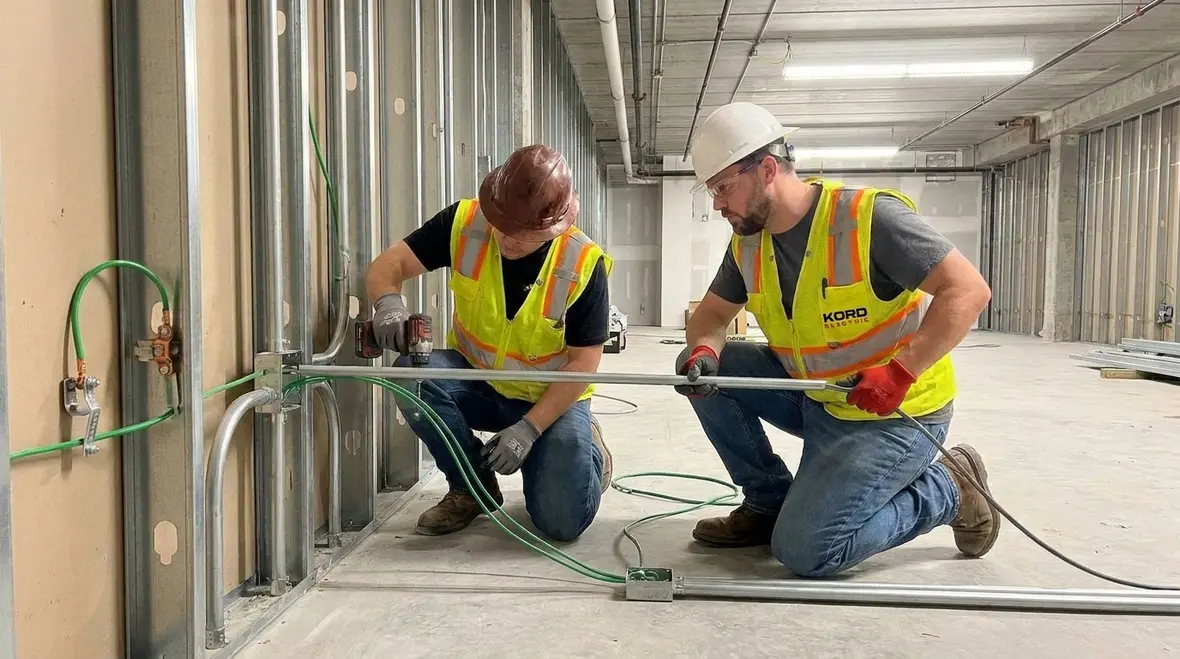
Code compliance becomes easier when we plan it like a schedule, not like an emergency. Therefore, we help facility leaders map out when to inspect, when to repair, and when to upgrade. For commercial and industrial operations, it helps to align these steps with downtime windows, staffing capacity, and critical equipment cycles.
We start by reviewing the facility’s electrical system layout, past work orders, and any known trouble areas. Then, we define what inspectors look for, including how equipment is installed, how materials match required conditions, and whether documentation supports the work. After that, we prioritize actions based on risk and impact. If an area affects uptime, we coordinate first. If the work affects safety compliance, we move quickly and carefully.
Our technicians also explain how to avoid common traps. For example, replacing a part with something “similar” can break compatibility with the original protection intent. Similarly, skipping plating fixed equipment considerations during rework can invite corrosion issues later. To keep your facility safe, we follow the code requirements and the equipment’s listed design.
In short, we help you treat compliance like maintenance quality. You do not wait until the building complains in the middle of a shift.
How our expert technicians support commercial and industrial projects
Kord Electric brings a technician driven approach to code understanding. While others may simply point at requirements, we translate them into work steps your team can execute. Our expert service staff also communicates with your site managers so decisions stay grounded in operational needs.
On job sites, we take a calm and methodical path. First, we verify existing conditions. Then, we confirm what the code expects for the installation. Next, we apply that to the real constraints of your building. If the facility has unique conditions, we work with your team to document them and apply correct methods.
We also make training part of the process. When your maintenance staff understands why requirements exist, they reduce accidental violations during routine work. And if you have questions after the project, we answer them. Because in our world, service is not a one time visit. It is ongoing support for the systems your business depends on.
For additional context on the National Electrical Code and how teams interpret it, our partners at Kord Fire have also published useful explainers, and those ideas can help tie electrical safety to broader fire and life safety planning. Meanwhile, resources like those found at firepumps.org can reinforce how protection systems connect in practice.
If your team wants an accessible, big picture guide to how the NEC fits together before diving into specific sections like NFPA 70 Section 668.30, you can also explore Kord Electric’s deep dive on the code framework in the article What Is NFPA 70? Understanding the National Electrical Code, alongside companion explainers such as the practical guide on how to read NFPA 70 for commercial and industrial buildings. These resources help facility leaders connect plating rules, working clearances, and other article level requirements into one clean strategy for safer electrical systems.
Connecting NFPA 70 plating rules to broader NEC planning
NFPA 70 Section 668.30 plating fixed equipment requirements rarely stand alone on a project. In real commercial and industrial work, they tie into conductor sizing, equipment clearances, and how you document systems for inspectors and maintenance teams. When we sit down with facility leaders, we walk through how plating requirements link back to other NEC topics we cover in depth on our blog, including underground service conductor sizing, work space clearances, and specialized equipment rules.
For example, when a project combines plated fixed equipment with underground services, our guidance in the article on NEC underground service conductor sizing per NFPA 70 Section 230.31 helps teams coordinate load calculations with material and corrosion decisions. Similarly, when plated gear lands in electrical rooms or control spaces, the working space expectations described in our coverage of NEC working space equipment clearances and NFPA 70 Section 110.32 work space dimensions keep the environment safely accessible over the life of the facility.
When plating rules show up in environments exposed to moisture or contaminants, we also draw on related NEC topics that deal with drainage, conduits, and raceways. Our article on raceways to drain for NFPA 70 Section 268.53 and the guide to NEC USE cable conduit basics both illustrate how equipment protection, environmental controls, and conductor routing all work together. In other words, plating is one crucial layer in a stack of decisions that keep your system resilient instead of reactive.
From code language to site-ready work plans
On paper, NFPA 70 Section 668.30 plating fixed equipment language looks compact. Out in the field, applying it touches everything from purchasing to commissioning. That is why our technicians translate the requirement into step by step tasks for each project. The process often includes confirming that ordered gear meets the specified plating standard, validating that the actual installation environment matches design assumptions, and building inspection checklists that capture how plated surfaces will be maintained over time.
During design coordination, we sit down with project teams to align plating expectations with other NEC driven priorities: conductor ampacity, label visibility, working space, and equipment accessibility. If a facility plans to expand, we also flag where future work may disturb or modify plated equipment so planners can budget for rework rather than patching over surprises. The point is simple: code sections might be numbered separately, but your building experiences them together. We build our work plans to match that reality.
This approach becomes especially valuable when new technologies enter the mix, from advanced controls and power electronics to dense track lighting and specialized industrial loads. Articles such as our guide to NEC show window and track lighting loads and our explainer on dielectric heating hazard labels show how labeling, load calculations, and equipment construction all reinforce each other. Plating rules fit into that same ecosystem of careful, interconnected decisions.
Planning NFPA 70 plating compliance across your facility portfolio
Most commercial and industrial organizations manage more than one building, and sometimes more than one jurisdiction. That makes NFPA 70 plating requirements a portfolio conversation, not just a project checklist. In one facility, plated fixed equipment might sit in a relatively clean electrical room. In another, the same class of equipment could be exposed to washdown, airborne chemicals, or coastal humidity. Our role is to map those environmental differences onto the same code section so you do not end up with “one size fits none” specifications.
We help portfolio teams standardize their approach where it makes sense: shared templates for documentation, common inspection checklists, and training modules that cover NFPA 70 fundamentals for technicians and facility staff. At the same time, we highlight where local conditions require custom attention to plating and corrosion. Rather than handing you a generic rule, we walk through how NFPA 70 Section 668.30 plating fixed equipment language interacts with each site’s realities and with the 2026 direction of the code described in our broader resource 2026 NEC application requirements guide and NFPA 70 scope.
By turning plating into a portfolio level strategy, facility leaders can budget upgrades in phases, assign responsibilities clearly, and avoid the scenario where one building passes inspection smoothly while another struggles with repeat findings tied to the same underlying rule. Consistency is not just good for auditors. It shields your operations from avoidable downtime and from maintenance teams having to “decode” decisions made years ago without a clear record.
FAQ
Need help with compliance for your building?
If you run a commercial or industrial facility, you need electrical work that stays safe long after the project ends. At Kord Electric, our technicians review your installed conditions, explain the code in business friendly terms, and help you plan upgrades with clear documentation. We focus on fixed equipment needs, including plating fixed equipment requirements where applicable, so you do not discover problems during inspections. Reach out to us for an assessment and a practical compliance plan built around your schedule and risk level.
For facility leaders across Southern California, our dedicated regional offering in Los Angeles County electrical services brings this same code focused, technician driven mindset directly to local sites. Whether your priority is NFPA 70 Section 668.30 plating fixed equipment compliance, work space corrections, or system wide upgrades, our local teams coordinate with your operations to minimize downtime while raising the safety and reliability baseline of your electrical infrastructure.
Internal note for readers: This article references key concepts from NFPA 70 and related explainers from Kord Fire and other industry resources. Our team confirms requirements using the latest applicable code sections and project conditions.
If you want to keep building your understanding of how NFPA 70 shapes everyday decisions, you can also review the in depth explainer on the 2026 code direction titled 2026 NEC application requirements guide and NFPA 70 scope and our practical walkthrough on how to read NFPA 70. Together with this plating focused guide, those resources help you see the electrical code as a connected framework for safer, more reliable facilities.
When you are ready to move from reading to action, our commercial and industrial service teams can align NFPA 70 plating requirements with surge protection, conduit design, raceway drainage, and labeling so your entire system feels intentional instead of patched together. From the first walkdown to the final inspection, we keep the focus on reliability, documentation, and long term maintainability.


