
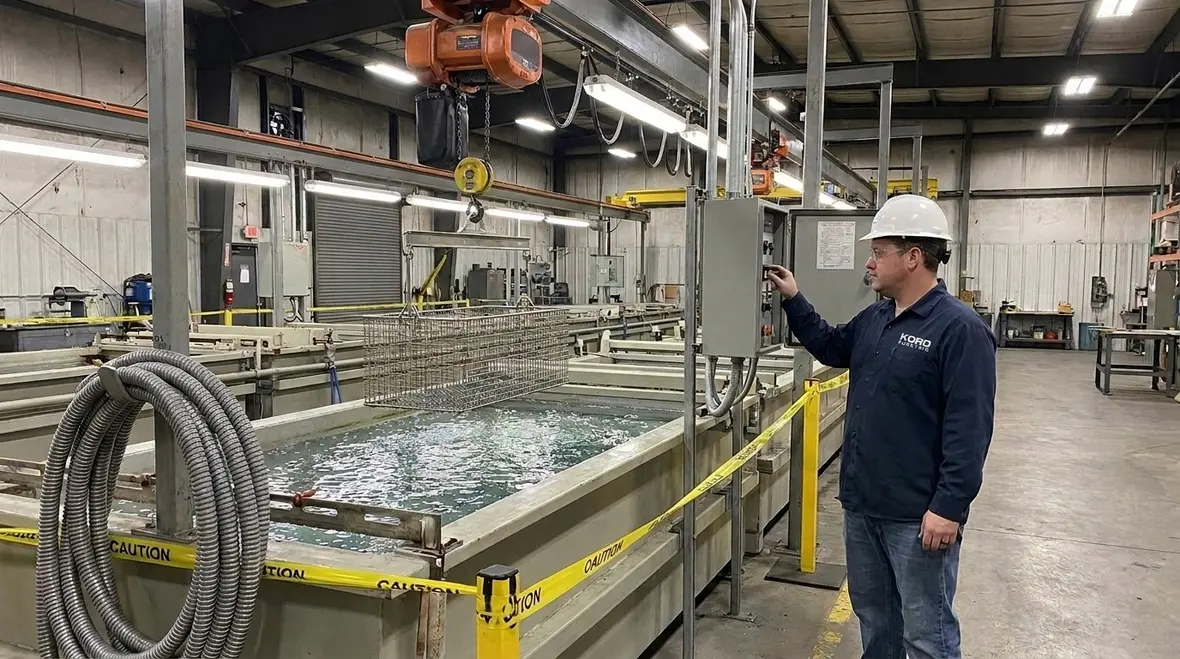
NFPA 70 Section 668.32 plating cranes hoists safety
NFPA 70 Section 668.32 plating cranes hoists: what commercial and industrial teams need to know
At Kord Electric, we serve commercial and industrial facilities, along with major property buildings. So when code language shows up, we treat it like a checklist that keeps people safe and keeps operations moving. Early in the process, we look closely at NFPA 70 Section 668.32 plating cranes hoists. In our experience, this specific focus matters because plating environments can bring special hazards, and crane and hoist systems can become a weak link if electrical design and installation do not match the risk.
Our expert service staff explains this in plain terms. In fact, our technicians can make a technical standard feel less like homework and more like a guide you actually want to open. And yes, we still wear the “serious face” during inspections. But we also know that if you cannot explain it clearly, you cannot manage it reliably.
How we read NFPA 70 for cranes, hoists, and plating spaces
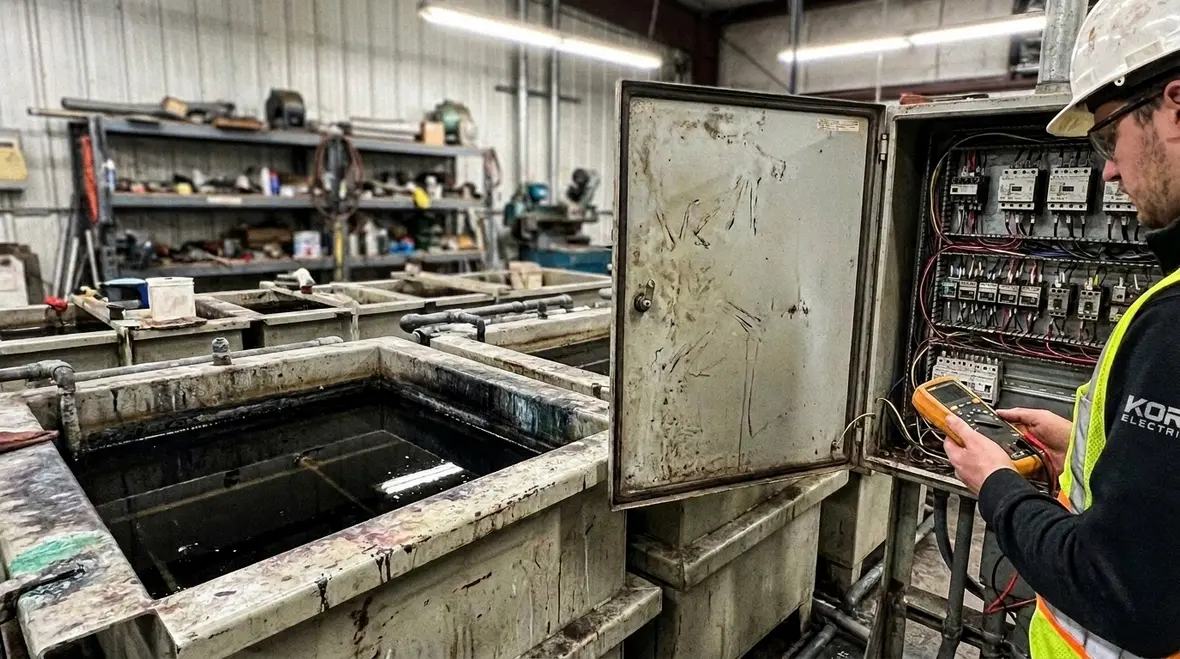
People often think the National Electrical Code is just a book of rules. However, we treat it as a set of guardrails that connect design, installation, equipment choice, and ongoing maintenance. NFPA 70 Section 668.32 plating cranes hoists fits inside that bigger system. It guides how electrical components and control equipment should behave in plated or similar industrial processes.
First, we identify the exact use case. Next, we map power feeds, grounding paths, control circuits, and switching devices. Then we confirm that the installation practices align with the code intent, not just the letter of the text. Why? Because cranes and hoists move loads through space, and electrical faults in that context do not stay small. They tend to spread into wider operational risk.
When our technicians review your site, they also look for how the electrical system performs under real conditions. Moisture, chemical vapors, washdown schedules, and floor cleaning habits can all affect equipment over time. So even if a system passed once, it must still meet the “still works safely” expectation.
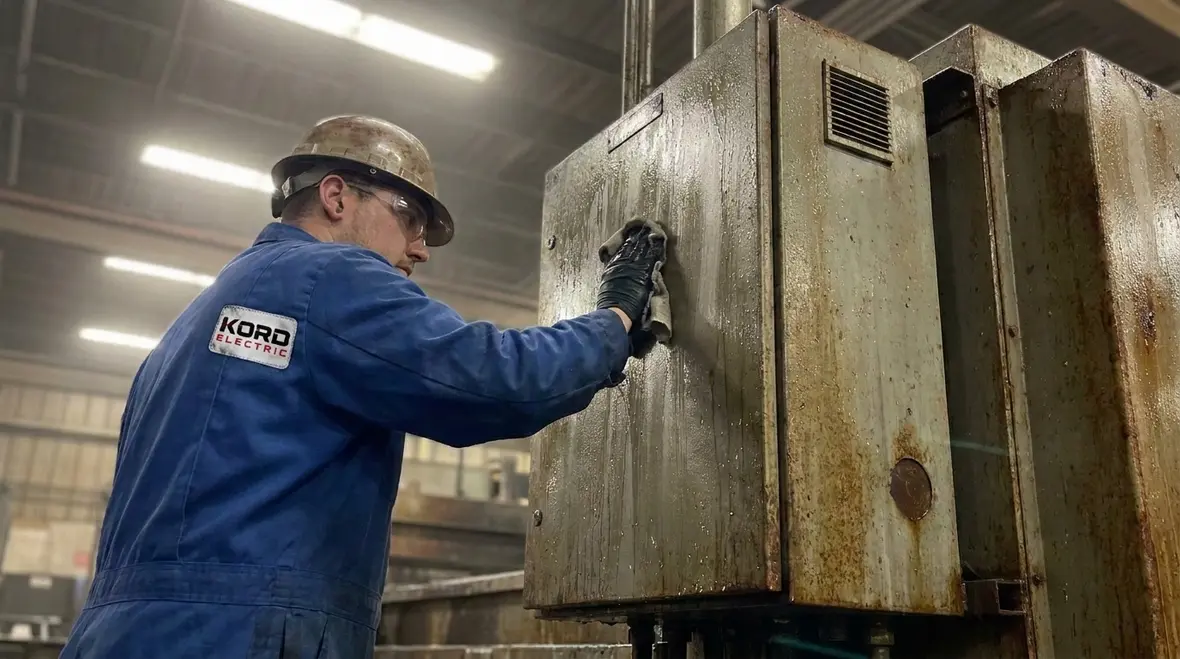
Electrical design basics we verify before inspection day
We do not start with guesswork. Instead, we verify design elements that determine how a crane or hoist system behaves in normal and abnormal conditions. To keep it practical for commercial and industrial teams, we focus on the following areas.
- Wiring methods and routing: We confirm the path reduces exposure to corrosive environments and avoids locations that trap moisture.
- Enclosures and protection: We check whether boxes, housings, and control cabinets offer adequate physical and environmental protection.
- Disconnects and control power: We verify separation where needed and proper switching for safe operation.
- Grounding and bonding: We confirm the path back to the source stays continuous and effective.
- Overcurrent protection: We ensure the protection strategy matches the equipment and load characteristics.
Then, we validate how those design choices interact with the hoist or crane components themselves. In other words, we do not only ask “is it installed?” We also ask “does it stay safe when things get real?” That means vibration, thermal changes, and repeated movement patterns.
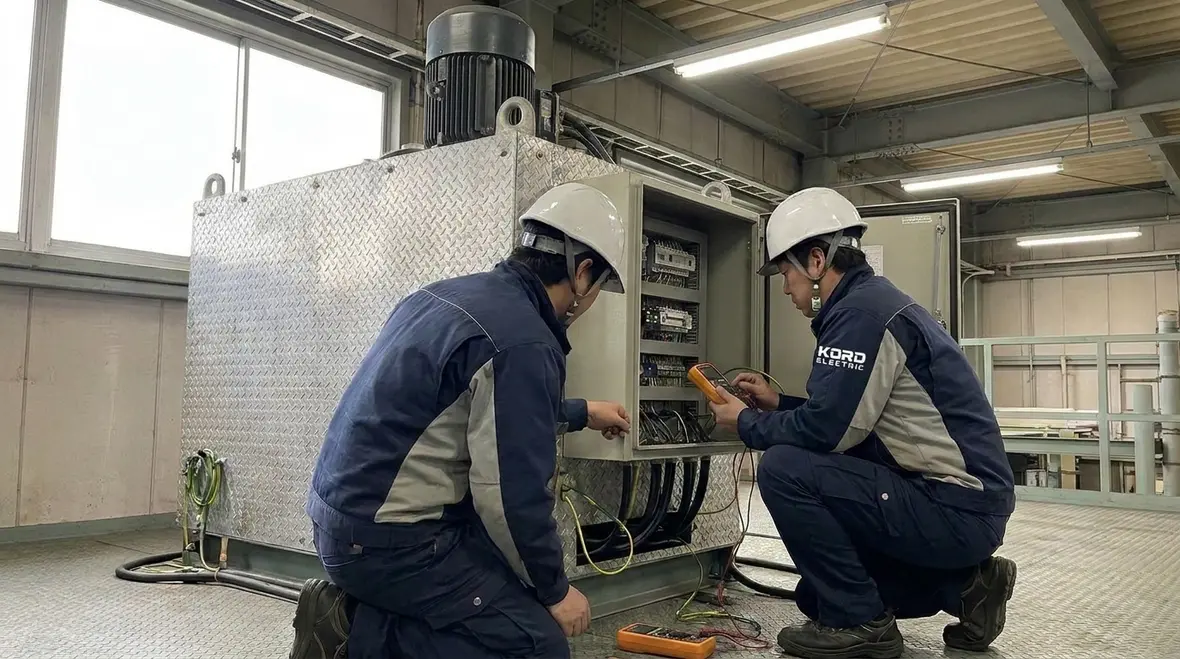
Safety for plated environments and moving equipment
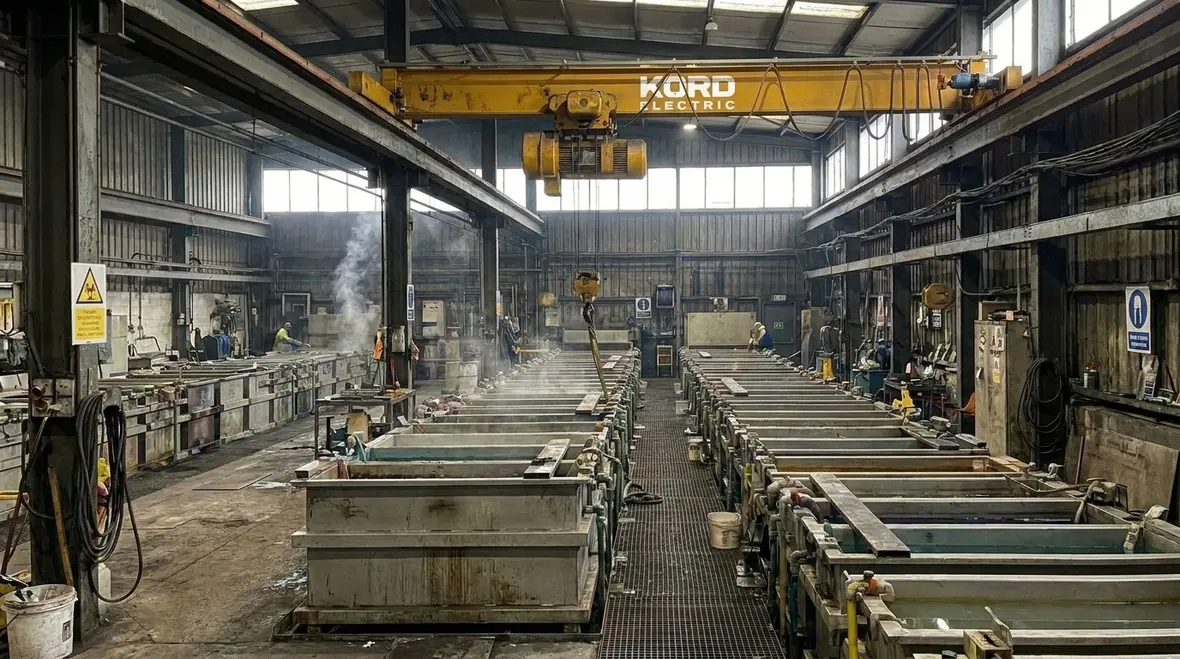
Plating operations bring a mix of challenges that most building teams do not meet in everyday office electrical work. Therefore, we approach these systems with a site-first mindset. We consider chemical exposure, washdowns, and corrosion risk. We also pay attention to how operators use the equipment and where maintenance workers place tools and replace parts.
In our expert explanations, we tell teams that cranes and hoists create a safety boundary. The electrical system must respect that boundary. If a control cabinet sits in an area where it will collect residue or moisture, the risk grows. If wiring enters enclosures without proper sealing, moisture can creep in like an uninvited guest who never leaves the party.
Also, we consider how you manage risk day to day. Some facilities schedule cleaning and preventive checks on a routine calendar. Others respond only after a failure. When you plan ahead, you reduce downtime and surprise repairs. We help you build that plan by documenting what we find and what we recommend.
Building compliance workflows that keep projects on track
Most commercial and industrial teams do not need a lecture. They need a workflow that reduces rework. Our approach starts with a scope review and ends with clear documentation that your maintenance staff can use. Meanwhile, we coordinate with the people who run operations so electrical work does not stall critical production.
Here is how we typically structure the workflow for crane and hoist electrical systems in plated areas, including the concerns that align with NFPA 70 Section 668.32 plating cranes hoists:
- Site review: We confirm process layout, equipment type, and installation conditions.
- System mapping: We identify power, control, grounding, and protective devices.
- Condition check: We inspect enclosures, conductors, terminations, and routing paths.
- Gap analysis: We compare what exists with what safe installation practice expects.
- Corrective plan: We prioritize changes that reduce immediate risk and future failure points.
- Commissioning support: We help verify safe operation after changes.
During commissioning, our technicians explain what they test and why. If you are thinking, “We just want the lights and the hoist to work,” we hear you. However, the difference between “works” and “works safely for years” depends on the details. And those details matter when you serve customers, meet production targets, and keep regulators comfortable.
Why our technicians emphasize documentation and maintenance
We know that most people forget code the moment the project is signed off. Then the reality of day-to-day operations kicks in. So we build a maintenance conversation into our electrical service, not after the fact.
Our expert service staff keeps documentation practical. We record system layout, identify protective device ratings, and note key inspection findings. Then we recommend maintenance intervals that match how your environment behaves, especially in plating spaces where corrosion and residue can change equipment performance.
We also talk about spare parts, replacement timing, and inspection checklists. A crane and hoist system does not run on wishful thinking. It runs on predictable electrical performance. So we help your team plan so that a small issue does not turn into a large outage. If you have ever tried to troubleshoot an intermittent control fault at 2 a.m., you already understand why we push for good records. Otherwise, congratulations on living a peaceful life. The rest of us need those records like we need coffee.
Featured guidance from industry resources
We reference respected sources while building our site plans. For broader context on the National Electrical Code and how teams apply it in real facilities, we review guidance connected to NFPA 70 topics across our resources and partner communities. You can also explore industry-focused education through Kord Electric’s National Electrical Code overview for 2026 and the specialized NEC coverage at our partner site Kord Fire’s NEC overview.
When the conversation touches industrial safety, equipment performance, and system integration, we also consult practical learning sources such as kordfire.com.au and the training-driven content at firepumps.org. Even though crane and hoist systems fall under electrical scope, the underlying theme stays consistent: safety depends on correct installation, correct selection, and correct maintenance.
FAQ
Call Kord Electric for crane and hoist electrical safety
When your operations depend on cranes and hoists in plating environments, we do not treat electrical compliance as a box to check. We help commercial and industrial facilities design, verify, and maintain systems so they stay safe and dependable. Our technicians explain the “why,” not only the “what,” and we document findings in a way your team can use. If you want fewer surprises, smoother inspections, and safer movement under load, contact Kord Electric for a site review.
If you are planning broader electrical upgrades, you can also review our related resources on National Electrical Code planning and safe design. When you are ready to move from reading to action, our Los Angeles County electrical services overview shows how Kord Electric supports everything from permit planning and NFPA 70 interpretation to final inspection support for commercial and industrial facilities.
Whether you are troubleshooting a specific hoist fault or planning a full plating line expansion, our team can help you connect the details in NFPA 70 Section 668.32 plating cranes hoists with real-world installation, maintenance, and documentation so your equipment behaves safely, not just on day one, but through years of operation.


