
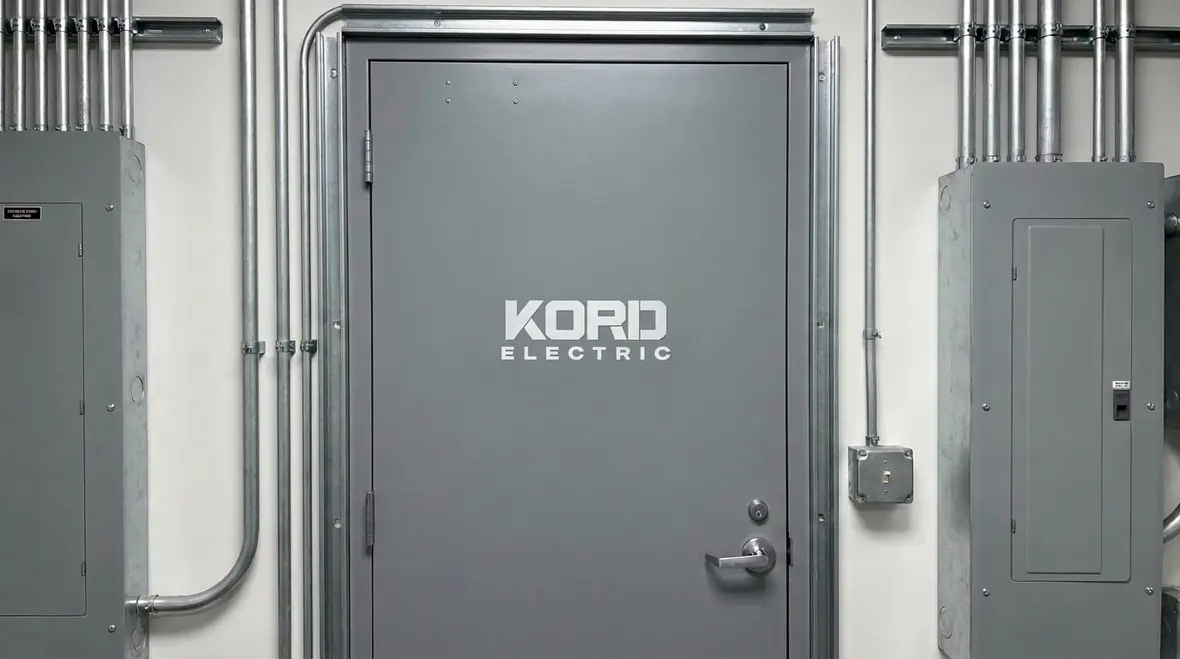
NFPA 70 Section 669.7 Electrical Room Warning Signs
NFPA 70 Section 669.7 electrical room warning signs: the first line of defense
In the commercial and industrial world, we do not win by guessing. We win by following clear rules. That is why Kord Electric treats NFPA 70 Section 669.7 electrical room warning signs like a small detail with big consequences. Within the first moments, the right signage helps prevent the wrong person from entering the wrong space, and it guides everyone on how to handle an electrical hazard safely.
Our expert service staff often says it plainly: warning signs are not decorative. They are like the “do not push” button on a movie set. Somebody will push it anyway, so we build the safety net first. And yes, we take that seriously in major property buildings, because downtime and risk do not care about busy schedules.
What NFPA 70 Section 669.7 electrical room warning signs actually do
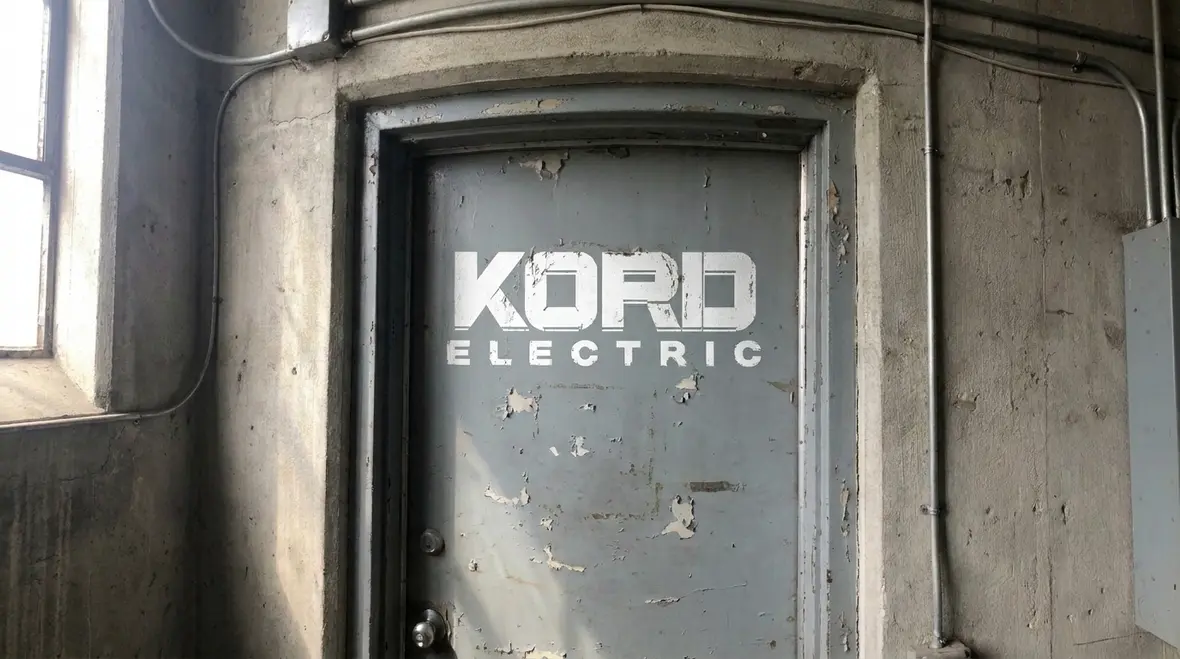
To understand the value, we start with the purpose. These NFPA 70 Section 669.7 electrical room warning signs communicate key facts about electrical hazards before anyone steps inside. As a result, they support safe behavior during normal operations, maintenance work, inspections, and emergency response.
In practice, warning signs reduce confusion. They help facility teams and contractors recognize that a specific room holds energized equipment or other hazards that require proper training and procedures. Therefore, they support a safer work flow even when multiple vendors rotate on and off a site.
Here is the calm truth: signs do not replace locks, labels, training, or procedures. However, they reinforce all of that. So, when our technicians explain requirements on site, we connect the dots between the written code and the real world. We keep it simple: if a room contains electrical equipment, people need clear, consistent directions.
How the NEC 2026 approach impacts commercial and industrial electrical rooms
The National Electrical Code, NFPA 70, evolves to match how buildings actually work. Accordingly, major property buildings face shifting electrical needs: higher loads, more sensitive equipment, and more connected systems. As these changes grow, safety and clarity must keep up.
Our team follows NEC guidance because commercial and industrial facilities operate at a different pace than homes. You deal with planned outages, shared infrastructure, and fast-paced maintenance windows. And yes, sometimes the maintenance window starts with a line like, “We have about two hours.” In those moments, clear electrical room rules help teams stay aligned.
We also look at how the code ties warning requirements to the broader safety framework: safe access, proper identification, and expectations for who can enter and why. Even when a facility has strong policies, inconsistency across rooms can lead to mistakes. So, we help organizations standardize signage and labeling across critical electrical spaces.
For facility leaders who want a deeper code backdrop while they plan signage, resources like Understanding NFPA 70: The National Electrical Code Explained for 2026 and other NEC-focused guides on the Kord Electric blog keep the big picture in view while we handle the details on site.
Step by step: implementing compliant warning signs and labels
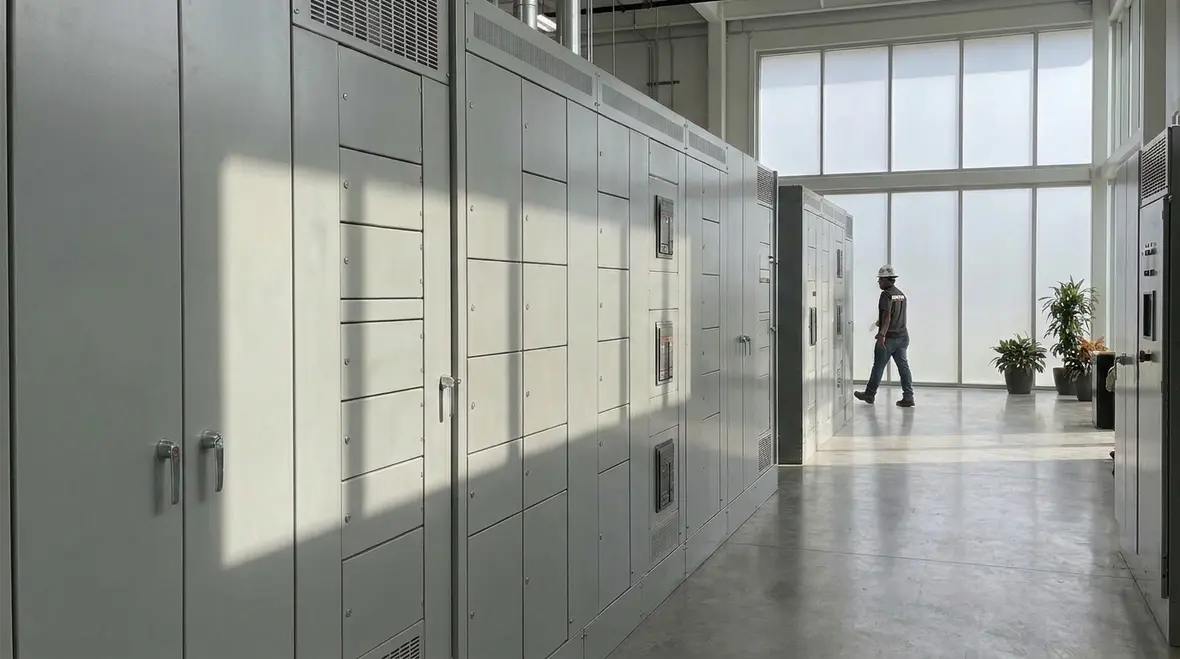
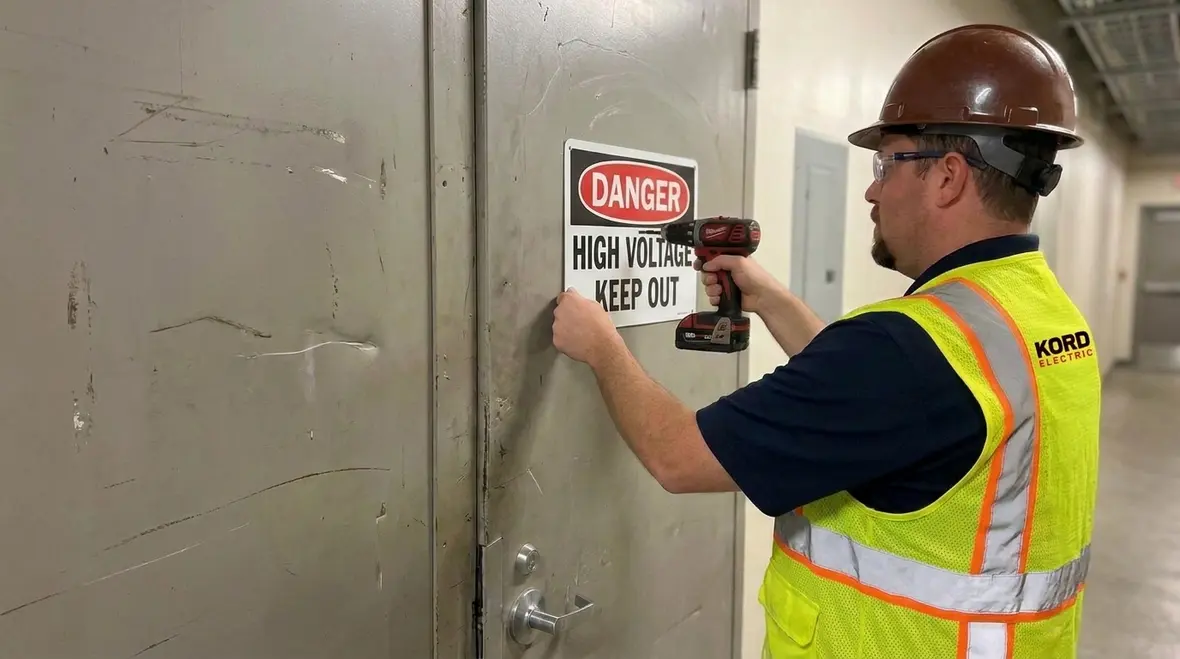
When Kord Electric supports a facility, we do not just install signage. We verify, plan, and explain. Our technicians walk through the electrical room environment, confirm what equipment is present, and align signage with the actual layout and access points.
First, we identify the electrical room boundaries and entry points. Then we match the signage intent to what workers need at the moment of approach. After that, we review related identification practices, because a room can have warning signs but still fail if labels and procedures conflict.
To keep it practical, our expert service staff often uses a “before and after” checklist for clients. We show what a worker sees from the hallway, what they see on entry, and what they see once the door is open. This approach reduces surprises and prevents the “I thought it was the other room” problem that shows up more than anyone wants to admit.
Finally, we document what we install and why. That way, building teams can keep compliance consistent during future renovations, tenant changes, or contractor rotations. For multi-site operators and major property buildings, that documentation helps align internal standards across campuses instead of reinventing the rules in each location.
Coordination with fire safety teams and electrical risk planning
Electrical rooms exist beside many other life safety systems in commercial and industrial buildings. Therefore, strong safety planning includes coordination with fire protection, alarm systems, and emergency procedures. When electrical hazards are clearly marked, fire teams and emergency responders understand the space faster.
In many facilities, our electrical work connects to the same operational concerns that drive fire safety planning. For example, the presence of electrical equipment affects how teams manage response routes, suppression decisions, and system isolation. So, we support the bigger picture with clear room communication.
We also pay attention to how fire pump systems and fire protection equipment interact with electrical infrastructure. Websites like firepumps.org highlight the importance of reliability and proper electrical supply for fire protection systems. Meanwhile, we reinforce that correct electrical room identification helps reduce delays during incident response.
To keep alignment strong, we encourage facility managers to involve both electrical and fire safety leaders early. That way, signage, procedures, and system labeling support the same goal: safe, calm actions under stress. Our team often references internal resources and public guidance from partners like Kord Fire so that electrical room practices and fire protection strategies stay synchronized instead of competing for attention.
Common mistakes we see in major property buildings
Even strong teams can miss details. However, we see patterns, and we address them before they become incidents. First, some facilities treat electrical signage as a one-time task. Yet buildings change, equipment gets upgraded, and door access can get reconfigured. So, the signage must stay accurate.
Second, facilities sometimes place warning signs in ways that do not help people. For example, signs might exist, but workers cannot see them from the approach route, or the door opens into a view that hides important details. Our technicians correct this by aligning signage with real access behavior.
Third, labels can drift out of sync with the actual electrical distribution. When that happens, workers may rely on old information. Naturally, that risk grows when multiple contractors share the site.
Finally, some teams assume that “someone else” handles compliance. We do not do that. Our staff works with clients to create clear ownership for electrical room communication, so the building does not turn into a mystery novel where every chapter adds a new clue. Instead, responsibilities stay visible, and NFPA 70 Section 669.7 electrical room warning signs become part of a predictable safety rhythm rather than a last-minute scramble.
Quick guidance: what facility managers should document
To keep compliance and safety strong, we recommend a simple documentation routine. This helps managers stay ready for inspections, internal audits, and contractor work.
- Electrical room entry points and access control details
- Warning signage locations and visibility checks
- Equipment description in each electrical room
- Labeling consistency across distribution and panels
- Maintenance and upgrade notes that affect room usage
- Training references for authorized personnel
- Isolation and emergency procedures summary
- Coordination contacts for electrical and fire safety teams
- Inspection history and corrective actions
- Contractor access rules for major propertie buildings
When we review documentation, our technicians explain gaps in plain language. As a result, facility managers can make decisions quickly, and contractors arrive with fewer questions and better safety habits. In many Los Angeles County projects, we pair this documentation review with broader electrical planning support from our Los Angeles County electrical services team, so signage, load calculations, and equipment upgrades move forward together instead of in disconnected phases.
FAQ
Conclusion: let Kord Electric keep your electrical rooms clear and safe
If your commercial or industrial facility wants fewer surprises and stronger safety habits, Kord Electric is ready to help. We support major property buildings with expert service, practical implementation, and clear explanations from our technicians. We review room access, signage placement, and labeling consistency so your team can move faster and safer. Reach out to us to schedule an on site assessment and get a compliance plan your staff can actually follow. Because when safety is clear, everyone breathes easier.
Whether you are updating a single electrical room or coordinating a multi-building portfolio, our team aligns NFPA 70 Section 669.7 electrical room warning signs with the NEC structure you already rely on and the local enforcement realities you work under. From code education resources on the Kord Electric blog to in-field verification, we turn written requirements into doors, labels, and procedures your staff can trust.
And if you are planning broader upgrades, you can connect this work with larger NEC-focused initiatives, from disconnecting means and service equipment barriers to calculated load reviews and wiring integrity checks. Our technicians and expert service staff keep the tone calm, the explanations clear, and the outcome focused on one thing: electrical rooms that do not surprise anyone on a busy day.


