
NFPA 70 Section 675.1 Irrigation System Scope Guide
At Kord Electric, we help commercial and industrial facilities, and major property buildings, stay safe and code compliant. In the first part of this guide, we focus on the NFPA 70 Section 675.1 irrigation system scope and what it means in real life. Specifically, this scope sets boundaries for what rules apply to irrigation system wiring, components, and related electrical parts. Then, we connect those rules to how our expert service staff and technicians actually work on job sites, from design review through final testing. And yes, we keep it clear, because electrical code should not feel like a mystery novel where the wiring is the villain and the hero is… paperwork.
What NFPA 70 section scope covers for irrigation systems
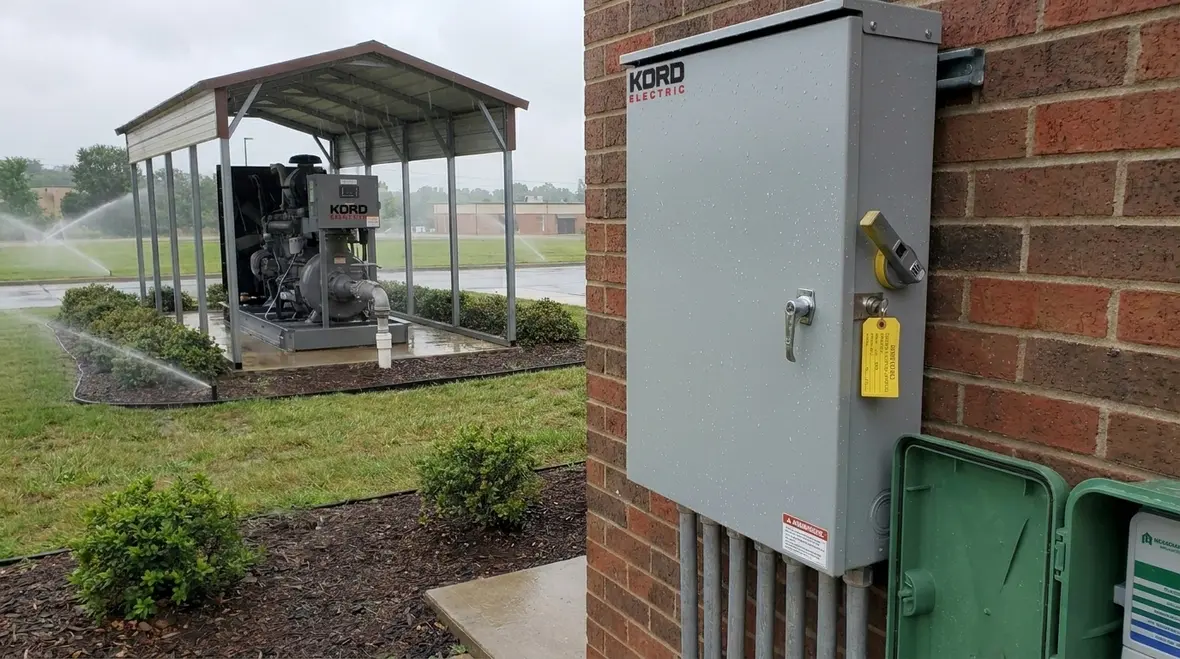
When teams plan an irrigation system, they often focus on zones, controllers, and water flow. However, we know the electrical side can make or break the whole project. NFPA 70 Section 675.1 irrigation system scope helps define the boundaries for the electrical requirements applied to irrigation system components. For commercial and industrial sites, the irrigation circuit is rarely “just a few wires.” It can include power feeds, disconnects, control equipment, grounding, bonding, and connections to pumps or valves that sit in outdoor areas.
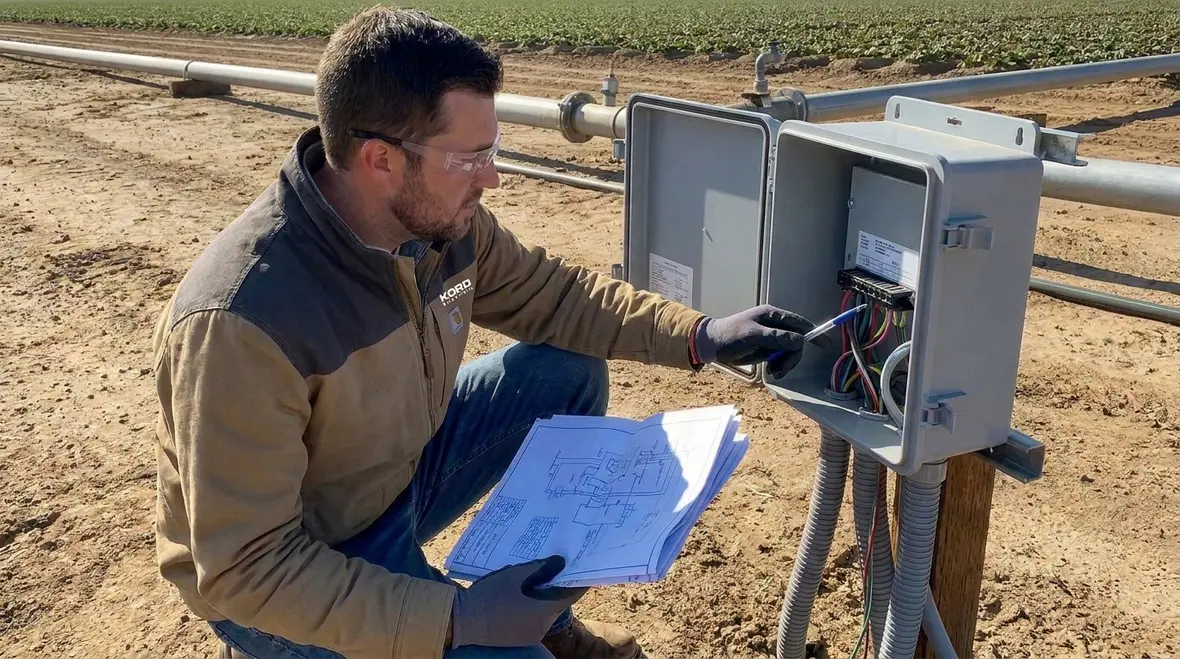
In practice, our technicians first identify the system’s electrical structure. Next, we confirm how the wiring routes, where terminations land, and what protection methods apply. Then we check the environment, because the weather does not care if the spec sheet says “temporary.” If the system runs near wet surfaces, in sprinkler spray, or around irrigation equipment buried or exposed to moisture, the code expectations for safe installation get more serious.
For facility teams that want a broader background on how the National Electrical Code shapes everyday electrical work, our engineers often recommend reviewing our NEC overview piece, Understanding NFPA 70: The National Electrical Code Explained for 2026. It pairs well with this focused look at irrigation systems because it puts Section 675.1 in the larger context of wiring, protection, and inspection expectations across a whole facility.
How the NEC ties together protection, grounding, and safe use
The NEC, commonly referred to as NFPA 70, does not treat safety as a single rule you read once and then forget. Instead, it builds a chain of requirements that work together. For irrigation circuits in commercial and industrial buildings, we focus on three areas: protection, grounding, and reliable connections.
First, protection means selecting devices that interrupt faults before equipment becomes a fire risk. This includes how circuit protection coordinates with the wiring method and component ratings. Second, grounding and bonding help keep exposed conductive parts at safe electrical potential. That matters in outdoor spaces where a human touch can happen, sometimes at the worst time, like when someone is carrying a clipboard and pretending they are not in a hurry.
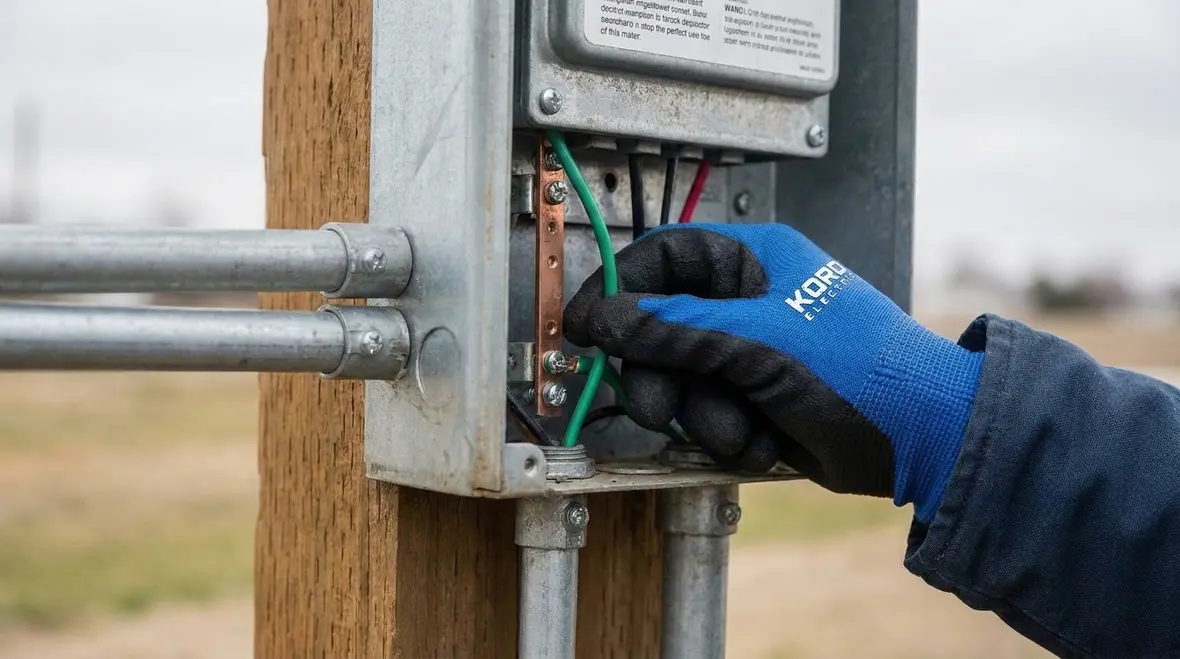
Third, reliable connections keep resistance low and help prevent overheating at terminations. We also confirm that device enclosures, fittings, and conductors match the moisture and physical exposure level. Our expert service staff explains these points in plain terms during site walks, because maintenance teams need to understand not only what we installed, but why we installed it that way.
Understanding wiring methods for outdoor irrigation equipment
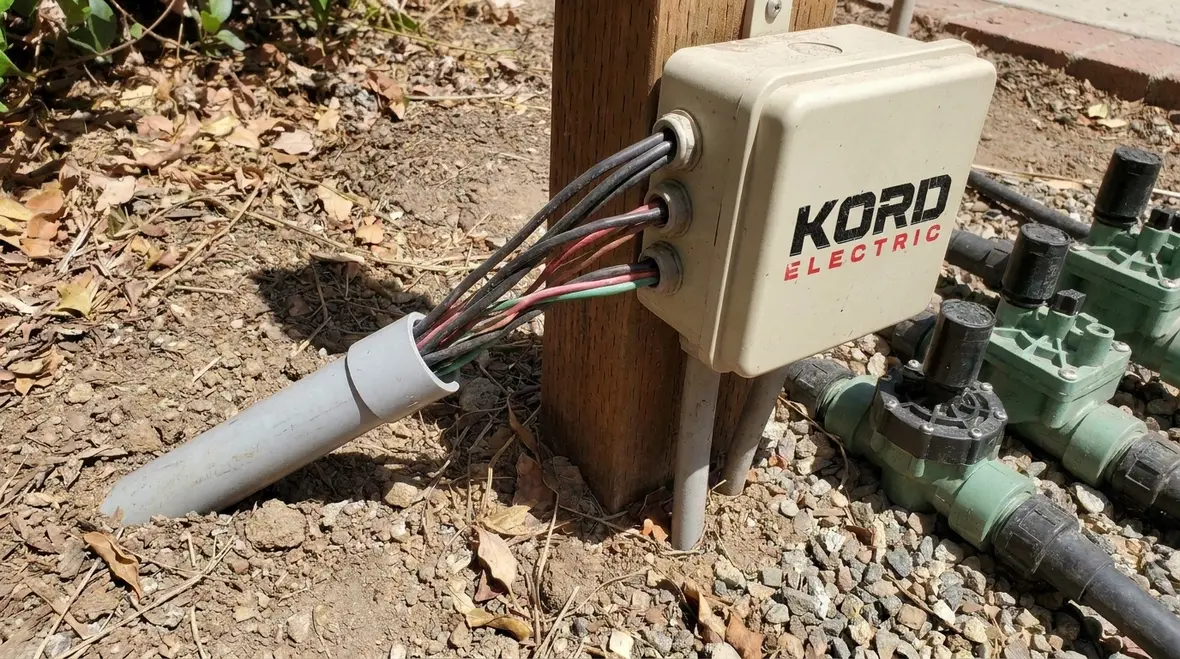
Outdoor irrigation equipment lives in a harsher world than most indoor electrical rooms. Consequently, the wiring method needs to protect conductors from moisture, corrosion, impact, and abrasion. We look at how the cables travel from the electrical source to control panels, solenoid valves, and pump systems when applicable.
Our approach starts with mapping the route. Then we review where the cable is exposed versus where it is protected. After that, we confirm the proper wiring type and installation practice for each section. If the system includes underground runs, we pay close attention to burial depth, physical protection, and where transitions happen at enclosures or risers.
When we coordinate this on commercial and industrial projects, we also factor in ongoing facility work. For example, landscaping staff may rework beds, maintenance crews might move access panels, and contractors may install new hardscape. Therefore, we install with the expectation that the site will change. In other words, we build for the real world, not just the drawings.
Lightning, pumps, and controllers: where trouble often starts
On large properties, irrigation systems can include pump circuits, control relays, and smart controllers tied into building operations. Moreover, these components face surges caused by lightning, switching events, and power disturbances. While the water side of the system gets attention, electrical transients can damage control electronics and create faults that lead to downtime.
We help facilities plan for this by examining how the system connects to the building’s electrical service and how surge and transient risks are managed. For example, we verify correct installation practices for pump starters, disconnects, and control wiring routes. We also check separation between power conductors and control conductors when required, because mixing them loosely can turn a stable controller into a temperamental drama queen.
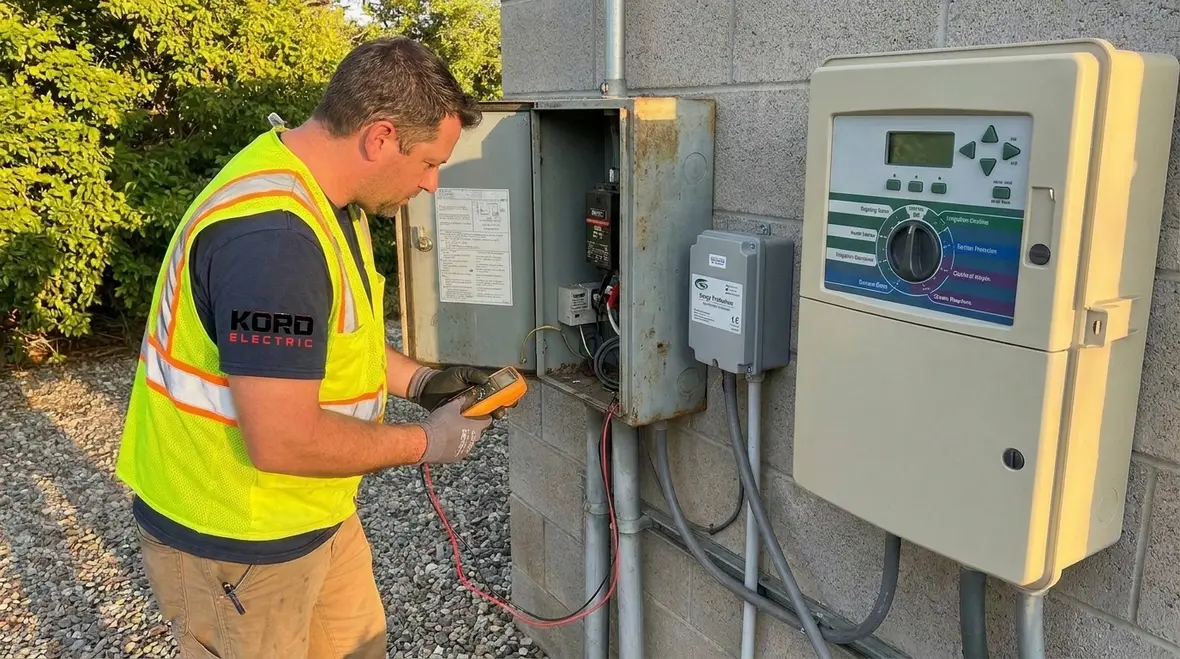
Our technicians often handle these issues before they become costly outages. First, they inspect the equipment location and enclosure rating. Then they verify terminations and torque quality. After that, they test operational behavior under normal conditions. When something looks off, we troubleshoot like professionals, not like internet commenters. That means structured checks, documented findings, and clear corrective actions.
Meeting commercial requirements for disconnects, labeling, and maintenance access
In commercial and industrial facilities, safe operation depends on more than wire choices. It also depends on how people service the system. Therefore, we focus on disconnecting means, accessibility, and clear labeling. In sprinkler and irrigation environments, equipment may require periodic checks, cleaning, valve replacement, or pump service. If access is poor, maintenance slows down and safety takes a hit.
We review the location and installation of disconnects and ensure the system supports safe isolation during servicing. Next, we confirm enclosure and cover integrity so moisture and debris do not become an unplanned “third component.” We also help teams define a practical maintenance path, because a code compliant install that maintenance staff cannot access quickly is like a fire extinguisher hidden behind a stack of chairs.
Our expert service staff also explains labeling expectations in terms facility teams actually use. We advise on how to label breakers or disconnects and how to mark control panels so technicians can diagnose issues fast. For large properties, this reduces downtime and helps maintenance crews work safely and efficiently.
Testing, inspection, and documentation for real compliance
After installation, compliance is not complete until testing and verification happen. We support commercial and industrial facilities with structured checks that confirm insulation integrity, correct polarity, grounding continuity, and operational performance. Then we document results so your team has traceable records for internal audits, warranty needs, and future troubleshooting.
We also coordinate with project timelines. If a property needs irrigation service tied into landscaping schedules, we stage testing so the system is ready when crews arrive. Meanwhile, our technicians verify that field changes did not create gaps in safety practices. And yes, sometimes a “small change” happens in the field, and it is never truly small. That is why we confirm again before sign off.
To keep projects smoother, we explain test steps in plain language. When others on site understand what we are doing and why, fewer people second guess the process. It also helps prevent rework caused by unclear handoffs between trades.
Practical guidance for aligning design and installation
In major property buildings, irrigation electrical work often involves multiple teams. Therefore, we recommend aligning design requirements and installation practices early. Start by confirming what the project drawings call for regarding circuit routing, equipment locations, and protection. Then review how the electrical plan matches the actual field conditions.
Next, we encourage facilities to plan a short pre installation meeting. During this meeting, our technicians and expert service staff review key parts of the irrigation system electrical layout, including how wiring transitions from protected to exposed areas, how equipment enclosures route to conduits, and how the system ties into the broader electrical environment. This is where we prevent future issues, because the code you follow on paper still needs to survive real rain and real foot traffic.
Also, we remind teams that irrigation systems are not static. As landscapes evolve, zones change, and controllers get updated. When those changes happen, the electrical side should get evaluated too, not just the software or valves. Otherwise, the system quietly drifts out of safe operation.
Dual column checklist for installation readiness
Before we install
- Review the irrigation system electrical layout, including routing and transitions
- Confirm equipment ratings for outdoor wet environments
- Verify protection strategy and disconnect locations
- Plan access paths for maintenance and safe isolation
After we install
- Test circuits for safe electrical integrity and correct behavior
- Verify grounding and bonding practices
- Inspect terminations, enclosures, and fittings
- Document results for compliance and future service
FAQ
Conclusion and call to action
Electrical safety for irrigation systems on commercial and industrial properties cannot be treated like an afterthought. We at Kord Electric align installation details with NFPA 70 requirements, test for safe performance, and document results so your team can maintain confidence. If your facility is planning new irrigation work, upgrading controllers, or troubleshooting repeat faults, contact us. We will review the scope, coordinate the electrical plan, and help you move forward with calm, clear compliance that holds up in the field.
If you need support beyond irrigation systems, our team also provides comprehensive Los Angeles County commercial and industrial electrical services, from power quality and emergency backup design to smart lighting integration and data-driven electrical planning. We align each project with NFPA 70 and local requirements so your facility can operate safely, reliably, and with fewer surprises.


