
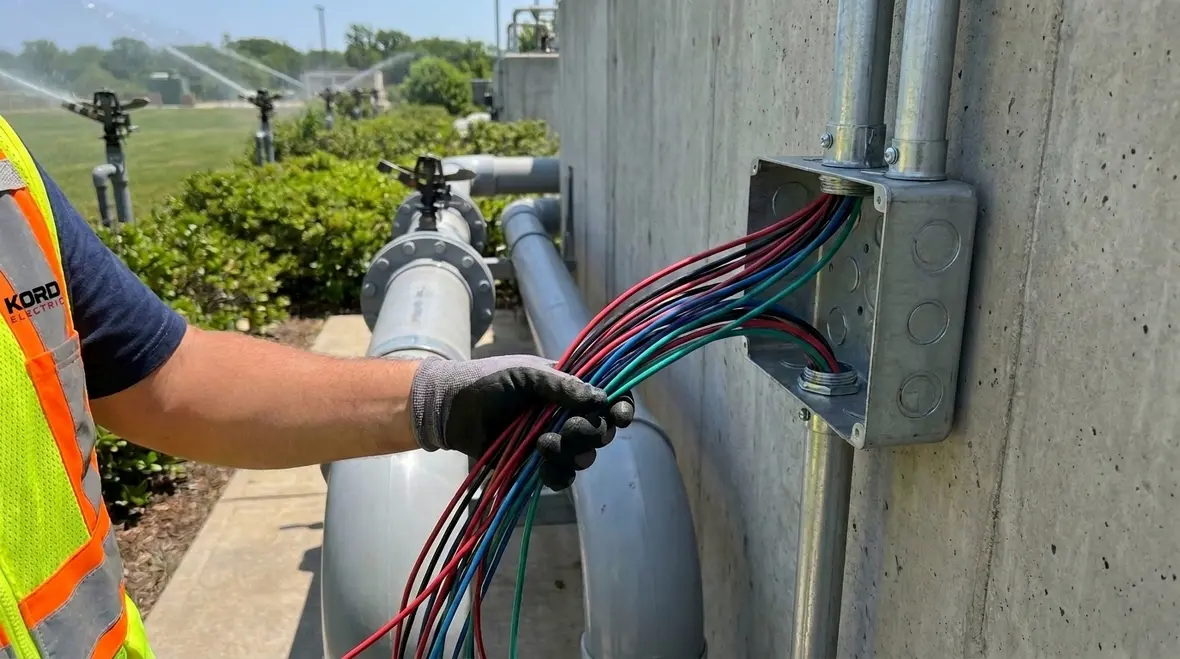
NFPA 70 Section 675.5 Irrigation Conductor Fill Guide
At Kord Electric, we keep our commercial and industrial clients safe and compliant by focusing on the details that other people tend to skip. Early on, we point our customers to NFPA 70 Section 675.5 irrigation conductor fill because it sets expectations for how conductors should be sized and routed in irrigation related wiring. That section matters because conductor fill affects heat, insulation stress, and how reliably systems run when the site is busy and the weather does its usual chaos. In this guide, we explain what the National Electrical Code calls for, why the rule exists, and how our expert service technicians check the real world conditions at your facilities. If you are thinking, “Great, another code lecture,” relax. We make it practical. Even the building engineers usually relax by the end, because we show the “why,” not just the “what.”
National Electrical Code basics for commercial sites
The National Electrical Code, often called NEC, sets minimum electrical safety rules for installations across the United States. We focus on commercial and industrial facilities because those sites often run longer hours, add loads over time, and demand predictable performance across many circuits. In turn, the NEC helps us reduce risk around shock, fire, and system failure.
Importantly, the NEC does not just tell you what to buy. It tells you how to install it, how to route it, and how to keep conductors within safe limits. Therefore, when our technicians inspect a site, we look at more than just the breaker. We track conductor paths, conduit sizes, fittings, burial depth when relevant, and how the installation supports long term use.
When teams treat the NEC like a mystery novel, they often miss the “plot points” that cause problems later. So instead, we break the story into steps you can follow, and we connect those steps to the exact requirements your electricians must meet.
NFPA 70 Section 675.5 and irrigation conduit reality
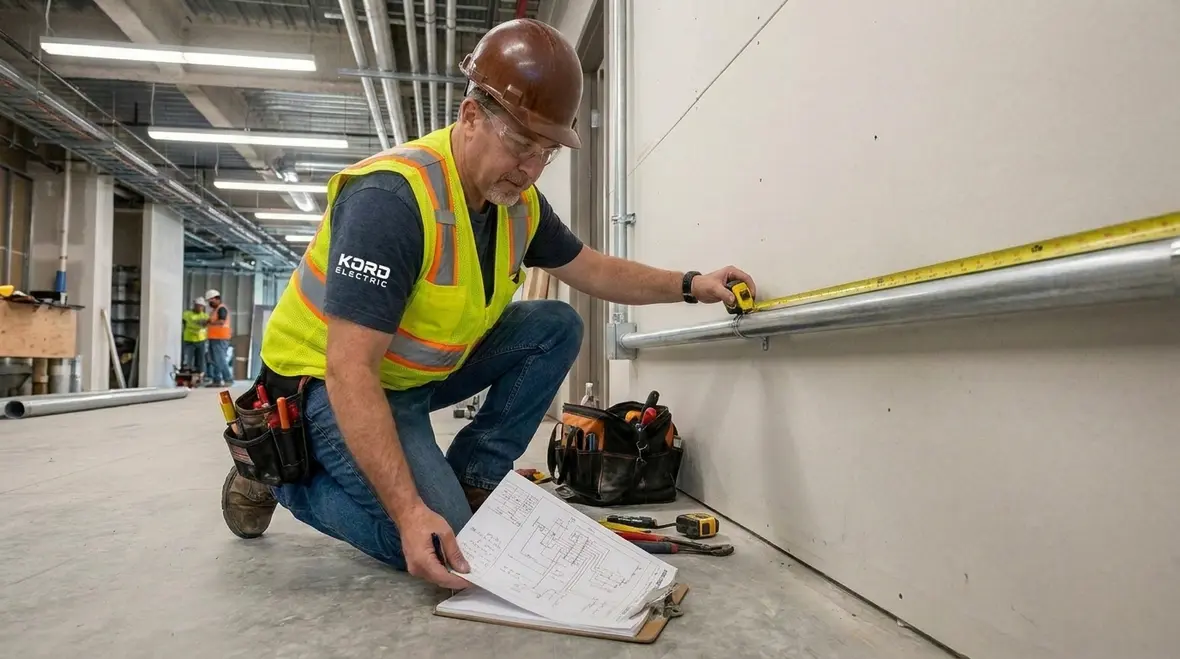
Now we get specific, because specificity is where compliance gets earned. NFPA 70 Section 675.5 irrigation conductor fill addresses how many conductors can be placed inside a raceway or conduit for irrigation related wiring. Conductor fill rules exist for a reason. If you overfill the conduit, you trap heat, stress insulation, and make installation harder. Also, pulling additional conductors later becomes a nightmare, and nobody wants a “future replacement” project that turns into a months long drama.
Here is how our expert service staff frames it. We start with the conduit size and type, then we count the conductors that will share that space. After that, we compare the total against the allowed fill in NFPA 70 Section 675.5 and related NEC guidance. From there, we confirm how the raceway actually gets installed at the site, including bends, fittings, and whether the conduit runs stay aligned with code friendly methods.
In our experience at Kord Electric, many failures do not come from ignoring the rule completely. They come from “almost right” conduit fill values, improper conduit selection, or changes during construction when the design team moves faster than the electrical plan. Our technicians catch those mismatches early, before they become expensive rework.
Also, if the project includes irrigation control wiring that shares pathways with other conductors, we help stakeholders separate wiring where the code requires it. This reduces confusion and keeps the pathway from becoming a crowded hallway of mixed requirements.
How conductor fill affects heat, insulation, and pulling
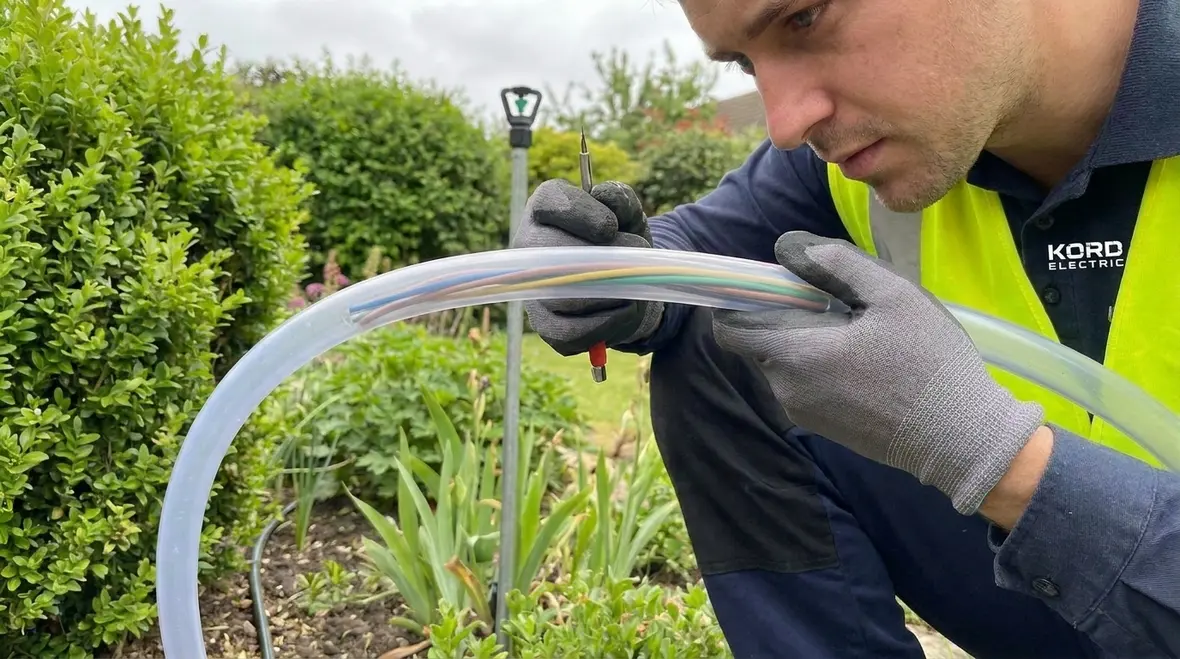
Conductor fill seems like a math problem, and yes, it includes math. However, it is really a safety and reliability issue. When a conduit contains too many conductors, heat can rise because air circulation and heat transfer drop. As a result, conductor temperature can approach or exceed design assumptions. Over time, insulation ages faster, and connections become less stable.
Then there is installation and maintenance. When our technicians pull wire through a crowded conduit, friction increases. So even if the system “works” during commissioning, the installer may damage insulation edges, stretch conductors, or create stress points at bends and terminations. Later, those stress points can show up as intermittent faults.
To keep this from happening, we follow a disciplined sequence. First, we verify the wiring plan. Next, we confirm conduit internal dimensions and count each conductor correctly, including the conductors that some teams forget when they are moving quickly. After that, we check route complexity such as long runs and tight bends. Finally, we document our assumptions so your facility team can understand what we did and why.
For commercial and industrial facilities, this process supports uptime. It also helps facilities avoid the classic “we will fix it later” habit. Unfortunately, electricity has a sense of timing. It loves to fail right when the business needs it most.
Common installation mistakes we prevent on real projects
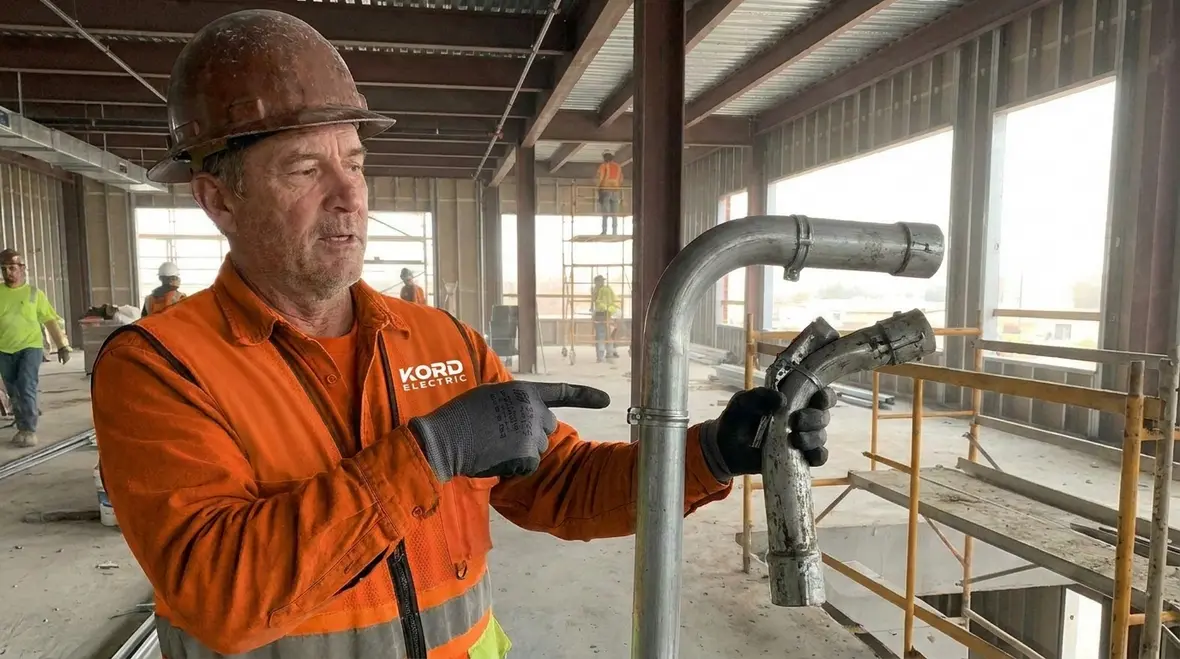
We have seen the same issues repeat across commercial builds and large property upgrades. Therefore, our technicians focus on prevention, not panic. Here are the mistakes that most often lead to conductor fill violations or related safety problems.
- Changing conduit sizes mid project: Teams swap conduit sizes without re-checking fill values. We stop that early by confirming fill after any design or field change.
- Under counting conductors: Some circuits look “simple,” so people count only the obvious wires. Our expert service staff checks the full conductor list, including control and related irrigation wiring paths.
- Using the right conduit but wrong internal conditions: Conduit sections can differ due to fittings, offsets, or internal obstructions. We verify that the installation matches the planned raceway path.
- Ignoring route complexity: Long runs and multiple bends create pulling stress and can increase practical risk even when math looks acceptable. We plan for both compliance and installability.
- Mixing system functions in ways that create confusion: When irrigation, controls, and power share routing without clear separation, it can lead to later changes that break the original design logic. We help structure paths so updates stay safe.
Also, when a project touches fire protection systems, customers often ask about how NEC requirements interact with fire code practices. While our core work centers on electrical compliance, we coordinate with fire related stakeholders as needed. For teams reviewing code references like those discussed on Kord Fire sites and practical fire resource materials such as FirePumps, we make sure electrical routing does not undermine the fire plan.
Coordinating NEC compliance with property systems

Commercial and industrial facilities usually have many systems running together: access control, site lighting, pumps, HVAC support loads, and irrigation control. Consequently, NEC compliance must work inside the whole property design, not as a standalone checklist.
When we install or upgrade, we help your facility team align electrical scope with the site plan. We consider where irrigation wiring routes, how it meets control panels, and how it connects to the rest of the electrical infrastructure. Additionally, we confirm labeling and documentation so maintenance crews can trace circuits without guessing.
That coordination reduces downtime when seasonal operations change. It also supports audits and future upgrades, because your installation records reflect the actual design choices. At Kord Electric, we treat documentation like a live asset, not an afterthought.
Need a broader refresher on NEC context? We frequently see customers review public code explanations like those found on the Kord Electric blog, including Understanding NFPA 70: The National Electrical Code Explained for 2026, and Kord Fire resources such as NFPA 70 – All About the National Electrical Code (NEC) and regional context on kordfire.com.au. Even though every site differs, those guides help teams ask the right questions before we step into the field.
Featured snippet FAQ for NFPA 70 irrigation conduit fill
Note: These answers are short enough for featured snippet style, and our expert service staff can expand them during an on site consult.
Why Kord Electric keeps compliance practical for major properties
In theory, codes are simple. In practice, projects move fast, and the field does not always match the first plan. That is exactly why we train our technicians to verify the assumptions that drive compliance. Then, we document the checks so facility owners can trust the outcome during inspections, maintenance, and future expansions.
Our approach matches how large commercial and industrial sites actually operate. We plan for installability, reduce rework, and help teams avoid surprise issues related to conduit fill, routing, and long term reliability. Also, we keep communication clear, so your project managers understand what changed and what it means for the schedule.
And yes, we know nobody likes arguing about conduit fill at 4:55 pm. But if we can prevent a code correction that shows up months later, that conversation becomes a lot less painful. Electricity is not here to ruin your day. It just punishes shortcuts like it is doing community service.
Contact Kord Electric for an NEC ready irrigation wiring review
If you manage a commercial or industrial facility and you need confident electrical compliance, we are ready. Kord Electric can review irrigation related conduit and conductor routing, confirm NFPA 70 Section 675.5 irrigation conductor fill assumptions, and support your team with clear findings and practical next steps. Our technicians work with your project schedule and your maintenance goals, so systems stay dependable. Reach out to us today and we will help you get it right the first time, without the last minute code scramble.
For facilities across the region, our Los Angeles County electrical services connect irrigation conductor planning with broader commercial electrical upgrades, maintenance, and reliability work so your NEC compliance strategy stays consistent across the entire property.
If you are coordinating irrigation wiring with other infrastructure changes, our team can also align this review with broader reliability and design support outlined in resources like data-driven electrical design for commercial and industrial facilities and our electrical infrastructure upgrade planning guide, so conductor fill decisions fit cleanly into your long term electrical roadmap.


