
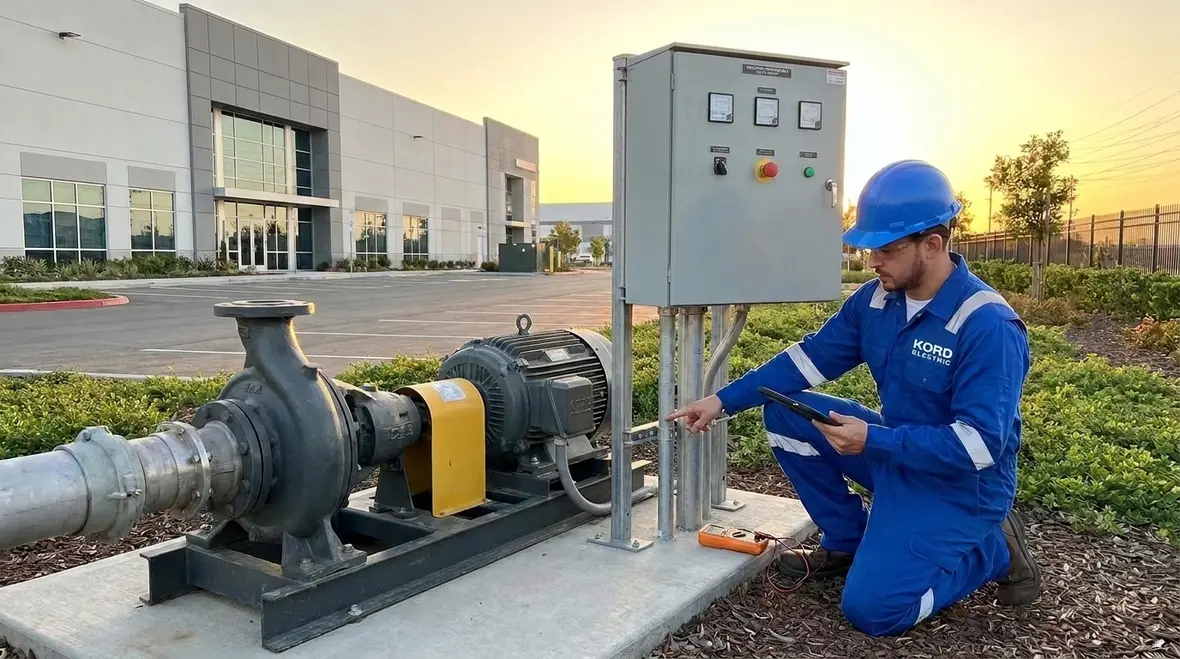
NFPA 70 Section 675.7 Irrigation Motor Current Ratings
Kord Electric understands that commercial and industrial facilities run on schedules, and electrical rules should not feel like guesswork. That is why we start with something specific: NFPA 70 Section 675.7 irrigation motor current ratings. These ratings help guide how irrigation motor circuits should be sized and protected, so motors start reliably and overcurrent protection works the way it should. In our experience, people often treat irrigation power like it is “just another circuit.” However, when a pump locks up at the wrong time, it stops being “just another circuit” and becomes the plant manager’s new favorite emergency.
In this article, we walk through the National Electrical Code basics, what it means for irrigation and other equipment, and how our technicians and expert service staff explain the details in plain language. We also connect the dots between code intent, real-world installation, and safe, long-term operation.
NFPA 70 and why commercial sites should care
Third parties often review electrical systems in commercial and industrial buildings, and inspectors tend to focus on how the design matches the code rules. NFPA 70, the National Electrical Code, sets practical requirements for wiring, equipment installation, and protection. Importantly, it also supports safer operation by standardizing how conductors, devices, and loads are handled.

For major property buildings, the goal is consistency. First, we design so circuits meet expected loads. Next, we protect equipment from overload and fault conditions. Finally, we document work so facilities teams can maintain systems with confidence. In other words, we help ensure that “it worked last season” does not become a business plan.
At Kord Electric, our technicians explain code choices during walk-throughs and commissioning. Then, when facility managers ask why something was installed a certain way, we answer with references and with logic, not vague hand-waving. Think of it as the difference between a sitcom lawyer and a real engineer.
For facility teams who want a deeper dive into the overall rulebook behind irrigation systems, we often pair conversations about Section 675.7 with our broader NEC education resources, including the article “Understanding NFPA 70: The National Electrical Code Explained for 2026”. That big-picture context makes it easier to see how irrigation rules fit into the rest of the electrical design story.
What NFPA 70 Section 675.7 covers for irrigation motors
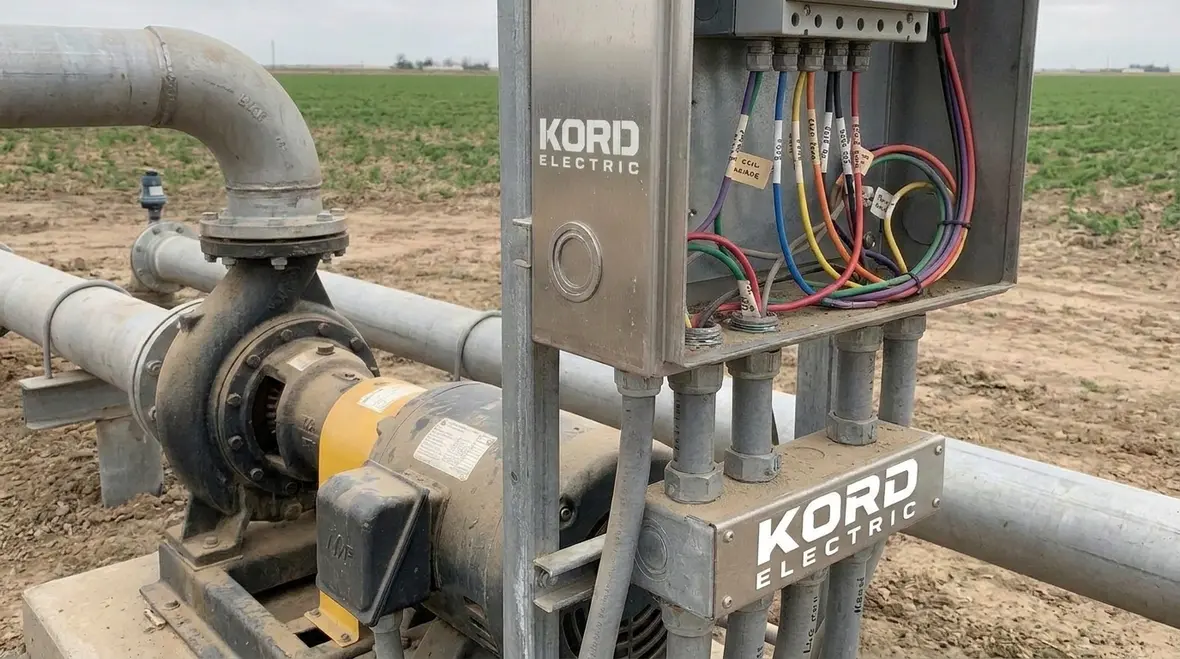
NFPA 70 Section 675.7 focuses on irrigation systems and how irrigation motors should be treated in the electrical design. In practice, this section ties into circuit sizing, protection, and motor branch requirements so irrigation equipment can run without nuisance trips or unsafe protection gaps.
When we quote NFPA 70 Section 675.7 irrigation motor current ratings, we do it for a reason. The ratings guide how we select conductor ampacity and overcurrent protective devices. That matters because motors do not behave like simple resistive loads. They draw current during starting, and if protection does not match the application, the motor can fail early or shut down when it should keep running.
Additionally, the code intent aims to prevent overheating and fire risk. Therefore, our expert service staff checks the complete setup, not just the nameplate data. We confirm motor horsepower, verify installation conditions, and align protection settings with the circuit design.
Need an easy mental picture? If you size protection like it is a toaster circuit, you will likely end up with a “toaster that hates rain.” Motors are not picky because they enjoy drama. They are picky because physics does not negotiate.
How Section 675.7 ties into the rest of your NEC plan
Irrigation motors rarely live alone. They sit inside a larger electrical picture that includes feeders, grounding, overcurrent protection, and working space rules. Our team looks at Section 675.7 alongside other NFPA 70 sections that affect commercial and industrial projects, such as conductor handling, neutral identification, and connection quality. When we plan or review irrigation systems, we apply the same disciplined thinking that appears in topics like neutral conductor rules, working space clearances, and connection quality standards across your facility’s distribution system.
Interpreting current ratings, protection, and starts
Once the irrigation motor branch circuit rules are clear, we move to how current ratings connect to real protection decisions. Most facilities understand voltage and load, but fewer people connect starting current, conductor heating, and protective device behavior.
Our technicians typically explain it like this. First, the motor draws a higher current when it starts. Then, the protective device must tolerate that start without tripping instantly. Finally, once the motor runs, normal current levels should stay within safe limits for the conductors and equipment.
We also stress documentation. When a facility later adds landscaping zones, upgrades pump equipment, or changes control logic, the wiring and protection still must match the design basis. If records are missing, teams end up troubleshooting blind. That is expensive, and nobody enjoys paying for mystery.
For commercial and industrial operations, that troubleshooting time can create downtime across multiple services. So we build systems with a clear electrical trail. We follow the National Electrical Code approach described in our learning resources and industry references, including guidance that aligns with NFPA 70 priorities for safe installations and proper equipment handling.
Why irrigation motor current ratings feel different from “just another circuit”
A lighting circuit that misbehaves annoys people. An irrigation circuit that misbehaves can undo stormwater planning, damage turf, or stress landscaping that took years to establish. That is why NFPA 70 Section 675.7 irrigation motor current ratings deserve more attention than a simple “good enough” guess. We consider how many starts per day the pump will see, what seasonal load swings look like, and how future control changes could alter operating patterns. All of that feeds into conductor sizing and overcurrent device selection, not as trivia, but as the backbone of reliable operation.
How we plan irrigation and motor wiring on major properties
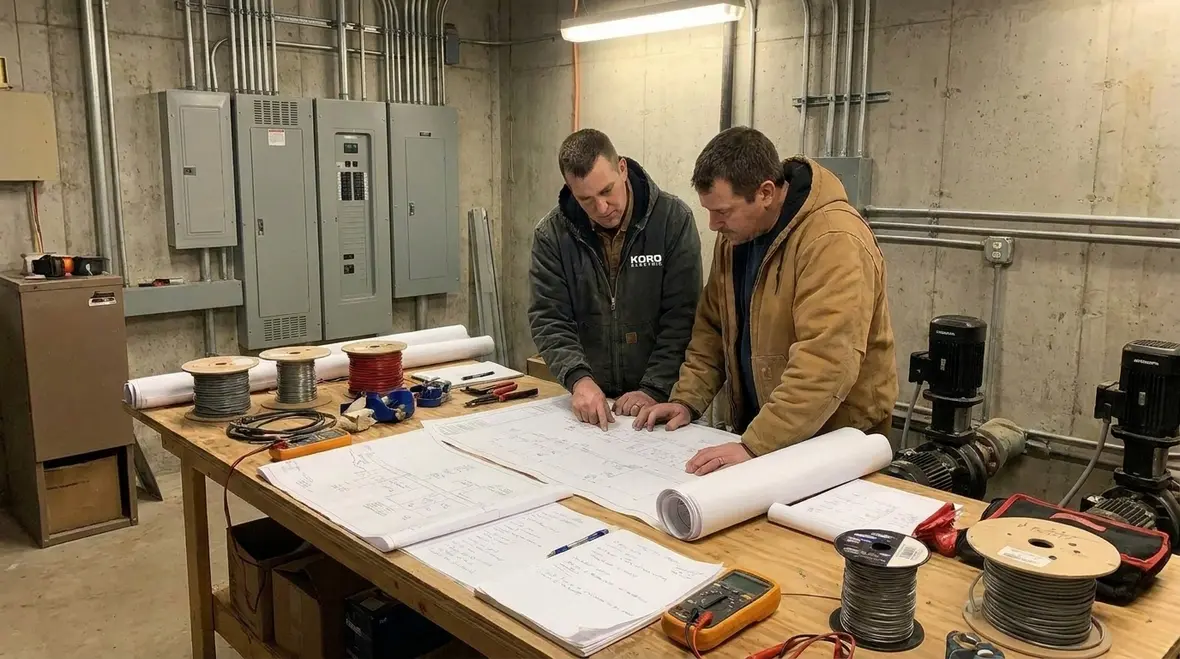
Commercial and industrial sites often include multiple zones, pumps, controls, and sometimes combined loads. As a result, the layout matters. We plan wiring pathways, evaluate conduit fill and termination quality, and confirm that devices match the environment.
Here is how we think about the job, step by step. First, we review the site equipment schedule and the motor data. Next, we evaluate the electrical room layout, voltage supply, and where motor branch circuits land. Then, we coordinate with controls and protection settings so the system starts and operates correctly across demand cycles.
We also address practical installation details. Corrosion and moisture can degrade connections over time. Therefore, we choose components and mounting methods that support long service life. In addition, we verify torque and terminations, because loose connections become heat, and heat becomes failure.
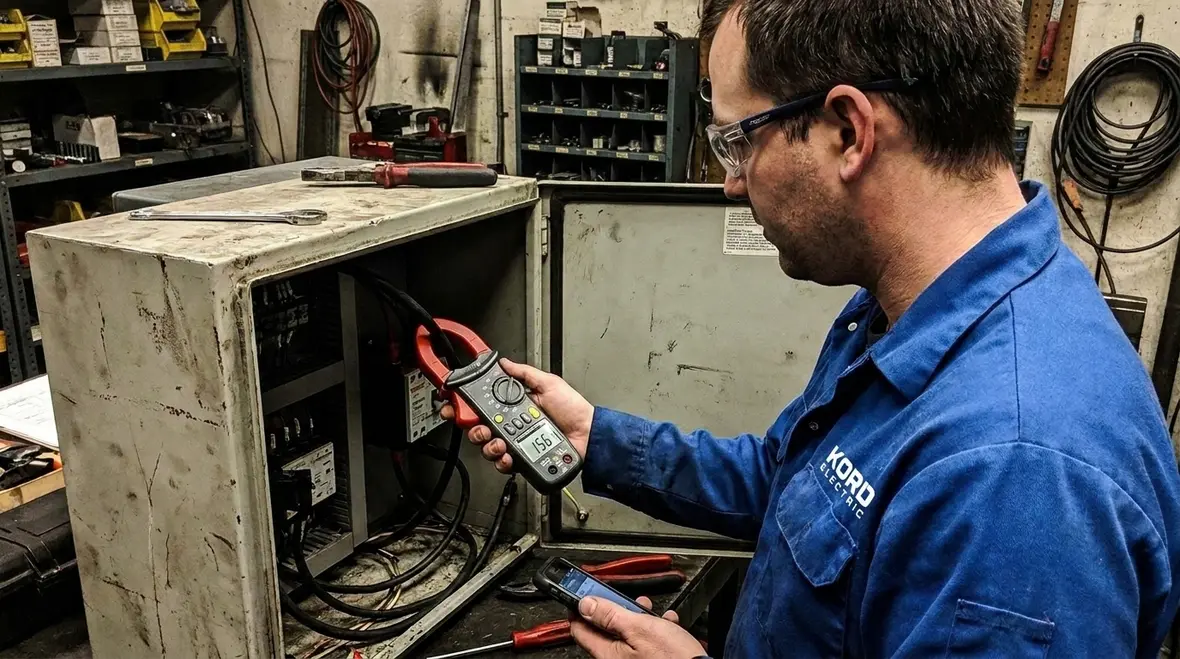
And yes, we test. We measure, we verify, and we confirm that the system behaves as designed. If a facility staff member asks, “Why did you take so many readings?” our technicians respond calmly. They take readings because electrical systems do not care about our hopes. They care about electrons.
Coordinating irrigation circuits with the rest of your distribution
Irrigation pumps draw from the same feeders and panels that support lighting, mechanical equipment, and process loads. When we design or review irrigation systems, we account for how noncoincident loads, demand factors, and feeder protection interact with Section 675.7 requirements. That means checking panel capacity, feeder protection logic, and grounding practices so a single irrigation motor does not quietly push a distribution section past its comfort zone. Our goal is a layout where pumps start cleanly, other loads keep humming, and nobody has to wonder which breaker will complain next.
Common pitfalls we prevent on commercial and industrial projects
Even when people “know the basics,” mistakes happen. Our expert service staff sees the same pattern across facilities that try to cut corners. So we focus on the issues that typically cause the most downtime and safety risk.
- Protection mismatches where the device does not align with motor behavior and safe current handling
- Oversimplified sizing that ignores starting conditions and installation factors
- Inconsistent documentation that makes future upgrades harder and more costly
- Poor termination quality that leads to heat buildup and early component wear
- Control and power coordination gaps that cause nuisance trips and unreliable starts
It is easy to treat irrigation power as a back-of-house detail. However, major property buildings live and die by reliability. If a pump fails during peak demand, it can impact landscaping, stormwater plans, and even site safety. That is not just an electrical problem; it is an operational problem.
That is why we emphasize process. We do not simply install wire and leave. We validate the system, explain what we did, and stand behind it with service support for the commercial and industrial environment.
Why “small” irrigation changes deserve serious review
One of the fastest ways to create problems is to treat irrigation upgrades as “just adding a zone” or “just swapping a pump.” When motors change horsepower, when controls shift schedules, or when new areas get tied into existing circuits, the original assumptions behind NFPA 70 Section 675.7 irrigation motor current ratings can collapse quietly. We review new loads, verify that overcurrent protection still makes sense, and confirm that conductors, disconnects, and terminations match the updated operating reality. That way, the first hot week of summer does not double as an unscheduled live-fire test for your electrical system.
Keeping systems aligned with code and safety expectations
Electrical compliance is not a one-time event. Equipment ages, loads change, and control logic evolves. Therefore, we maintain alignment by reviewing design intent during commissioning and supporting facilities after go-live.
Kord Electric approaches this with a practical mindset. First, we ensure the electrical design meets the National Electrical Code requirements for the application. Next, we verify installation quality. Then, we confirm that the system delivers safe operation under expected conditions. When changes happen later, we re-check the design basis instead of assuming “it is probably fine.”
In the broader safety space, fire and water related systems require careful integration too. For example, our team also looks at the big picture when facilities manage pumps, water flow, and life safety needs, and we apply the same disciplined logic to how electrical systems support those objectives. Industry resources like Kord Fire’s NFPA 70 explainers and related educational material highlight why pump-driven systems demand correct wiring, protection, and ongoing maintenance. When you treat these systems with respect, you reduce surprises.
Ultimately, we want facility teams to feel calm during inspections and confident during operations. That is our quiet goal, and it is why our technicians explain the “why” behind the “what.”
Connecting irrigation power to broader facility reliability
Irrigation systems might sit outdoors, but their reliability depends on decisions made deep inside your electrical rooms. Feeder protection, conductor selection, grounding practices, and connection quality all influence how well those pumps behave under stress. By treating NFPA 70 Section 675.7 irrigation motor current ratings as part of a larger reliability strategy, we help facilities reduce nuisance trips, avoid overheated equipment, and keep both landscaping and life safety plans on schedule.
FAQ
Featured snippet style answers focus on the essentials. If a facility wants the deeper interpretation for a specific site, we review motor data, circuit design, and installation conditions.
Ready for a safer, code-aligned irrigation power plan?
If your commercial or industrial property uses irrigation pumps, you deserve electrical design that matches NFPA 70 expectations, including the current guidance tied to NFPA 70 Section 675.7 irrigation motor current ratings. At Kord Electric, our technicians and expert service staff check the full picture: motor data, circuit sizing, protection, terminations, and documentation. Then we explain it in clear terms so your team feels confident.
We also look beyond the immediate pump house. Our work connects irrigation reliability with the rest of your distribution system, from feeder protection and conductor choices to working space, grounding, and connection quality. That same integrated mindset shows up across our broader NEC projects, including system upgrades, code-driven renovations, and targeted section-by-section reviews for commercial and industrial facilities.
If your property is in Southern California and you are planning upgrades, expansions, or a fresh look at older irrigation equipment, our dedicated Los Angeles County electrical services team can help you fold irrigation circuits into a broader, code-aligned power strategy. From panel evaluations to on-site testing, we build a plan that respects both NFPA 70 and your operating schedule.
Contact us for a review, commissioning support, or service verification. We help you prevent downtime before it starts and keep your irrigation power plan as reliable as the rest of your operation.


