
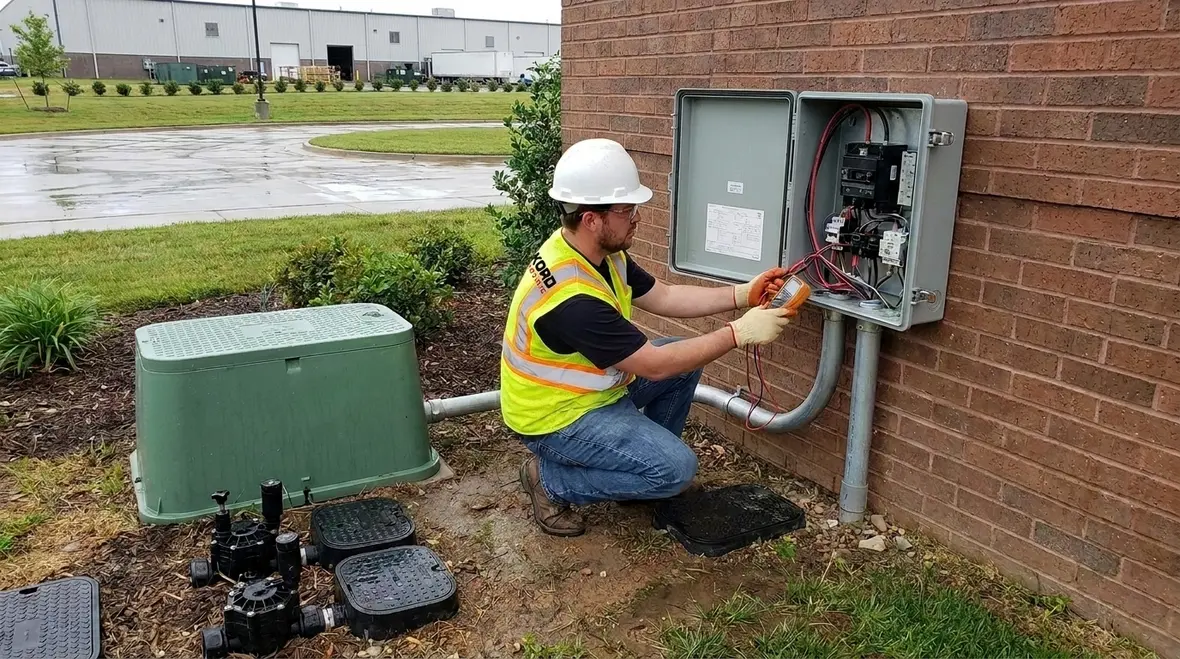
NFPA 70 Section 675.9 Irrigation Branch Circuits Explained
At Kord Electric, we help commercial and industrial facilities keep their electrical systems safe, compliant, and ready to perform when the real world shows up uninvited. In our day to day work, we often start with one detail that surprises people: NFPA 70 Section 675.9 irrigation branch circuits. That section matters because irrigation loads can look simple, yet they can create real risk when wiring, grounding, and protection do not match the rules. And once those rules break, the consequences rarely stay “small.” They grow legs, roll into other circuits, and then act like they own the place, like a rogue Roomba on a Monday.
Third party inspectors, facility managers, and our own expert service staff all want the same outcome: a system that follows the National Electrical Code and stays stable under normal and unusual conditions. So, we explain how the NEC framework connects to real jobs, how we approach design and field verification, and what you should document before anything becomes a problem.
How the NEC shapes real commercial electrical work
The NEC is not a vague set of suggestions. It acts like a clear rulebook for how electrical conductors, equipment, and protective devices work together. Moreover, it establishes minimum requirements that help reduce shock, fire, and equipment damage risks. When we plan a project for a major property building, we treat the NEC like a blueprint for safe behavior, not paperwork for later.
Our technicians review drawings, verify equipment specs, and then check the installation against code language. For example, we do not just confirm that circuits exist. We confirm that the protection, routing, and grounding practices line up with the NEC intent. If a facility runs many subsystems, we also coordinate with other trades so the final installation avoids the classic “everything fits, technically” situation. That situation is how you end up calling us again, and nobody enjoys that, even if it feels a little like a sequel nobody asked for.
Where NFPA 70 Section 675.9 irrigation branch circuits fit in
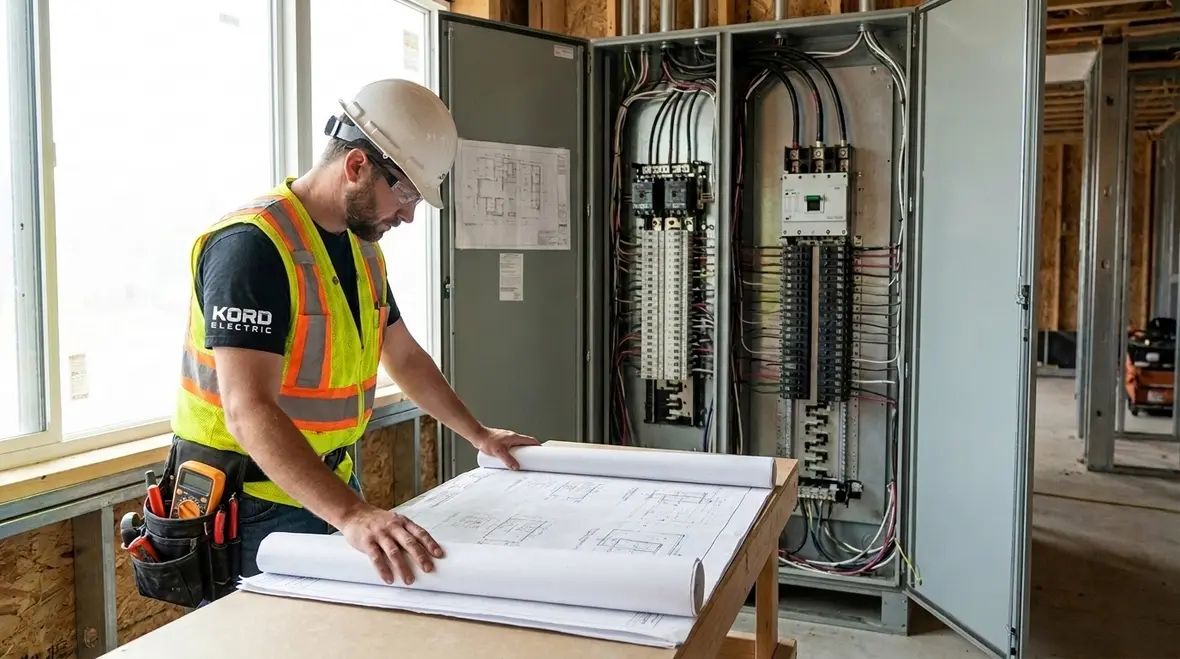
Within the NEC, the parts tied to irrigation branch circuits sit in a section that addresses safety and installation details for outdoor and related loads. Consequently, NFPA 70 Section 675.9 irrigation branch circuits becomes important for large sites that include landscaping, irrigation zones, and pumping controls. These systems often connect to electrical panels that also feed other building loads, so problems can ripple across a wider network than people expect.
Our expert service staff explains it this way. Irrigation circuits may be exposed to weather, moisture, and physical disturbance. Therefore, you must install and protect them in a way that reduces the chance of faults, shock, and fire. We typically focus on how the circuit is built, how it enters equipment or enclosures, and how it connects to protective devices. We also look for any mismatch between what the documents claim and what gets built in the field.
Even when an irrigation system seems like “just landscaping,” we treat it as part of the facility’s electrical system. After all, the code does not care whether the load brings flowers or just water. It cares how safely the power flows.
NFPA 70 and the NEC logic behind protection and grounding
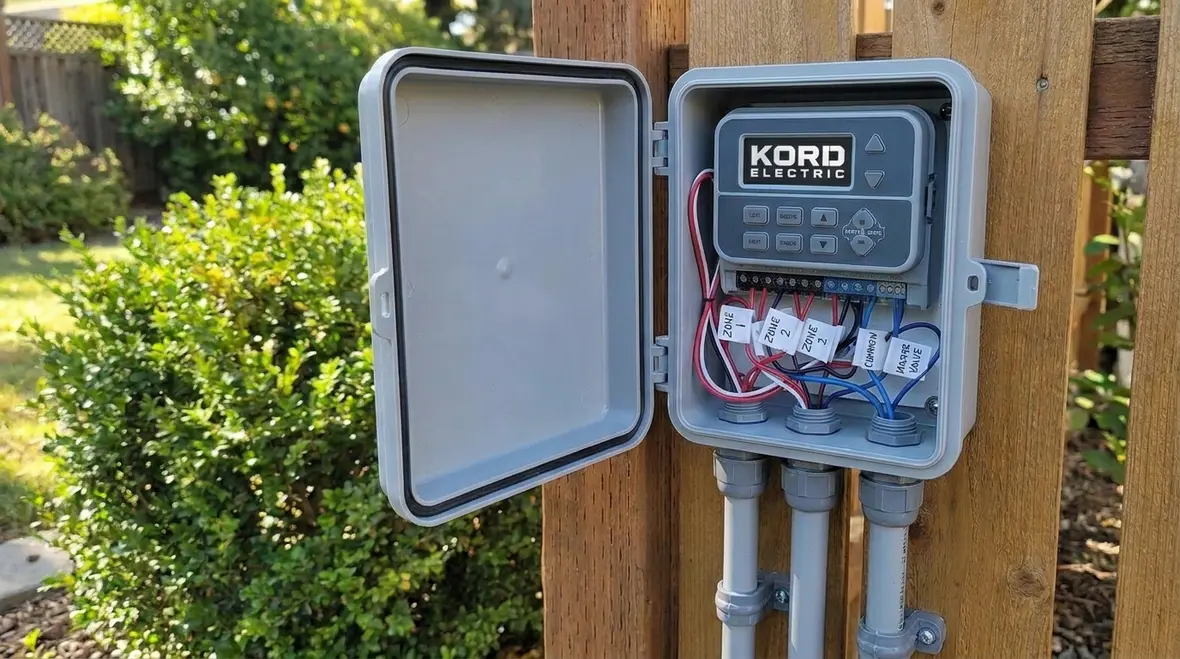
Commercial and industrial facilities need consistent protective performance. The NEC builds that consistency by linking conductors, protective devices, and grounding methods into one system. As a result, protection does not become an afterthought. It gets designed up front and verified after installation.
We often see issues when teams install gear based on availability instead of compatibility. So we slow down and check key points, including overcurrent protection, correct conductor sizing, and grounding continuity. In other words, we help ensure that when a fault occurs, the system interrupts power quickly enough to prevent overheating and dangerous conditions.
Also, we pay attention to how irrigation controls connect to the rest of the electrical layout. The control components, pumps, and related devices can create conditions that look normal until they do not. For example, a loose termination or a compromised insulation section may not fail right away, yet it can increase heating and create voltage drop over time. That is why our technicians document torque values and wiring verification where applicable, and we cross check terminations before energization.
When facility teams want to see how this thinking scales beyond one circuit, we often point them to broader NEC explainers in the Kord Electric blog, such as articles on what NFPA 70 is and how it shapes commercial electrical systems and practical guides on reading the code for 2026 planning. Those resources help connect individual requirements—like NFPA 70 Section 675.9 irrigation branch circuits—to the bigger picture of how an entire facility stays safe and predictable.
Commercial site realities: moisture, routing, and inspection readiness
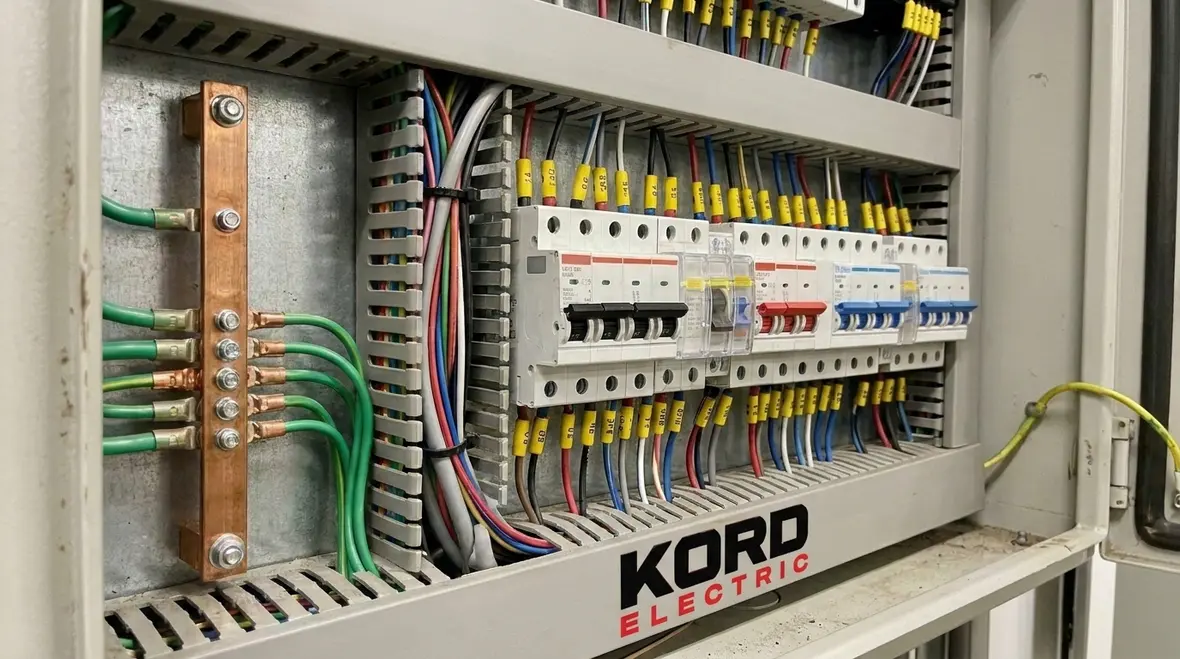
On major propertie buildings and industrial sites, irrigation circuits rarely live a quiet life. They run along paths that get trenched, walked on, driven over, or reworked during landscaping updates. Therefore, routing and physical protection matter as much as the electrical theory.
Our team handles these realities with practical field checks. We confirm that cable routing avoids sharp edges, protected segments remain protected, and terminations live in enclosures that match the environment. Furthermore, we verify that any splices and connection points follow proper practices, since moisture and corrosion love weak spots.
Meanwhile, inspection readiness becomes a business advantage. If a facility can show clear documentation, test results, and a consistent install record, the inspection process runs smoother. Nobody wants “mystery wiring” that turns into a scavenger hunt. And if you think that sounds dramatic, we have all seen how a simple request for labeling turns into a meeting that feels like it should be billed hourly.
For facilities that treat electrical and fire safety as a connected system, it also helps to align irrigation branch circuit practices with fire protection thinking. Kord Fire’s coverage of NFPA 70 and why the NEC matters for safety reinforces why even “simple” outdoor circuits deserve the same disciplined routing, protection, and documentation as life safety systems inside the building.
What our expert technicians check during installation and service
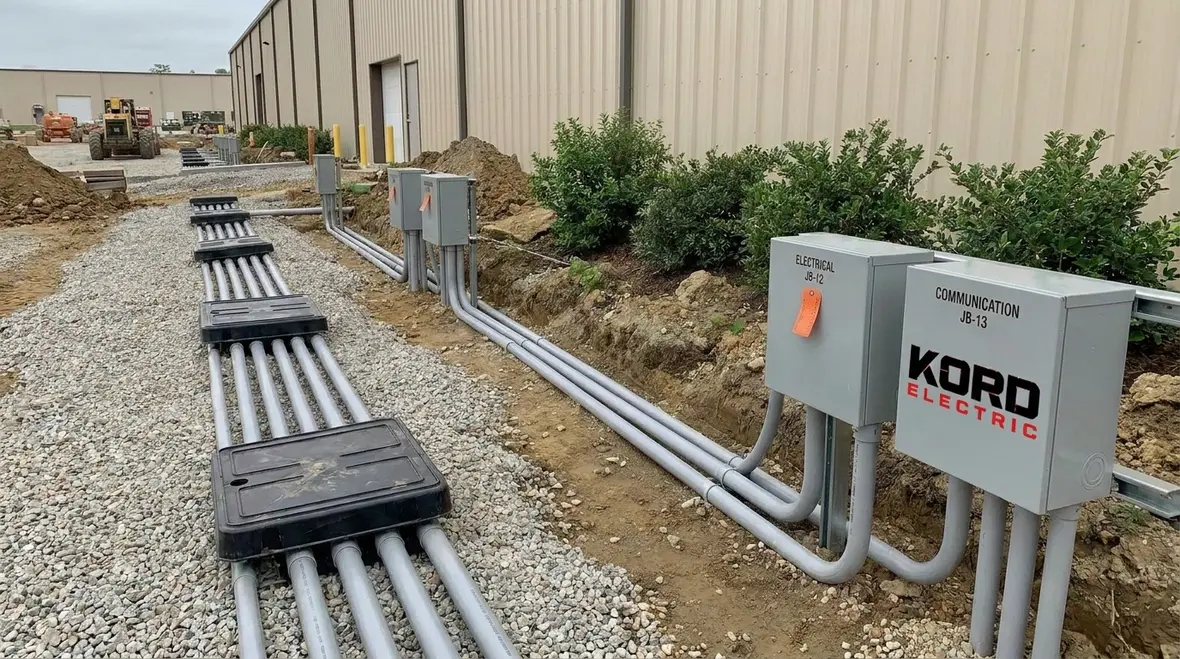
When we work with Kord Electric, we focus on outcomes that keep your operations running. Our technicians follow a repeatable approach, and our expert service staff explains each step so facility teams understand what we did and why it matters.
Here are the kinds of checks we perform on commercial and industrial irrigation branch circuits and their related components:
- Verification of circuit design details by reviewing drawings, schedules, and equipment data before any power gets applied
- Conductor and protection alignment so the circuit rating and protective device setup match the NEC intent
- Connection and termination checks to reduce heat risk and ensure reliable electrical contact
- Enclosure and environment matching so outdoor and moisture exposure do not turn into long term corrosion issues
- Labeling and documentation for fast troubleshooting and calmer inspection days
And because we serve the kind of buildings where downtime costs money, we also plan sequencing. We coordinate with facility operations so testing and energization occur with minimal disruption. We aim for a clean handoff where your team understands what exists, how it behaves, and how to maintain it without guessing.
For facilities that want this level of discipline across more than just irrigation, Kord Electric’s broader commercial electrical guides—such as their pieces on raceways, switchgear, and infrastructure modernization—show how the same logic we apply to NFPA 70 Section 675.9 irrigation branch circuits also guides panelboard upgrades, surge protection, and large system renovations.
How code awareness reduces risk across the facility
Many people treat code compliance like a one time event. However, we treat it like a living system that requires attention when equipment changes. When irrigation zones expand, controllers get replaced, or landscaping work modifies routing, the electrical setup can shift away from the intended safe configuration.
That is why we encourage facilities to maintain a record of circuit layouts, updates, and service history. When that information exists, troubleshooting becomes faster and safer. Plus, it helps your team avoid the “we did it before, so it must be fine” trap. Sometimes, “fine” means it has not failed yet. That is a popular philosophy in the world, but electrical systems are not a place to rely on luck.
When we reference code guidance, we also connect the dots between national standards and practical outcomes. For further reading, industry resources discuss how the National Electrical Code works as a whole framework. Additionally, fire and safety partners highlight the importance of proper installation practices that protect people and property. We use those insights as a reality check while we build and verify on site. You can also explore related perspectives through resources like Kord Fire and Firepumps.org for broader context on safety and code driven design thinking.
If your facility is planning wider upgrades that touch irrigation power, outdoor distribution, or service equipment, it can also help to review Kord Electric’s coverage of NEC application and scope, as well as their practical guides on how to read NFPA 70 for commercial buildings. Together, those resources show how a focused topic like NFPA 70 Section 675.9 irrigation branch circuits fits into a coordinated compliance plan instead of living as an isolated line item.
FAQ
Ready for safer, code-aligned electrical systems?
If you operate a commercial or industrial facility, you already know that electrical risk does not sit quietly. Kord Electric helps you plan, verify, and maintain installations with technicians who understand how NEC requirements connect to real site conditions. If irrigation branch circuits, control equipment, or outdoor connections touch your electrical panels, we can review your setup and support safe, inspection ready results. Contact us today, and let’s keep your facility running with fewer surprises and more confidence.
For organizations that want this level of support beyond a single project, Kord Electric’s broader Los Angeles County electrical services bring together design, installation, troubleshooting, and preventive maintenance across commercial and industrial properties. Whether you are planning new irrigation zones, upgrading panels, or modernizing your entire electrical backbone, our team can help you apply NFPA 70 consistently so today’s decisions support tomorrow’s operations.


