
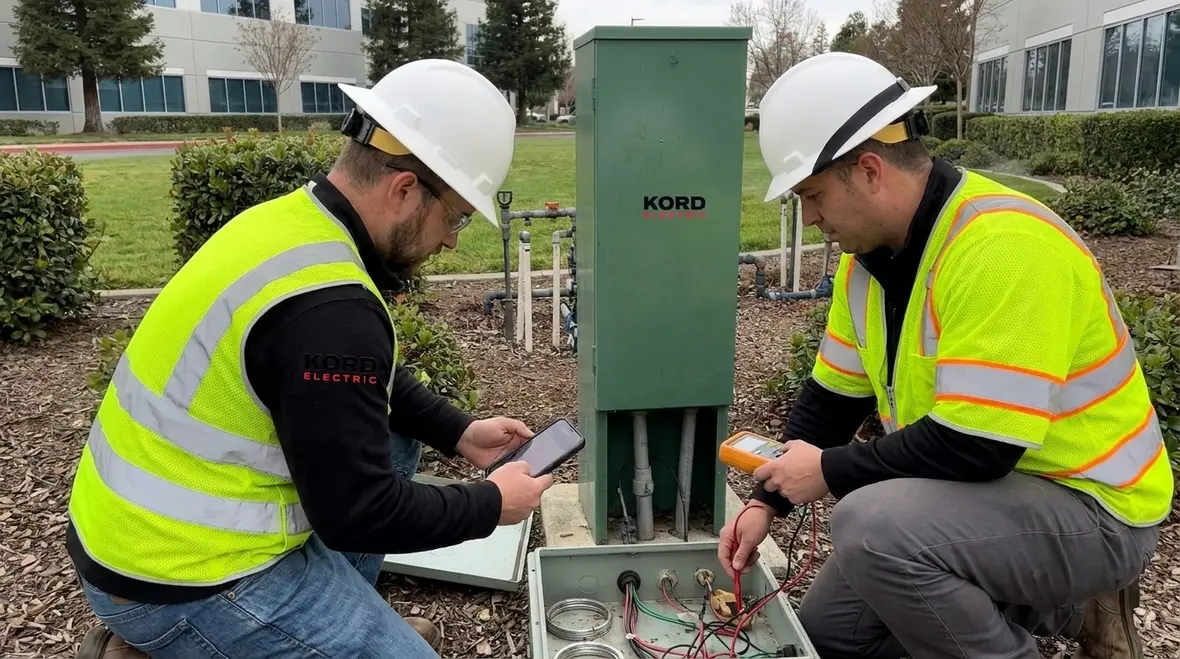
Kord Electric NFPA 70 675.11 Irrigation Collector Rings
Kord Electric helps commercial and industrial facilities stay safe, compliant, and ready for the next power demand, whether that demand comes from production lines or big property management schedules. In the first 100 to 150 words, we’ll anchor on a detail many people miss: NFPA 70 Section 675.11 irrigation collector rings. Those rings connect parts of an irrigation system in a way that supports safe operation and proper protection. Now, here is the calming truth: when we guide facilities through code requirements, we keep the process clear, not mysterious. And yes, we admit it, electrical code reading can feel like decoding a villain’s monologue from a superhero movie, but we do the heavy lifting so your team does not have to.
Why NFPA 70 matters to commercial and industrial property
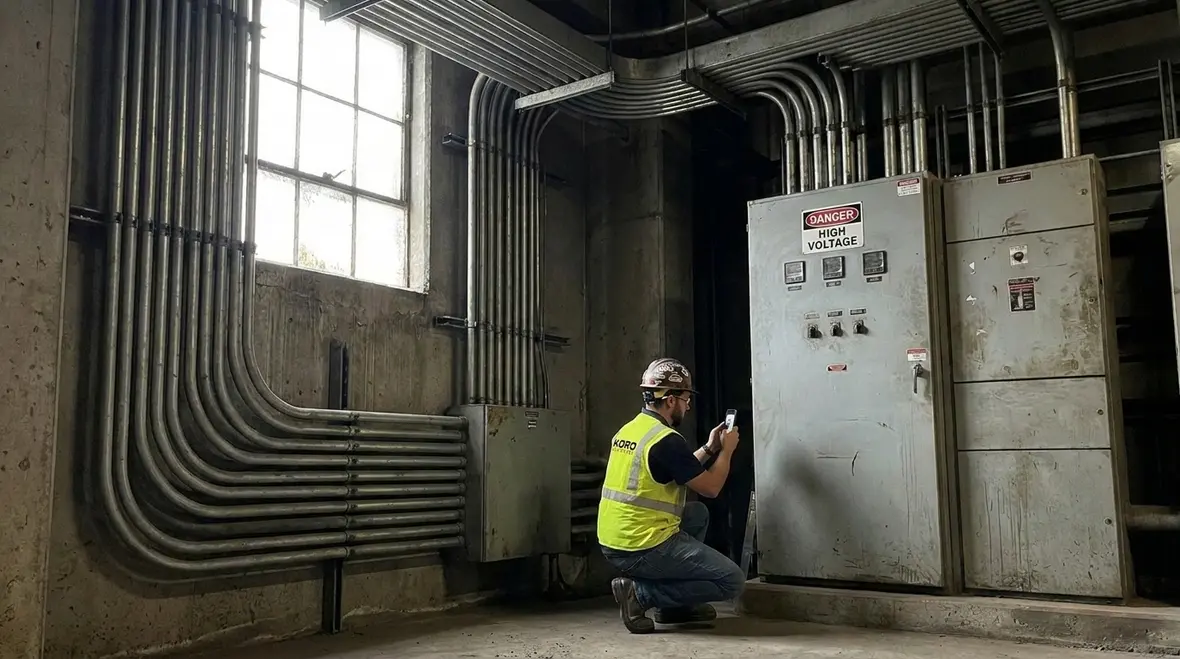
NFPA 70, often called the National Electrical Code, shapes how electrical systems get designed, installed, and inspected. For large facilities, that matters because systems do not just power lights. They run HVAC, fire pumps, controls, elevators, and sometimes specialized equipment that can’t afford a sloppy installation. As we work with other industry teams and experts, we find that compliance reduces risk and protects operations.
When someone treats code like optional paperwork, problems show up later. However, when we treat it like an operational safety plan, we help prevent shock hazards, overheating, and unsafe grounding. Our technicians and expert service staff explain the “why” behind the rules, so your maintenance leaders can make better choices during upgrades and inspections.
And because we work with major property buildings, we also factor in how tenants operate, how systems share loads, and how inspections happen across multiple zones. In other words, the code becomes practical.
If you want a deeper look at how the broader rulebook ties together, our team often points facility leaders to internal resources like our guide on understanding NFPA 70 for 2026, where we unpack how the National Electrical Code shapes decisions in commercial and industrial projects.
Where NFPA 70 Section 675.11 fits into real installations
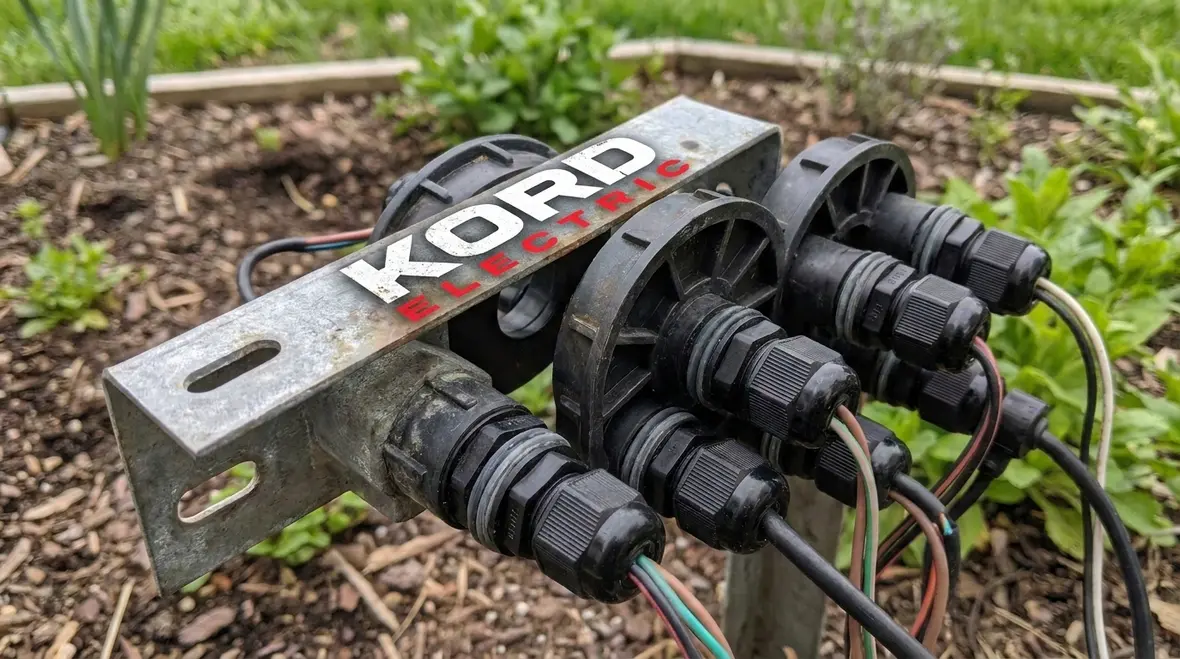
NFPA 70 includes rules for many electrical uses, and Section 675 relates to systems that use electrical conductors for irrigation and related applications. Specifically, NFPA 70 Section 675.11 irrigation collector rings addresses how collector rings get arranged and protected in those systems. We focus on the “connections and protection” part because irrigation systems often live outdoors, where weather adds stress.
Here is what our technicians look at during service calls: how components join together, how connections stay secure over time, and how the design avoids unsafe current paths. Over time, moisture, corrosion, and vibration can weaken connections. Therefore, proper configuration and protection help keep the system reliable. If you run a major propertie building, you already know reliability is not a luxury. It is a cost control strategy.
To explain it in plain terms, collector rings act as a structured way to manage electrical connections for irrigation-related parts. When we ensure the arrangement follows the code, we help reduce the odds of faults and unsafe exposure.
Because irrigation often shares infrastructure with lighting, signage, and sometimes controls for site features, correctly applying Section 675.11 keeps those shared raceways, junction points, and terminations working together instead of fighting each other every rainy season.
Electrical safety basics: protection, bonding, and grounding
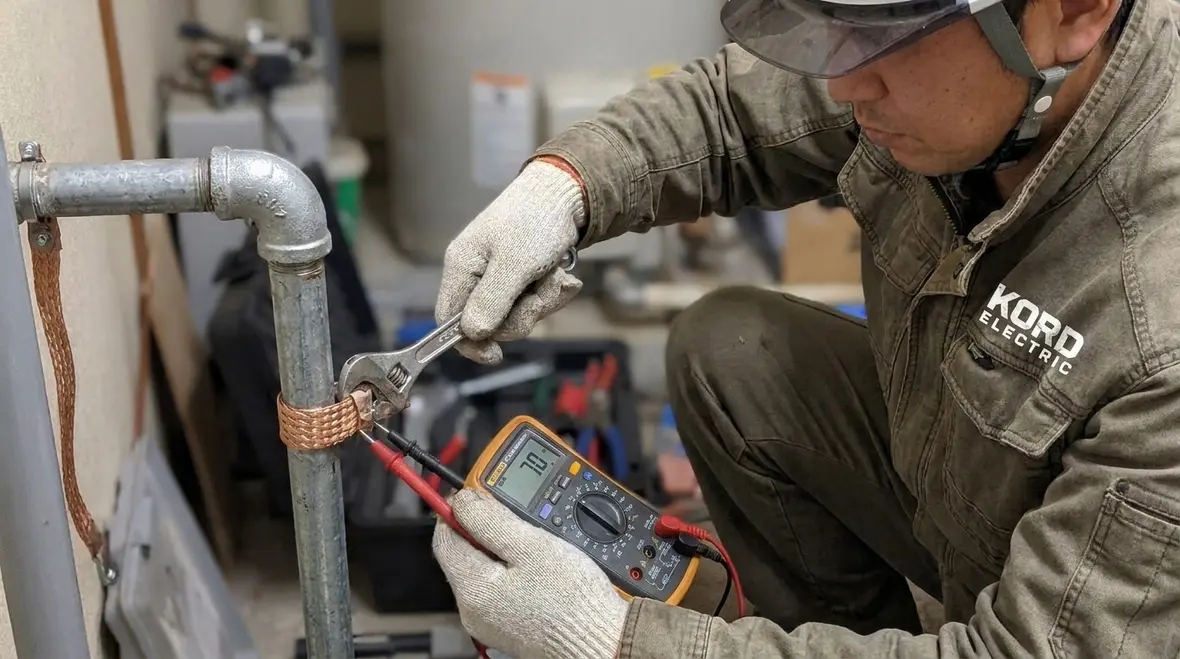
Most electrical issues in large buildings boil down to three areas. First, protection. Second, bonding. Third, grounding. Our expert service staff explain these concepts with hands on examples, not vague slogans, and that approach helps teams understand what inspectors expect.
Protection means using the right overcurrent protection and guarding where people could contact energized parts. In irrigation areas, protection also accounts for wet conditions and outdoor exposure. When an area stays damp, insulation can degrade faster and corrosion can grow where connections should remain clean and tight.
Bonding connects metal parts so they stay at the same electrical potential. When bonding stays correct, you lower the chance of a shock hazard from unexpected voltage differences. This becomes especially important when equipment and structural metal interact around irrigation infrastructure.
Grounding provides a path for fault current and supports correct operation of protective devices. So, if something fails, the system should respond in a predictable way. In facility work, predictable response translates to less downtime.
We also remind clients that good electrical safety is not only about the initial install. Maintenance matters too. As parts age, our technicians recommend checks that support continued safe operation.
Around irrigation zones, that maintenance might include inspecting enclosures for water intrusion, checking torque on key terminations after seasonal temperature swings, and verifying that protective devices still coordinate properly with the rest of the distribution system.
How we evaluate irrigation collector rings and code compliance
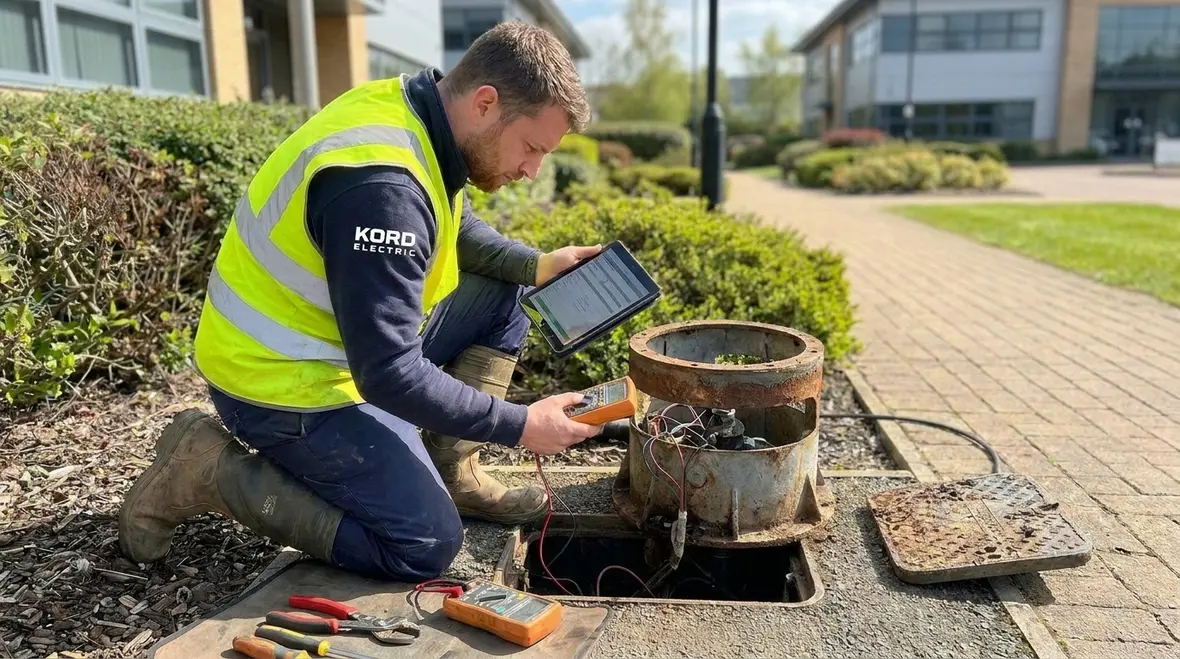
When our team supports commercial and industrial sites, we do not guess. We verify. First, we review site documentation and electrical diagrams where available. Then we inspect the installation details that affect compliance outcomes. Finally, we coordinate with facility stakeholders so work stays scheduled and safe.
For installations connected to the scope of NFPA 70 Section 675.11 irrigation collector rings, we pay attention to how the collector ring functions with other parts of the irrigation electrical setup. We look for correct placement, secure connections, and protection where the system could face water or physical wear. Additionally, we check how installers handled terminations and whether those terminations can stay stable in outdoor conditions.
In many facilities, the irrigation system runs alongside landscaping contracts and seasonal workflows. Therefore, our approach includes practical coordination with those teams. We communicate clearly, so the electrical safety steps do not get sidelined after the job is done.
And yes, we’ve heard the old joke that “the code will survive winter.” It will not, not if connections loosen, seals fail, or maintenance gets skipped. The code does not laugh at corrosion.
To keep the evaluation grounded, we also build connections to other resources that support code awareness and safety planning. For example, we reference the same type of compliance thinking promoted by partners and industry pages such as Kord Fire’s overview of NFPA 70. We also use the broader safety focus discussed at Kord Fire and consider how fire and life safety systems intersect with electrical reliability. For dedicated pump systems, we keep an eye on guidance from firepumps.org so our clients understand how electrical code support improves the odds that pumps perform when they must.
On the facility side, our evaluations often tie into broader resilience planning. For example, if a property is reviewing emergency power strategies or power surge mitigation, we align irrigation electrical upgrades with that same mindset so outdoor systems support, not undermine, reliability.
Common failure points we prevent in large property buildings
Even well managed facilities can develop electrical issues over time. However, many failure points follow patterns. We help clients avoid those patterns through targeted inspection and service.
Moisture driven connection problems: Outdoor systems face wet cycles, so we verify sealing, termination quality, and secure mechanical support.
Corrosion at joints: If metal surfaces do not stay protected, joints can degrade. We look for signs of oxidation that suggest future failure.
Loose or strained conductors: In irrigation zones, movement from landscaping work and settling soil can strain wiring.
Inconsistent bonding and grounding practices: When bonding gets changed by contractors without clear coordination, safety can drift.
Missed maintenance checkpoints: A facility can have a clean initial install and still fall behind on inspections.
Our technicians explain these risks in plain terms and then connect them to what a responsible inspector expects. Because we focus on commercial and industrial locations, we also align recommendations with operational needs, like how quickly systems must return to service after maintenance.
In some portfolios, we bundle irrigation electrical checks into broader services such as regional Los Angeles County electrical services, so property managers can coordinate multiple building needs under one compliance-focused roadmap.
Staying aligned with the 2026 direction and facility planning
As code updates roll forward, facilities benefit from early planning. We track updates and interpret what they mean for design, inspection readiness, and upgrades. If you want a deeper look at the direction around the 2026 edition, you can review our Kord Electric blog on understanding NFPA 70 for 2026. That kind of overview helps stakeholders understand how rules evolve and why small design decisions can matter later.
Then we apply that knowledge during real project work. For example, when teams plan irrigation upgrades or seasonal improvements, we advise them to treat electrical safety as part of the project scope, not as an afterthought. This includes confirming that components tied to NFPA 70 Section 675.11 irrigation collector rings remain correctly installed and protected as part of the broader system.
In practical terms, planning avoids last minute surprises. Also, it reduces downtime. And yes, it helps teams keep their budget from running off like a sitcom character chasing the wrong train.
For facilities that operate across multiple jurisdictions or that manage both electrical and fire protection assets, this forward-looking approach keeps NFPA 70 aligned with NFPA 70-based fire safety strategies, life safety expectations, and evolving technology such as automated lighting or smart controls.
FAQ for facility teams and property managers
Call Kord Electric for a compliance focused electrical review
If your commercial or industrial facility needs confidence, not guesswork, Kord Electric can help. Our technicians and expert service staff review electrical details with safety and inspection readiness in mind, including the requirements connected to NFPA 70 Section 675.11 irrigation collector rings. We help you plan upgrades, prevent common outdoor system failures, and keep operations steady. Contact us to schedule a focused site assessment and get clear next steps your team can actually follow.
Whether you manage a single major property building or a portfolio across multiple regions, our goal is the same: a calm, predictable electrical story where the irrigation system behaves, inspections move smoothly, and your maintenance team gets clear guidance instead of cryptic code citations.


