
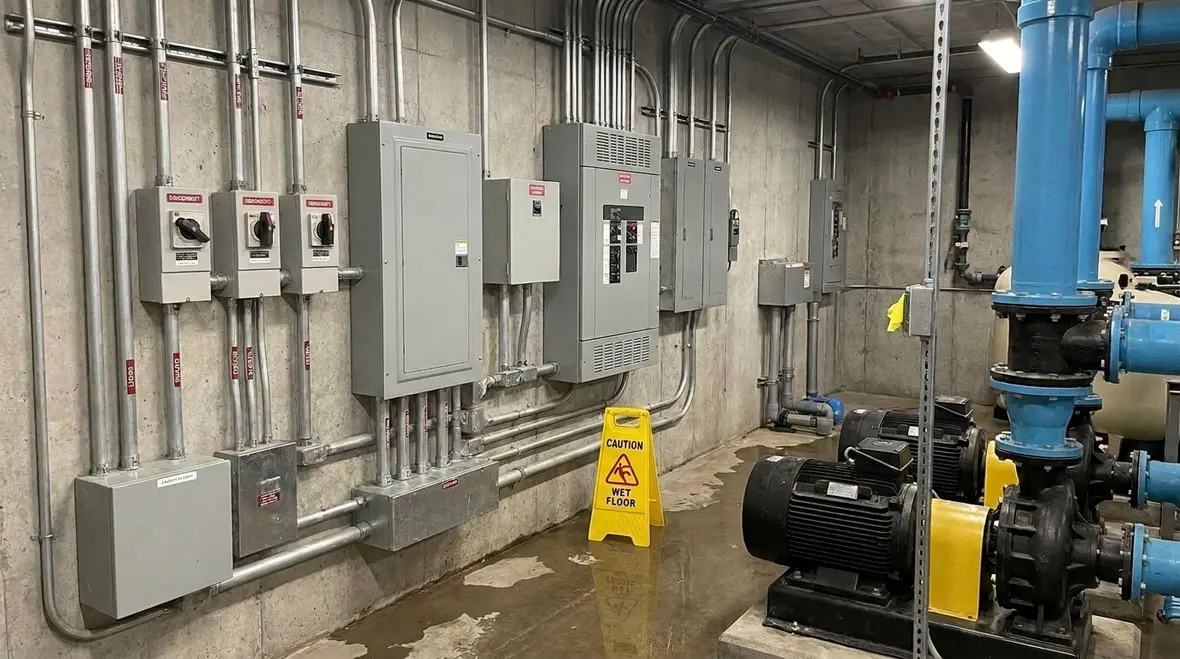
NFPA 70 Section 680.27 Pool Specialized Equipment
NFPA 70 Section 680.27 pool specialized equipment: why it matters to commercial and industrial sites
At Kord Electric, we help commercial and industrial facilities keep power systems safe, code compliant, and ready for real world use. When a project includes a pool, NFPA 70 Section 680.27 pool specialized equipment becomes a key part of the safety plan, and we do not treat it like a box to check. Instead, we explain it in plain language through our expert service staff, so operations teams understand what gets installed, how it gets protected, and why it matters when the site runs hard every day.
We also know that pool electrical rules can feel like they were written by someone who never had to maintain equipment at 7 a.m. after a storm. Still, the purpose is simple: reduce shock risk, control hazards, and support reliable operation. And yes, we have heard every joke about “electricity being dramatic.” In reality, it is the code that keeps it calm.
What the NEC really targets for pool circuits in NFPA 70 Section 680.27
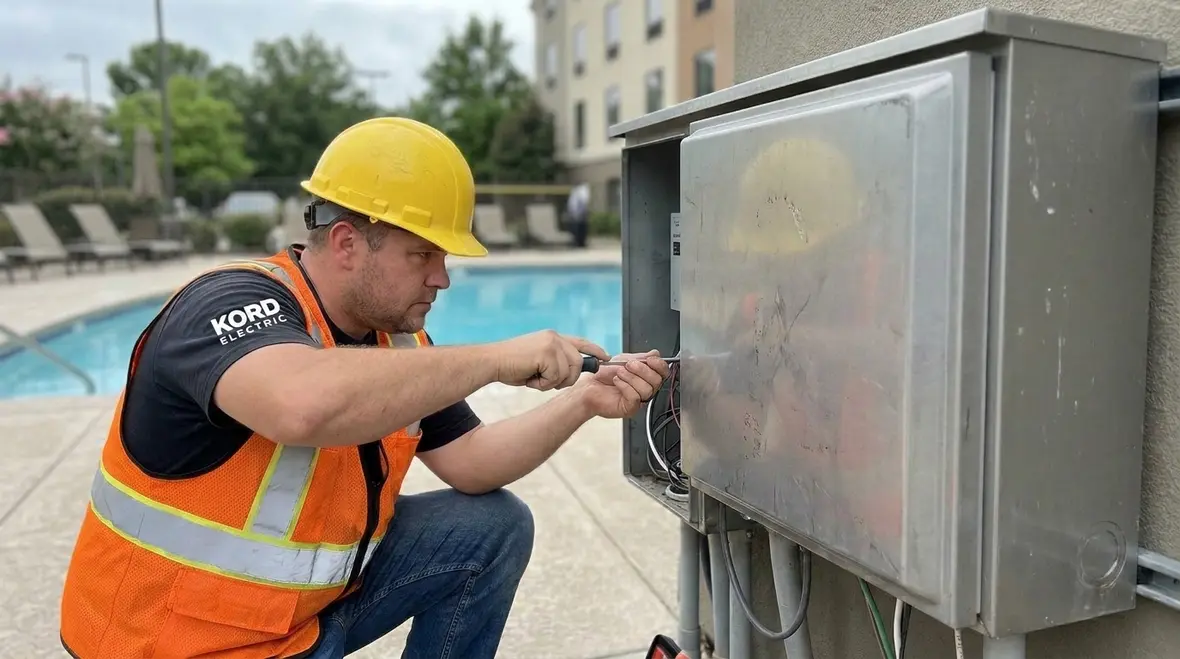
Third party inspectors and facility owners often ask us what Section 680.27 is trying to solve. In short, it sets expectations for equipment used in pool installations that require special attention. The National Electrical Code focuses on how equipment connects to the pool area, how it handles exposure, and how it stays protected even when conditions are wet, humid, and tough.
We guide our technicians through the intent behind the rules. As a result, they do not just follow a checklist. They look at the pool area as a system: bonding, wiring methods, disconnects, and the way specialized loads get energized and de energized. Then we map that back to what NFPA 70 Section 680.27 pool specialized equipment expects to be suitable for the environment.
As you review your site design or upgrade an existing installation, you will notice that the rules aim for fewer surprises. That includes minimizing unintended energization, reducing fault risks, and supporting safe service access. And if someone tells you code is “just paperwork,” we politely remind them that paperwork is what keeps electricians employed and equipment insurers calm.
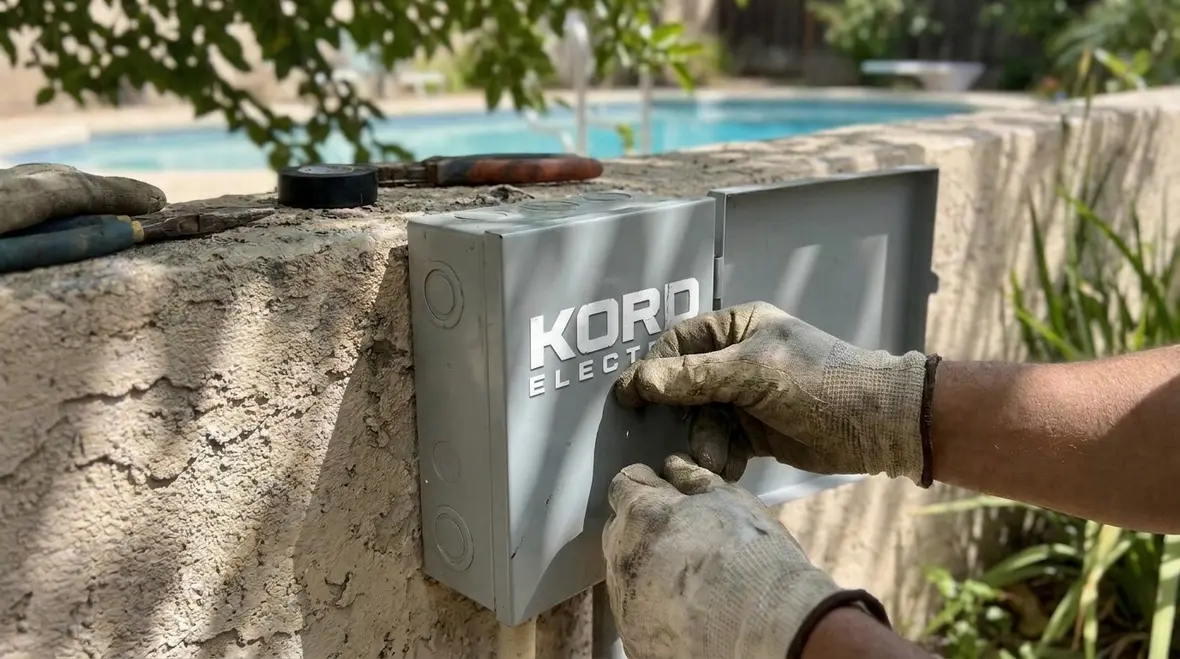
How our technicians plan safer installations around pool specialized equipment
We approach pool related electrical work like we approach every commercial and industrial job at Kord Electric and Kord Electric supported brands. First, we gather site details. Then we verify existing conditions. After that, we design or upgrade with code alignment in mind.
Our expert service staff explains what to expect at each step. For example, when we identify NFPA 70 Section 680.27 pool specialized equipment needs, we check for proper installation location, wiring routing, and protection from water intrusion. We also confirm that bonding and grounding practices work with the equipment layout.
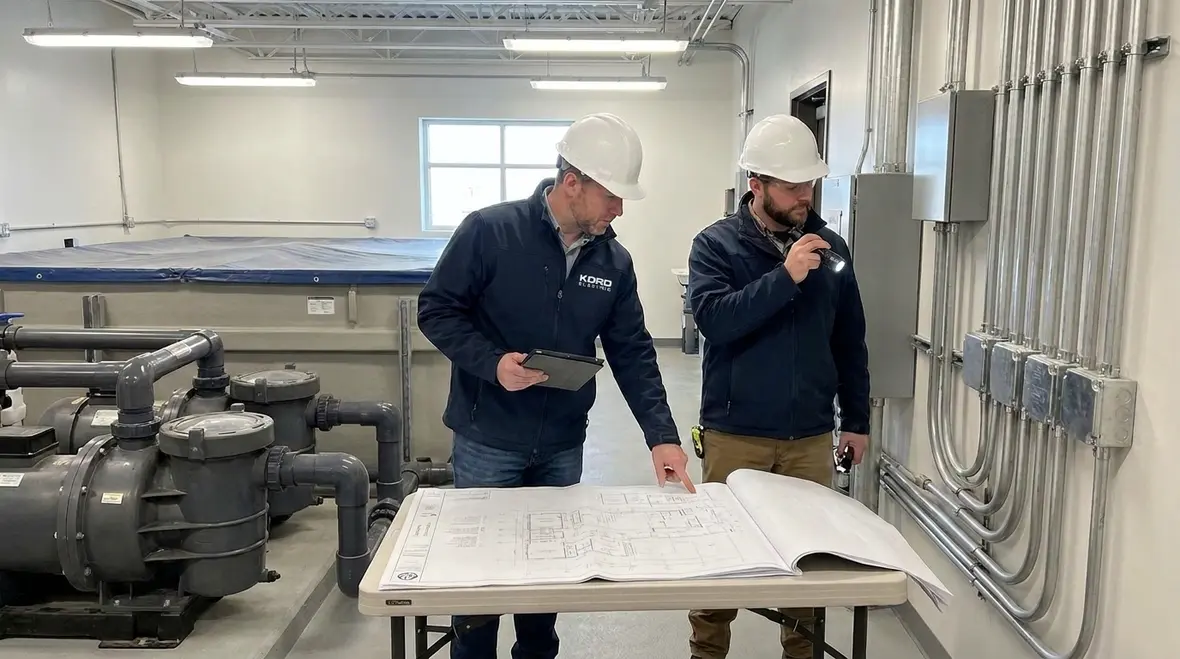
Next, we coordinate with facility stakeholders. This matters because pool systems often tie into filtration, controls, heating, and lighting. When we install or modify electrical components, we also plan for service access. That way, a future technician can isolate circuits without guesswork, and a maintenance team can troubleshoot safely.
Finally, we test and document. We make sure systems operate as intended under real load conditions, not just during a quick startup. Transition wise, that is where many projects lose the thread. We avoid that by treating commissioning as part of the electrical scope, not an afterthought.
Where fires and water meet: electrical safety with risk controls
Pool environments bring water, people, and equipment that can carry power. And when electrical systems fail, they can create serious hazards. That is why we also look beyond the pool equipment itself and consider the full electrical environment, including upstream protection, labeling, and system coordination.
Kord Fire teams, where applicable, also stress the connection between electrical safety and fire prevention practices. While the NEC addresses electrical safety, real sites need coordination between electrical design, protective devices, and emergency readiness. So when we build or upgrade a facility, we think in layers. We ensure electrical hazards stay contained, and we help the facility team maintain a clear operational plan.
Furthermore, we consider how pool equipment gets used on a schedule. Filtration runs, heaters cycle, and lights may run during evening hours. As usage changes, load profiles change too. Therefore, our service staff checks that protections remain appropriate and that equipment ratings match the site demands.
And just to make sure we keep this grounded, remember: water does not care if you meant well. It responds to physics, and physics does not do excuses. Code helps us respect that reality.
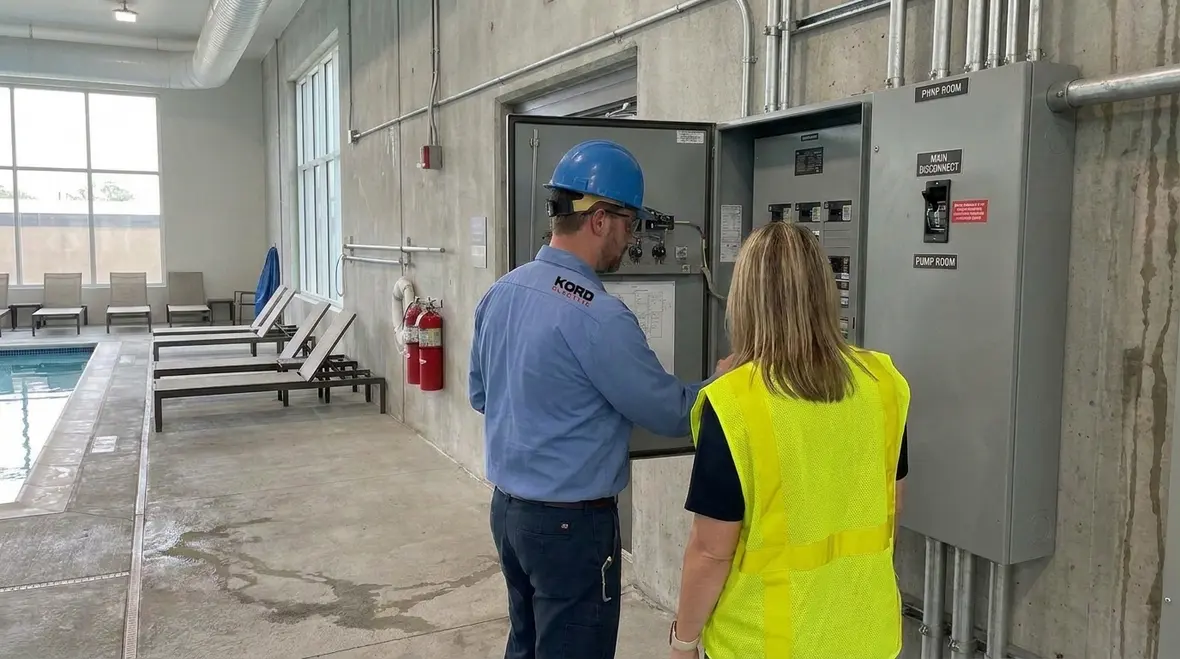
Electrical code compliance steps for commercial and industrial upgrades
If you manage a major property building, you likely have upgrades planned around tenant operations, maintenance windows, and budget rules. So we lay out compliance steps that fit real schedules. We also keep the process practical for facility leaders who need clear deliverables.
Below is the way we typically move from review to completion.
Site review and documentation: We evaluate existing panel schedules, wiring methods, pool area layouts, and equipment naming so the system stays readable.
Load and equipment mapping: We identify what equipment falls under the expectations for pool specialized equipment and how it connects to power.
Protection and disconnect strategy: We confirm that protection devices coordinate with equipment needs and that isolation points support safe service.
Bonding and grounding check: We verify bonding paths and ensure the installation reduces shock risk.
Verification and commissioning: We test operation, confirm safe behavior, and provide clear documentation for ongoing maintenance.
To keep things flowing, we often start with a simple gap assessment, then we refine the plan as we learn more. As the project progresses, our team explains decisions in a way that operations teams can use later. That is how you avoid the “Who decided this and why?” meeting that no one wants.
Common pool electrical issues we see in major properties
Even in well run facilities, pool electrical upgrades can stumble on predictable issues. We do not call them mistakes to blame people. We call them patterns because they keep showing up, especially when work gets rushed or when equipment gets replaced without updating the electrical plan.
Mismatch between equipment location and required suitability: If specialized units get installed in spots exposed to harsh conditions, safety margins shrink.
Unclear labeling and poor circuit traceability: When technicians cannot find circuits quickly, service time grows and risk rises.
Bonding gaps after modifications: Teams may upgrade equipment but miss continuity points that affect shock safety.
Protection that does not coordinate with actual loads: This can cause nuisance trips or, worse, insufficient fault response.
Water intrusion paths: Improper sealing or routing invites moisture where it does not belong.
We also find that facilities sometimes assume “it looks fine” means “it is fine.” In electrical work, that assumption can turn into a comedy sketch where the punchline is an outage. Instead, we verify. Then we document. Then we educate facility staff so the next service event runs smoother.
How we align pool safety with the broader electrical and fire ecosystem
Commercial and industrial properties do not operate in isolation. They connect systems: power, controls, emergency response, and sometimes fire protection arrangements. Therefore, we align electrical safety decisions with a broader risk picture.
We have learned from teams that focus on fire prevention and system reliability, including resources shared through Kord Fire and related guidance. In parallel, organizations like firepumps.org reinforce the importance of understanding how life safety systems behave under pressure. While the details differ across systems, the theme is consistent: safety depends on coordination, testing, and ongoing maintenance.
In other words, we treat pool related electrical requirements as part of a larger responsibility. When stakeholders see the big picture, they support the work. And when they support the work, the installation benefits the facility for years.
Code clarity across resources and practical expectations
Many property teams research code using multiple sources. We encourage that, as long as the team focuses on authoritative requirements and applies them correctly for the exact site conditions. Some teams read the NEC explanations, then they wonder how that translates to a finished installation. That is where our expert service staff becomes valuable.
For example, we use our own internal code review process that supports compliance goals found in NEC related guidance. We also cross check with the kind of interpretive details discussed in kordelectric.com and the NEC focused materials found through kordfire.com. Then we translate those into action items your team can understand and audit.
Here is the practical takeaway: reading the code helps you know what is required. Our job is to ensure the equipment is installed, labeled, protected, and verified so the requirement becomes real performance.
If your facility team wants to explore that broader context in more depth, you can also review resources like “Understanding NFPA 70: The National Electrical Code Explained for 2026,” which connects high level NEC concepts to field level decisions for commercial and industrial power systems.
Quick comparison of code intent and on site deliverables
Code intent
Provide safety around specialized pool related equipment through suitable installation, protection, and correct electrical integration.
On site deliverables
Verified equipment placement, proper bonding and grounding, coordinated protection, clear labeling, and documented commissioning results.
Planning support that fits your larger electrical strategy
Pool electrical work should never feel disconnected from the rest of your building’s power strategy. At Kord Electric, we link NFPA 70 Section 680.27 pool specialized equipment planning with broader efforts like electrical asset management, preventive maintenance, and system design for commercial and industrial facilities. That way, upgrades around your pool area align with the same documentation standards, testing practices, and risk controls used across the rest of the property.
For example, many facilities tie pool projects into broader electrical design planning so new equipment, feeders, and protective devices work together from day one. When that planning also leverages dedicated Los Angeles County electrical services, your team gains a single partner who understands local conditions, inspection expectations, and the realities of keeping power stable across large campuses.
If your organization is building out a roadmap for future upgrades, it can also help to cross reference pool work with other NFPA 70 topics like cable ampacity, guarding, or wiring device rules. Internal guides and NEC focused articles make it easier for facility leaders to connect those code elements into one consistent project plan instead of a patchwork of one off fixes.
When those pieces line up, your electrical system behaves more predictably under load, technicians face fewer surprises during service windows, and safety expectations remain clear for everyone who works around energized equipment.
FAQ
Final word from Kord Electric
If your facility operates a pool area, we want you to feel confident that the electrical system stays safe and dependable. At Kord Electric, our expert service staff reviews pool related requirements, implements upgrades with verified results, and documents every step your team needs. We serve commercial and industrial facilities and major property buildings, not one off residential projects. If you are planning a renovation, replacement, or compliance audit, contact us for an on site assessment and a clear upgrade path.
For properties across the region, these projects often connect naturally to our broader Los Angeles County electrical services for commercial and industrial facilities, so your pool work, power upgrades, and maintenance plans all move in the same direction instead of competing for attention.
When you are ready to align NFPA 70 Section 680.27 pool specialized equipment with the rest of your electrical strategy, our technicians and service staff are prepared to help you turn code language into field proven performance.


