
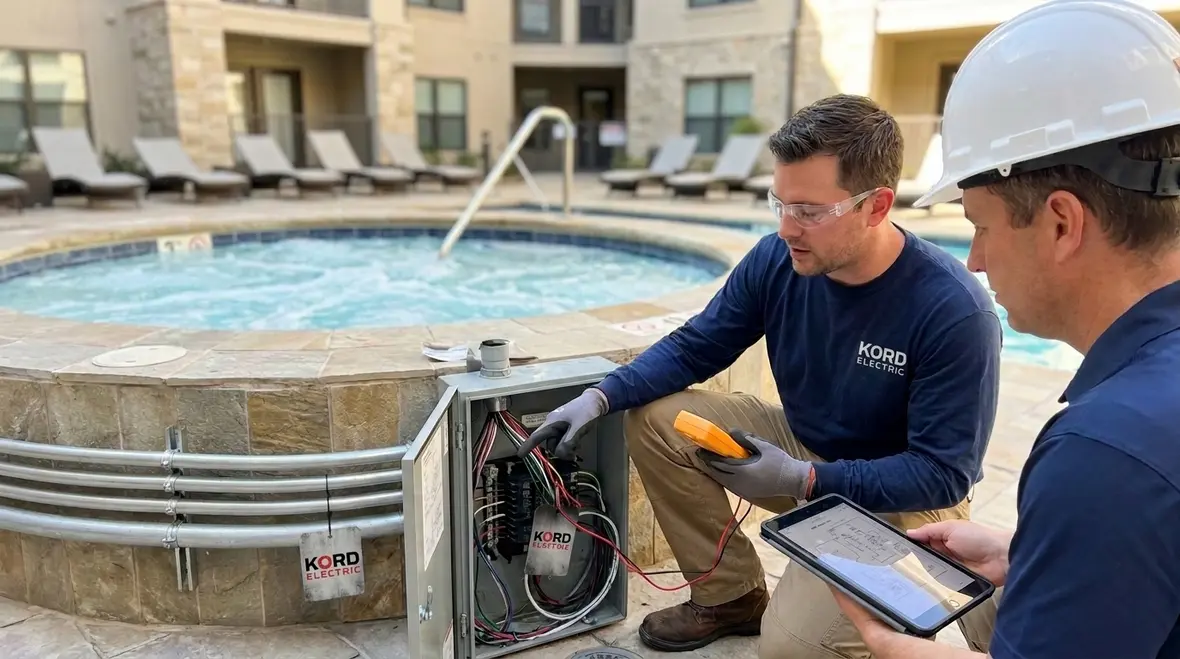
NFPA 70 Section 680.30 Spa Hot Tub Electrical Compliance
At Kord Electric, we support commercial and industrial facilities and major property buildings, where electrical safety cannot be treated like a “we will deal with it later” project. That is why we pay close attention to NFPA 70 Section 680.30 spa hot tub electrical from the start. In plain terms, that section helps define how electrical systems should feed and protect hot tubs and similar equipment, including wiring methods, bonding, and equipment protection. And yes, we do explain it clearly, because even the best building managers do not want a code book that reads like a mystery novel. Our expert service staff walks through the requirements step by step, so others on site can act with confidence, not guesswork.
In this article, we guide readers through what NFPA 70 expects, how the rules show up in the real world, and what Kord Electric does differently when we service large facilities. If you manage a property with shared systems, outdoor water features, pools, spas, or similar loads, this matters. It matters because safety and compliance are not “nice to have.” They are how you avoid failures, downtime, and costly rework.
NFPA 70 and the NEC: what your teams must follow
NFPA 70 is the National Electrical Code, and most professionals know it as the NEC. It sets the baseline for safe electrical design, installation, and inspection. However, it is not just a general guideline. Many facilities must follow it to meet code adoption, insurance expectations, and inspection requirements. The big idea is simple: electrical work must protect people and property. Yet, the practical details can get specific fast, especially around wet locations and equipment that connects to water.
For hot tubs, spas, and related equipment, NFPA 70 Section 680.30 spa hot tub electrical becomes the critical reference point. So, our technicians do not treat this as a checkbox. Instead, we focus on correct wiring methods, correct equipment, proper bonding, and the right protection so the system behaves safely during normal use and during faults.
As a quick pop culture comparison, think of the NEC like the rules of a game. You can still have fun, but you cannot swing the bat however you want and call it “engineering.” Your inspectors will also ask questions. And our team answers those questions with documentation and sound installation practices.
Where NFPA 70 Section 680.30 spa hot tub electrical shows up in the field
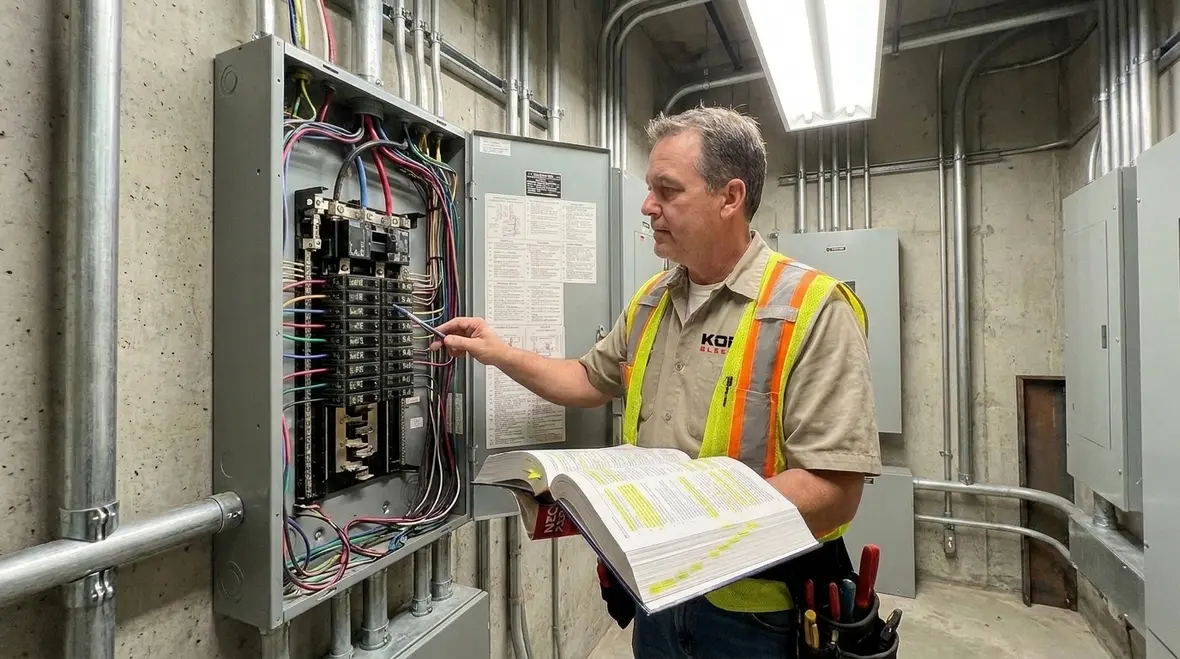
In real facilities, hot tubs and spa equipment often sit in outdoor spaces, courtyards, or amenity areas. That location changes the risk profile, mainly because moisture and conductive surfaces can turn a small fault into a dangerous situation. NFPA 70 Section 680.30 spa hot tub electrical focuses on those exact conditions, including how the electrical system interfaces with the spa equipment.
When our technicians review a site, we look at how the equipment is installed and how power is routed to it. We then confirm that the wiring method and connections match the safety intent of the NEC. In addition, we verify that the equipment is grounded and bonded properly. Grounding reduces risk during faults, and bonding helps ensure exposed metal parts remain at the right electrical potential.
We also pay attention to the load characteristics and how the control system receives power. Many teams assume that “it works today” means “it is safe forever.” That is not how electrical systems behave. Over time, heat, vibration, weather exposure, and wear can change performance. So, we build with long-term conditions in mind.
For facility managers who want broader context on how spa and hot tub rules connect to overall electrical design, our team also shares guidance in resources like Understanding NFPA 70: The National Electrical Code Explained for 2026, which connects section-level requirements with the “big picture” of how power systems are supposed to behave.
Bonding, grounding, and GFCI protection for spa equipment
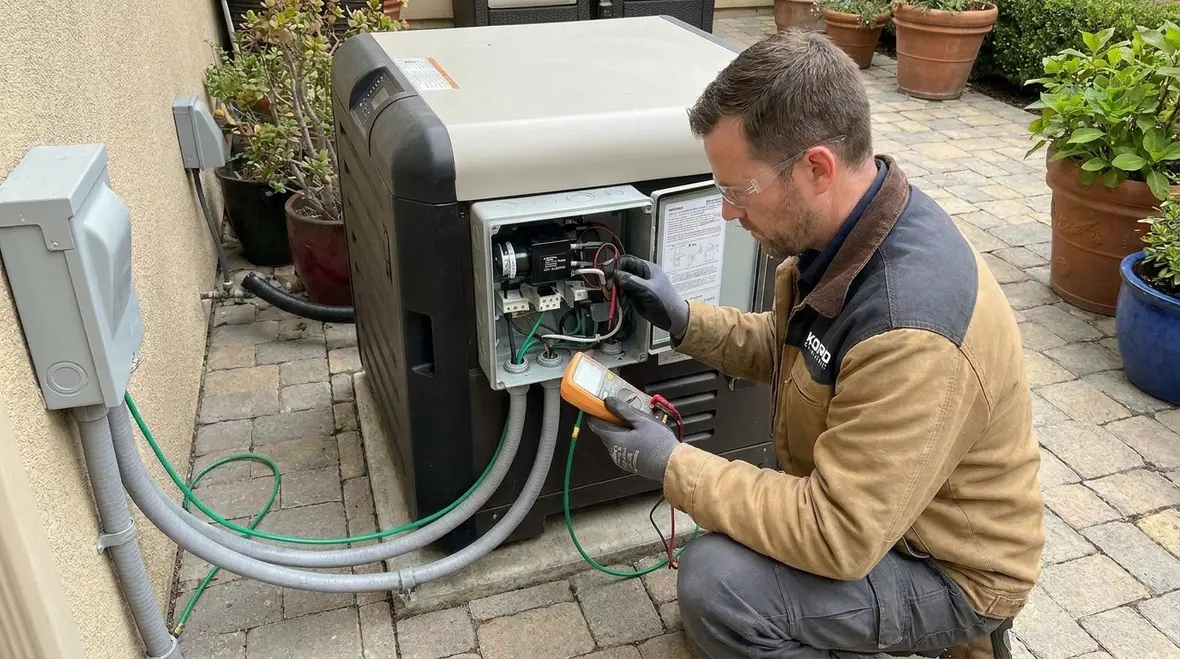
For wet areas, the NEC expects multiple layers of protection. Therefore, we treat bonding, grounding, and fault protection as a system, not separate topics. Bonding connects conductive parts so they do not become different electrical potentials. Grounding provides a controlled path for fault current. Then, fault detection devices such as GFCI help reduce the chance that a dangerous current lingers through a person’s body.
In practice, we confirm that all required conductive components are included in the bonding plan. We also ensure that connections remain secure and properly made. Loose or corroded connections can defeat the whole protective intent, and in commercial and industrial settings, “later repairs” often turn into emergency repairs.
Our expert service staff explains this in a way that site teams can repeat during walkdowns. They do not hide behind jargon. Instead, they connect each code requirement to the outcome you want: safe operation, stable performance, and clear inspection readiness.
And if you ever hear someone say, “We will just use whatever connector we have on the truck,” we politely remind them that the truck is not the code authority. The code is the code.
Because spa and hot tub systems usually share infrastructure with other building loads, we also align bonding and fault protection work with the broader reliability strategies we discuss in topics like building electrical system design and electrical safety upgrades. When the bonding plan for wet locations lines up with panel protection, selective coordination, and preventive maintenance, facilities get fewer nuisance trips and fewer “why did that spa shut down the whole amenity level?” surprises.
Wiring methods, routing, and enclosure details that inspectors watch
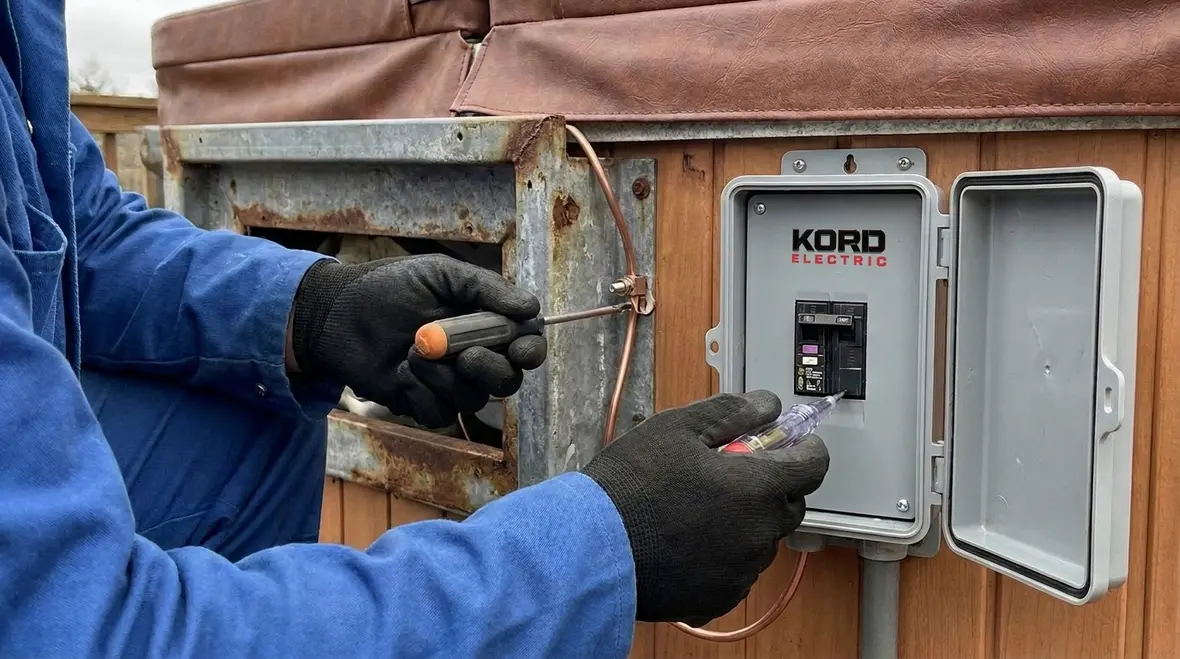
Beyond bonding and protection, inspectors look closely at wiring methods and the quality of installation. For spa and hot tub areas, routing matters because equipment sits near moisture, and water can reach places you did not intend. Therefore, we plan the run paths and connection points so the system remains protected through use and weather exposure.
We also confirm the proper use of enclosures and fittings where required. Correct enclosures help prevent intrusion and protect terminals from corrosion. In addition, we ensure that conductors remain protected where they pass through or near areas that can see splash, condensation, and cleaning chemicals.
When our technicians document the work, they focus on what matters for the inspection process: correct termination, proper support, and compliance with the wiring rules tied to the specific application. This is one reason our customers in major property buildings trust us with both new installs and upgrades.
From our perspective, good installation is not just about “meeting code.” It is about reducing future call-backs. People rarely call an electrician because everything is perfect. They call when a spa trips, a panel overheats, or an amenity area becomes offline. So, we design and install to prevent those moments before they happen.
For facilities planning broader modernization around amenity spaces, we often connect spa wiring upgrades with larger commercial system design work. When routing, enclosure selection, and fault protection for spa circuits are coordinated with upstream panels and distribution gear, it becomes easier to expand services without turning each new feature into a separate one-off project.
Upgrading older installations in commercial and industrial facilities
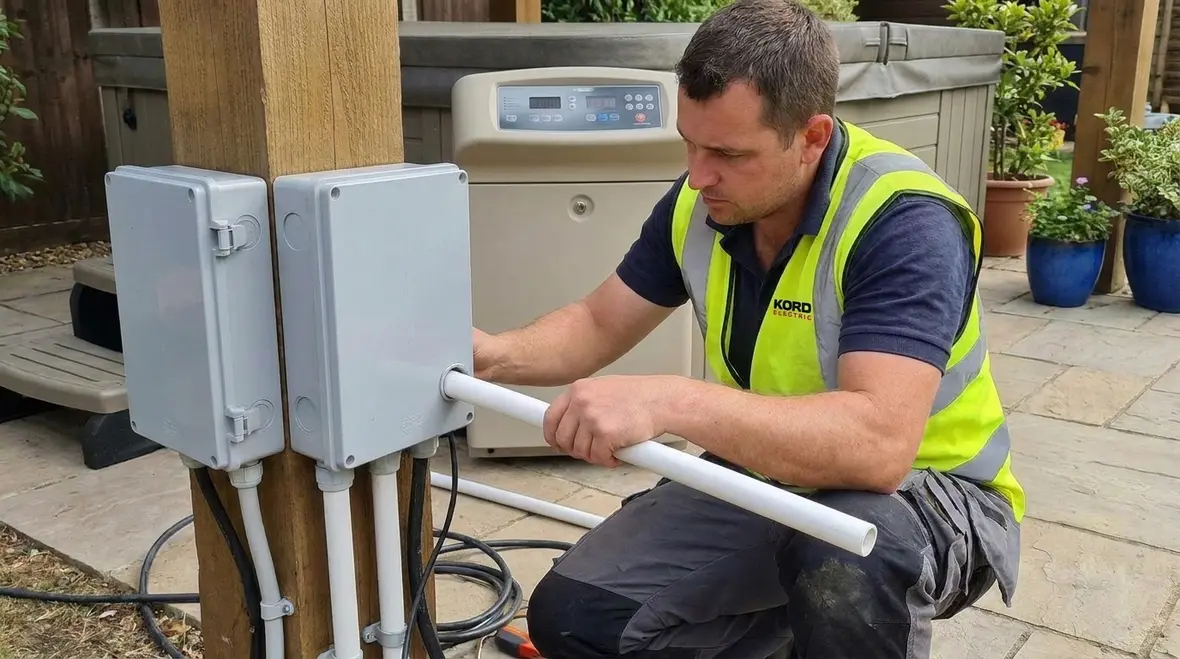
Many facilities already have hot tubs, and the electrical setup might be older than current expectations. When we upgrade, we do not just swap a component. Instead, we evaluate the entire installation path, because one outdated detail can undermine newer protection.
For example, we examine panel capacity, breaker selection, conductor condition, grounding paths, and any prior modifications. Then, we align the system with the NEC intent for spa and hot tub applications. We also check whether the site experience matches the code assumptions for wet location risk.
Meanwhile, our technicians explain the tradeoffs clearly. Sometimes the best compliance move includes adjusting routing, improving bonding points, or replacing corroded sections. In other cases, a GFCI upgrade and proper termination details bring the system up to the needed standard without turning a job into a full demolition. Our aim is always the same: safer equipment operation and a clean path to inspection.
And yes, we know that “upgrade time” usually lands on a busy calendar. So, we coordinate work windows with facility teams. We keep commercial operations in mind, because you cannot run a major property building like a weekend DIY project.
For owners planning broader renovation work, this same mindset shows up in how we provide electrical code upgrade consulting for renovations and how we plan building-wide electrical system design. When spa and hot tub upgrades are bundled with panel improvements, selective coordination tuning, and lifecycle maintenance planning, you get one integrated compliance story instead of a pile of disconnected fixes.
Compliance planning using code resources and practical field checks
To deliver consistent service, we combine code knowledge with practical verification. That means we use authoritative NEC resources and also apply field checks that reflect how the installation actually performs. Sites in Australia and the United States may follow different standards, but the safety principles around water, conductive surfaces, and fault protection remain the same. Our approach stays grounded in prevention.
For teams who want code context, we direct readers to educational resources that explain the National Electrical Code and help interpret how it applies to real equipment. We also coordinate with fire and safety professionals when facilities need cross-discipline planning. For example, fire pump systems and related safety equipment sit in a wider life-safety framework, and it helps when electrical and fire safety teams speak the same language.
When our technicians walk a site, they do not just look at the spa equipment. They also look at the feeder path, grounding system, and the surrounding installation environment. They then confirm that the details align with NFPA 70 Section 680.30 spa hot tub electrical requirements and the broader NEC safety goals for wet locations and equipment interconnection.
Bottom line: we help facilities move from “we think it is fine” to “we know it is safe.” And that shift saves time and money, because fewer issues show up after inspection.
For property teams mapping longer-term reliability strategies in addition to code compliance, it often makes sense to link spa and hot tub electrical work with broader programs such as critical electrical equipment lifecycle management and electrical safety upgrades. That way, inspections, testing, and maintenance share the same roadmap instead of operating as isolated tasks.
FAQ for spa hot tub electrical and NEC compliance
Call Kord Electric for spa hot tub electrical compliance in major properties
If your facility hosts spas, hot tubs, or similar amenity equipment, you need electrical work that stands up to real-world conditions and inspection pressure. Kord Electric serves commercial and industrial facilities and major property buildings with expert service staff who explain the why, not just the what. We review the install, confirm protection and bonding, and help you reach compliance with less downtime.
Because spa and hot tub systems rarely live in isolation, our team can also coordinate this work with broader building electrical system design, emergency power planning, and preventive maintenance programs. That way, NFPA 70 Section 680.30 spa hot tub electrical compliance supports the same reliability goals you apply to panels, switchgear, and other critical equipment, not just the amenity deck.
For property owners and managers across Southern California, we also provide Los Angeles County commercial electrical services that tie amenity upgrades to building-wide power strategies. From evaluating existing spa feeds to planning new installations, we design each step so that wet-area electrical systems align with the NEC, local amendments, and your operating reality.
Contact us today to plan the right upgrade or installation, keep your amenity spaces safe and running, and make sure your next inspection feels more like a routine check than a suspense story.


