
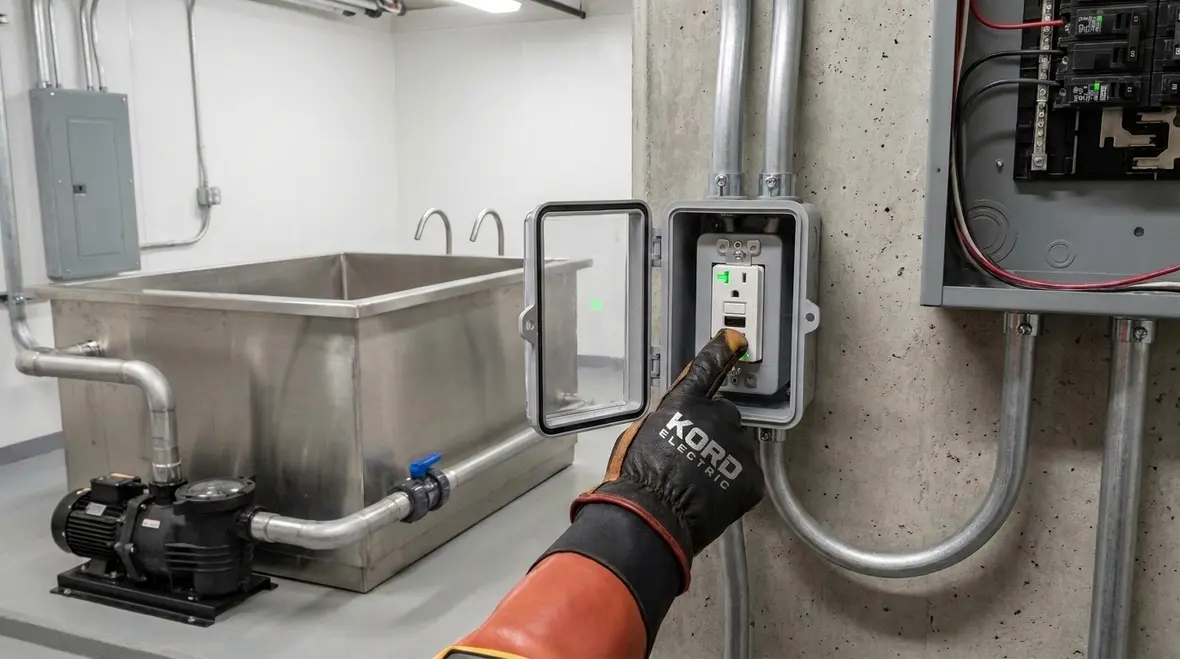
NFPA 70 Section 680.32 spa GFCI protection guidance
NFPA 70 Section 680.32 spa GFCI protection: what commercial and industrial teams must know
At Kord Electric, we keep our focus where it belongs: commercial and industrial facilities, along with major property buildings that run on uptime and safety. That is why we take NFPA 70 Section 680.32 spa GFCI protection seriously. In the first moments of a spa installation or renovation, this requirement helps protect people from dangerous shock conditions by using ground fault circuit interrupter coverage at the right locations.
Now, we know you did not wake up to read a code book. Neither did we. Still, when your electrical team and your facilities manager need clarity, we step in. Our technicians and expert service staff explain requirements in plain language, and then we verify the work with real-world checks, not guesses. And yes, we keep it calm, because nobody needs panic trips like a badly timed action scene.
How we interpret the NEC for 2026 planning
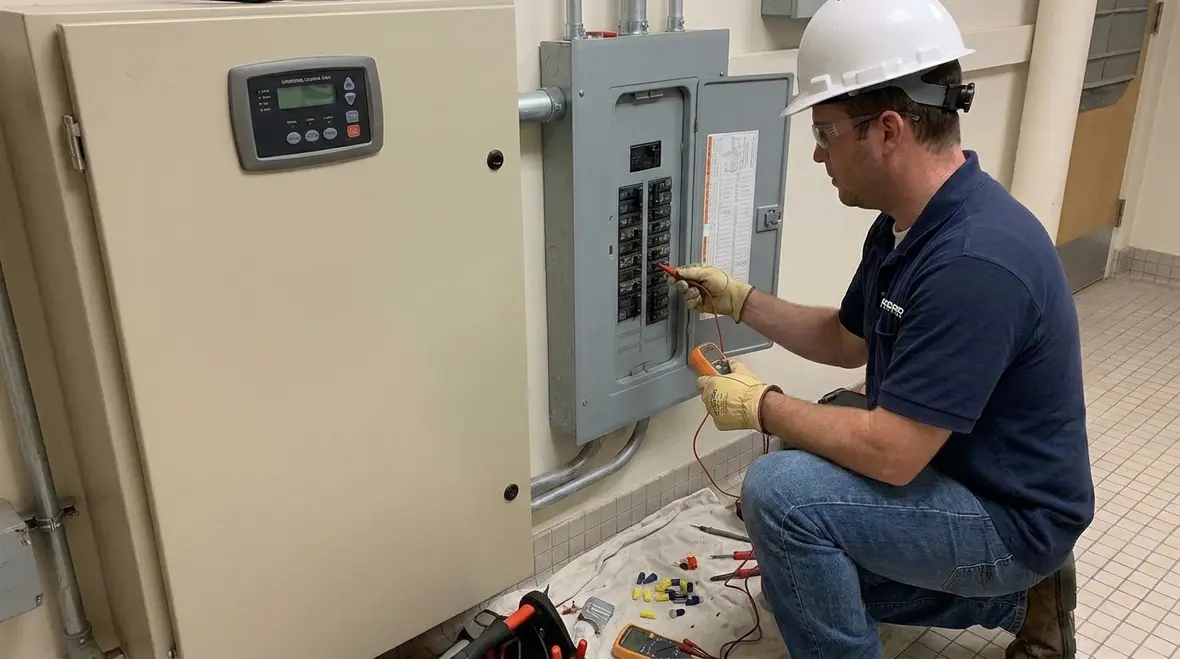
The National Electrical Code, often called the NEC, does not sit still. When teams plan for 2026, the best move is to understand the intent behind the rules, not just the letter. Therefore, we guide our clients through the structure of NFPA 70 so they can make correct decisions for design, procurement, and inspection readiness. For teams who want a deeper dive into how new NEC cycles reshape planning, our companion article on the National Electrical Code explained for 2026 connects high level concepts to real project decisions.
In practice, our expert service staff treats the NEC like a map. For example, we look at how the code organizes wiring methods, equipment, and special occupancies. Then we connect that to your facility’s actual environment: wet locations, equipment access, and how people use the space. As a result, spa and pool-related circuits do not become an afterthought during commissioning.
During reviews, we also explain common misreads that cause delays. People often assume that “near water” means the whole system must be treated the same way. However, the NEC uses specific conditions and protection methods. So, we help teams identify what is covered, what is not, and where misunderstandings create rework. It is like arguing about which streaming show is best. Everyone has an opinion, but the spec still decides.
Where spa circuits face real risk and why that matters
Electrical shock risk rises when water, conductive surfaces, and equipment faults meet. Because a spa involves both water and human contact, the protection strategy has to match that exposure. Thus, when we plan spa circuits, we treat safety as an engineering outcome, not a checkbox.
We also consider how faults happen in real life. For instance, a damaged cord, moisture intrusion, or an insulation failure can create leakage paths. If the circuit does not break quickly enough, current can flow through a person’s body. Therefore, GFCI protection becomes a life safety barrier, designed to detect ground fault conditions and interrupt the circuit in the needed time window.
Our technicians explain this mechanism in a way facility teams can use. We map the spa loads, confirm the switching and protection points, and ensure the installation supports proper detection and trip behavior. Then we verify that the required GFCI coverage aligns with the NEC approach for this type of equipment and location. In short, we help you build a system that protects people under fault conditions, not only during normal operation.
GFCI, detection, and coordination across spa equipment
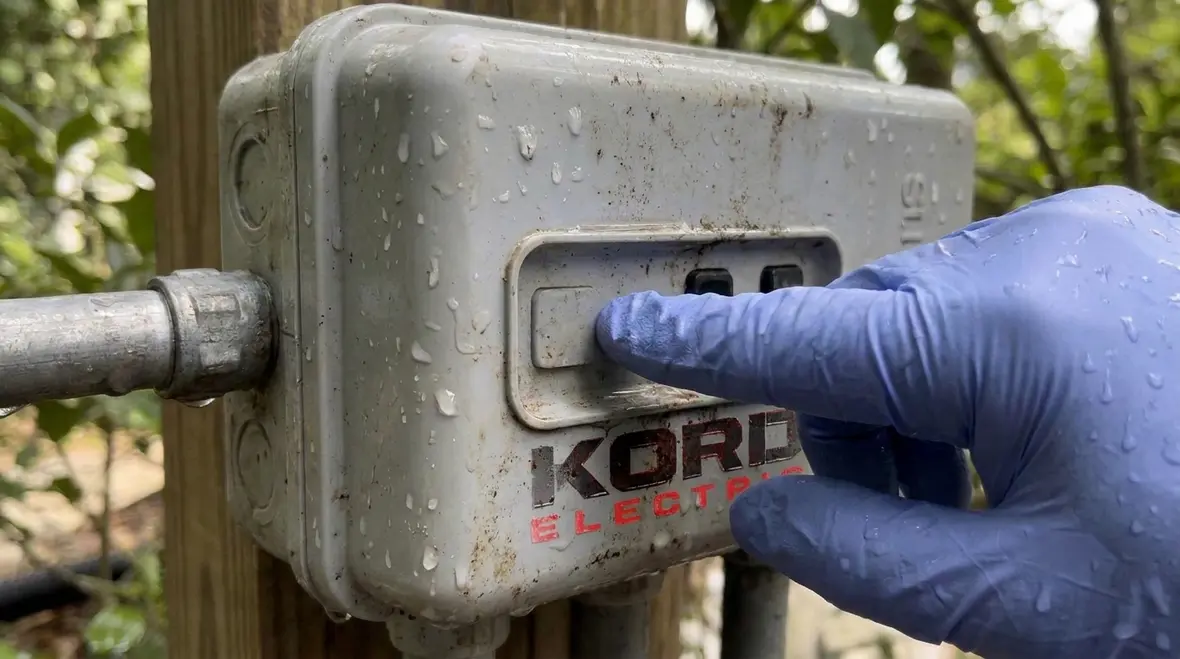
When teams hear the phrase NFPA 70 Section 680.32 spa GFCI protection, they sometimes focus only on the device itself. Yet that is only half of the story. The other half is how the system behaves end to end, including wiring, connections, and how protective devices coordinate.
In our field work, we look at the entire circuit path. First, we confirm that the GFCI device is applied to the right load set, and that it receives the correct wiring arrangement for reliable detection. Next, we check that upstream devices do not defeat the protection by delaying interruption or creating nuisance conditions. Additionally, we ensure the spa control equipment and related components do not introduce wiring practices that interfere with correct ground fault sensing.
Then we coordinate the practical details. Our technicians check device rating, testing access, labeling, and documentation. We also review how the spa is serviced. If maintenance workers must work around the protection device, we plan for safe access and clear procedure. That way, the protection stays functional long after the contractor leaves the site.
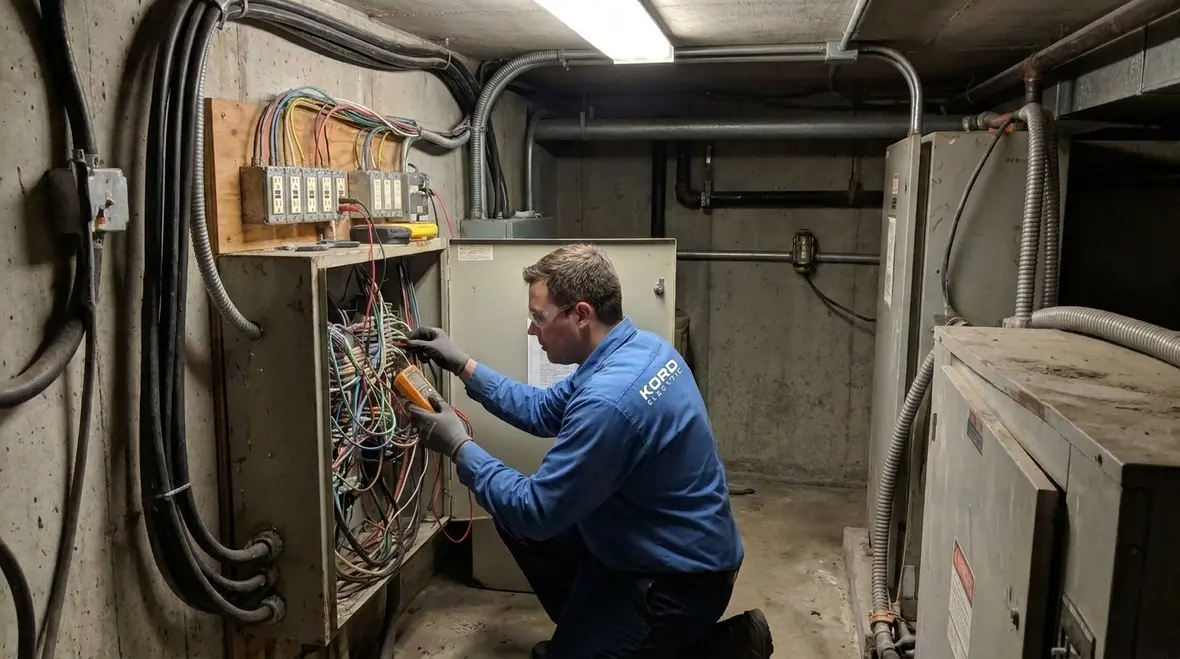
And yes, we test. Not the “looks good” kind, but real functional checks that help you sleep at night. Because if an inspector asks, you do not want to improvise like an actor who forgot the script.
Planning, design, and documentation for inspectors and commissioning
Commercial and industrial projects require more than safe wiring. They require clean documentation and a path that inspection teams can follow without confusion. Therefore, we help clients build a record that supports approval from design through commissioning.
As part of our service approach, we translate NEC requirements into project actions. We provide guidance on circuit identification, labeling, and how to document the presence and coverage of spa ground fault protection. Furthermore, we help ensure that drawings match the field installation. When the plans and the job disagree, inspectors notice, and you lose time.
Our expert service staff also prepares teams for testing and verification steps. For spa circuits, we explain how testing should happen and how to confirm correct behavior. We then assist with commissioning coordination so results are not left to the last day of the schedule.
In addition, we consider site-specific constraints. Some facilities have shared infrastructure, complex panel schedules, or equipment housed in tight mechanical rooms. Because of that, we plan wiring routes and protection placement early, so the final build matches the NEC intent for spa areas.
Common failure points we prevent on major property projects
Even strong teams can run into problems when scope expands or timelines compress. That is where we earn our keep. Our technicians often see the same failure points, and we work to prevent them before they become expensive rework.
First, we see misapplied or missing GFCI coverage when projects substitute equipment or adjust circuit layouts during value engineering. Second, we see wiring practices that affect detection performance, such as poor termination quality, incorrect connections, or unclear circuit boundaries. Third, we see coordination issues where upstream devices create nuisance behavior or prevent quick interruption. And finally, we see labeling gaps that slow testing and confuse maintenance staff.
To reduce these risks, we maintain a process. We review the design, verify materials, and confirm installation details on site. Then we validate performance through testing and documentation. When we do it this way, teams do not get surprised later. Instead, they receive a controlled outcome that supports safe operation and smoother inspections.
One more note, said with respect and a bit of humor. Contractors sometimes treat safety devices like decorative items, like “the smoke detector that looks nice.” In our world, that is not good enough. GFCI protection must function as designed, or it fails the whole purpose of NFPA 70 compliance.
Regional guidance and how we align with local standards
Codes can feel similar across regions, but enforcement practices and project requirements can differ. So, we align with local guidance and the broader NEC framework while staying focused on the electrical realities at your facility. Our aim is consistent: safe, compliant installations for commercial and industrial environments.
We also stay informed through credible resources across the industry. Our team references NFPA 70 education materials published by specialists such as Kord Fire and Kord Fire Australia, and we keep an eye on updates from organizations like firepumps.org that influence how safety systems integrate with electrical and emergency planning. That broader view helps our technicians communicate better with stakeholders across fire, facilities, and electrical disciplines.
Meanwhile, we keep the work grounded in your project. Therefore, we do not “copy and paste compliance.” We adapt the design and installation checks to the actual spa equipment, the wiring layout, and how your property operates day to day.
How NFPA 70 Section 680.32 spa GFCI protection connects with wider electrical strategy
In many large facilities, spa circuits do not live on an island. They tie into panelboards, feeders, and emergency systems that also support HVAC, lighting, data rooms, and specialty equipment. That is why we link NFPA 70 Section 680.32 spa GFCI protection decisions with your broader electrical plan, not just the immediate spa footprint.
Our team reviews how spa loads interact with existing distribution equipment and any planned upgrades. If your facility is already working with Kord Electric on topics like cable ampacity decisions under Section 326.80, preventive electrical maintenance programs, or zero-downtime projects, we fold spa protection into that same disciplined framework. The result is a consistent approach to risk, documentation, and testing, instead of a patchwork of one-off fixes scattered across your property.
This integration also supports long-term asset management. Spa areas often sit near mechanical rooms, rooftop amenities, or wellness spaces that may see future renovations. When those upgrades happen, you want clear records showing where GFCI devices are located, how they were tested, and how they coordinate with upstream protection. We design that clarity into the project from day one, so the next round of work starts from solid ground instead of detective work.
Spa protection for complex Los Angeles County facilities
For properties across the region, spa installations show up in a lot of places: health club areas inside office towers, amenity decks on multifamily high-rises, wellness centers on corporate campuses, and specialty spaces at entertainment venues. Each context brings its own constraints on access, outage windows, and code enforcement focus.
Kord Electric’s experience with commercial and industrial work throughout Los Angeles County gives us a practical view of how these spa systems behave alongside demanding loads. When we support projects under our broader Los Angeles County electrical services, we coordinate spa GFCI protection with panel upgrades, emergency power changes, and distribution adjustments. That way, spa safety never becomes an afterthought squeezed into the last week of construction.
We also understand that for major property buildings, communication is just as important as conductors and breakers. Facility managers, property managers, and ownership groups want to know not only that a spa is protected, but how that protection will be maintained, documented, and verified over time. We walk those stakeholders through our findings in direct language, connecting code rules to day-to-day operations so decisions feel grounded, not abstract.
FAQ
Book a safety focused electrical review with Kord Electric
If you manage a major property building or a commercial and industrial facility, do not leave spa electrical protection to chance. Kord Electric can review your spa circuit design, confirm NFPA 70 spa ground fault coverage, and coordinate installation verification with your commissioning needs. Our technicians and expert service staff explain what matters, test what works, and document the results so you can move forward with confidence. Contact us to schedule a site assessment and get a clear plan you can trust.


