
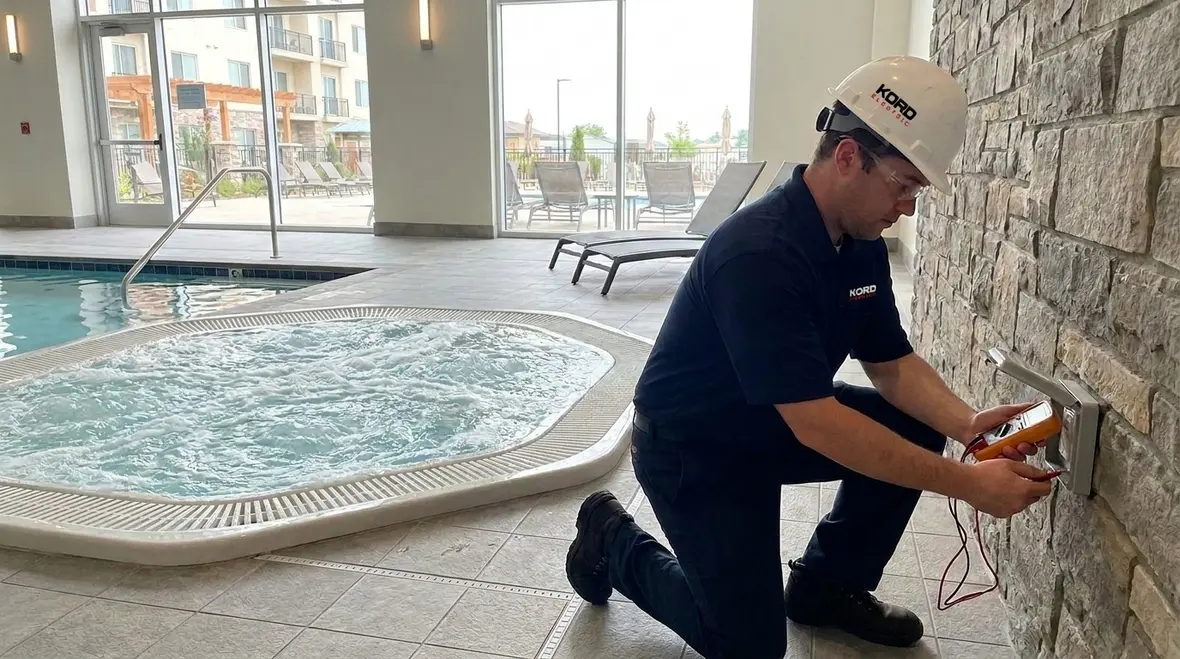
Kord Electric Guide to NFPA 70 Spa Receptacle Locations
Kord Electric guides you through NFPA 70 for commercial and industrial sites
At Kord Electric, we help commercial and industrial facilities build and maintain electrical systems that meet the rules, pass inspections, and stay safe. When we plan new work or review existing installations, we pay special attention to NFPA 70 Section 680.34 spa receptacle locations. In the real world, that means the spa and nearby wet areas must use the correct placement and protection, even if the building team is busy and the clock is rude. And yes, we have seen contractors try to “wing it” like it is a movie audition. Electrical code does not work like that.
To keep everything clear, our technicians and expert service staff explain the “why” behind the text. Then we connect those requirements to your facility plan, your inspection path, and your operational needs. Therefore, the rest of this article walks through the National Electrical Code approach for 2026 thinking, with practical steps for the field and the office.
What is NFPA 70 and how does it shape real installs?
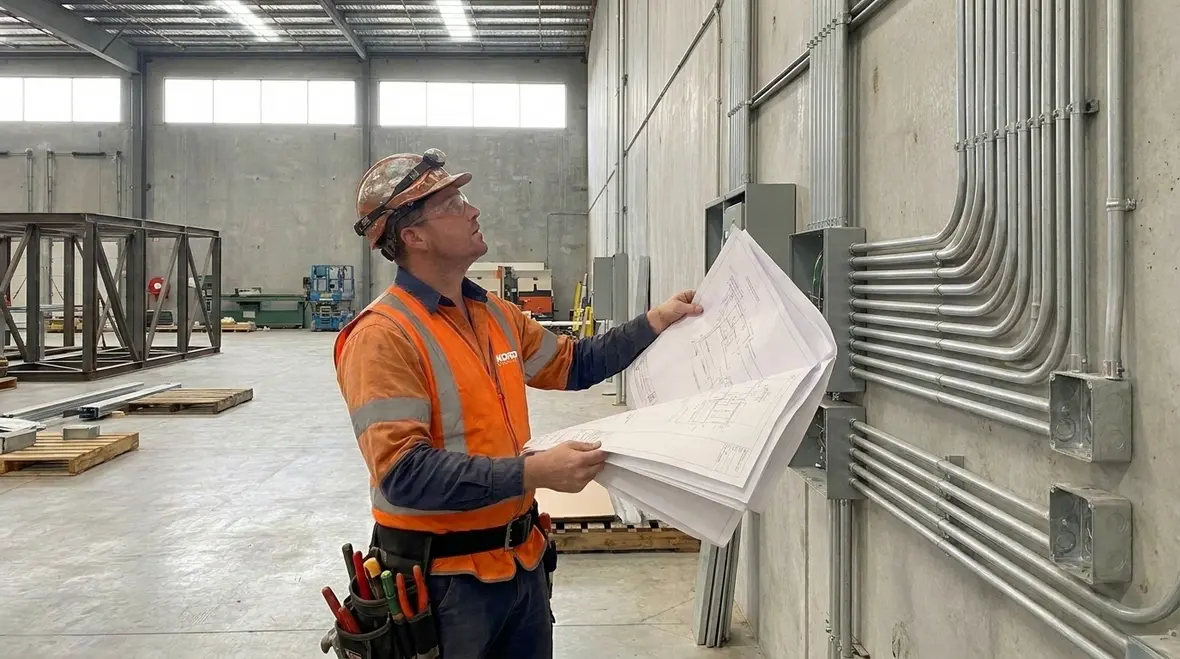
NFPA 70, the National Electrical Code, sets minimum safety rules for electrical installations. It does not replace engineering judgment, but it sets a baseline that AHJs, inspectors, and insurance reviewers expect to see. For major property buildings, hotels, hospitals, warehouses, office campuses, manufacturing floors, and large mixed use sites, we treat NFPA 70 like the shared language between everyone who touches power.
Moreover, the code evolves. As the 2026 updates roll forward, we focus on how new and revised sections affect device choice, wiring methods, protection, and the way wet locations get handled. Instead of memorizing numbers, we translate them into decisions: where the receptacles go, how circuits are protected, and what testing should happen before energizing.
Our expert service staff then documents those decisions in a format that helps your team. In other words, you get compliance thinking, not just a list of parts. And if someone tries to call compliance “extra,” we smile calmly and remind them that electrical safety is not a hobby.
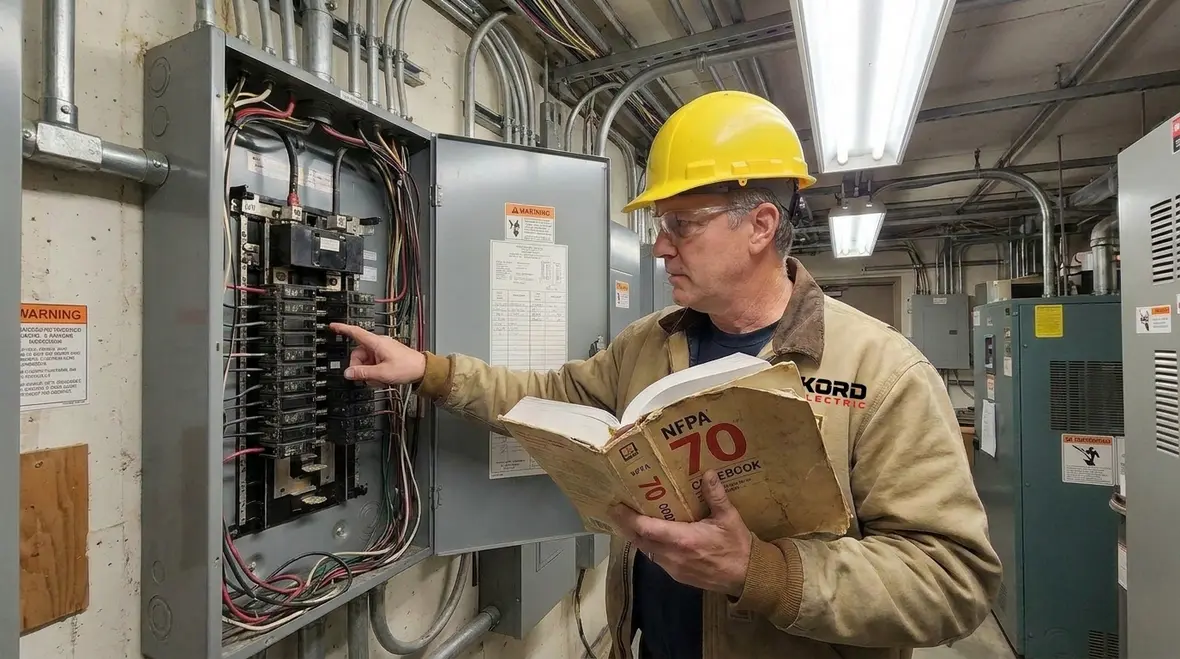
How we apply NFPA 70 Section 680.34 for spa receptacle locations
When your facility includes a spa, whirlpool, or similar area, the rules in NFPA 70 Section 680.34 spa receptacle locations matter because the environment raises risk. Water, splash zones, and wet surfaces increase exposure, so the code addresses where receptacles can be placed and how they connect to the rest of the electrical system.
In practice, our technicians start by mapping the space layout. Then we identify the spa itself, the wet zones around it, and any nearby surfaces where a person might reach while in contact with water. After that, we verify the receptacle placement aligns with the code’s intent and measurement approach.
Next, we confirm the circuit and protective device strategy. Even if the physical placement looks close enough, the wrong protection can still fail inspection or, worse, increase hazard. Therefore, we check the upstream circuit design, evaluate whether GFCI protection applies as required by the broader code sections, and ensure the wiring method suits the location.
We also coordinate with the building team. If the architect or pool contractor changes layout late in the job, we recheck the placement and document the change. That prevents the classic “it was correct yesterday” problem. Electrical work can wait for coffee, but it should not wait for assumptions.
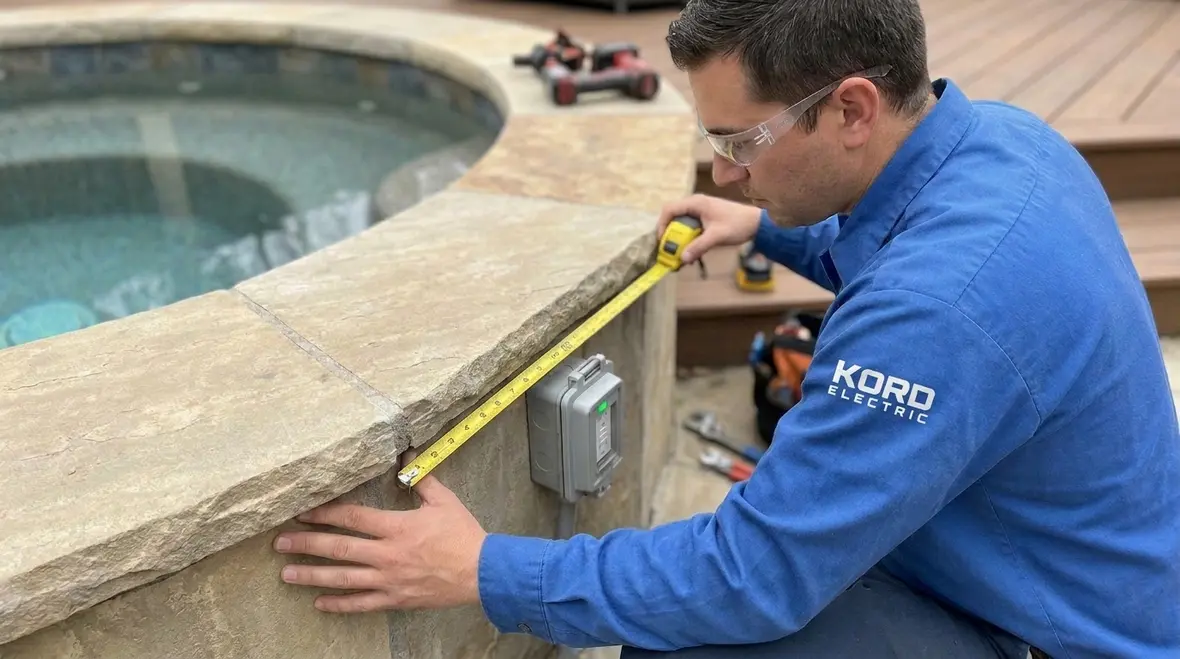
Wet locations, GFCI protection, and inspection readiness
Wet and damp locations receive extra care in NFPA 70 because they create conditions where electricity can travel differently than it does in dry spaces. As a result, we plan for proper equipment ratings, correct wiring, and dependable protection. For large facilities, we also manage how these devices fit into the building’s maintenance plan, so staff can test and service them without disrupting operations.
GFCI protection typically plays a major role in reducing shock risk in areas that include water. However, the code does not treat every wet setting the same way. So we do not assume. Instead, we review the installation details: the device location relative to the wet area, the circuit routing, the wiring method, and how the system will be tested at commissioning.
To stay inspection-ready, our team builds a clear paper trail. That means we keep records for device labeling, circuit identification, and any field changes. Meanwhile, we prepare your maintenance staff so they know what they will test and how they will document results. Inspectors appreciate that approach because it reduces back-and-forth.
When our clients ask, “Will this pass?” we respond with something more useful: “Here is what the inspector will look for, and here is how we prove compliance.” It is less guesswork than a sports analyst at halftime, and more like a plan that survives the third quarter.
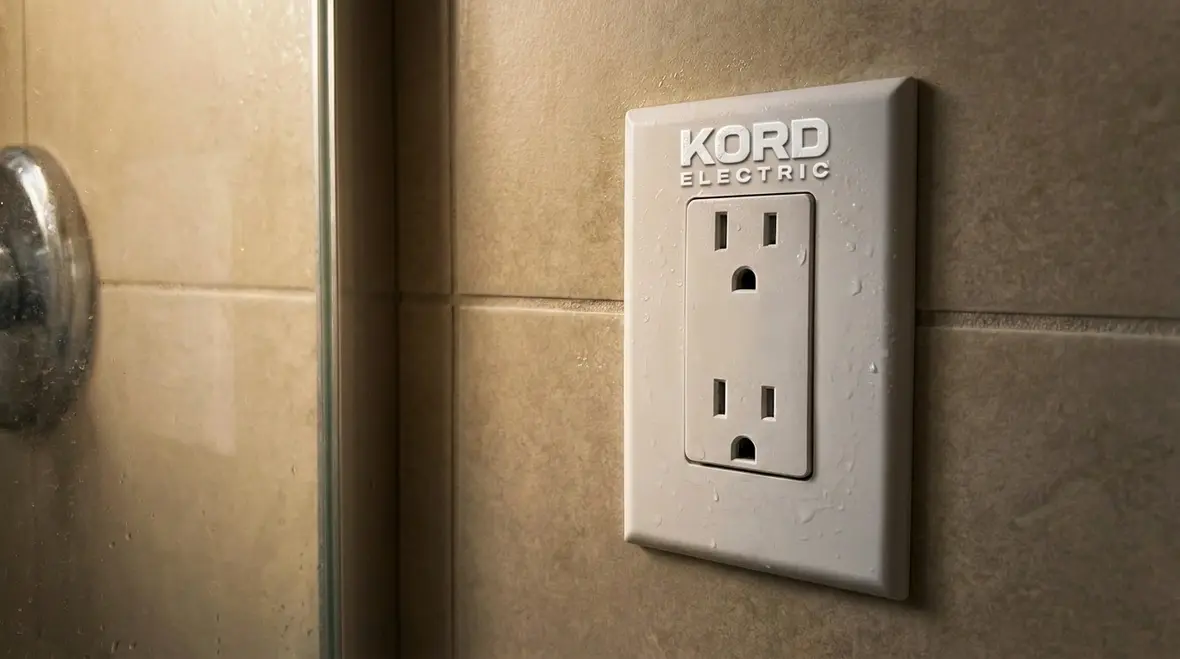
Commercial electrical planning for major property buildings
Large facilities operate on schedules, not on surprises. Therefore, our approach centers on coordination, load planning, and phased installation. For major property buildings, we consider how electrical work affects tenant spaces, mechanical rooms, and shared infrastructure. We also account for how wet-area installations interface with life safety systems and building controls.
In addition, we think about future maintenance. Devices near spas, pools, and other water features must remain accessible and serviceable. As a result, we design the electrical routing and device mounting so maintenance staff can reach wiring, test devices, and replace components without tearing up finishes.
Our technicians also confirm that the electrical design matches the site’s operational goals. If a facility uses timed events, heavy cleaning cycles, or high occupancy peaks, we help you plan how devices will be checked and how any nuisance trips will be handled in a safe way. In short, we build the system so it does not become a daily fire drill.
And since our work stays focused on commercial and industrial facilities and major property buildings, we align our process with those realities. We do not try to squeeze every project into a one-size template. We build around the building, the risk profile, and the inspection path.
What changes in the 2026 NEC mindset for teams like yours?
As the code updates move forward, teams often ask what will change and what stays the same. In general, the big themes remain: safety, correct device selection, correct protection, and correct installation practices. However, updates often refine details that affect how installers measure, place equipment, label circuits, and verify protection.
From our side, we watch how the updated NEC thinking impacts design and field work. Then we translate that into actionable steps: updated checklists, review points for designers, and field verification steps for our technicians. That way, your project does not rely on outdated assumptions.
We also share best practices drawn from our broader industry knowledge. If a facility already has a system in place, we review it carefully and flag gaps. If a new project is underway, we help teams keep the design and installation aligned. Either way, we aim to reduce schedule delays and rework.
Sometimes clients want a quick answer like a microwaved burrito. But electrical compliance requires a real process. So we use a steady, deliberate method, the kind that keeps everyone calm when the field gets loud.
If you want a deeper dive into how the National Electrical Code shapes commercial and industrial projects, our team also breaks down the broader framework in our guide Understanding NFPA 70: The National Electrical Code Explained for 2026, which pairs well with spa-specific planning.
Side by side: code focus and our field deliverables
| NEC focus areas we support | Kord Electric field deliverables |
| Wet location device placement and protection | Site mapping, receptacle location verification, and documentation |
| Circuit protection and safe wiring methods | Review of upstream protection, wiring method confirmation, and commissioning checks |
| Inspection readiness for large facilities | Labels, circuit ID support, and clear test records for maintenance teams |
FAQ
Final word from Kord Electric: let us review your next electrical plan
When your facility includes wet areas like spas, compliance cannot be treated like a last minute add-on. We at Kord Electric bring an expert technician mindset to design reviews, field verification, and commissioning support for commercial and industrial facilities and major property buildings. If you want a steady path to safe installations and smoother inspections, contact us. We will map the space, confirm the rules, and help your team move forward with confidence. Because nobody should gamble with electricity, even if they like action movies.
If your project is in Southern California and you need help beyond spa areas, our team also supports broader Los Angeles County electrical services for commercial and industrial facilities, tying NFPA 70 compliance into everyday operations, upgrades, and maintenance plans.
Whether you are planning a new spa installation, updating an existing wet area, or aligning your next project with the latest NEC thinking, we can help you build a practical, well-documented path from design to inspection. That includes aligning spa receptacle locations with NFPA 70 Section 680.34, verifying GFCI protection, and integrating these details into your wider electrical strategy so the spa behaves like part of a coordinated system, not a risky one-off feature in the corner of the floor plan.


