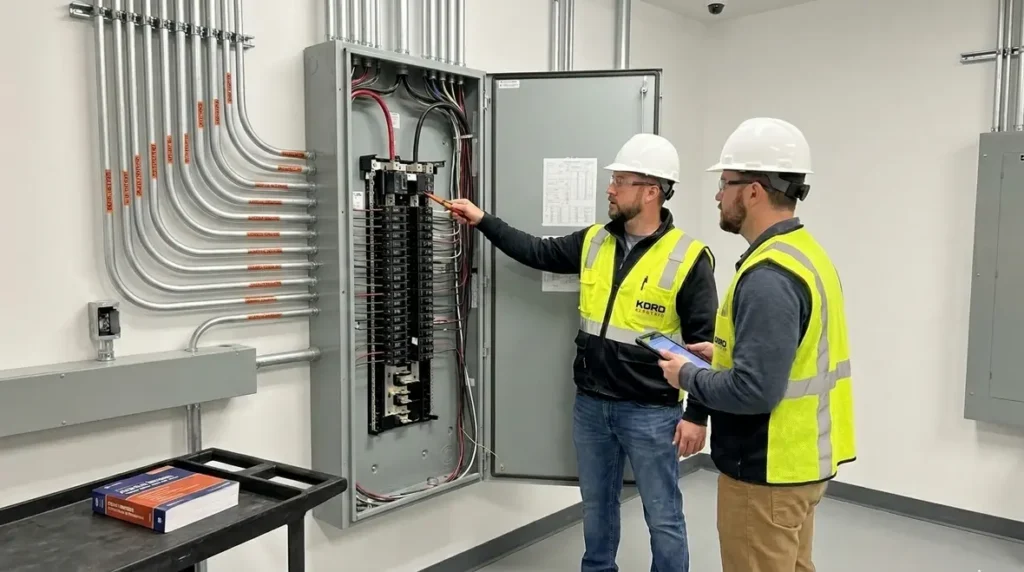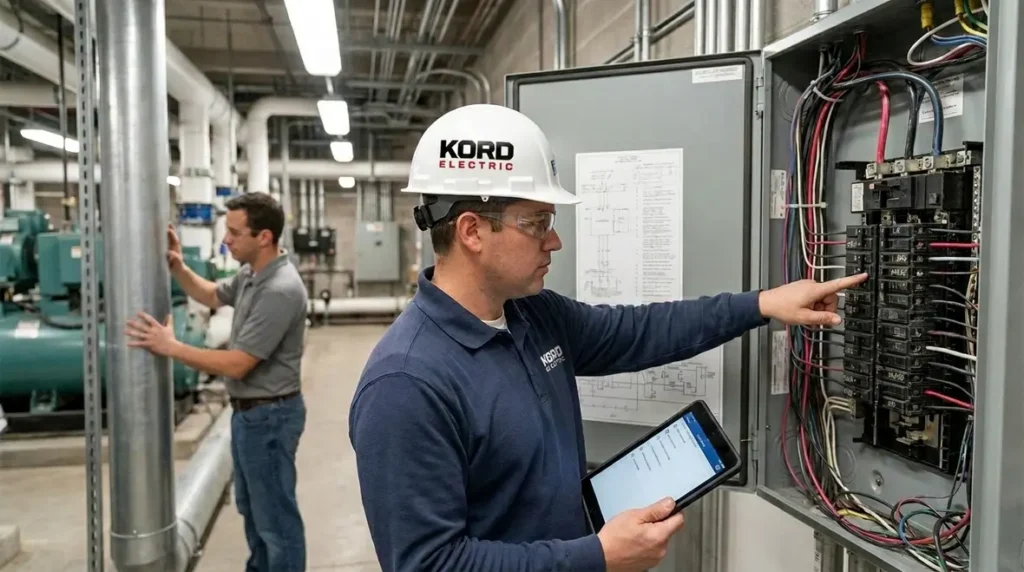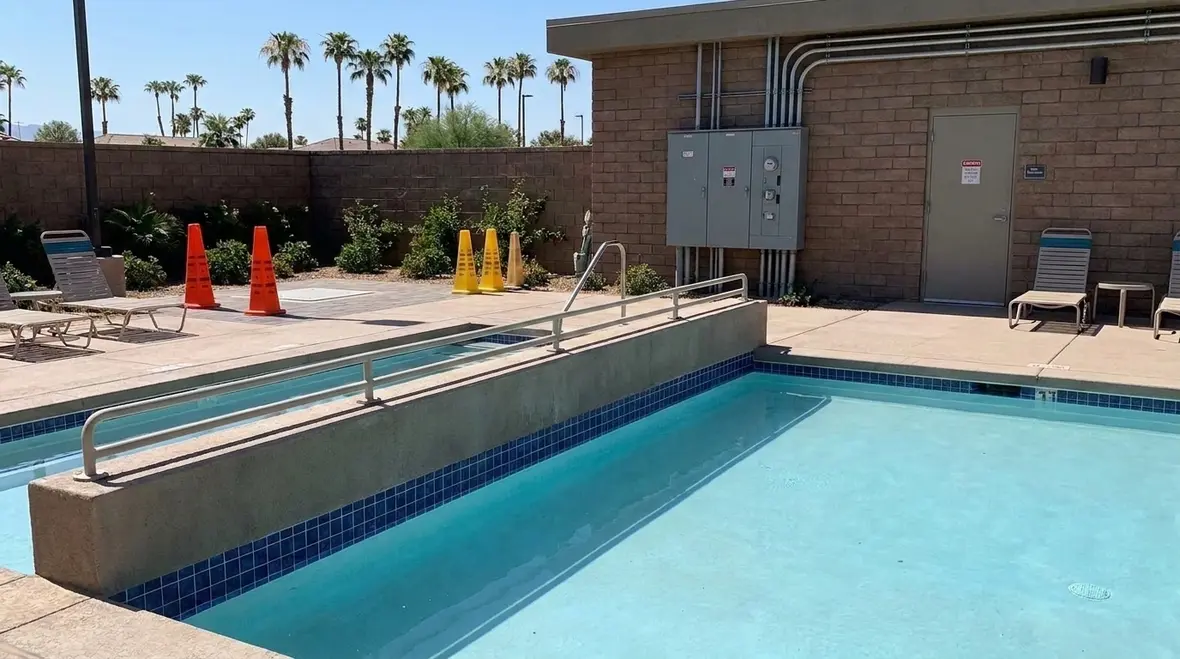
NFPA 70 Wading Pool Electrical Requirements by Kord Electric
When a facility includes water play, we do not treat it like a fun extra. We treat it like life safety. In the NFPA 70 Section 680.40 wading pool electrical rules, the code sets specific expectations for how power, wiring, and protection must work around shallow, splash-prone areas. That means the equipment choices are not “whatever fits,” and the installation steps are not “close enough.” Instead, we guide commercial and industrial property teams to follow the National Electrical Code so the system behaves correctly during normal use and during faults. And yes, we have seen what happens when someone treats a wading area like a snack table. Let’s walk through what our expert technicians look for and how we help you meet the requirements.
NFPA 70 and the way we interpret it for 2026 readiness
Kord Electric works with commercial and industrial facilities that live in the real world, where inspections happen, schedules slip, and utilities do what they do. So we read NFPA 70 as a set of practical safety rules, not as a pile of legal text. We also stay aligned with the NEC updates we publish and review through our teams, so your electrical systems keep pace. When the code evolves for 2026, the planning mindset matters early. If we wait until design is locked, we end up chasing changes with the urgency of a late-season contractor. We prefer to review requirements during planning, then confirm details at rough-in and before energization.
In our expert service process, we start by mapping what the facility includes and how people actually use it. Then we confirm the scope, such as pools, wading areas, and any nearby wet locations that can affect how conductors and equipment operate. Next, we verify the protective measures and the wiring methods that keep conductors safe from damage and keep people protected if something fails. This is where our technicians explain the “why” behind the rule, so your team understands what to expect during commissioning and inspection.
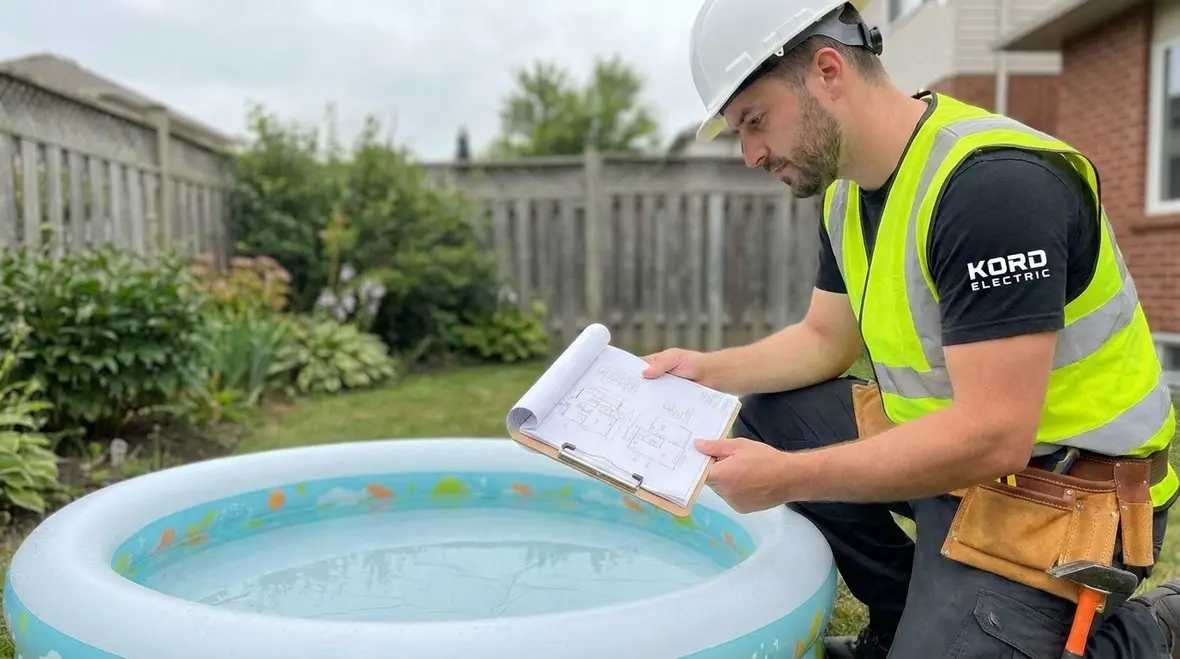
What NFPA 70 Section 680.40 wading pool electrical requires in plain terms
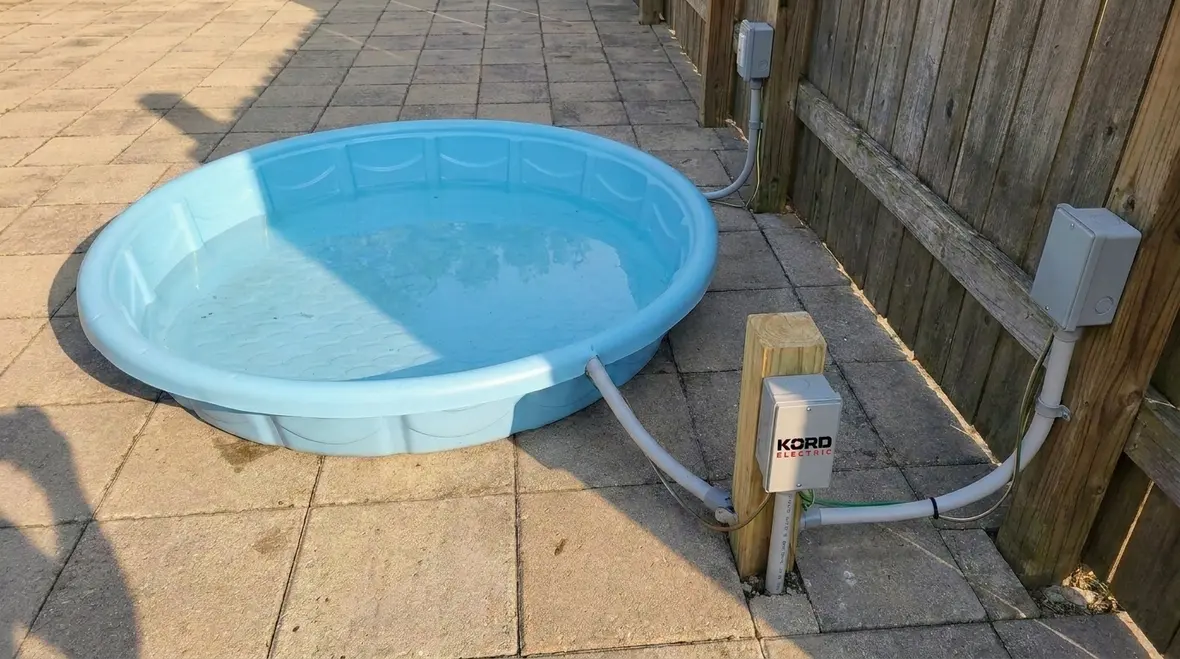
Our technicians often hear the same question: “Is a wading pool treated like a full pool?” The answer is that it is still a wet, hazard-based location, and NFPA 70 Section 680.40 wading pool electrical focuses on how power is handled around those shallow areas. We treat the section as a design boundary that affects wiring layout, equipment placement, and protection methods. Even though the water depth looks friendly, the safety requirements still demand serious discipline.
First, we verify the location and the rules that define what parts of the installation are subject to tighter control. Then we check how the electrical system is arranged so the wet area does not become an unintended shock pathway. Next, we validate grounding and bonding practices that reduce the risk of dangerous voltage differences. Finally, we confirm the use of appropriate protective devices for faults, because protection must react fast enough to matter in an emergency.
During site reviews, we also look for the details that get missed. For example, equipment installed near water must maintain safe spacing and must use suitable wiring practices that resist deterioration from damp conditions. We do not rely on memory or “typical” layouts. We measure, we document, and we explain what we find. That way your facility team can make confident decisions without guessing.
Connecting Section 680.40 to your broader NEC planning
We rarely look at NFPA 70 Section 680.40 wading pool electrical in isolation. In real facilities, this section connects with working space rules, equipment listings, disconnect locations, and even emergency power decisions. When a property team wants to understand how all of that ties together, we often point them to in-depth NEC explainers such as “Understanding NFPA 70: The National Electrical Code Explained for 2026” and related articles in the Kord Electric blog. Those resources help owners see how wading pool requirements plug into a much larger safety picture instead of feeling like a random one-off rule.
We also coordinate our work with specialized NEC coverage at Kord Fire. Their guide “NFPA 70 all about the National Electrical Code (NEC)” on kordfire.com breaks down how electrical safety supports fire protection and life safety strategies across complex buildings. That combined perspective keeps your wading pool project aligned with the same rulebook that governs distribution rooms, working spaces, and other high-value electrical zones.
How we handle bonding, grounding, and protective devices near water
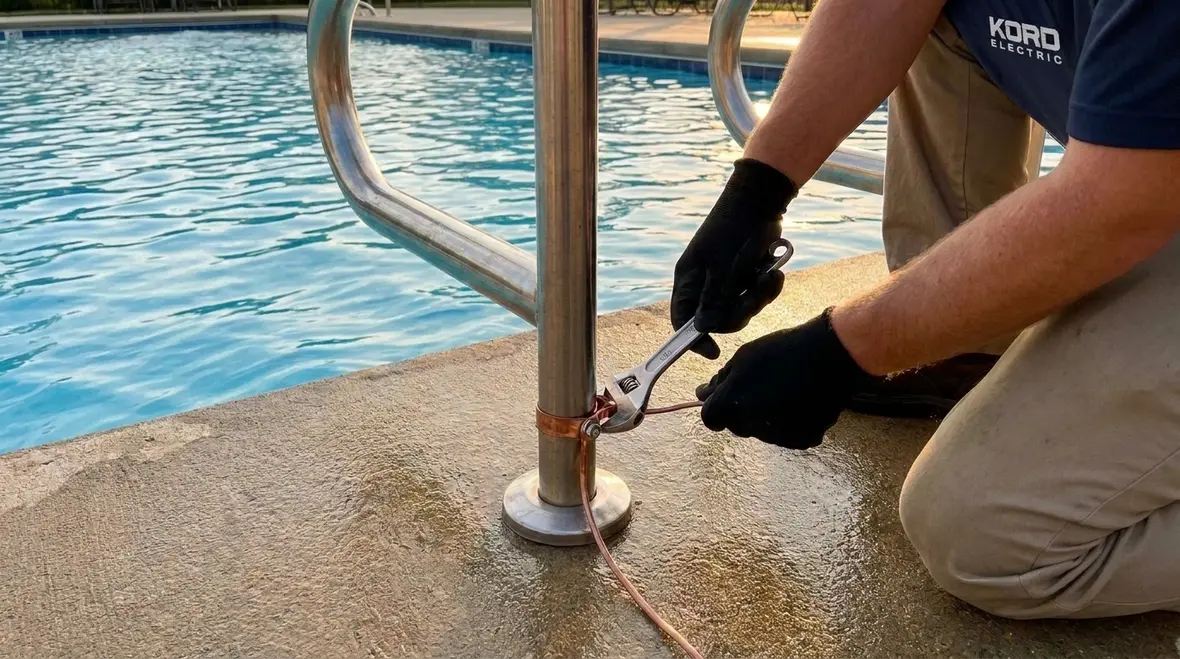
Even well-designed layouts can fail if bonding and grounding are sloppy. So our expert team treats bonding and grounding as a system, not a checklist. We connect conductive parts to create a stable electrical reference. This helps keep surfaces at safer potentials during fault conditions. In practical terms, we verify that metallic parts that should be bonded are actually bonded, and that the bonding method follows the code requirements for the type of installation.
Then we focus on protective devices. Protective devices must detect faults and clear power quickly. If the design depends on a breaker that never trips because of a mismatch in ratings, the facility ends up with delayed shutdown. That is not a “small issue.” That is the difference between a controlled incident and an uncontrolled one. We evaluate device ratings, coordination, and how the devices pair with the wiring method and equipment type used near the wading area.
To keep things clear, we explain it to facility managers like this: grounding and bonding aim to limit the voltage difference that people could feel, while protection aims to remove the fault quickly. Both must work together. If one is weak, the other cannot save the day. And yes, even Batman needs both—he cannot just punch his way through a bad wiring method.
Why grounding and bonding details decide inspection outcomes
Most failed inspections around wading pool electrical systems trace back to small details: a missed bonding jumper, an unverified connection, or a device that was never tested under real load conditions. That is why our teams do not just tick boxes on a form. We physically trace bonding paths, verify terminations, and confirm that equipment grounding conductors follow the path the drawings promise.
Our NEC-focused connection quality practices mirror the same discipline we bring to other code-driven work. For example, in our “NEC electrical connection quality standards and impact” article, we break down how proper terminations, torque, and cleanliness reduce heating and failure risks in commercial gear. Those same expectations absolutely apply near water play features, even if the loads look small on paper.
Wiring methods, equipment placement, and inspection readiness
Code compliance is not only about what you pick. It is about how you install it. For commercial and industrial facilities, we coordinate wiring methods with the physical layout. We confirm that conductors and cables run where they should, with protection where they need it, and with termination practices that stay reliable over time.
Equipment placement matters because water splash and damp environments can degrade components. Therefore, our technicians pay attention to where equipment is installed relative to the wet area, and we check that listed equipment is used as intended. We also confirm that the installation provides the correct separation from wet locations so the system stays safe under normal operation.
As we approach inspection readiness, we do not just build and hope. We document. We verify labeling, verify access, and verify that the as-built wiring matches the approved plan. If we spot a mismatch, we correct it early rather than letting it travel down the schedule like a rumor. The team at Kord Electric has the habit of explaining each step so your maintenance staff knows what the inspection expects and what the next steps will be.
Learning from wiring methods in other NEC-driven spaces
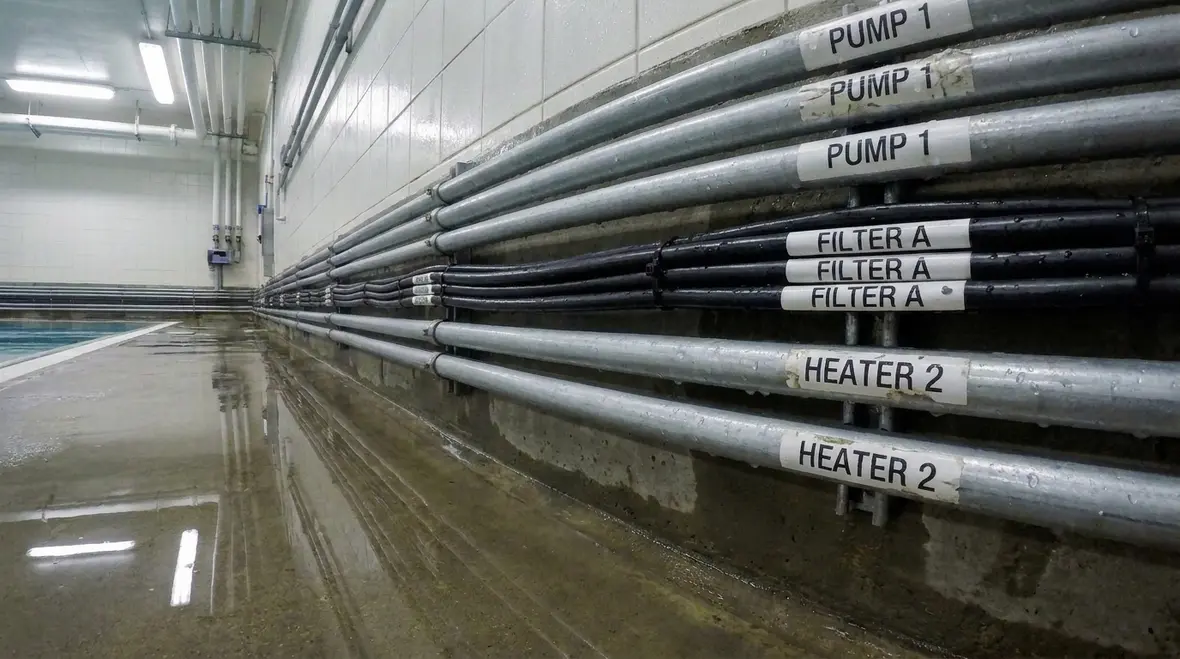
Many of the lessons from NEC Section 669.6 electrical room wiring methods also apply to wading pool support areas. In both cases, you need routing discipline, protection from physical damage, and clear access to disconnects and control devices. Our electricians do not want your maintenance team playing hide and seek with conductors when they should be focusing on safe operation.
For teams who want a broader background on how working spaces and wiring paths affect safety, our post on “NEC Working Space Equipment Clearances for NFPA 70 110.26” explains how clearances protect technicians and keep maintenance from turning into a contortion act. Those working space expectations absolutely matter when your wading pool equipment shares walls or rooms with other critical gear.
Common compliance mistakes we see in major properties
In commercial settings, the same mistakes repeat because speed and cost pressure creep in. We address these issues before energization. Here are the common ones our technicians find, and the way we help teams fix them:
- Assuming wet areas follow “generic” rules: We confirm the specific scope and location rules so the design matches the code intent.
- Overlooking bonding continuity: We test and verify that bonding paths stay intact from source to metallic parts.
- Using equipment that fits the space but not the requirement: We validate listed equipment suitability for the environment and the intended use.
- Skipping documentation: We capture the details inspectors ask for, so your team does not scramble later.
- Delaying changes: We coordinate early so updates do not turn into emergency work after rough-in.
We also keep an eye on related safety systems because facilities often include multiple water-related components. When the electrical plan connects with other systems, we make sure the overall approach stays consistent and safe. That is why our process remains thorough, calm, and deliberate, even when the project schedule acts like a group chat during a sale.
How proactive NEC education reduces these errors
A big reason these recurring mistakes show up is that many teams only see NEC sections in isolation. When project leaders spend time with resources like our “Electrical Code Upgrade Consulting for Renovations” guide or our “Emergency Power Backup for Offices That Works” article, they start to see how early code conversations prevent late-game surprises. We bring the same mindset to wading pool power: align on NFPA 70 expectations now, then build once instead of twice.
We also encourage facility staff to use broader NFPA code resources from Kord Fire, including their NFPA codes and guidelines hub. That library outlines how electrical, fire, and life safety codes weave together so your team does not treat each discipline like a different universe.
Real-world integration with facility planning and other code areas
Commercial and industrial properties rarely have only one safety system. We therefore integrate the wading pool electrical requirements into the facility electrical planning process. That includes how the area connects to main distribution, how controls operate, and how emergency considerations work within the building’s overall safety approach.
We also coordinate with fire and water safety planning. While our core focus at Kord Electric is electrical, we understand that fire protection and water systems share the same physical space and can share project timelines. Our sister platforms support deeper learning for teams involved with safety code topics, including the NEC resources at kordfire.com and regional perspectives through kordfire.com.au. In addition, we stay aware of guidance published by organizations that focus on fire pump systems and related water safety, such as firepumps.org, because facilities often coordinate pump rooms and water hazards on the same schedule.
This broader awareness helps us deliver a design that does not fight the rest of the building. As a result, your facility gets safer wiring, cleaner commissioning, and fewer surprises during inspection day.
Linking wading pool work with regional service support
Because many of our projects sit in and around Los Angeles County, we connect wading pool electrical planning with the same regional support structure that backs our broader electrical asset management work. Our dedicated Los Angeles County electrical services team helps synchronize shutdowns, inspections, and commissioning steps so your wading pool upgrades do not disrupt tenants more than necessary.
If your property operates in that region and needs a single partner to align wading pool electrical, code upgrades, and ongoing maintenance, our Los Angeles County electrical services program is built for exactly that mix.
Featured FAQ: wading pool electrical compliance
How Kord Electric helps you keep systems compliant and steady
We do not chase checkboxes. We build safe, inspection-ready electrical systems for commercial and industrial facilities, including water-related areas covered by NFPA 70. Our technicians explain each decision, document the work, and coordinate planning so the final installation matches the approved intent. If you want wading pool electrical designed and verified with real jobsite discipline, we are ready. Contact Kord Electric today to schedule a review, discuss your facility scope, and set your project up for smooth commissioning.
Many property teams also use wading pool upgrades as a chance to align other NEC-driven systems. That might include improving working clearances, tightening up connection quality, or evaluating lockable disconnects and LOTO readiness near mechanical equipment. Because we already help facilities with troubleshooting, asset management, and emergency power planning, we can fold your wading pool project into a broader electrical strategy instead of treating it as a one-off task.
If you are comparing options, our blog library is a helpful way to see how we think. Posts on topics like data center NEC requirements, industrial surge protection, and electrical code upgrade consulting show the same calm, practical tone we bring to wading pool work: code-aligned, inspection aware, and grounded in what actually happens on busy job sites.
Conclusion
In the end, we help you treat NFPA 70 wading pool electrical requirements like safety-critical engineering, not like an afterthought. Our technicians work through the details of bonding, grounding, wiring methods, and protective devices with the patience that inspections demand. And because commercial and industrial schedules do not pause for surprises, we plan early and verify often. If your team is building, renovating, or upgrading water-related areas, reach out to Kord Electric for a compliance-focused electrical review. We will make the code feel less like a riddle.
Whether you are coordinating new construction or retrofitting an older property, our NFPA 70 planning discipline extends from wading pools to electrical rooms, fire pump interfaces, and beyond. By treating each code section as part of a unified life safety map rather than as scattered rules, we help your facility operate with fewer surprises, clearer documentation, and a much smoother inspection day.