
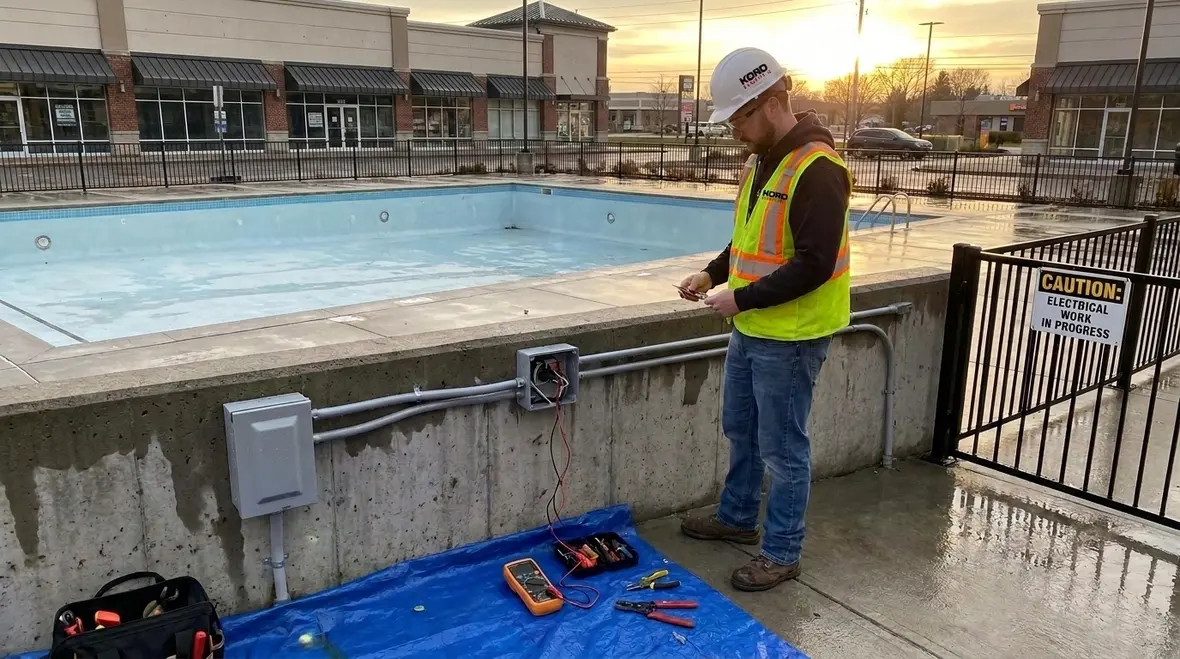
NFPA 70 Section 680.42 Wading Pool Outdoor Wiring
At Kord Electric, we regularly help commercial and industrial facilities handle one of the most overlooked tasks in electrical planning: safe NFPA 70 Section 680.42 wading pool outdoor wiring for shared play spaces and water features. Within the first steps of a job, we make sure the right standards guide the design, not guesswork. And yes, we have seen what happens when someone treats a wiring diagram like a mystery novel and “hopes for the best.” It usually ends with a call to us, long after the building owner thinks everything is fine.
As we explain it, we focus on how the NEC treats wading pools, outdoor locations, and the water area boundary. Then we connect it to the practical steps our technicians and expert service staff use in the field, so your project stays compliant and dependable.
NFPA 70 Section 680.42 and why it matters outdoors
NFPA 70 is the National Electrical Code, and it sets minimum rules that keep people safe and systems reliable. For water areas, the NEC treats electrical equipment differently because water lowers the line between “safe” and “dangerous.” Consequently, requirements for NFPA 70 Section 680.42 wading pool outdoor wiring focus on location, wiring methods, and how the installation reduces shock risk.
In plain terms, the Code expects electricians to limit exposure and control how power reaches circuits serving water features. Furthermore, the outdoor part of the requirement means you also must account for weather, moisture intrusion, and corrosion risk. So while a typical interior circuit might survive neglect for a while, outdoor wet locations rarely forgive it.
Our technicians explain this clearly on site. First, they map the water area and any boundaries the Code uses. Then, they identify what equipment counts as part of the electrical system for the pool. After that, they verify that the wiring and equipment installation method matches the rules. In other words, we do not just “install wire.” We install the right system in the right place.
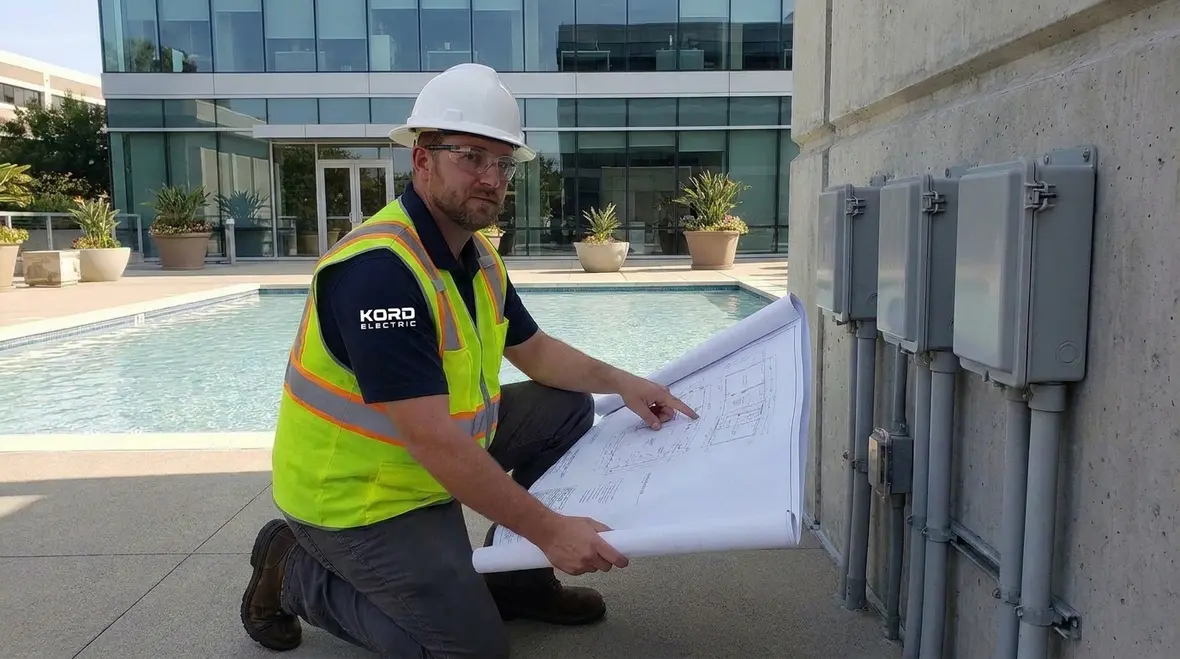
Water area boundaries and how we plan the layout
When our team handles water feature electrical work, we start with layout because layout drives compliance. For wading pools, the NEC uses defined concepts of the area around the pool where electrical hazards must be controlled. Therefore, the first step is understanding what the Code considers “near” or “within” the specific zone.
Next, we translate those ideas into real building decisions. For example, we review the site plan, check where conduit will run, and confirm where receptacles, lights, and other connected devices land relative to the water area. Then we coordinate with the contractor team, so piping, landscaping, and drainage do not push electrical runs into unsafe zones.
Here is where we keep it practical. Our expert service staff often tells facility managers: “If you move one post, you can move three months of work.” That is not a threat, it is just math. If you reroute a conduit run after rough-in, you may force changes to wiring methods, equipment placement, or bonding details. And nobody wants to redo trenching because of an avoidable layout conflict.
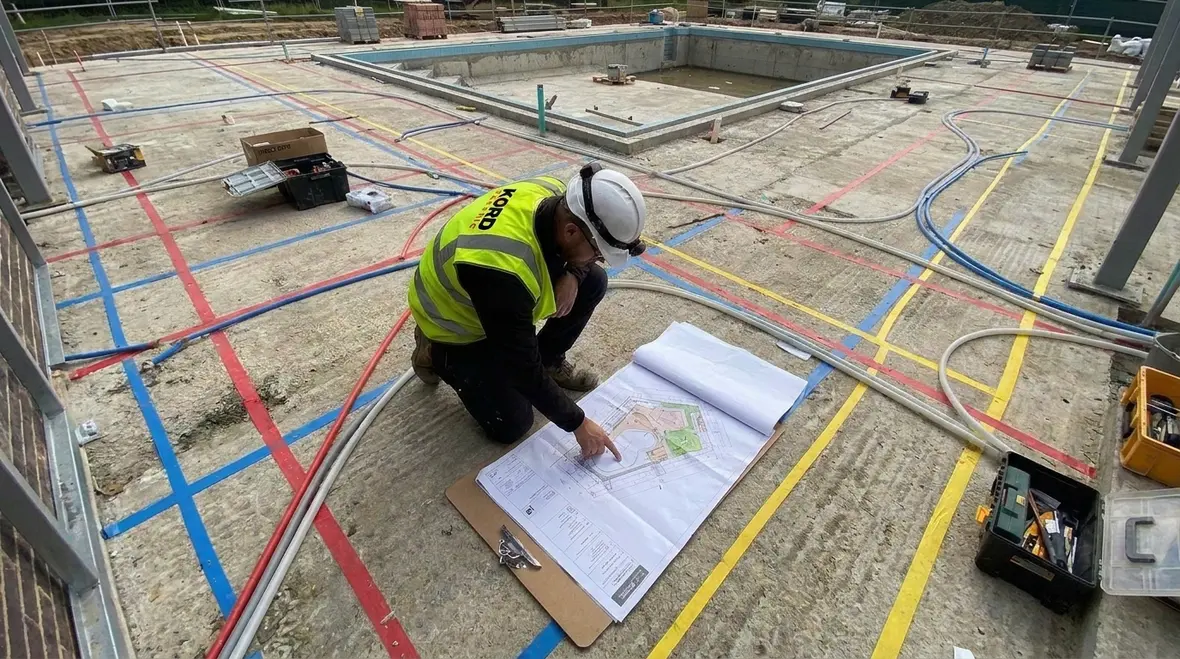
Wiring methods, protection, and what outdoor conditions demand
Outdoor wiring for water features must handle rain, standing water, humidity, and temperature swings. As a result, the installation must use wiring methods designed for wet locations and physical protection. We also design the circuit so protective devices function as intended under fault conditions.
During planning, our technicians check these items in a disciplined order. First, we verify conductor and cable type, and we confirm that the wiring method fits the environment. Then we evaluate how the system stays protected from physical damage, especially where foot traffic, maintenance activity, or equipment access can impact conduit and enclosures.
After that, we focus on circuit protection and bonding concepts that reduce risk. We do not ask you to memorize Code language. Instead, we explain how the pieces work together and why they matter for a commercial or industrial setting. In a large facility, the electrical system must stay predictable even when maintenance schedules get busy. Outdoor water area circuits deserve the same discipline you expect from other critical building systems.
To keep the conversation grounded, we sometimes compare it to a pop culture moment: “You can’t improvise safety like it is a streaming series.” Outdoor electrical installations need structure, inspection readiness, and clear documentation.
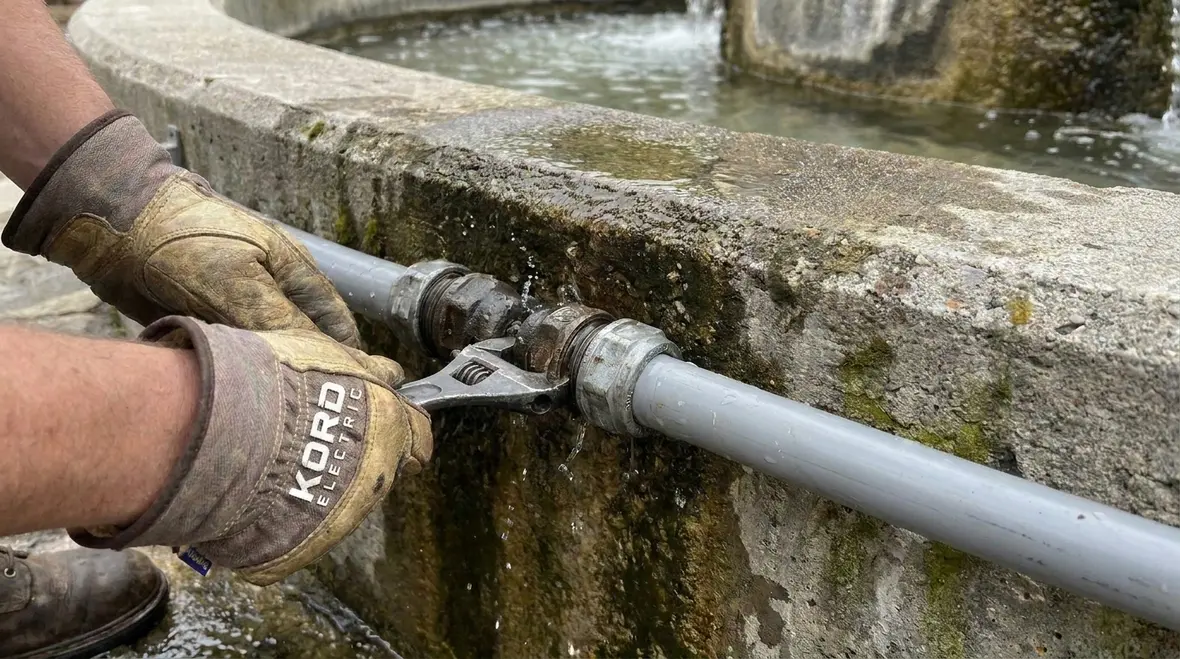
How technicians verify compliance on the jobsite
Standards only help if the installation matches them. So our process includes verification steps that go beyond “it looks right.” We organize field work so that it is inspection-friendly and easy to audit later, which matters a lot for major property buildings.
First, our technicians confirm equipment ratings and installation location before closing walls or burying conduits. Next, we inspect supports, fittings, and sealing practices where moisture can enter. Then we check bonding and grounding continuity where applicable, because that step ties the system together into a safer whole.
Finally, we plan for testing and documentation. We want the facility team to understand what we installed, where it runs, and how it should be maintained. If a later service call happens, we can help faster because the records are clear. And yes, our technicians love clear labels as much as anyone loves finding matching socks. The difference is that electrical clarity keeps people safer.
For readers who want broader background on the NEC structure and how others interpret it, we also reference guidance from reputable sources like Kord Fire and industry resources such as FirePumps.org. We use those materials to support our understanding, then we apply it with our own field method.
Coordination with fire and life safety teams
Commercial and industrial facilities rarely have one system working alone. Electrical installations near water features can intersect with life safety planning, monitoring, and code-driven building systems. Therefore, we coordinate early with fire and life safety stakeholders so electrical work aligns with overall safety goals.
In practice, that means we communicate circuit intent, device locations, and any maintenance access paths. Also, we confirm how the pool area fits into the site’s broader electrical distribution and emergency considerations, where required. Then we help the broader team avoid “after-the-fact” changes that can disrupt schedules or require rework.
We keep this collaboration business casual and direct. We explain in normal language what the wiring will do, how it will be inspected, and how it will be maintained. Meanwhile, our technicians remain focused on safe workmanship and clean handoffs.
If you are reviewing requirements in the wider NEC context for 2026 updates, it helps to understand the Code’s overall approach. Guidance we draw from NEC summaries and related resources, including those posted by Kord Electric and Kord Fire, emphasizes that the NEC targets risk reduction with clear rules. We translate that into drawings, installation steps, and field checks that align with real site conditions.
Maintenance, inspections, and keeping systems dependable
Once the installation is complete, the job does not end. Outdoor water area electrical systems need periodic inspection to confirm weather seals, enclosure integrity, and device operation. Moreover, facilities need to plan maintenance access, because guesswork leads to delayed repairs.
Our expert service staff recommends a practical maintenance routine. First, check for signs of water intrusion at enclosures and junction points. Next, verify that devices remain secure and that any protective covers stay intact. Then test operational behavior of the connected components according to the facility’s documented procedures.
In addition, we encourage facilities to maintain a record trail. When a technician revisits an area months later, the documentation helps them find the correct circuit and understand how it ties into the building system. This reduces downtime and limits the “where does this wire go” scavenger hunt that slows commercial operations. If you have ever watched a detective chase start with “somebody changed this once,” you understand why records matter.
Why Kord Electric handles commercial and major property projects
We focus on commercial and industrial facilities and major property buildings, and that focus shapes how we work. We understand that these projects need schedule discipline, inspection readiness, and careful coordination across trades. We also understand that service teams and building operators value clarity, not vague assurances.
So we build our process around fast communication, reliable workmanship, and Code-driven planning. Our technicians explain what we do as we do it, and our expert service staff supports facility managers with straightforward maintenance guidance. Whether the job involves initial installation or later service work, we treat water area electrical systems like the critical infrastructure they are.
And because outdoor conditions never take a day off, neither do we. We plan for real weather, real access needs, and real operational constraints.
For facility leaders who want to keep learning, we often point them to deeper resources such as our own NEC-focused articles, including our blog on Understanding NFPA 70: The National Electrical Code Explained for 2026, and technical guidance from our partner company Kord Fire on topics like NFPA 70 and the National Electrical Code for fire safety systems. The more your team understands the intent behind the rules, the easier it becomes to keep every project aligned with them.
FAQ
Dual column: Practical checklist for project readiness
Planning steps
Map the pool area and boundaries
Confirm device and conduit locations
Review wiring methods for wet locations
Coordinate trade schedules
Prepare documentation for inspection
Field verification
Inspect equipment ratings before close-up
Check enclosure integrity and sealing
Verify bonding and grounding where needed
Confirm routing and physical protection
Test and label circuits clearly
Conclusion and next step with Kord Electric
If you manage a commercial property and you need safe, compliant electrical work for water features, we are ready. At Kord Electric, our technicians and expert service staff plan carefully, install clearly, and verify compliance so your project stays safe and inspection-ready. Do not wait for the problem report to arrive like a surprise plot twist. Contact us now to review your site layout, wiring approach, and maintenance plan for outdoor water area systems. We will help you move forward with confidence and calm focus.
If your project extends beyond a single wading pool or outdoor water feature, our team can also support broader upgrades, troubleshooting, and maintenance through our Los Angeles County electrical services for commercial and industrial facilities. That way, NFPA 70 Section 680.42 wading pool outdoor wiring becomes part of a larger, coordinated strategy for power quality, safety, and uptime across your property.
For facility leaders who want to explore more code-focused reading, you can also review our in-depth NEC resources, including our guide on Understanding NFPA 70: The National Electrical Code Explained for 2026. Pair that knowledge with a site walk from our technicians, and you have both the concepts and the field expertise needed to keep your wading pool electrical systems safe, documented, and ready for the next inspection.


