NFPA 70 Section 680.44 Wading Pool GFCI Safety
Commercial owners ask for safety we can explain: NFPA 70 and the wading pool circuit
At Kord Electric, we support commercial and industrial facilities and major property buildings, and we treat electrical code work like a life jacket, not a decoration. Early in our conversations we often reference NFPA 70 Section 680.44 wading pool GFCI because it sets a clear expectation for ground fault protection around specific water uses. To be clear, when a property includes a wading pool, that GFCI requirement matters, and our expert service staff helps teams understand why it exists and how it affects design, inspections, and ongoing safety.
We do not just quote the rule and walk away. Instead, we translate what it means for engineers, facilities managers, and contractors. And yes, we will say the obvious: water plus electricity is a bad mix, like putting soda in a server rack. Still, the code gives us the methodical way to reduce risk.
What NFPA 70 expects under the NEC, and how we interpret it for buildings
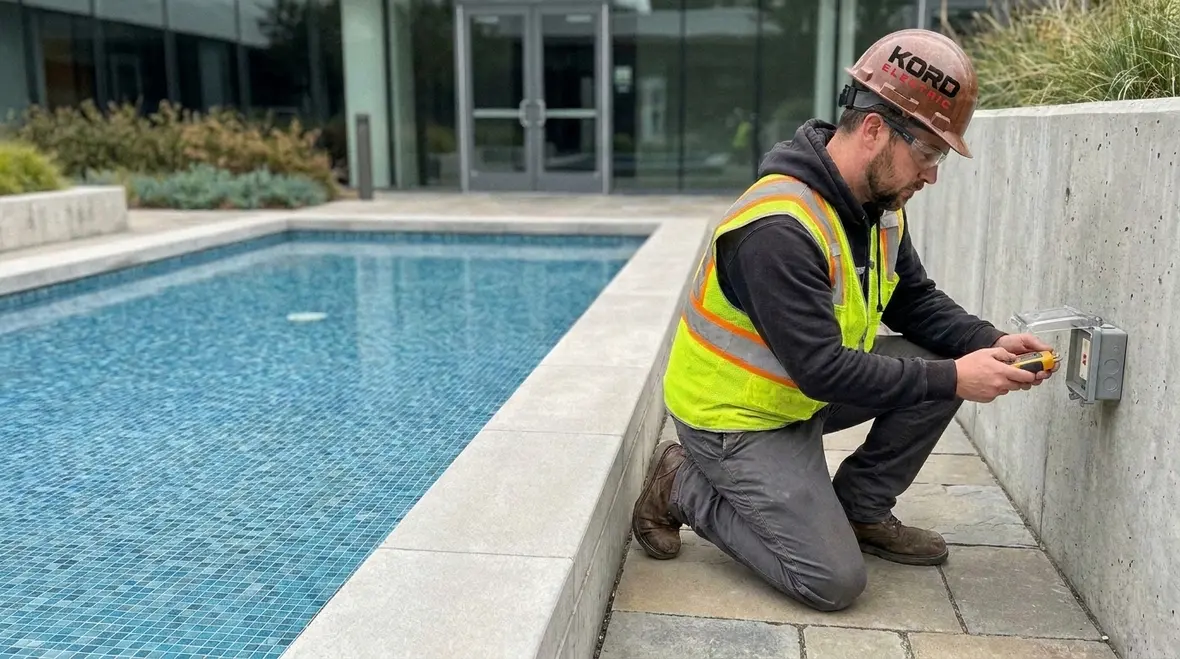
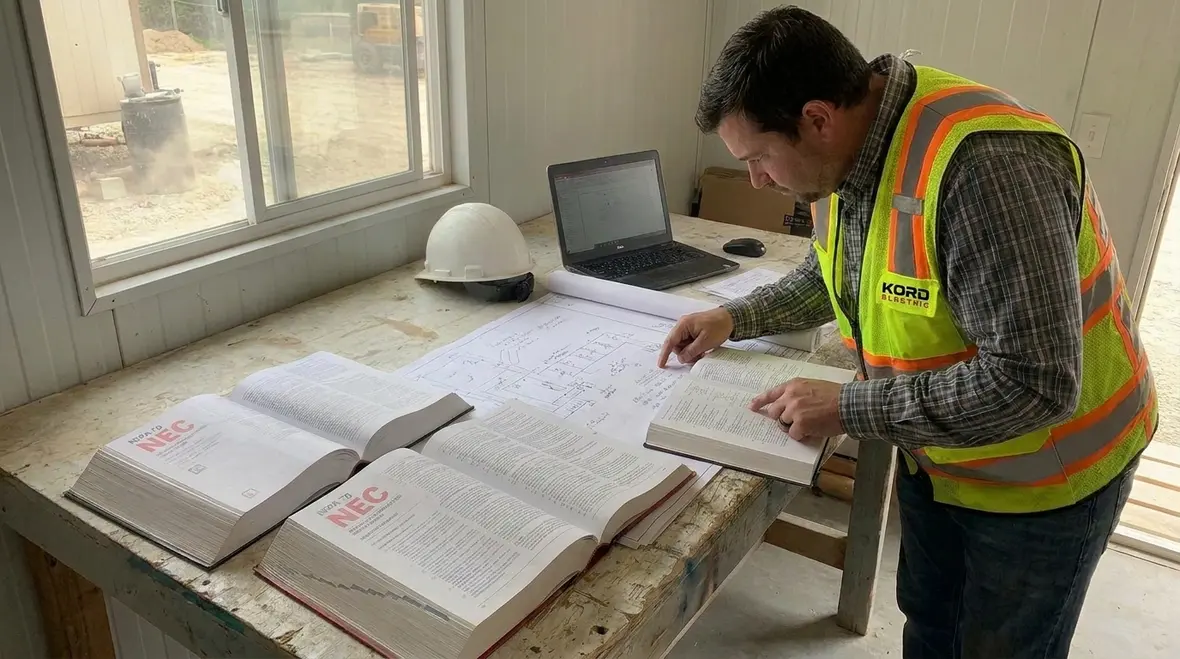
NFPA 70 is the foundation of the National Electrical Code, often called the NEC. It organizes safety rules for wiring, equipment, and building systems. However, the real challenge for owners is not memorizing language. The challenge is applying it correctly across drawings, field conditions, and maintenance habits.
In our planning and review work, we treat the NEC as a practical system. First, we identify the occupancy and the electrical environment. Next, we locate the zones where people interact with power, especially where water, metal surfaces, or wet locations exist. Then we align the design and the installed hardware so the protection device behaves as the code intends.
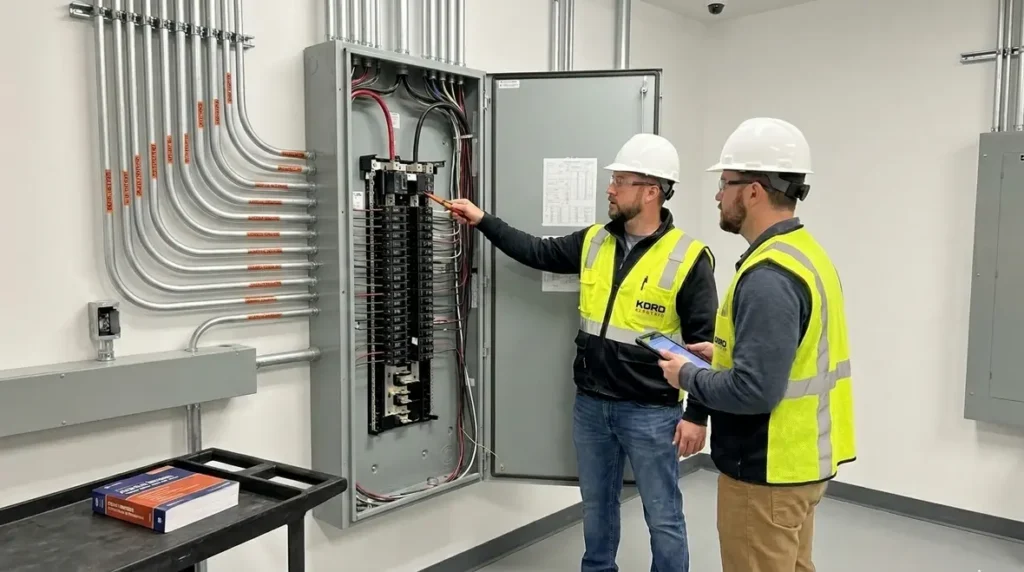
At Kord Electric, our technicians explain this in plain terms. We show facility teams where a rule creates a measurable test, such as the way GFCI must detect a ground fault quickly enough to reduce shock risk. Furthermore, we help others avoid common mistakes that look fine on paper but fail during functional checks.
For teams who want the broader background, we point them to resources such as the Kord Electric blog article Understanding NFPA 70: The National Electrical Code Explained for 2026 and companion Kord Fire pages that explain the NEC and how it updates, including the concept of staying aligned with the latest editions. In our world, “latest” means less guesswork and fewer expensive surprises.
Why water features demand tighter shock protection and grounding
When people step into a wading area, the body becomes an easy path for fault current if wiring problems develop. Water does not need to be “dramatic” to increase risk. Even normal dampness around a pool deck and splashing can reduce the resistance a person offers to an electrical fault.
That is why shock protection rules cluster around wet locations and water-related installations. We do not treat it as a checkbox. We treat it as a physics problem: if current leaks to an unintended path, a proper protective device needs to react.
So, in practice, we examine how equipment is fed, how conductors are routed, and how connections are made. Then we confirm that grounding and bonding do what the NEC expects. After that, we verify that protective devices can sense fault conditions and interrupt power fast enough.
Our expert service staff also reminds teams of the “maintenance tax.” Devices can drift over time. Breakers trip. GFCIs age. Devices get replaced with whatever fits, instead of what works. And like a pop song that keeps getting remixed, the problem can repeat if we do not keep the system consistent.
NFPA 70 Section 680.44 wading pool GFCI: what we check on real projects
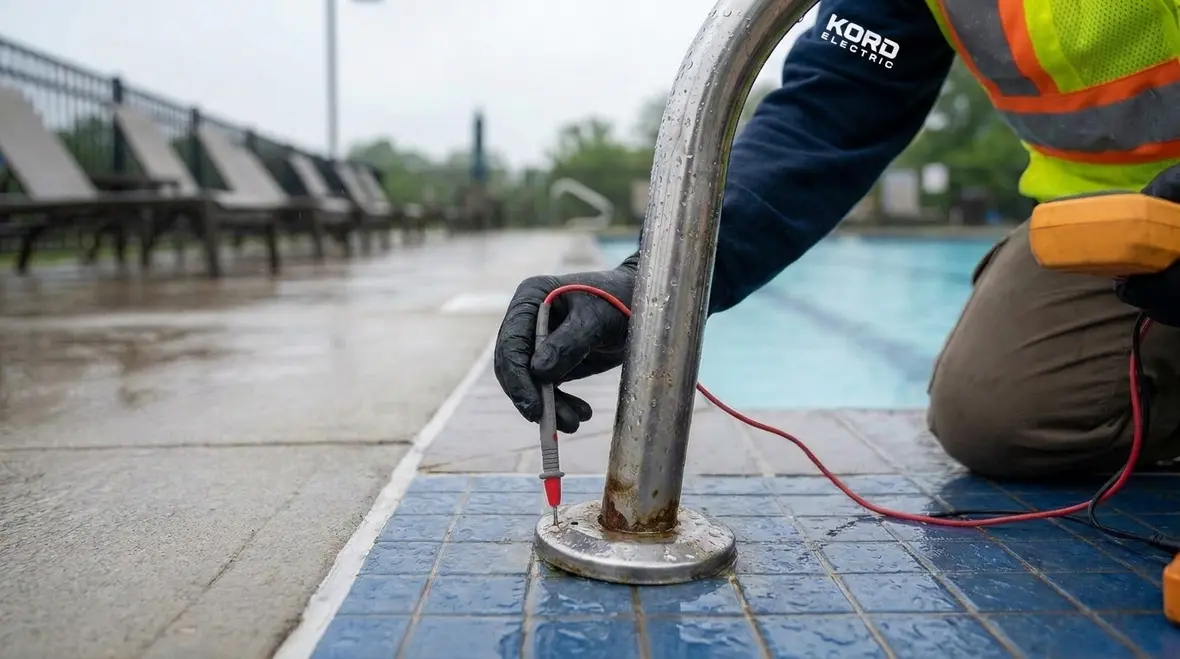
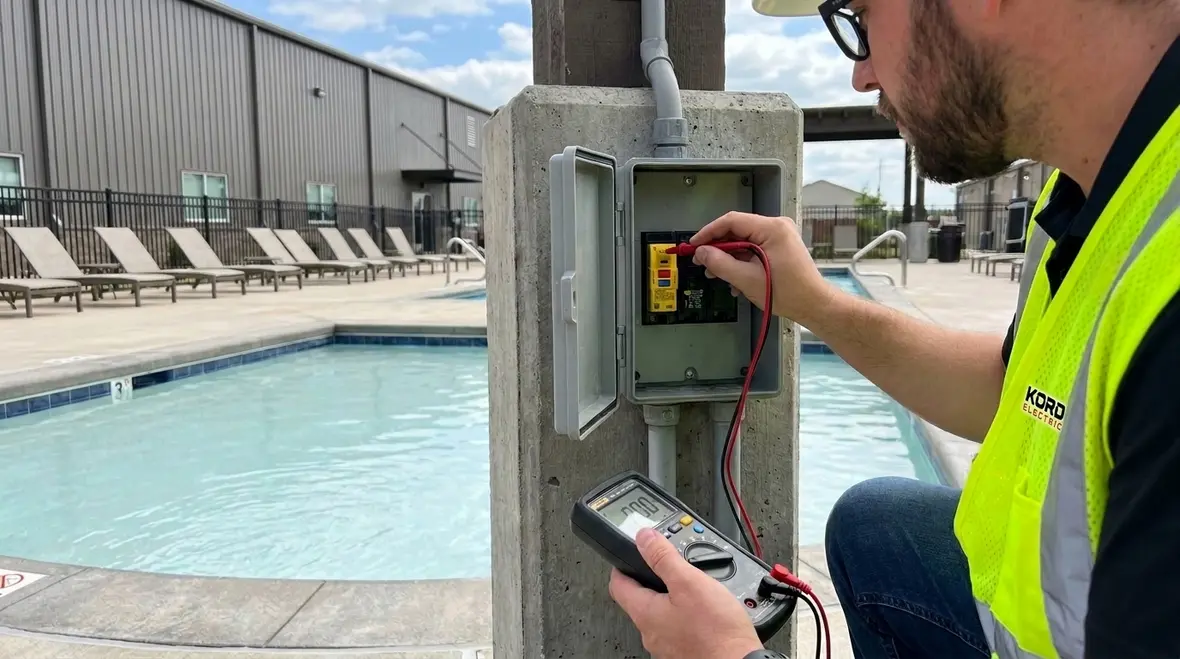
For a wading pool, NFPA 70 Section 680.44 wading pool GFCI focuses on ground fault circuit interrupter protection for specific circuits that serve equipment associated with the pool environment. In other words, it is not just about having a GFCI somewhere in the building. It is about using the right protection where it reduces shock risk at the water’s edge and related accessible areas.
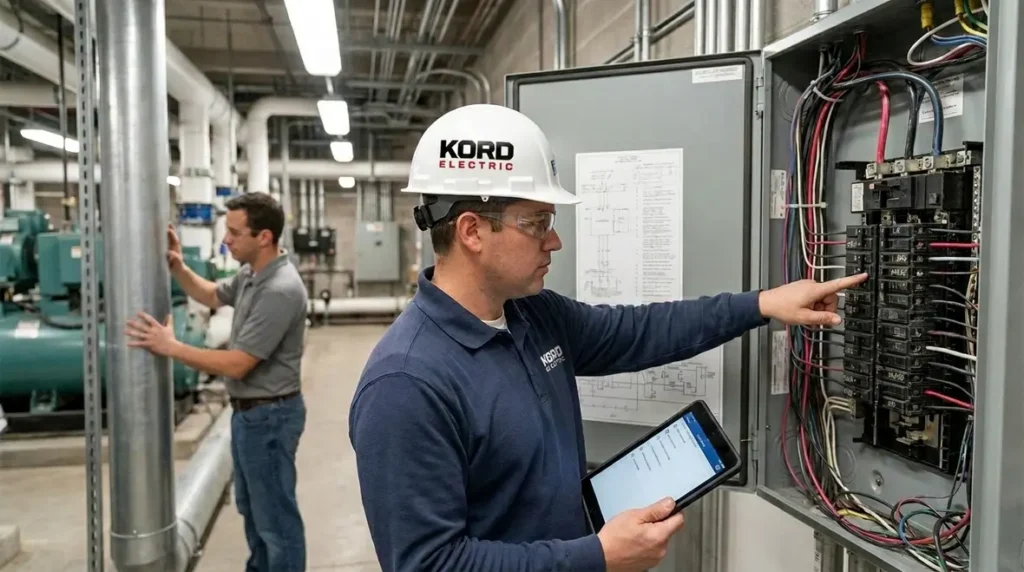
In our field work for commercial and industrial facilities, we validate several things. First, we confirm which receptacles and loads fall under the rule based on the pool’s use and the equipment connected. Second, we ensure the GFCI device type matches the application and the circuit layout. Third, we verify that the circuit does not get bypassed through poor wiring, which can defeat the safety intent.
Next, we check the upstream and downstream behavior. Sometimes teams install a GFCI device but the upstream breaker trip logic causes nuisance faults, which then leads to “workarounds.” And in the real world, workarounds do not pass inspections, and they definitely do not earn our respect. We would rather fix the cause than hide it.
Finally, we document the testing steps. Our technicians explain the verification process so the facilities team can keep the system safe after turnover. If you manage properties, you already know that safety is not a one-time event. It is a maintenance rhythm.
For teams also reviewing broader electrical and safety guidance across different editions and interpretations, we recommend looking at how other specialists discuss NEC concepts, including Kord Fire coverage of the National Electrical Code such as NFPA 70: All About The National Electrical Code (NEC). We also keep guidance aligned with industry partners such as Fire Pumps resources where fire and life safety stakeholders often connect practical system design with compliance goals.
How we install, test, and document GFCI protection so inspections go smoother
Many problems in commercial buildings do not come from bad intent. They come from rushed installs, unclear responsibilities, and missing handoffs between trades. So, we structure our process to make code compliance repeatable.
First, we coordinate with other contractors early so the electrical scope matches the pool deck plan and equipment list. Then our technicians verify conduit routing, conductor sizing, and box fill constraints before devices get mounted. This step matters because once the finishes go in, changes cost more than the coffee nobody drinks during the bid.
Second, we confirm the wiring method supports GFCI operation. That means we check polarity, terminations, and any shared neutral conditions that could cause unreliable trips. If the system uses multiple circuits, we ensure the labeling is clear so maintenance does not guess later.
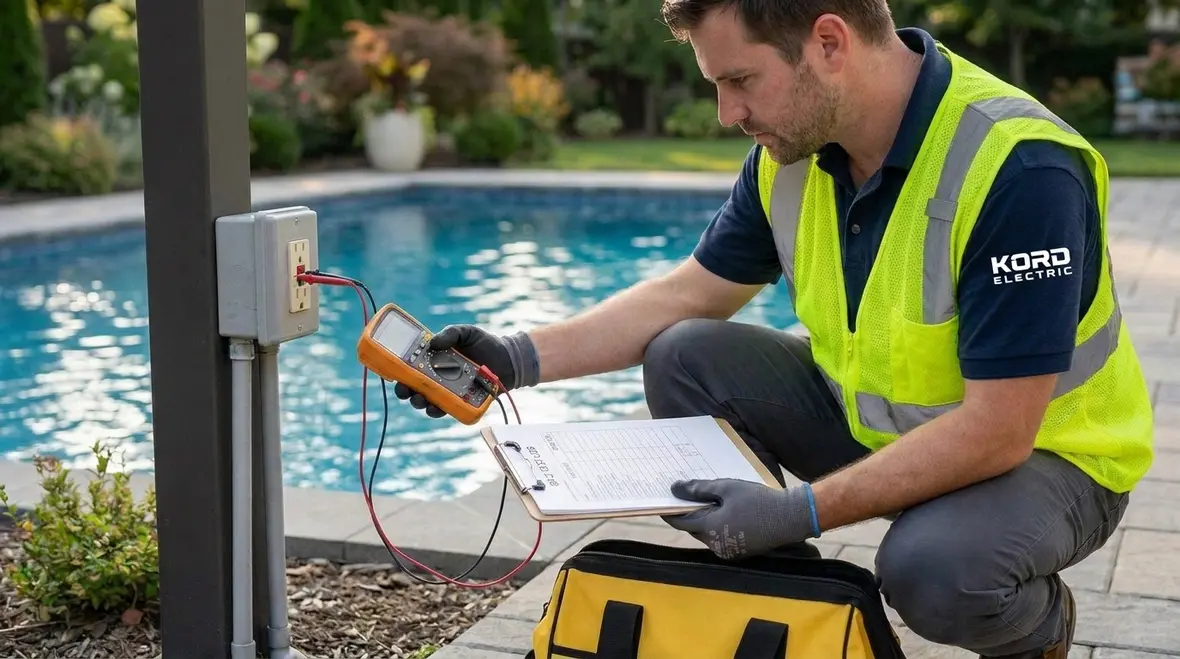
Third, we perform functional testing. We do not just “press the test button and hope.” We follow a methodical approach to confirm correct trip behavior and proper reset operation. Then we record results in a format the facilities team can use.
Finally, we train the building staff. Our expert service staff explains what the device does, how to react when it trips, and what not to do. For example, we tell teams not to keep power running by disabling safety devices. That is like turning off smoke alarms because they are loud. The alarm is doing its job, and so should we.
Building wide compliance planning for commercial and industrial property owners
Owners care about more than one pool circuit. They care about how all life safety systems connect, how inspections run, and how downtime affects revenue. Therefore, we help teams plan compliance at the building level.
We start by mapping the property’s electrical load types and risk zones. Water-related areas sit in one category, but we also consider other conditions that increase hazard. Then we connect those categories to the NEC requirements that shape device selection and installation practices.
After that, we set a schedule for inspections and testing that matches the way a property actually operates. A hotel with seasonal pool hours, for instance, needs a different rhythm than a multi tenant facility that hosts events year round. We help coordinate timing so safety work does not disrupt business operations.
We also encourage teams to review design documentation and to keep it current. When the drawings do not match the field, even a perfect installation can become a reporting problem later. So we maintain records and support documentation so facilities managers can respond quickly to questions from inspectors.
From there, we offer ongoing service options for major property buildings. Because the truth is simple: codes keep evolving, and so do properties. We plan for both, and we explain the “why” behind decisions so the system stays safe, not just compliant.
When facilities in dense markets such as Los Angeles County want a broader review of their electrical infrastructure beyond wading pool circuits, they often start with services like Los Angeles County electrical services for commercial and industrial properties, then layer in focused NFPA 70 guidance as projects expand.
FAQ: NFPA 70 wading pool GFCI and code friendly compliance
When you want the code explained, not recited, call Kord Electric
At Kord Electric, we support commercial and industrial facilities and major property buildings with expert installation, testing, and code focused documentation. Our technicians explain the “why” behind NFPA 70 Section 680.44 wading pool GFCI so your team can maintain safety with confidence, not confusion. If you are planning a pool upgrade, handling a renovation, or preparing for inspection season, we can review your scope and help you move forward fast. Contact us today for an on site consultation and a plan your stakeholders can trust.
For additional big-picture context about how wading pool circuits fit into the wider National Electrical Code framework, many facility teams also review resources like Understanding NFPA 70: The National Electrical Code Explained for 2026 alongside their project-specific documentation so design, field conditions, and long-term maintenance all point in the same direction.