NFPA 70 Section 680.59 Nonsubmersible Pump GFCI Guide
At Kord Electric, we focus on electrical safety for commercial and industrial facilities and major property buildings, where code compliance is not “nice to have,” it is the difference between a smooth operation and an expensive surprise. When we review job sites, we often see confusion around protection for pumps and water related loads. That is why we start with a key requirement: NFPA 70 Section 680.59 nonsubmersible pump GFCI. This rule matters because a nonsubmersible pump can still create shock risk, especially in wet locations. And if you think water and electricity never mix, well, electrical current would politely disagree.
In this guide, we explain how the National Electrical Code works in real life. We also show how our technicians and expert service staff translate the code into safe, practical installs, inspections, and upgrades. And yes, we will keep it calm, clear, and useful, even if the code book tries to sound like it was written by a committee that never met a deadline.
What NFPA 70 Section 680.59 nonsubmersible pump GFCI actually requires
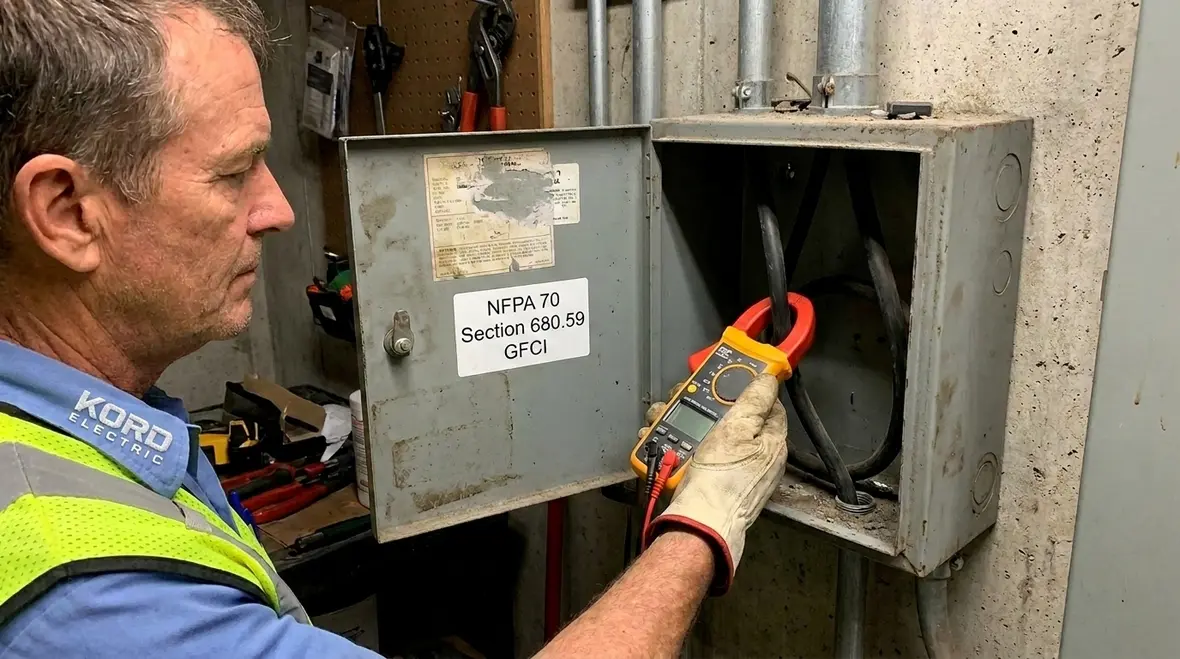
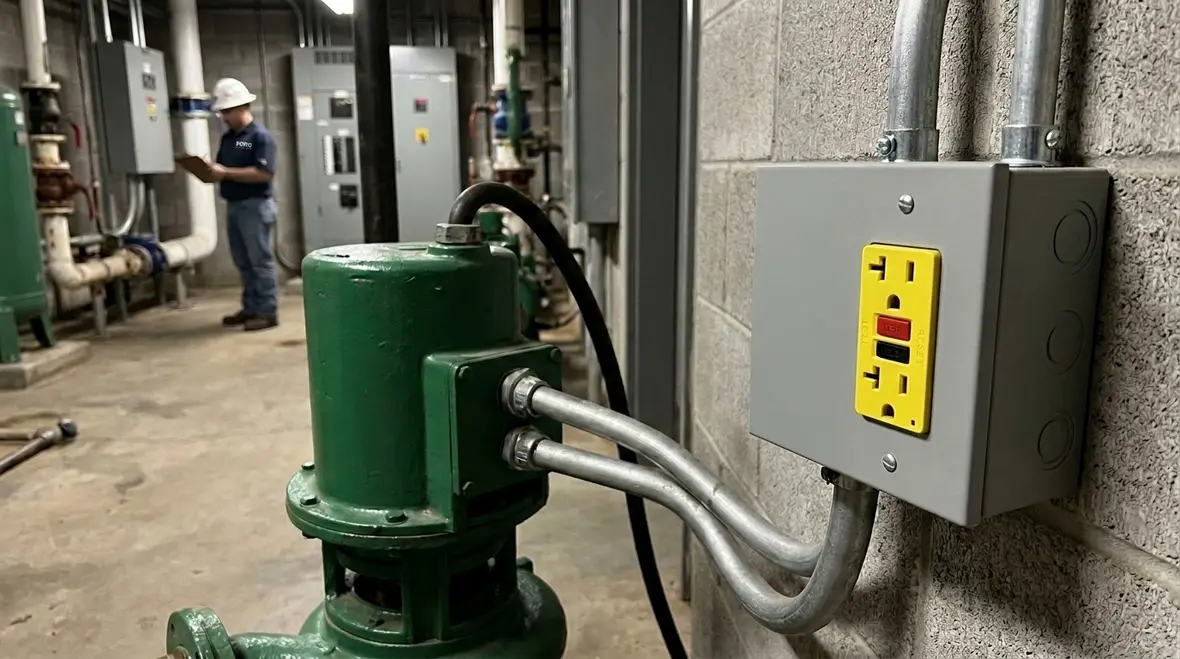
NFPA 70 sets the electrical rules used across the U.S., and Section 680 covers pools, fountains, and similar circulating water systems. Section 680.59 targets equipment that is not submerged, including many nonsubmersible pump setups. The goal is simple: reduce the risk of shock when a fault happens.
When our technicians evaluate a facility, we look for the exact combination of equipment type and installation conditions. Then we confirm whether the NFPA 70 Section 680.59 nonsubmersible pump GFCI requirement applies to the specific pump arrangement. In practice, this often means ensuring that the pump circuit includes the correct GFCI protection for personnel safety and fault clearing speed.
We explain it this way to our teams and building contacts: a GFCI device watches for current imbalance. If it detects that current is leaving its intended path, it interrupts the circuit quickly. That reduces how long a person could receive a shock. And because industrial environments involve more variables, we confirm installation details, not just paper compliance.
- We verify the pump is classified correctly for the installation
- We confirm the circuit design supports required GFCI protection
- We check wiring and termination quality to help the protection work as intended
Next, we connect this requirement to the broader NEC framework so your facility does not treat each rule like an isolated island.
How the NEC ties pump safety to the wider wiring rules
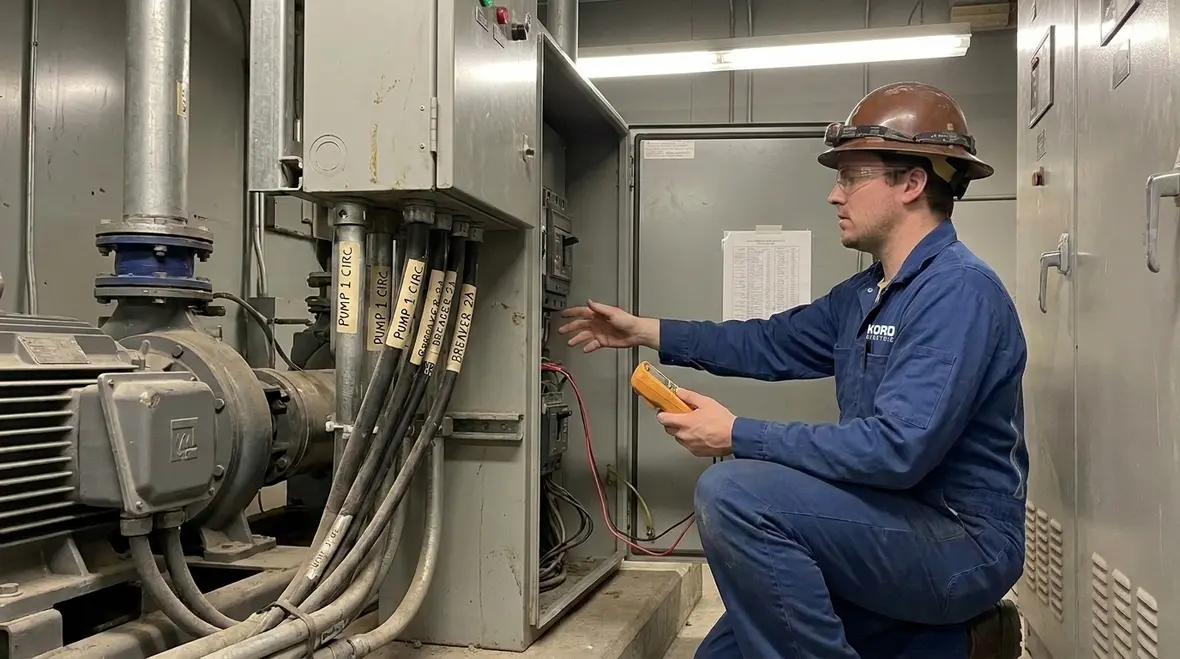
The NEC is not just a list of restrictions. It is a connected system of safety logic. For commercial and industrial sites, that logic matters because electrical systems serve real loads that run every day and interact with other building systems.
Kord Electric approaches this with a practical method. First, we determine where the pump system sits in the electrical design. Then we map it to the NEC requirements that cover wiring methods, grounding and bonding, overcurrent protection, and fault protection. After that, we verify the whole chain, because a GFCI cannot do its job if the rest of the system is compromised.
In many facilities, the pump circuit connects to panels, disconnects, and controls that are shared with other loads. Therefore, we do not stop at “GFCI present.” We verify it plays well with protective devices upstream, and we confirm the equipment installation supports safe fault interruption. Sometimes what looks like a simple compliance item hides a wiring detail that deserves a closer look. The good news is our technicians are trained to find those details before they become downtime.
For facility teams who want a wider view of how code driven design works across systems, our article “Understanding NFPA 70: The National Electrical Code Explained for 2026” walks through how NEC concepts shape everyday electrical decisions, from wiring methods to protection strategies.
GFCI behavior in real installations and why testing matters
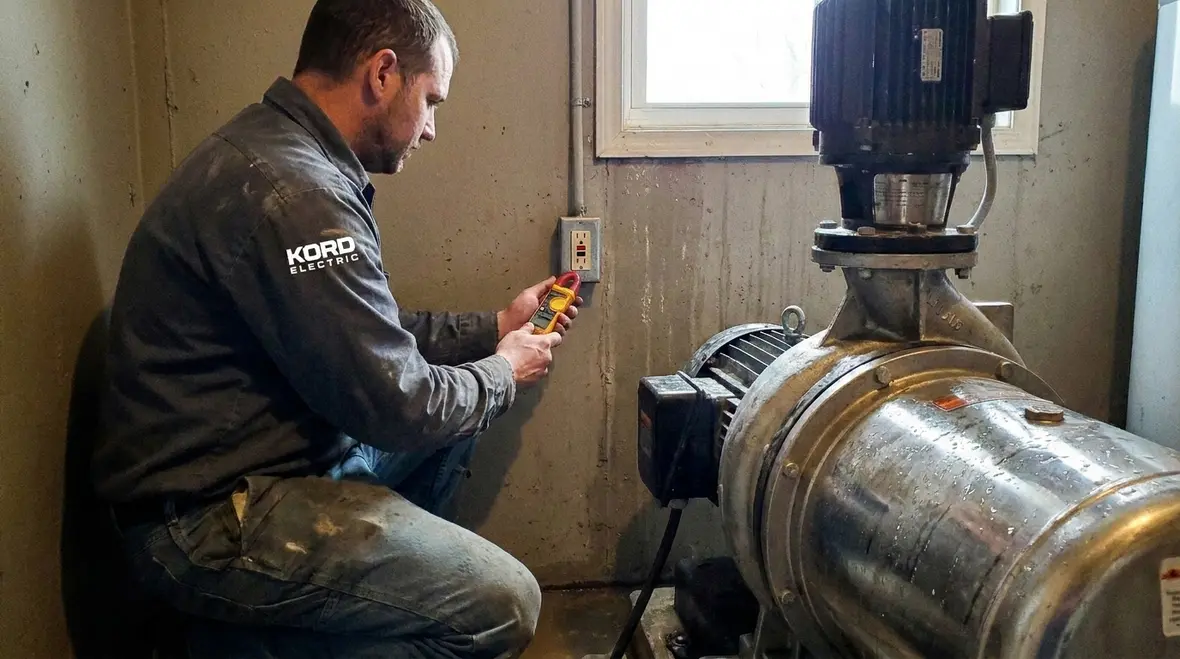
Even the correct NFPA 70 Section 680.59 nonsubmersible pump GFCI protection will only help if it operates reliably. That means functional testing and inspection become part of a facility’s ongoing safety routine, not a one time event that gets forgotten after commissioning.
Here is what we focus on when our expert service staff supports commercial and industrial properties. First, we confirm the GFCI device type matches the application and wiring method. Then we check that the installation includes proper grounding and correct wiring polarity. After that, we test and document the results based on manufacturer directions and facility practices.
Some operators treat testing like an annoying ritual. However, testing is also a way to prevent the “why didn’t it trip” mystery during an emergency. We also see a common issue: nuisance trips from wiring problems or load behavior. When that happens, a facility should not just reset and move on. Instead, we trace the cause, because the fix often improves both safety and reliability.
- We perform functional tests that match the device instructions
- We check for wiring issues that can cause nuisance trips
- We recommend inspection intervals based on facility use and environment
And if you are wondering whether this is overkill, remember this: in the real world, electrical faults do not politely wait for regular business hours. They show up when people are busy. So we help your team stay ahead.
Common commercial and industrial setup mistakes we see
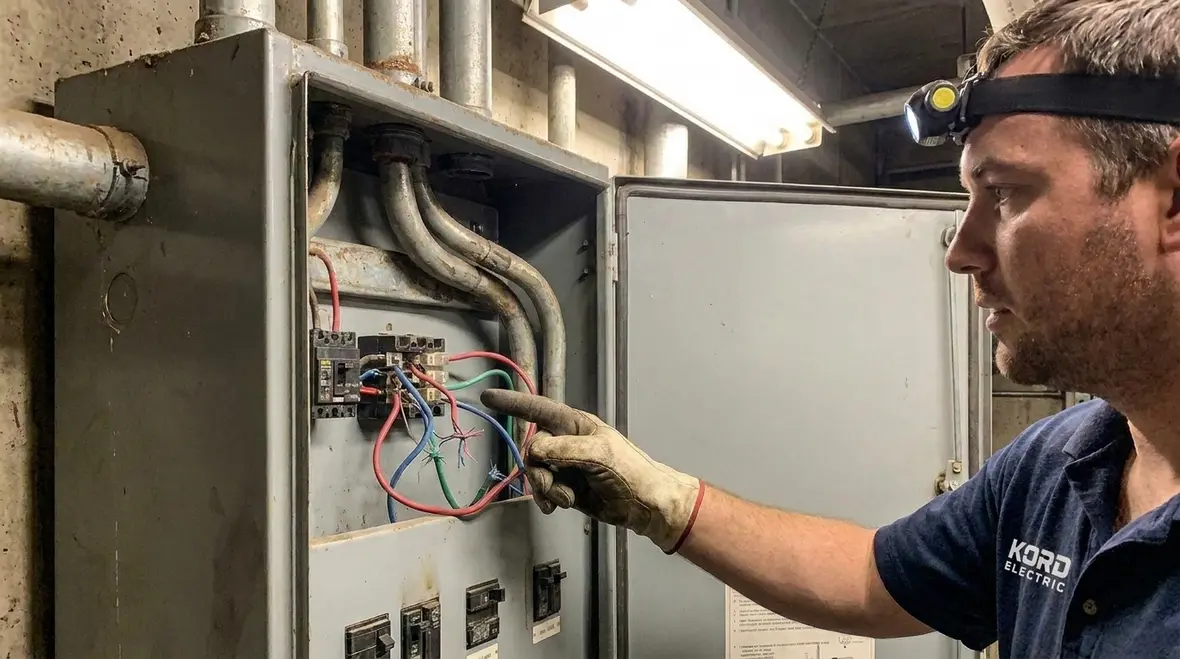
Large buildings and industrial sites often have complex electrical routing. So, when we review installations, we look for patterns. Below are mistakes that appear across different facility types. And because we support major property buildings, we also consider how building maintenance and renovations can shift things over time.
First, some teams install a GFCI device but do not confirm the downstream pump wiring and terminations meet safe standards. Next, other sites use mixed wiring practices during renovations, especially when contractors change panel layouts or replace conduit runs. Then, there are cases where the pump circuit shares components with other loads, and the interaction creates confusion about which devices protect what.
We also notice a gap in documentation. When maintenance teams do not have a clear record of which circuit includes the GFCI protection, troubleshooting becomes slower. Additionally, if the facility changes equipment or adds control components, the original design assumptions can drift.
- Incorrect circuit mapping that leaves a pump without proper protection
- Renovation changes that alter wiring without updating records
- Loose or poor terminations that affect device response
- Missing coordination checks with upstream protective devices
At Kord Electric, our technicians explain findings in plain business terms. We do not hide behind code jargon. We connect the issue to safety and operational impact, so decision makers can act quickly.
Compliance planning: from design review to ongoing service
Most facilities do not fail because they ignored safety once. They fail because the project moves fast, changes happen, and no one keeps the safety plan updated. Therefore, we recommend a compliance approach that stays with the facility from design to service.
During early design and review, we help align pump electrical systems with NEC expectations. Later, during install and commissioning, our team verifies wiring details and protective device behavior. Finally, in ongoing service, our expert staff supports inspection schedules and helps maintenance teams understand what to look for.
We also coordinate with related safety systems and service partners where needed. For example, in many major property buildings, electrical safety works alongside fire and life safety systems. While those systems solve different problems, both require proper design and careful testing.
For further context on NEC concepts and how we think about code based electrical safety, you can explore resources connected to our network such as Kord Fire materials at kordfire.com, and additional regional material at kordfire.com.au. Additionally, you can find broader pump and safety discussion at firepumps.org. We treat these references as learning tools, and then we apply the rules with site specific verification through our technicians.
If your facility is working through design questions or retrofit planning, our data driven electrical design guide for commercial and industrial facilities shows how we turn standards, field data, and equipment behavior into designs that behave correctly in the real world, not just on drawings.
Featured checklist for facility managers and MEP teams
If you manage a building, you need quick tools that help you make decisions. So here is a focused checklist our technicians use to evaluate nonsubmersible pump circuits and ensure correct protection. It is written for real facilities, not paper exercises.
- Confirm whether the pump system falls under the conditions addressed by NFPA 70 Section 680.59 nonsubmersible pump GFCI
- Verify circuit design includes the required GFCI protection for the pump load
- Inspect wiring methods, terminations, and grounding to support correct device operation
- Coordinate protection so upstream devices do not interfere with safe clearing
- Test the GFCI and document results for maintenance records
- Review renovation history and update circuit labeling so troubleshooting stays fast
And yes, we include the labeling part because nothing says “fun day” like chasing a circuit through three panels and a locked electrical room.
For facility teams who want to pair this checklist with a structured maintenance rhythm, our Electrical Preventive Maintenance Schedule guide explains how to build inspection and testing into normal operations instead of waiting for a fault to introduce itself.
FAQ
Conclusion and call to action
Electrical code compliance for commercial and industrial facilities should be steady, documented, and tested. Our technicians at Kord Electric help you meet NEC expectations for pump protection, including NFPA 70 Section 680.59 nonsubmersible pump GFCI based on your equipment and site conditions. If your facility is planning a retrofit, upgrading panels, or commissioning a new system, contact us for a careful review. We bring clarity, safe practices, and service you can trust. Let’s keep your power reliable and your team confident.
For property owners and managers across the region, our dedicated Los Angeles County electrical services team provides design, installation, upgrades, and troubleshooting for pump circuits, GFCI protection, and the wider electrical infrastructure that keeps buildings safe and operational.
If you are ready to move from “we think it’s compliant” to “we know it is documented, tested, and safe,” our electricians and expert service staff are ready to help you plan the next steps.