NFPA 70 Section 691.9 PV Station Isolation Disconnect
NFPA 70 Section 691.9 PV station isolation disconnect: what it means for commercial and industrial sites
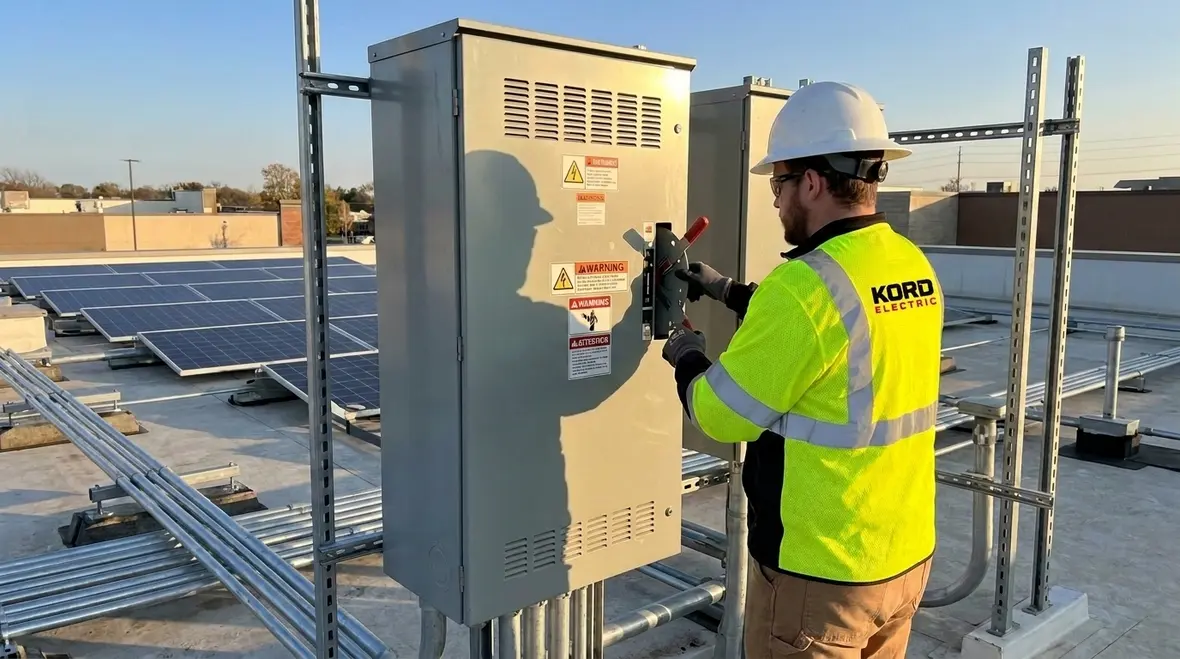
At Kord Electric, we support commercial, industrial, and major property buildings, and we treat the electrical code like a seatbelt. You do not notice it until you need it, and then you are grateful it exists. In the first moments of a PV system install, NFPA 70 Section 691.9 PV station isolation disconnect guides how crews must provide isolation so first responders and qualified personnel can safely shut down PV power.
In simple terms, we help ensure that the PV system can be disconnected in a way that supports safe troubleshooting, safe shutdown, and safer emergency response. The code does not want guesswork. Therefore, our technicians and expert service staff explain the requirements in plain language, then we verify the design, labels, and field-installed hardware before a system ever goes live.
And yes, the paperwork matters. Think of it as the boring part that prevents the dramatic movie ending.
How the National Electrical Code treats PV shutdown safety
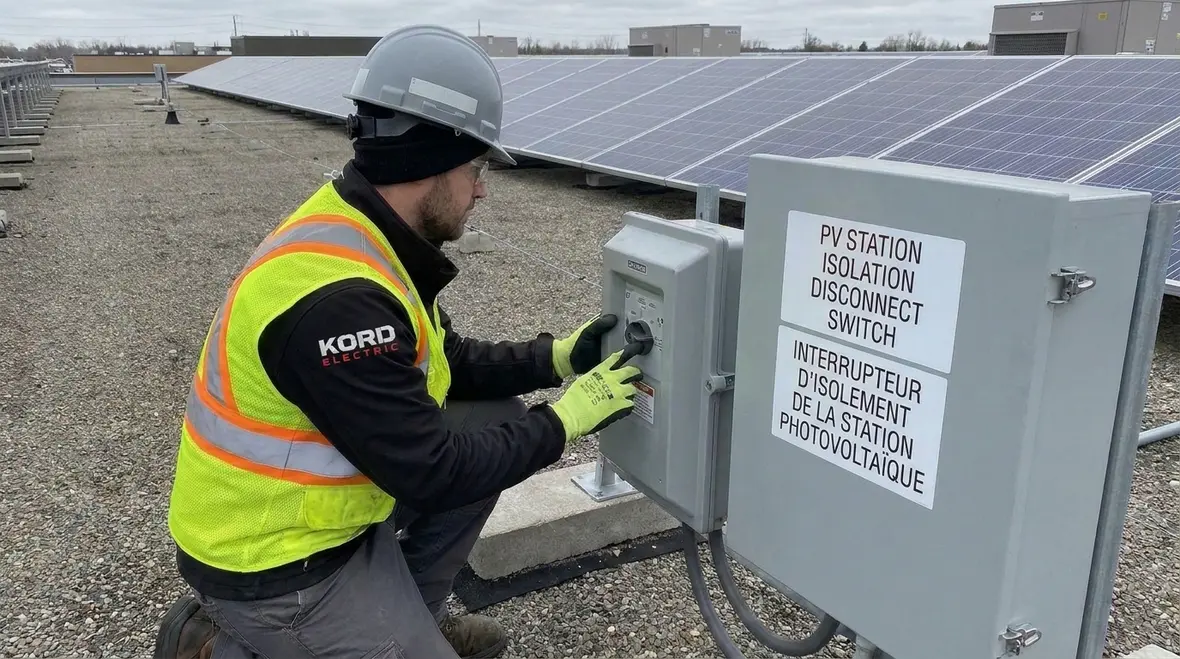
NFPA 70, the National Electrical Code, lays out rules for electrical installations to protect people and property. When PV systems feed into building electrical systems, the safety story becomes more complex than “turn off the main.” After all, solar can keep producing power as long as there is light, even when other equipment is off.
As a result, the NEC focuses on identifying disconnecting means and how they function during normal operation and emergency conditions. Our team approaches PV safety as a workflow: we review the one-line diagram, confirm where the PV energy can enter the electrical system, and then we map out how isolation points work together.
Then we validate details that usually get missed in fast installs, like labeling clarity, accessible mounting, and whether the isolation means stays reachable for trained responders. When we do this well, shutdown becomes predictable. When we do it poorly, the system becomes a puzzle box, and nobody wants that during an incident.
For facility teams that want deeper context, we often point to broader overviews like Kord Fire’s NEC explainer “NFPA 70: All About The National Electrical Code (NEC) 2026,” which connects electrical safety decisions with fire and life safety planning across complex buildings. Those resources help owners see how PV shutdown rules fit into the same rulebook that governs distribution rooms, emergency systems, and other high-value electrical zones.
Isolation requirements and practical design choices
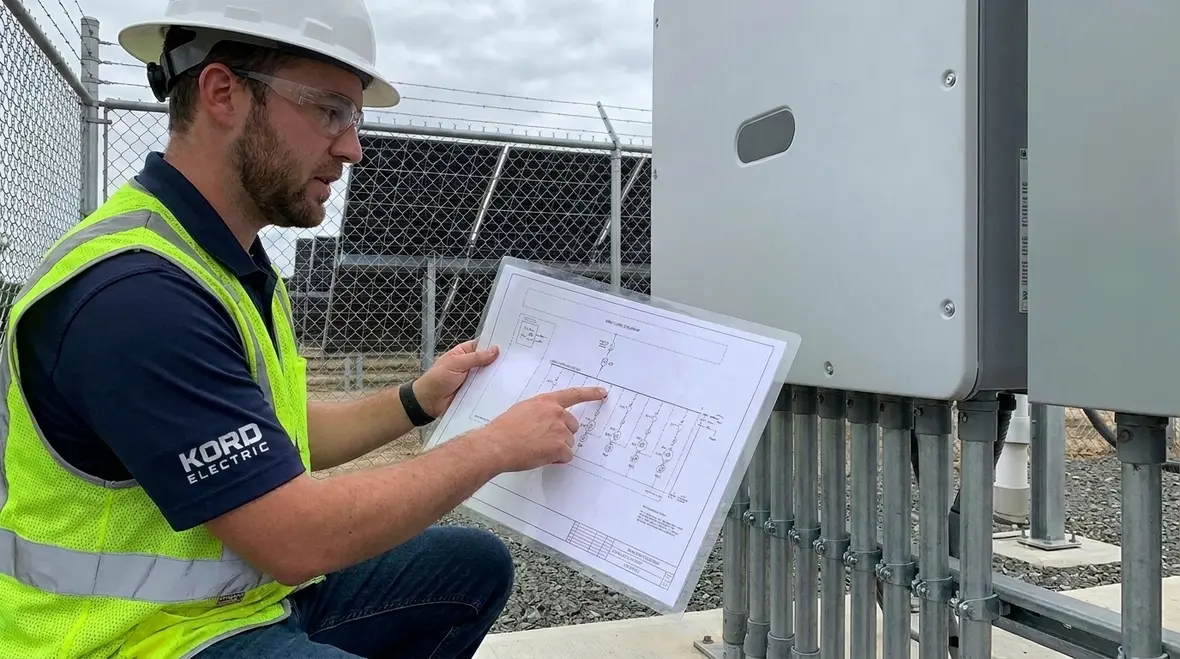
In commercial and industrial facilities, we often see PV station design decisions driven by roof layouts, electrical rooms, switchgear arrangements, and utility interconnection requirements. However, the isolation requirement in NFPA 70 Section 691.9 PV station isolation disconnect does not care about convenience. It cares about function.
So, we help owners and contractors answer the real-world questions that show up on site: Where is the disconnect located so qualified personnel can reach it quickly? How does the PV station connect to inverters, combiners, and distribution equipment? And how does the shutdown method align with the rest of the facility’s safety scheme?
Our expert service staff then walks through the design with the project team. We explain that the disconnect arrangement needs to meet code intent while still supporting safe maintenance access. Moreover, we insist that installers verify settings and components match the electrical design and labeling plan.
- We check that the isolation method creates a true electrical separation where required
- We confirm the disconnect is installed in an accessible location that supports safe use
- We review wiring pathways so shutdown behavior matches the documented design
- We verify labels and signage so the right action gets taken in the right moment
In other words, we make the system behave the way the code and the team expect. That is how you reduce downtime and avoid the “someone will figure it out later” approach. Spoiler: someone does, and it is usually the maintenance tech with no extra time.
Because these choices sit inside a wider NEC framework, many facilities like to read companion pieces such as Kord Electric’s “Understanding NFPA 70: The National Electrical Code Explained for 2026” before they zoom in on specific PV rules. That big-picture view keeps isolation decisions aligned with load calculations, equipment ratings, and the rest of the distribution story.
Field verification: what our technicians check before energizing
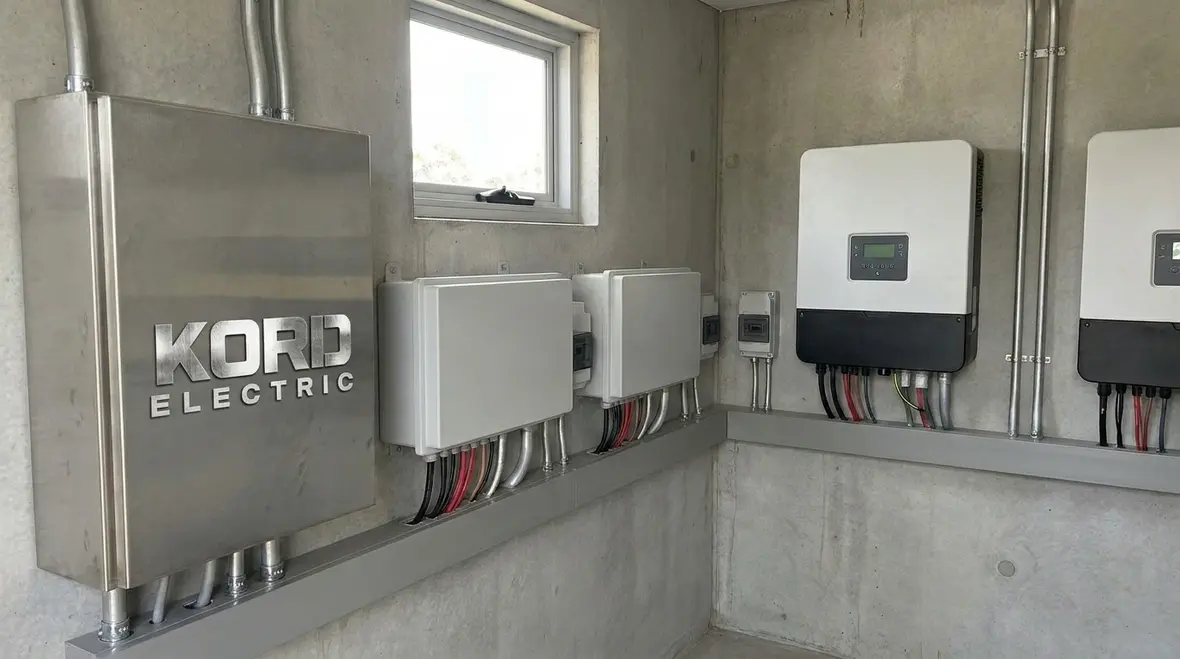
After the design stage, the real test begins. At Kord Electric, our technicians do not treat PV isolation as a box to tick. Instead, we verify it as a system behavior outcome. We watch how isolation points interact with the PV station components, and we look for mismatches between the plan set and the installed reality.
First, we confirm the hardware installation aligns with the single-line and equipment schedules. Then we verify that the disconnect action meets the functional intent during shutdown scenarios. Next, we test access, clearances, and visibility of labeling so the disconnect does not become “technically present” but “practically useless.”
We also pay attention to who will use the disconnect. Commercial and industrial sites often involve multiple groups: operations, electrical maintenance, contractors, and emergency responders. Therefore, the disconnect must be clear, consistent, and reliable. Our staff explains the operation steps so teams understand what changes when they isolate the PV station.
If you have ever watched a training video that skips the hard parts, you know why this matters. We do not skip. We show. Then we document.
This same discipline shows up in related NEC topics we cover, from ampacity basics to specific sections like NFPA 70 Section 326.80 or 250.116. Treating isolation as a system behavior instead of a single switch keeps projects aligned with the same inspection-ready mindset we use across our NEC-focused work.
Staying aligned across codes, fire planning, and site safety
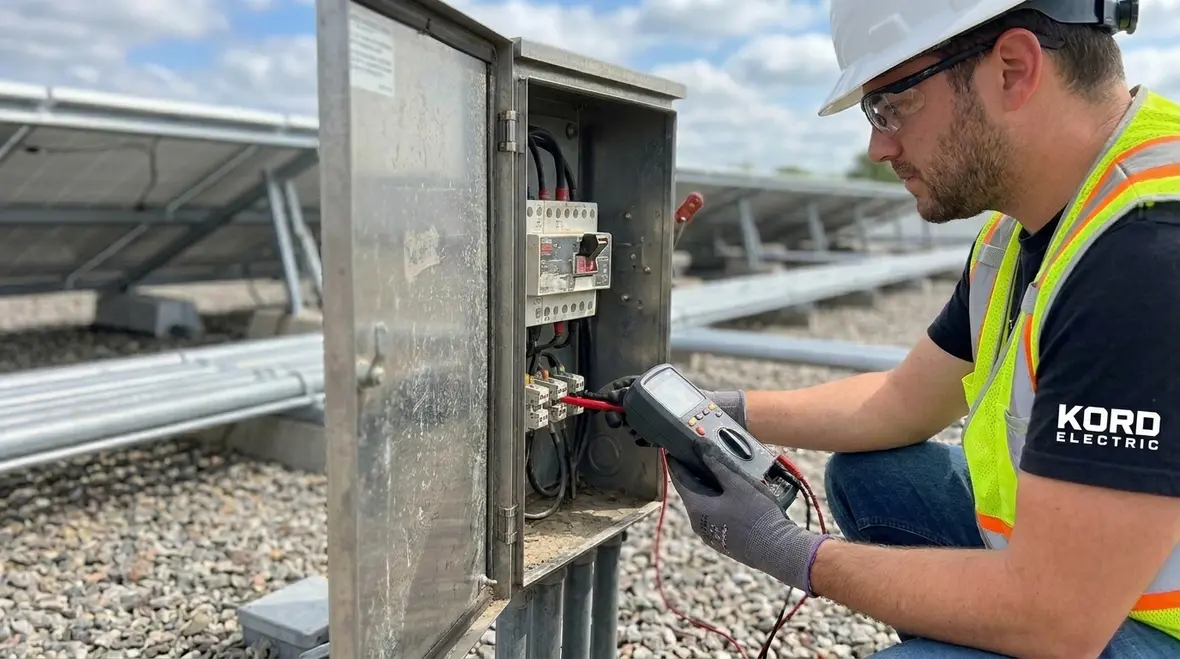
Electric safety and fire safety share the same mission: reduce harm and reduce confusion. That is why we connect the electrical code requirements with site safety planning. When PV systems exist on major property buildings, coordination matters, and the disconnect design becomes part of the larger response picture.
Organizations such as Firepumps.org focus on fire protection readiness and the broader safety environment, and we respect that broader lens. Meanwhile, Kord Fire and Kord Fire Australia also emphasize that electrical work does not exist in a vacuum. We work with building stakeholders so safety plans and electrical designs support each other.
Additionally, Kord Electric’s role stays focused on commercial and industrial facilities and major property buildings. We do not dilute our process. We build a clear path from code rules to field execution, and we keep the communication calm and direct. Because when the site is complex, clarity becomes the best safety tool.
And if you want a pop culture analogy, think of it like the “escape room” but without the screaming. The goal is that, during stress, the team knows exactly which door to open.
For teams that want to see how these code connections play out beyond PV, Kord Fire’s article “NFPA 70: All About The National Electrical Code (NEC) 2026” and Kord Electric’s section-focused guides offer parallel views on how electrical and fire protection standards work together across exits, emergency systems, and industrial equipment.
Common failure points we prevent on commercial PV projects
We see recurring issues across PV station installations. Not because teams do not care, but because busy schedules and unfamiliar layouts can create blind spots. However, we help prevent these problems before they affect safety, inspections, or ongoing operations.
Below are practical failure points we address through our review and verification process.
- Label and documentation gaps: Disconnects exist, but instructions are unclear, outdated, or inconsistent
- Accessibility surprises: The disconnect gets placed where maintenance can reach it, but responders cannot
- Wiring pathway mismatch: The installed connection differs from the one-line diagram, changing shutdown behavior
- Integration confusion: PV, inverter systems, and building distribution do not align with expected isolation outcomes
- Inspection readiness delays: Teams discover issues during final inspection, which drives costly rework
To avoid these issues, we verify installation details and we explain the operation. Transitioning from design to energization is where mistakes happen, and that is exactly where our technicians stay involved.
These same failure patterns show up in other NEC topics we write about, from wading pool electrical systems to stair tower wiring and specific load calculations. By treating PV isolation as part of a broader code-informed workflow, we help sites avoid “one-off” fixes and instead build a consistent safety language across their entire electrical infrastructure.
FAQ
Ready to make PV isolation safe and inspection-ready
If your facility plans a PV upgrade or needs a code-aligned safety review, Kord Electric is ready. Our technicians and expert service staff map the PV station isolation plan, verify field execution, and help your team understand how the disconnect operates in real conditions. We keep the process clear, calm, and business focused, so your project moves forward without unnecessary delays.
For facility leaders who want to dig deeper into the NEC before a PV project starts, resources like Kord Fire’s “NFPA 70: All About The National Electrical Code (NEC) 2026” and Kord Electric’s focused guides on sections such as 120.4, 250.116, and 270.138 give added context. Those explainers make it easier to see how PV isolation fits into a bigger narrative of grounding, load calculations, and emergency system behavior.
If your operations extend across Los Angeles County and surrounding areas, you can also explore how our broader Los Angeles County commercial and industrial electrical services support PV work, emergency power, and preventive maintenance. That way your PV station isolation disconnect planning does not live in a silo; it becomes part of a resilient, future-ready electrical strategy.
Contact Kord Electric today to schedule a safety review and get your PV system ready for reliable operation, clear shutdown behavior, and stronger coordination between electrical and fire protection teams.