NEC 691.10 PV Station Fire Mitigation for Commercial Sites
At Kord Electric, we help commercial and industrial facilities stay ready for fire risk and electrical hazards, and we do it with care, not guesswork. Early on, we focus on requirements tied to NEC Section 691.10 PV station fire mitigation, because solar and storage systems can change how heat, fault current, and emergency response behave. In fact, when these systems are installed correctly, they can support energy goals without turning your site into an accidental physics experiment. Our team of technicians and expert service staff explains the “why” behind the rules, step by step, and then they confirm the “how” through proper planning, installation checks, and documentation.
Now, if you have ever heard someone say, “We’ll deal with it later,” please picture a building inspector showing up early. We don’t run that play. Instead, we align with the NEC approach described in guidance from Kord Fire and related resources, and we translate it into practical steps your facility can execute.
How the NEC 2026 and PV fire mitigation requirements connect
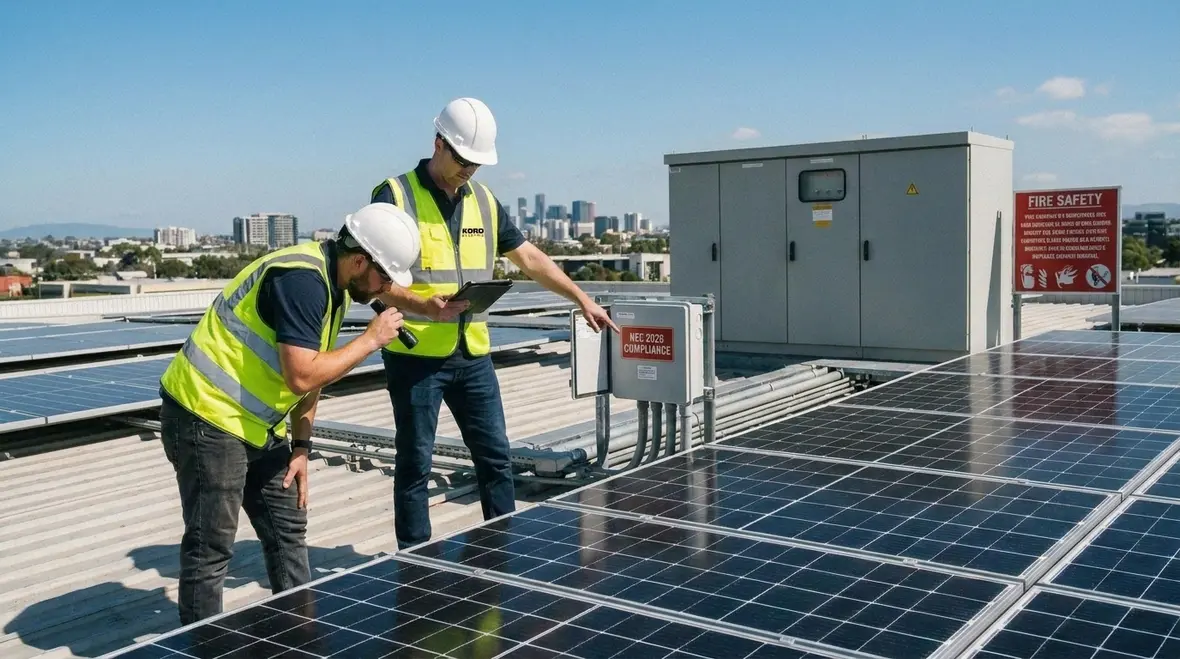
The NEC functions like a common language for electrical safety. Because standards evolve, the 2026 edition adds clearer expectations for PV systems, especially where fire mitigation matters. NEC Section 691.10 PV station fire mitigation pushes the industry toward predictable protection and response conditions at a PV station or similar equipment area. In plain terms, it aims to reduce the chance that an electrical fault becomes a fire event that is hard to control.
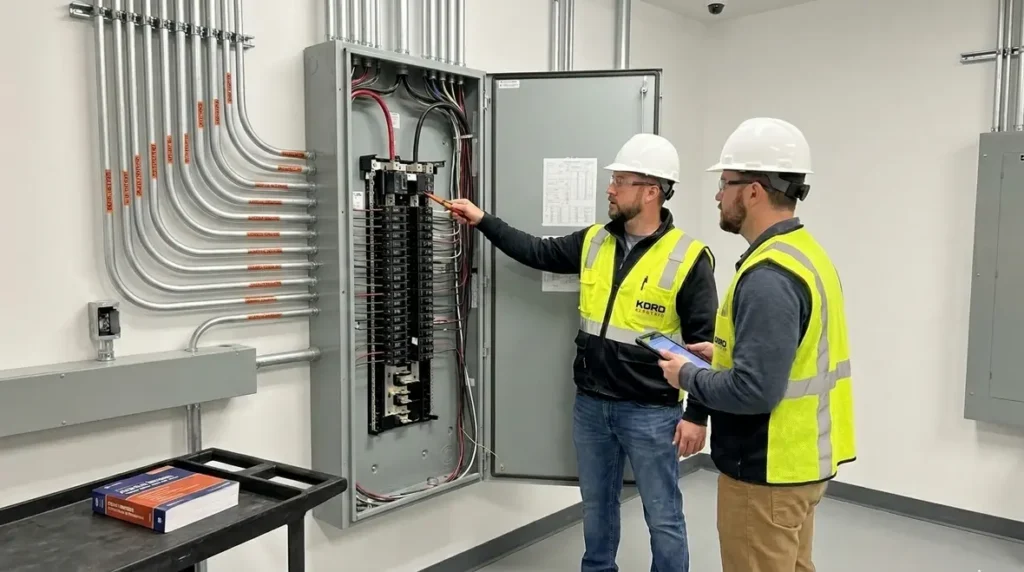
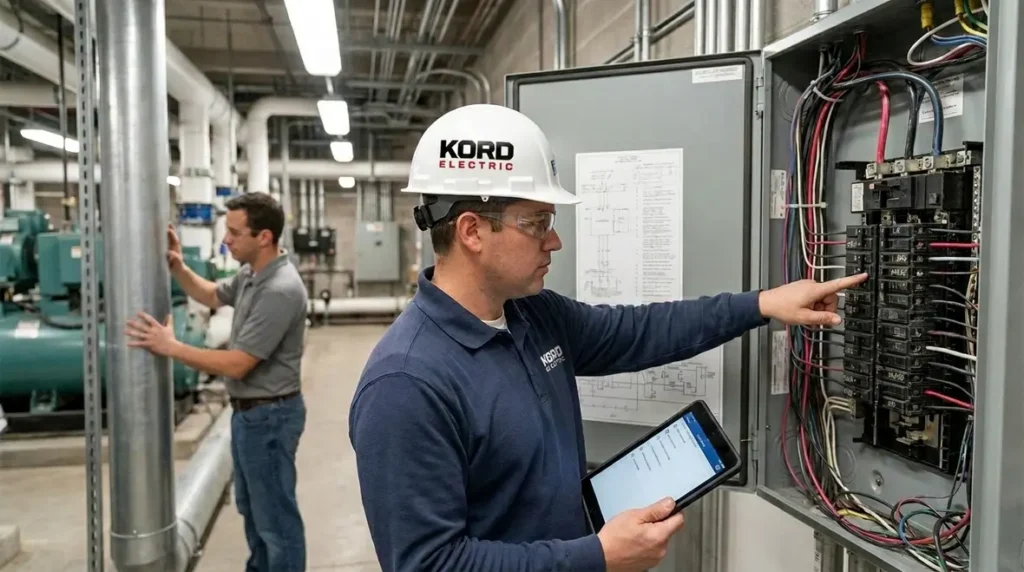
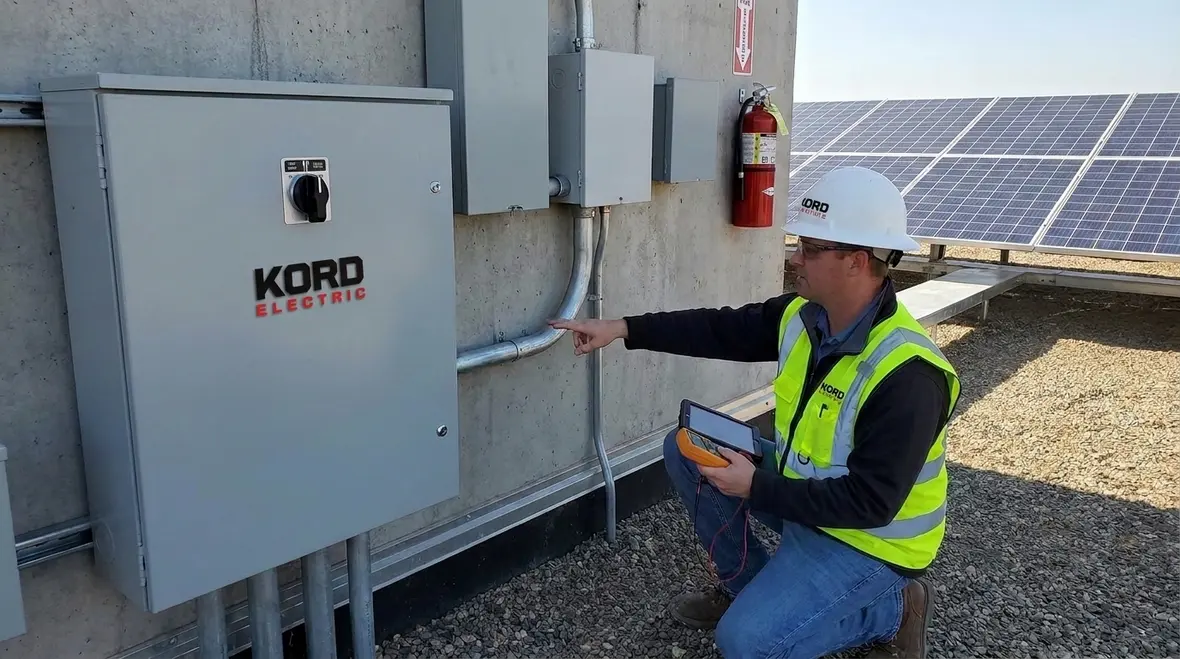
Importantly, we do not treat this as a checkbox task. Our technicians look at how PV arrays, inverters, disconnects, rapid shutdown components, and wiring routes interact. Then we connect those elements to what fire mitigation expects during abnormal conditions. Meanwhile, our expert service staff explains that “mitigation” is not only about suppressing flames. It also includes setup and design choices that help responders identify hazards and limit spread.
Because code language can feel dense, many facility teams appreciate bridges to more general NEC explanations. Resources like Kord Electric’s article on Understanding NFPA 70: The National Electrical Code Explained for 2026 help connect high-level NEC expectations to the specific PV-focused steps we implement on your site. That way, your project team can see how general electrical safety rules and PV station fire mitigation work together, instead of treating them like separate conversations.
Design decisions that influence response and safety
Commercial and industrial buildings do not all share the same roof type, structural layout, or power path. Therefore, we treat PV station design as site-specific work. Over time, we have learned that the rules work best when we address the details that matter in the real world, like layout, access, and equipment separation.
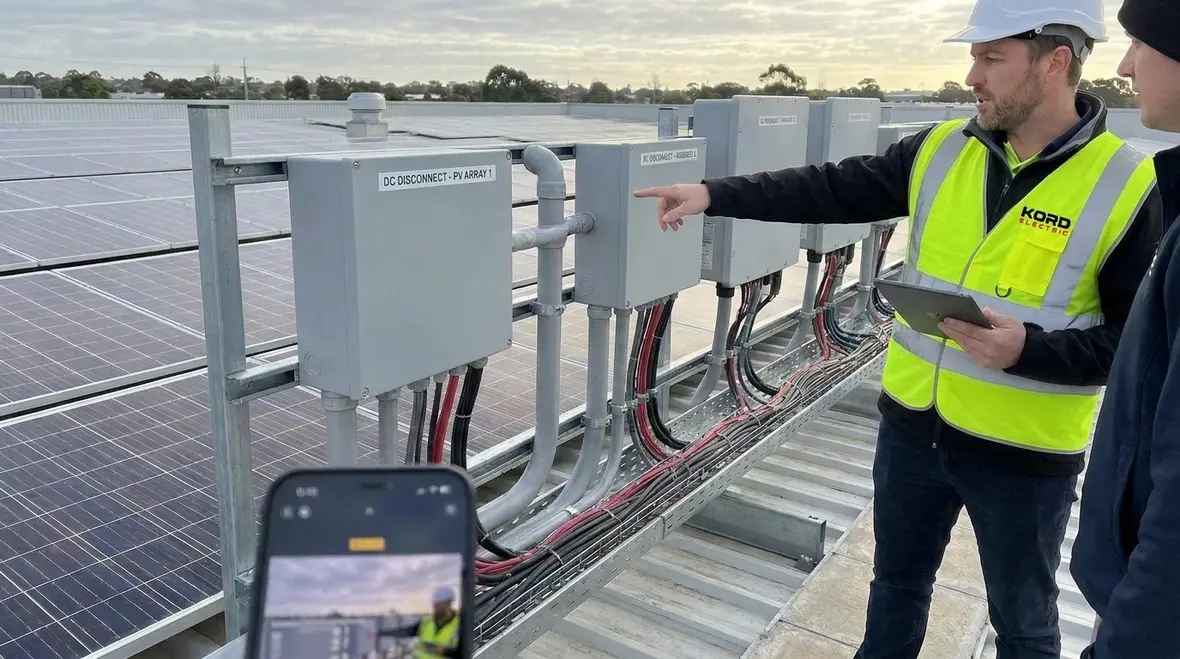
- Location of equipment: We evaluate where modules, inverters, and disconnects sit relative to travel paths and emergency access. Even a well-built system can hinder response if placement blocks critical movement.
- Wiring routing and physical protection: We route conductors to reduce exposure to damage and to support clean inspection. When wiring runs get chaotic, inspections turn into scavenger hunts.
- Isolation strategy: We align disconnect locations and labeling with what staff and responders can realistically do during an emergency. Clear labeling prevents the “flip the wrong thing” moment.
- Integration with site electrical systems: We coordinate PV interconnections with existing switchgear, grounding, and protective devices, because a mismatch can trigger nuisance behavior or worse during faults.
Additionally, we reference the broader NEC philosophy described in resources from Kord Fire, which emphasize practical safety outcomes. That means we design so electrical protective actions align with the way systems actually behave under load, fault, and abnormal operation. We also draw on companion articles such as Kord Electric’s How to Read NFPA 70: A Practical Guide to the National Electrical Code, so facility teams understand how provisions like NEC Section 691.10 fit into the bigger code picture.
Why site-specific PV planning matters for mitigation
On paper, two PV stations might meet the same nameplate ratings and basic NEC checklists. In the field, however, one can support fast, safe response and the other can create confusion when every second counts. The difference usually comes down to site-specific choices: where conductors enter the building, how walkways are marked, where shutoffs sit, and how clearly staff can navigate the layout during stress. Our technicians and expert service staff walk sites with this in mind, combining NEC-compliant design with practical fire mitigation details your people will actually use.
We also emphasize coordination between electrical drawings and other safety documents, such as fire department pre-plans, facility emergency procedures, and life safety system diagrams. When PV station details appear consistently across these references, responders are less likely to second-guess which enclosure does what while alarms are sounding. That consistency is one of the quiet strengths of treating NEC Section 691.10 PV station fire mitigation as integrated safety work, not just an electrical add-on.
Fire mitigation is more than alarms and sprinklers
Many people assume fire mitigation means just alarms, sprinklers, and an emergency plan. Those matter, but PV station safety also depends on electrical behavior during abnormal events. So, we focus on how the electrical system limits energy and controls risks.
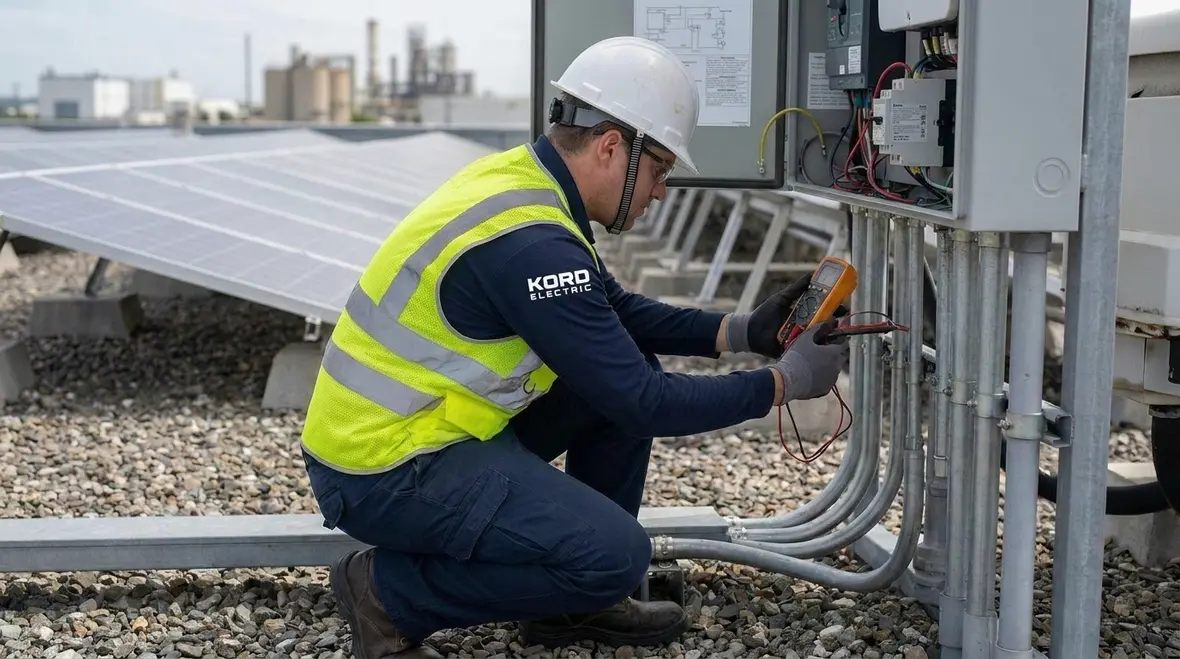
First, we confirm the system supports safe shutdown and energy reduction features as expected for PV installations. Next, we verify that disconnects and pathways allow timely intervention. Then we assess grounding and bonding, since poor connections can worsen hazards and complicate protective device operation.
Also, we explain to facility managers that response effectiveness depends on information and access. When components are installed with thoughtful spacing, clear labeling, and inspection-friendly layout, responders waste less time. In other words, we help reduce the time between “something is wrong” and “we can do something about it.” And in emergency situations, time is not just money. It is safety.
Connecting PV fire mitigation to overall electrical reliability
When we walk clients through PV fire mitigation, we frame it as part of their overall reliability strategy, not a separate constraint. A PV station that is easy to shut down in an emergency is also easier to service, test, and document. Thoughtful conductor routing, labeling, and isolation help prevent nuisance trips, confusing alarms, and the kind of last-minute troubleshooting that drags projects past their deadline.
In fact, many of the same practices we use for load coordination, emergency power, and surge protection show up again in PV mitigation work. Articles such as Kord Electric’s guides on Emergency Power for Business Continuity Design and Preventing Commercial Power Surge Damage in Buildings describe how electrical protection choices support safe operations. NEC Section 691.10 simply applies that safety logic directly to PV station areas where high DC voltages and energy storage can change the way faults behave.
What our technicians document for commercial and industrial sites
Commercial and industrial facilities demand proof, not vibes. Therefore, our documentation follows an inspection mindset. Our technicians and expert service staff collect the information that engineers, owners, and service teams rely on later.
- As-built details: We capture equipment locations, wiring routes, and identification so future service stays accurate.
- Protective device settings and device coordination notes: We document how the system is intended to trip and isolate faults.
- Labeling and signage verification: We confirm the system marks align with the operating steps your staff will follow.
- Testing and verification records: We confirm continuity, insulation performance where required, and grounding/bonding checks.
- Maintenance guidance tailored to the facility: We outline checks that fit your operating schedule, since solar does not pause just because your plant is busy.
We also coordinate with other trade teams when the site uses layered safety systems. If your building includes fire pump systems, detection, or life safety controls, we ensure electrical work supports the entire safety plan. For organizations that rely on water supply reliability, we keep our approach consistent with the safety emphasis you find in fire-related resources such as firepumps.org, because electrical hazards and water response cannot be treated like separate worlds.
Beyond the PV station itself, our documentation supports broader NEC compliance and planning. For example, when facilities explore future upgrades under emerging NEC 2026 guidance, we can align PV station records with resources like What Is NFPA 70? Understanding the National Electrical Code. That way, your electrical one-line, panel schedules, and PV station drawings tell a consistent story, and your team is not left guessing how new requirements connect to past projects.
Documentation that survives inspections and upgrades
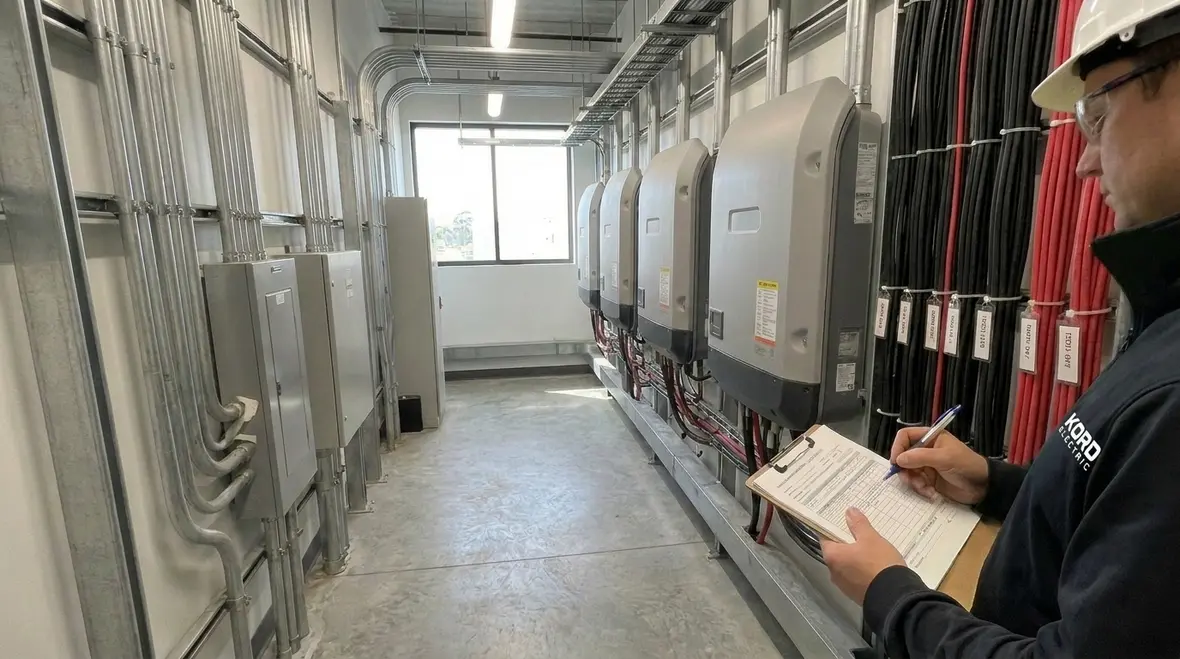
When an AHJ, insurer, or third-party engineer reviews a PV station, they often care about two things: what was built and how it is supposed to behave. Our documentation covers both. As-built records show what exists in the field, while protective device notes, coordination summaries, and maintenance guidance explain the intent behind it. That combination helps prevent the “mystery equipment” problem where no one knows why a disconnect or relay exists, which can slow projects and increase risk.
Careful recordkeeping also makes it easier to demonstrate how NEC Section 691.10 PV station fire mitigation was addressed during design, installation, and verification. Instead of scrambling to reconstruct decisions years later, facility leaders can point to a clear trail of drawings, test forms, and labeling checks that show how mitigation measures support real-world safety.
How we apply NEC concepts during installation and upgrades
We approach installation like a planned sequence, because random work creates random risk. Before we touch equipment, we review site constraints and the electrical one line. Then we confirm how the PV station components connect to the broader electrical system.
During installation, we focus on clean workmanship and safe field practices. For example, we verify proper sizing and termination methods, and we confirm that installation details support safe operation. Next, we test, validate, and verify. Finally, we close out with documentation that supports both compliance and ongoing service.
When facilities upgrade existing systems, we follow the same mindset. We evaluate what is already installed, determine where new circuits and equipment integrate, and then confirm safety performance. This matters because adding PV to a site with aging electrical infrastructure can create unexpected interactions. And while that might sound like a plot twist, it should not be a surprise.
For facility owners exploring solar or PV system improvements, we often recommend starting with a controlled assessment. Our team can help you understand safety expectations early, which reduces rework and delays. That approach aligns with the service philosophy shared across Kordfire.com.au and related Kord Electric resources, where practical guidance meets compliance. When needed, we also connect PV-specific work to broader planning tools described in resources such as Electrical Supply Planning Tools for Construction & Distribution Projects, so your schedule and materials support safe, code-aligned PV installation.
Tying NEC Section 691.10 PV station fire mitigation into project phasing
We encourage project teams to treat mitigation requirements as design drivers from the beginning, not punch-list items at the end. That means verifying access, labeling, and isolation in early drawings, coordinating with fire and safety stakeholders before demolition or construction, and confirming that commissioning plans include tests relevant to PV station fire behavior. When mitigation steps are built into every phase, your site is less likely to hit last-minute obstacles during inspection.
This proactive mindset also keeps NEC-related planning aligned with other upgrades. If your organization is already reviewing topics like load balancing, power quality, or emergency backup, we can integrate PV mitigation assessments alongside those efforts instead of running them separately. That way, you get a single, coordinated path to safer, more resilient electrical infrastructure.
Common failure points we prevent at the job site
If electrical safety were a sports movie, most failures would start with the same scenes: rushed layout, weak coordination, and “we’ll fix it in testing.” We prevent those scenes.
- Unclear boundaries for PV areas: When teams do not define the PV station area and access paths, hazards expand during service or emergencies.
- Inconsistent equipment identification: If a technician cannot quickly locate disconnects or related components, response time increases.
- Improper grounding and bonding: We verify these connections because they influence protective device performance and fault behavior.
- Loose coordination between electrical and safety teams: We coordinate so electrical design does not contradict your broader safety plan.
- Missing or incomplete test records: When documentation is thin, future maintenance becomes guesswork, and guesswork is expensive.
And yes, we use humor to keep stress down, but we never joke about safety. One of our technicians once said, “If it is not labeled, it is not real.” The team laughed, but the point landed. Clear identification supports safe operation, safe service, and safer emergency response.
Because we focus on commercial and industrial environments, we see patterns repeat across warehouses, plants, campuses, and major property buildings. The difference between a smooth project and a messy one often comes down to whether someone owned the integration between NEC requirements, PV system behavior, and fire mitigation expectations. Our role is to own that integration for you, so problems stay theoretical instead of becoming headlines.
When needed, we also cross-reference PV work with other reliability and safety topics your facility may be tackling, from data center resilience to automated lighting and surge protection. Internal guides like Kord Electric’s Data Center Power Quality for Reliable Uptime and Commercial Automated Lighting Systems: Benefits, Controls & Energy Savings show how we connect details across disciplines so each decision moves the entire facility toward safer, more predictable operation.
FAQ
Final guidance from Kord Electric
NEC requirements for PV station fire mitigation help commercial and industrial sites reduce risk, improve response conditions, and support safe operation over time. At Kord Electric, we bring our technicians and expert service staff to your project early, so design decisions, installation details, and documentation align with the intent behind the code. If you plan a new PV station or need a safety-focused upgrade, contact us. We will review your setup, map critical safety needs, and help you move forward with confidence. And we promise, no “we will deal with it later” plans.
For organizations planning broader electrical improvements alongside PV station work, our team can connect NEC Section 691.10 PV station fire mitigation to larger NEC strategies using resources like Understanding NFPA 70: The National Electrical Code Explained for 2026. When it is time to move from planning to real-world execution, our Los Angeles County electrical services overview shows how we support commercial and industrial facilities from early assessments through installation, testing, and final inspection.
Call to action: Reach out to Kord Electric to schedule an assessment and discuss compliant PV electrical safety for your facility. Our team will help you apply NEC Section 691.10 PV station fire mitigation in a way that fits your operations, your risk profile, and your long-term plans for solar, storage, and electrical reliability.