
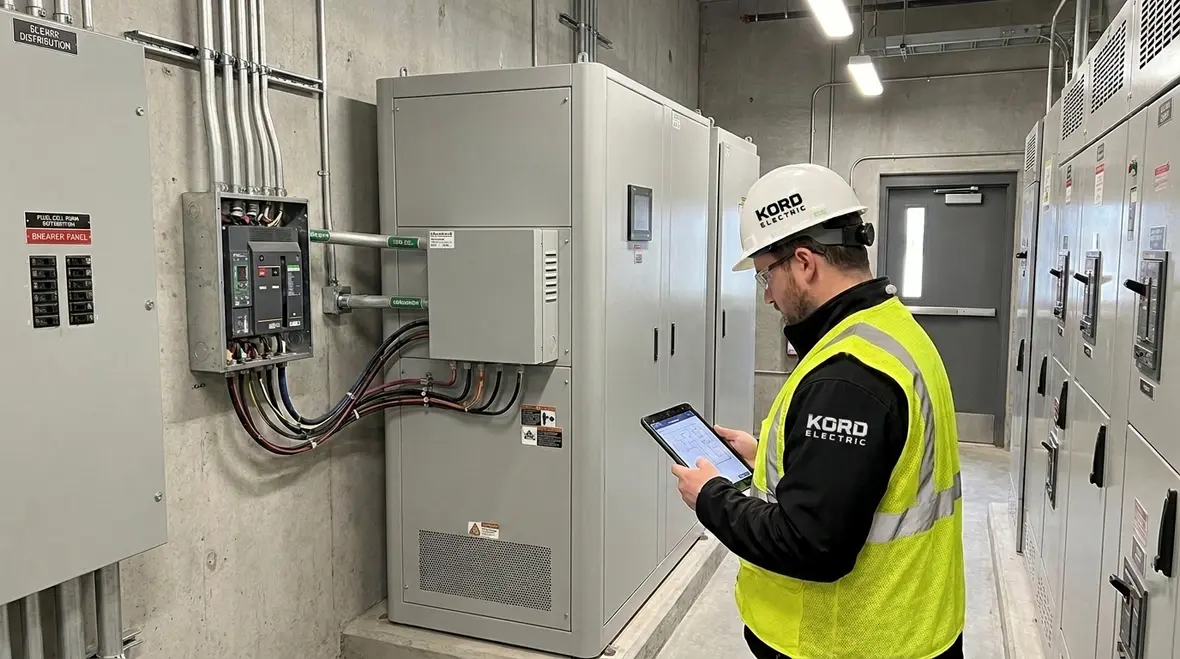
NFPA 70 Section 692.1 Fuel Cell Scope for Facilities
Understanding the NFPA 70 Section 692.1 fuel cell scope for commercial and industrial power
In the first stretch of our work, we start with NFPA 70 Section 692.1 fuel cell scope and what it means for real facilities that run real schedules. Section 692.1 sets the stage for how the National Electrical Code treats wiring and equipment tied to fuel cell systems. And because our world in commercial and industrial spaces never pauses, we treat that scope as a practical roadmap, not a trivia question.
We explain this so your team can plan safely and avoid costly guesswork. Our technicians and expert service staff review code intent, then translate it into steps that work in offices, warehouses, campuses, hospitals, and major property buildings. Yes, we will still talk about “rules,” but only because rules keep the lights on and the alarms quiet. Like any good sitcom, the plot twist is always preventable.
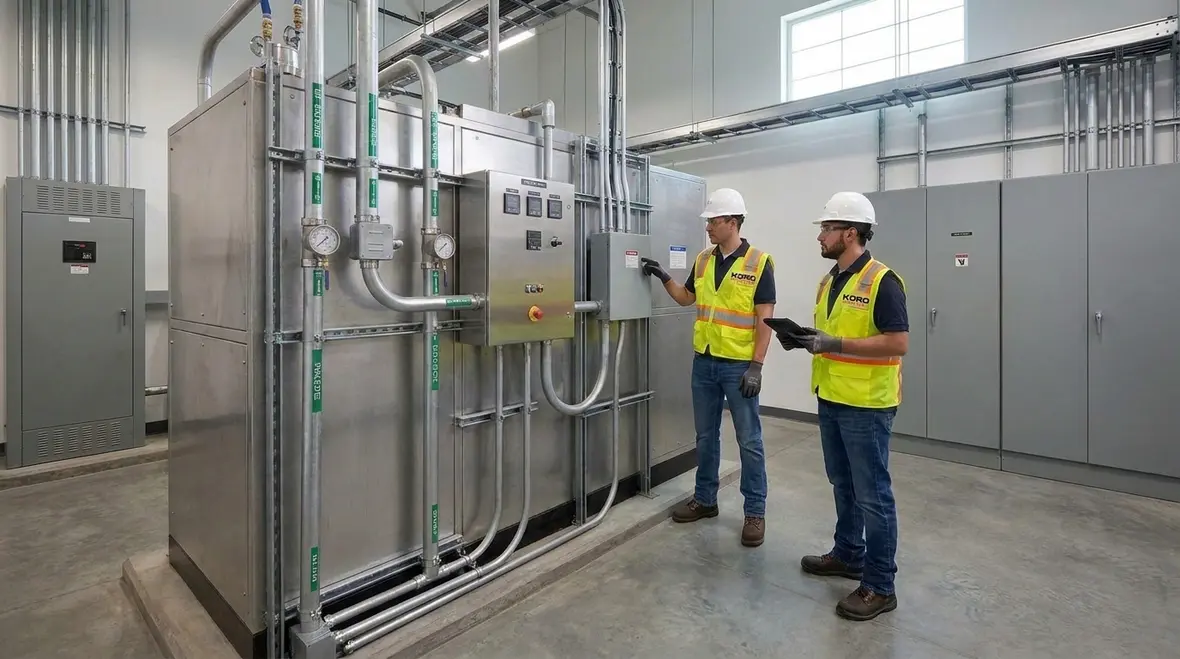
How NFPA 70 guides fuel cell installations in major property buildings
When an electrical system includes a fuel cell, the facility needs a code path that fits both the generator-like behavior and the electrical interfaces. Therefore, our approach focuses on how NFPA 70 organizes requirements around system operation, interconnections, and protective measures. In other words, the code does not just ask, “Can you connect it?” It asks, “Can you do it while protecting people, equipment, and continuity of service?”
From there, our team compares the facility’s design intent with the applicable code logic. Then we map responsibilities across engineering, electrical contracting, and inspection readiness. This matters for commercial and industrial sites because your electrical room cannot become a science fair. You need predictable outcomes, clear documentation, and controls that make sense during maintenance.
Additionally, our experts look at how the installation interacts with the rest of the facility electrical distribution. That includes transfer and protection philosophy, labeling, wiring methods, and coordination with existing panels and switchgear. Most failures happen at the “in-between” places, where teams assume the rest of the system will behave. We do not assume. We verify, and we explain what we find so others can make decisions with confidence.
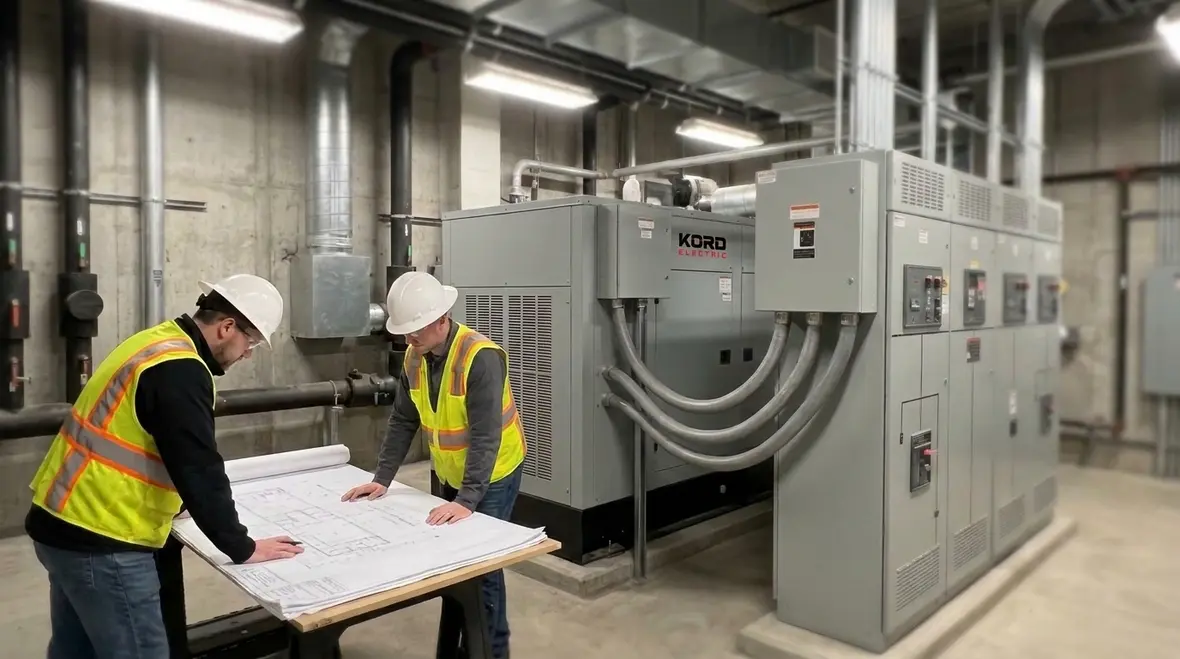
What 2026 updates mean for facility electrical planning
Organizations planning ahead often ask what changes show up as the code cycle matures. While our staff does not treat any publication as a replacement for engineering judgment, we do treat updates as signals. They can affect design details, documentation style, and inspection expectations.
We follow the code discussions that build toward the 2026 understanding of NFPA 70 and we coordinate with how the industry interprets them. Then we translate that into a project plan for the facility team. This approach helps avoid late redesign, especially when procurement lead times for parts or switchgear are longer than anyone wants to admit.
Next, we also consider how other safety code frameworks connect with the electrical code. For fuel cell systems, the practical outcome often depends on multiple disciplines working in step. So we align our documentation and installation checks with the broader safety intent. Our technicians walk the site, identify constraints, and then help the project team address them early, instead of “discovering” them after the rough inspection. Nobody enjoys a surprise, even if it comes with free pizza, and even if it feels like a plot twist from a superhero movie.
For facility teams that want a deeper primer on how NFPA 70 shapes these decisions, we often reference Kord Electric’s resource on understanding the National Electrical Code for 2026, which walks through how code requirements support real-world project planning and inspections. You can explore that broader guide here: Understanding NFPA 70: The National Electrical Code Explained for 2026.
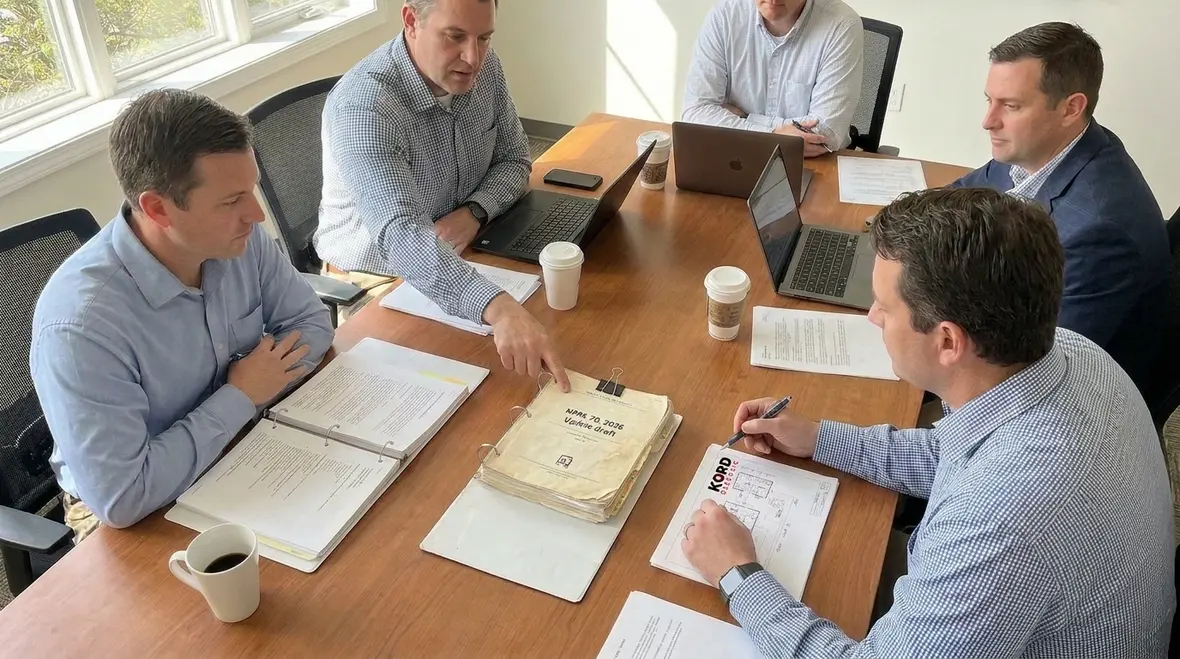
Protective devices, grounding, and circuit coordination
Even a well designed system can fail when protection does not match reality. As a result, we focus on protective devices, grounding, and coordination. Fuel cell systems often feed power through inverter and control interfaces, and the facility electrical system must protect against faults without creating nuisance trips. That balance is where projects succeed or struggle.
Our expert service staff explains the “why” behind device selection. First, we look at fault types and available fault current assumptions, then we connect those to breaker ratings, fuse curves, and coordination margins. After that, we examine grounding and bonding paths to ensure the fault current has a reliable route. When that path is uncertain, safety margins shrink quickly.
Furthermore, we coordinate labeling and documentation. In commercial and industrial facilities, responders and maintenance teams need clarity. We help ensure that the as built record reflects how the system actually behaves. That includes the correct identification of conductors, disconnect points, and interconnection terminals. If your staff cannot trace it on paper or during troubleshooting, your downtime cost rises. We prefer a smooth day over a dramatic one.
Electrical rooms, labeling, and documentation that inspectors trust
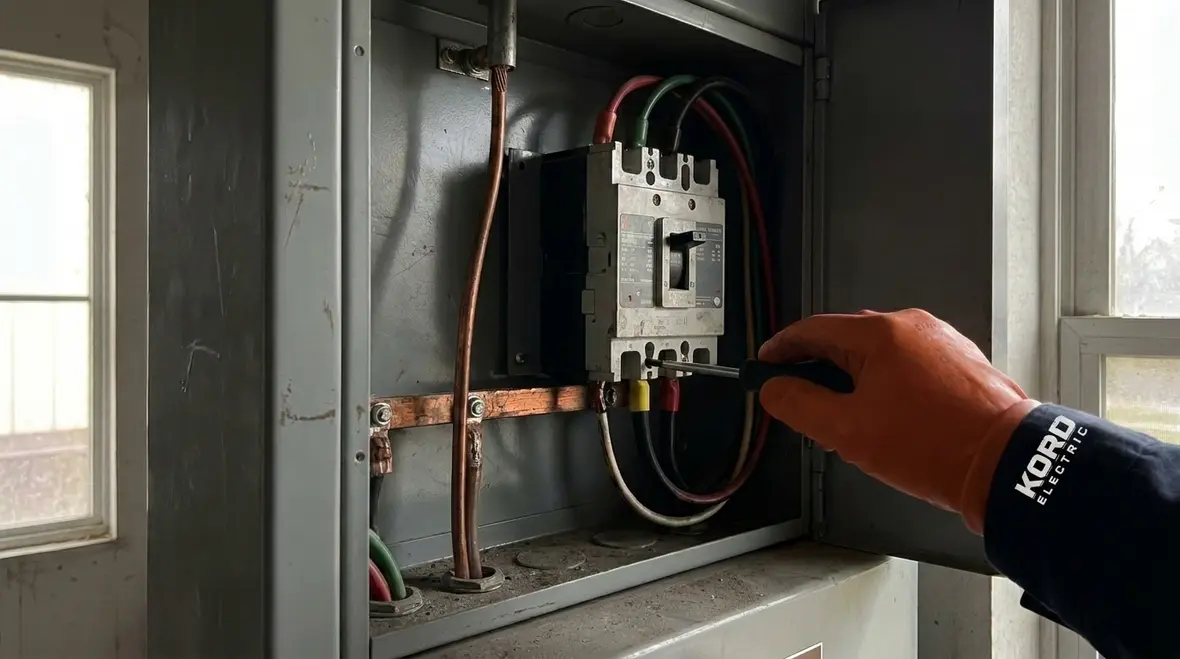
Code compliance is not only about wire and devices. It is also about how the installation communicates its purpose. Therefore, we prioritize electrical room layout, access, and documentation readiness. In major property buildings, the electrical room often serves multiple stakeholders, including facility management, electricians, and sometimes contract maintenance providers.
We also apply a clean labeling strategy. That means accurate identification of circuits, source relationships, and system modes. Fuel cell related components should not be hidden behind “mystery panels” that look like they were built by a vending machine. Our technicians ensure labels match drawings, and drawings match the site. When this alignment exists, inspections go faster and troubleshooting becomes calmer.
In addition, we help establish maintenance expectations. That includes advising what needs routine checks, what needs periodic testing, and what requires qualified personnel. We also explain how documentation supports safe operation and avoids guesswork during service calls. And yes, we know that documentation can feel like paperwork. But it is also the bridge between design intent and real world performance.
For teams navigating broader renovation or upgrade work, it often helps to pair these fuel cell driven requirements with a structured review of your overall electrical compliance posture. Resources like Kord Electric’s guide to electrical code upgrade consulting for renovations show how NFPA 70 and related standards support defensible design and cleaner inspections across your entire facility, not just in one project.
Interface with fire and emergency systems
Fuel cell systems affect more than the electrical system. So we coordinate the installation with broader fire and emergency planning. For commercial and industrial facilities, that coordination often includes how electrical power influences emergency lighting, life safety loads, and shutdown sequences.
We do not replace fire protection engineering, but we do integrate the electrical part of the story. We review how power transfer and control signals integrate with emergency strategies. We also ensure the electrical installation supports safe operation in abnormal conditions.
Because facilities often have dedicated fire protection partners, we encourage teams to work in parallel. That is why we reference the same safety mindset you find in resources like Kord Fire NFPA 70 guidance and industry groups such as FirePumps. Their focus on fire readiness reinforces the idea that electrical work must support overall safety systems. We treat that as a teamwork issue, not a “handoff later” issue. If you want to reduce risk, you align early.
In practice, this means checking how fuel cell output ties into emergency distribution, confirming that shutdown and isolation behavior matches fire alarm sequences, and verifying that signage, labeling, and access control allow first responders to understand the system quickly. That shared understanding is what turns separate designs into a unified life safety strategy.
How Kord Electric supports fuel cell projects from design to closeout
At Kord Electric, we serve commercial and industrial facilities and major property buildings. We build our process for teams that care about uptime, safe installation, and inspection confidence. When fuel cell systems enter the project scope, we bring a focused checklist mindset and a calm, expert communication style.
First, our technicians review the project documents and the electrical one line so the installation plan matches the design intent. Then we confirm the field conditions, including raceways, terminations, clearances, and accessibility. Next, we verify protective device selection and coordination logic with the facility’s system behavior.
We also look at how fuel cell power interacts with other code priorities. That includes NFPA 70A guidance, multiwire branch circuit rules, neutral conductor handling, and feeder supply behavior where relevant to the project scope. Our role is to make sure that NFPA 70 Section 692.1 fuel cell scope is not treated as an isolated rule, but as part of a complete compliance picture that supports safe, reliable service.
Finally, we close out with documentation that supports future service. We help ensure labels, records, and as built details reflect actual installed wiring and controls. This is where many contractors fall short, and it is where our expert service staff earns trust. We explain what we did and why, so others can maintain the system without guesswork. And when someone asks a question during a walkthrough, we answer it like adults, not like a group chat that never agreed on a plan.
Because many fuel cell projects sit inside busy Los Angeles County properties, our team also connects this detailed project work with broader service offerings. When facilities need ongoing support that extends beyond a single installation, we align fuel cell planning with services like electrical troubleshooting, preventive maintenance, and emergency response so your operations team is never left without a plan.
If your organization manages multiple properties or complex sites, it can help to treat fuel cell work as one thread in a larger reliability strategy. That is why we often coordinate our fuel cell projects with broader initiatives like Los Angeles County commercial and industrial electrical services, where distribution upgrades, panel changes, and life safety circuits all need to move in step.
FAQ on NFPA 70 Section 692.1 fuel cell scope for facilities
Conclusion and next steps with Kord Electric
When you plan a fuel cell system, you cannot treat NFPA 70 requirements as a last minute checkbox. You need electrical design thinking, field verification, and documentation that stands up during inspections and maintenance. Kord Electric supports commercial and industrial facilities and major property buildings with expert technicians, clear explanations, and disciplined closeout. If you are reviewing a project scope or planning upgrades for fuel cell related power, contact us. We will help you move forward with safety, clarity, and confidence, without the drama.
For facility leaders who want to connect fuel cell planning to a broader electrical reliability strategy, it can be helpful to review how emergency power, panel upgrades, and preventive maintenance all fit together. Kord Electric’s portfolio of Los Angeles County services is built to support that bigger picture, from code-conscious design reviews to hands-on troubleshooting when something does not behave the way the drawings promised.
If you are evaluating whether to add fuel cells to an existing property or to a new construction project, consider scheduling a structured review that pairs NFPA 70 Section 692.1 fuel cell scope with a look at your life safety systems, distribution equipment, and inspection history. The earlier those threads come together, the easier it becomes to keep your electrical story boring in all the right ways.


