NFPA 70 Section 692 4 Fuel Cell Installation Compliance
NFPA 70 Section 692.4 fuel cell installation sets rules that help keep commercial and industrial sites safe and compliant, and we see it every week on real projects. Our team at Kord Electric helps property owners, facility managers, and electrical contractors interpret these requirements in plain language, not in “lawyer-speak.” However, understanding the National Electrical Code can feel like reading a superhero origin story where nobody talks clearly. That changes when our technicians explain the “why” behind each rule, and then we map it to your building’s power system.
In this guide, we focus on the NEC topics that matter most for major property buildings, including fuel cell installations, electrical system protection, and inspection readiness. We also lean on trusted references and industry partners, including information aligned with NFPA 70 coverage and related fire and pump considerations. And yes, we will keep the pacing slow and the guidance practical, because the last thing you need is electrical code anxiety at 2 a.m.
What NFPA 70 requires for fuel cell projects in major buildings
NFPA 70, also known as the National Electrical Code, gives electrical safety standards for design, installation, and inspection. For commercial and industrial facilities, the code becomes a checklist you can use to reduce risk and avoid costly field corrections. We begin by looking at NFPA 70 Section 692.4 fuel cell installation and related sections that guide how these systems connect to the facility electrical infrastructure.
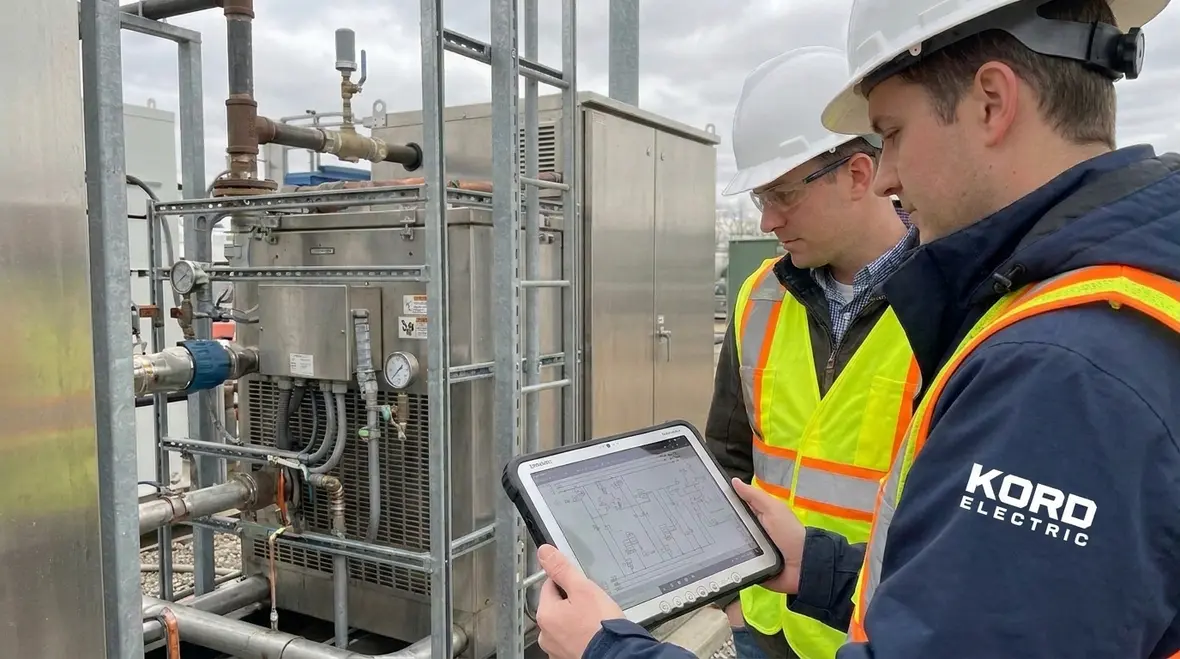
Then we work through the practical meaning of the rules. First, fuel cell systems must integrate with wiring methods, overcurrent protection, disconnecting means, and equipment labeling requirements. Next, the installation must match the equipment listing and manufacturer instructions. After that, the system must maintain the protective intent of the code even when the fuel cell operates alongside the normal utility supply.
Our expert service staff often tells clients this: if your design meets the code on paper but the field wiring does not match the plan, inspectors still notice. Therefore, we verify details like conductor sizing, grounding paths, and routing before the installation gets buried under trays and ceilings.
How we interpret NFPA 70 Section 692.4 fuel cell installation in the field
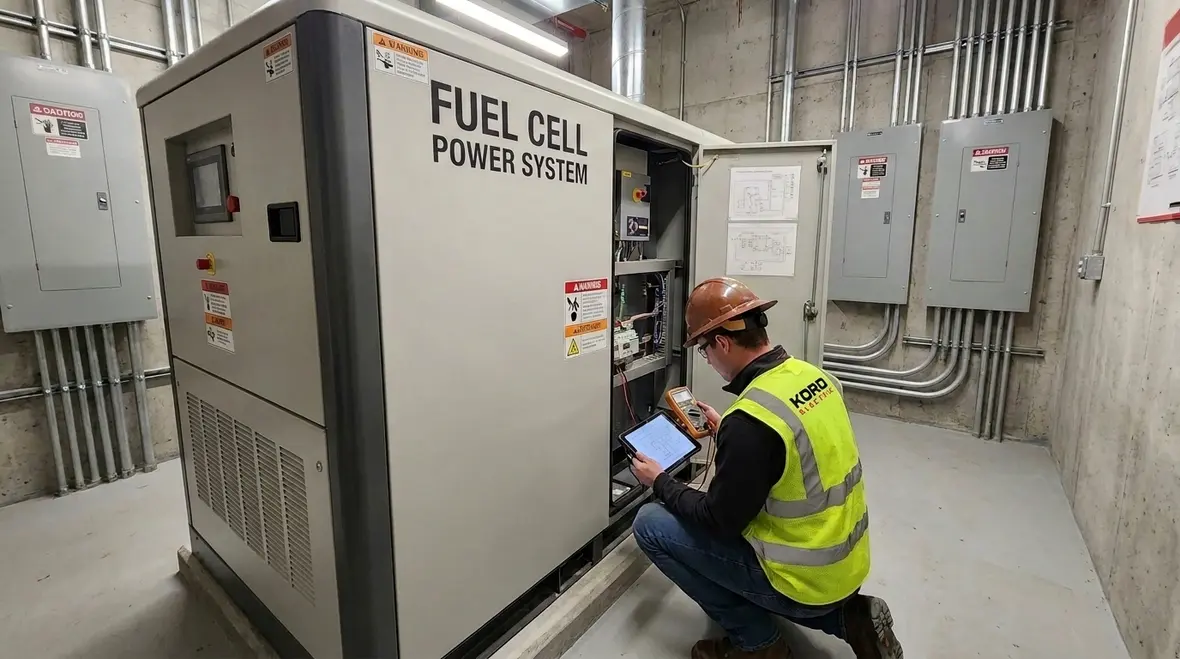
We do not treat the code like a set of “gotchas.” Instead, we treat it like a safety map. Under NFPA 70 Section 692.4 fuel cell installation, we expect the installation to cover electrical connection requirements, protection devices, and the way the system behaves during normal operation and abnormal conditions. Additionally, we check that the system does not create unsafe backfeed conditions, and that disconnecting and control functions support safe maintenance.
Our technicians explain the key steps in a way that facility teams can use during planning. For example, they outline what must exist before energized testing. They also clarify documentation needs like equipment markings, one line diagram updates, and labeling that aligns with the final configuration.
And because reality loves drama, we remind teams to plan for coordination. That means coordinating with building electrical systems, switchgear, grounding networks, and any auxiliary systems the project includes. If your site uses fire pumps or water based protection systems, electrical control and power reliability becomes even more important, since those systems often depend on stable power during emergencies. We may also coordinate with specialists and guidance aligned with fire pump requirements such as those described by FirePumps.org, so electrical scope does not fight the fire protection scope.
Wiring methods, grounding, and protection that inspectors actually look for
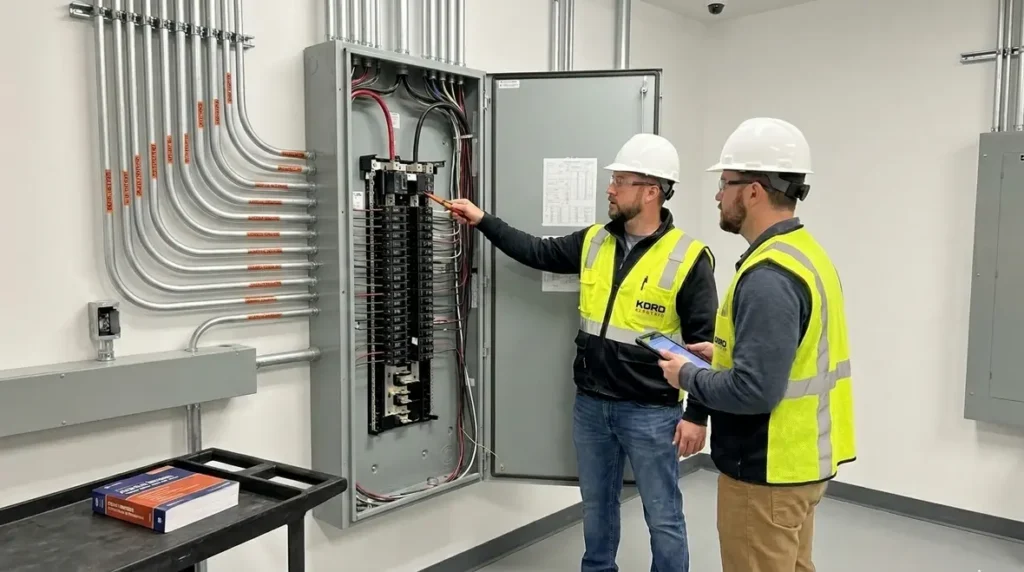
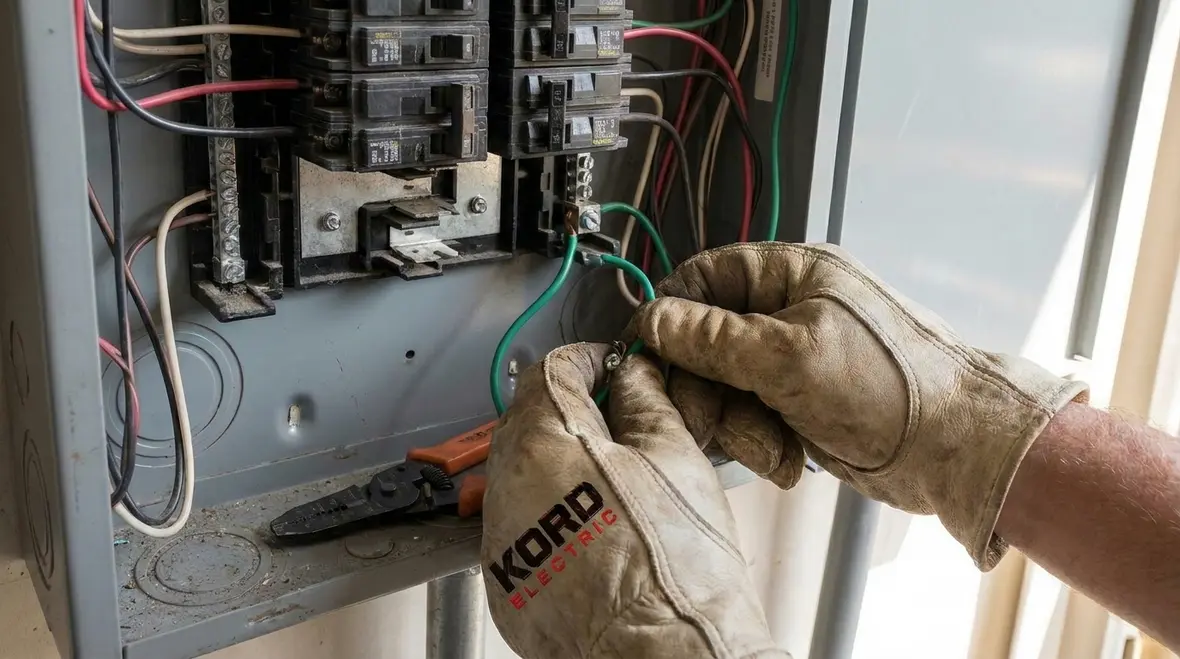
When an inspector evaluates a fuel cell installation, they look for consistency and safety. Therefore, we focus on wiring methods that protect conductors from physical damage and provide a safe path for fault currents. We also verify that grounding systems meet the intent of the NEC, because improper grounding can create nuisance faults, unsafe exposed parts, and delayed protective operation.
Next, we pay attention to protective devices. Overcurrent protection must match the conductor ampacity and the equipment requirements. Moreover, disconnecting means must support safe shutdown for service and emergency response. We also ensure the system includes the proper labeling so the right people can find the right controls without playing guessing games.
Our technicians explain this plainly. If your labels say one thing and the equipment does another, you might pass the inspection today and fail the next emergency tomorrow. And that is not a “maybe.” That is a risk.
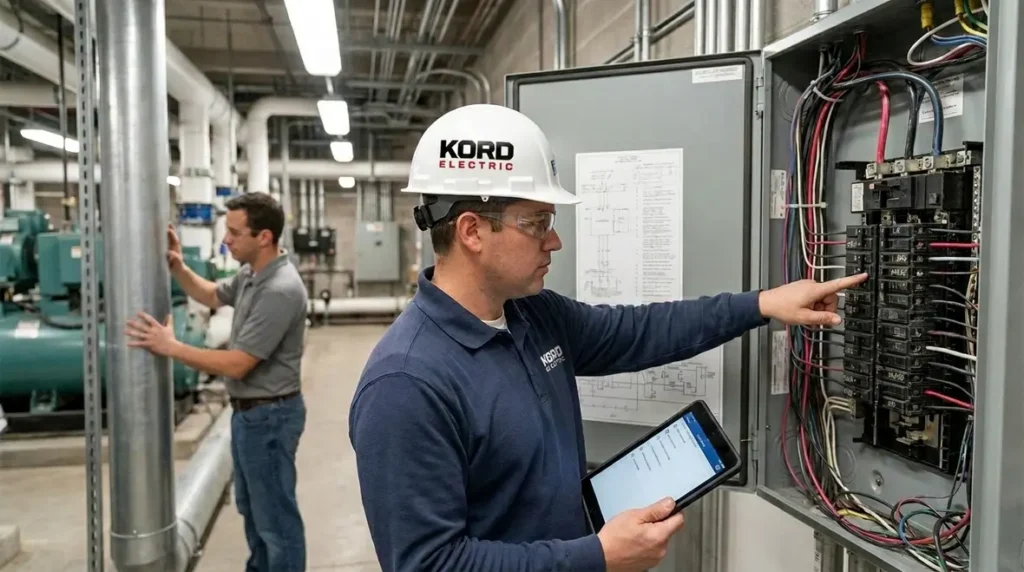
To keep projects organized, we build and maintain a clean paper trail. We update single line diagrams and wiring schedules, then we cross check field installed components against the drawings. As a result, you get fewer reworks and fewer “why is this different” meetings.
Planning for power quality and coordination in industrial electrical systems
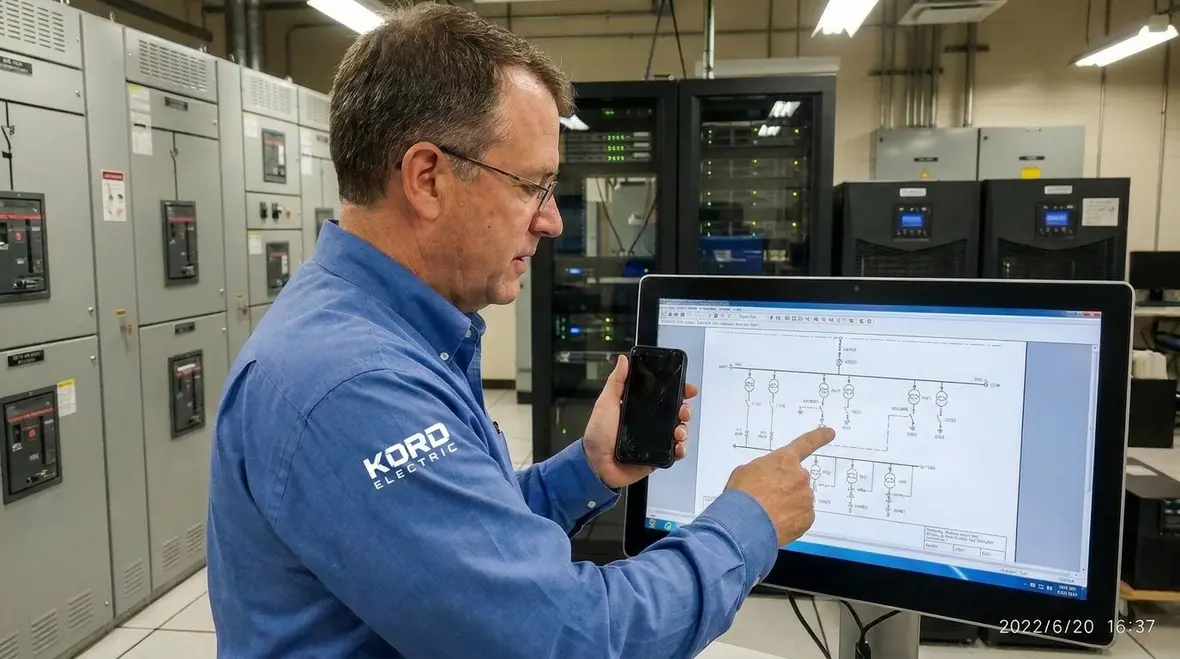
Fuel cell systems do not exist in isolation. They interact with the facility electrical distribution, including generators, UPS systems, switchgear, and load management controls. Consequently, we help teams plan for coordination so the facility keeps running when power conditions change.
We often start with the site’s existing one line diagram and identify where the fuel cell system will connect. After that, we examine coordination between breakers, protective relays, and any transfer or interconnection equipment. Then we check how the system supports safe operation during starting, ramping, and shutdown.
Also, we consider the site’s power quality requirements, because industrial loads can be sensitive. If power quality slips, production slows down, and nobody needs that during a critical run. While the NEC focuses on electrical safety, good engineering coordination supports electrical reliability, and we aim for both.
In the background, we also stay aligned with broader NEC interpretations and summaries, including resources like the NFPA 70 coverage explained by Kord Fire. And for fire and safety system alignment, we stay aware of related guidance found on Kord Fire and other industry partners. Even if the scopes differ, coordination matters when systems share power, control wiring, and emergency scenarios.
For teams that want a wider NEC picture while planning fuel cell work, we often reference Kord Electric’s own NEC explainer, Understanding NFPA 70, the National Electrical Code Explained for 2026. That broader context helps facility leaders connect project decisions today with code expectations arriving in the next cycle.
Common mistakes we help commercial teams avoid
In commercial and industrial projects, code compliance failures usually come from a handful of repeating issues. So we help teams avoid them early, before the schedule slips and the budget feels like it is on a treadmill.
First, we see incomplete design coordination. Someone drafts a plan, but the field installation ends up with changes that the documentation does not reflect. Next, we see grounding details overlooked, especially where systems connect across equipment boundaries. Also, some teams treat labeling as an afterthought. Then, during commissioning, they discover the system lacks the clear markings needed for safe operation.
Another mistake involves disconnecting means and maintenance access. If a disconnect exists in the drawings but the final location blocks service space, the problem shows up fast. Additionally, some projects underestimate conductor routing. When cables and conduits fight with structural steel, ductwork, or other trades, you can end up with compromises that do not meet safe installation expectations.
Our technicians fix this with a repeatable process. We do plan reviews, pre installation coordination, and field verification. And when we find a risk, we explain it in business terms: what it costs, what it delays, and what it threatens. That way, decisions stay grounded in facts, not fear.
Commissioning, documentation, and inspection readiness for NEC compliance
After installation, the job shifts from wiring to proof. Therefore, we guide our clients through commissioning steps that support inspection readiness. We confirm that protective devices operate as intended, that control wiring functions correctly, and that the system matches the final drawings.
Documentation matters just as much as hardware. We help teams prepare updated one line diagrams, wiring schedules, and as built records that reflect the actual installation. We also ensure labeling matches the final configuration, because a clear map helps maintenance and emergency response.
In addition, we verify that the project includes the right test results and commissioning notes. Our expert service staff explains what each record means and who uses it later. Then we make sure your facility can operate and maintain the system without needing to “re-learn the project” every time a technician changes shifts.
For code context, we also stay informed through resources that explain NEC structure and intent, including Kord Electric’s NEC overview. That helps us align our practical work with the bigger code picture, especially as updates approach.
FAQ for commercial and industrial fuel cell electrical installations
Next steps with Kord Electric for your NEC driven project
If you run a commercial or industrial facility and you want a fuel cell electrical project that actually holds up in the real world, we can help. Kord Electric works with building teams on design coordination, installation verification, and commissioning support grounded in NFPA 70 requirements. We explain details clearly, so your stakeholders understand the “why,” not just the “what.” Contact us to schedule a code review and scope alignment session. Then we help you move forward with confidence, not with guesswork and duct tape.
For facilities across Southern California, that support often includes full service electrical expertise for major properties. If your site needs broader help beyond one fuel cell project, explore how our team delivers comprehensive Los Angeles County electrical services for commercial and industrial facilities that keep projects aligned from design through inspection and long term operation.
Whether you are planning a new NFPA 70 Section 692.4 fuel cell installation or upgrading an existing power system to match upcoming code direction, our technicians and expert service staff build a calm, repeatable path. We connect code language to real equipment, clarify how your one line diagram should evolve, and coordinate with your other vendors so electrical work supports fire protection, business continuity, and daily operations instead of fighting them.
From the first coordination meeting to the final inspection walk through, we keep the focus on safety, clarity, and long term reliability. That way your fuel cell project does not just achieve compliance on day one, it stays a reliable part of your building’s electrical story for years to come.