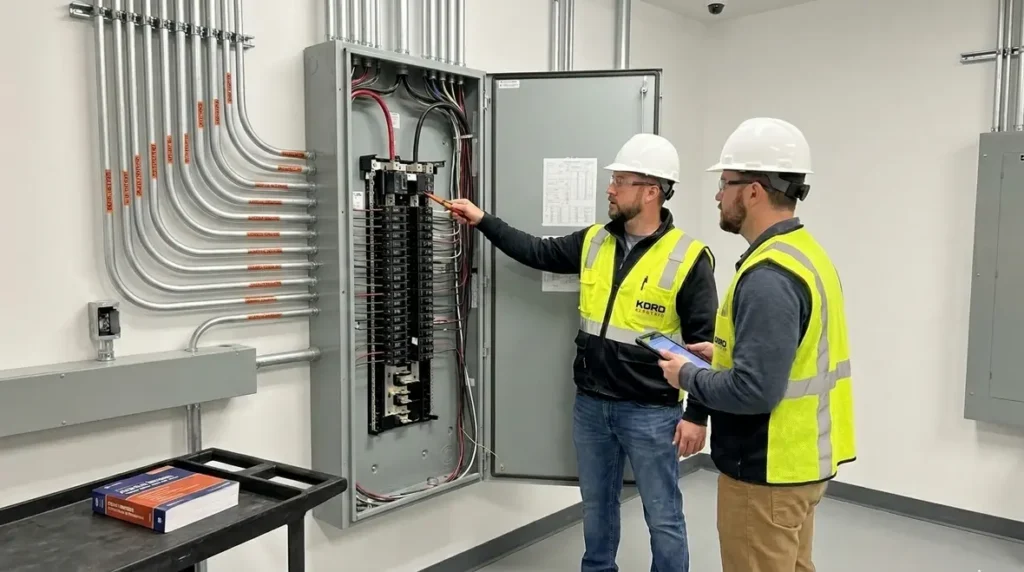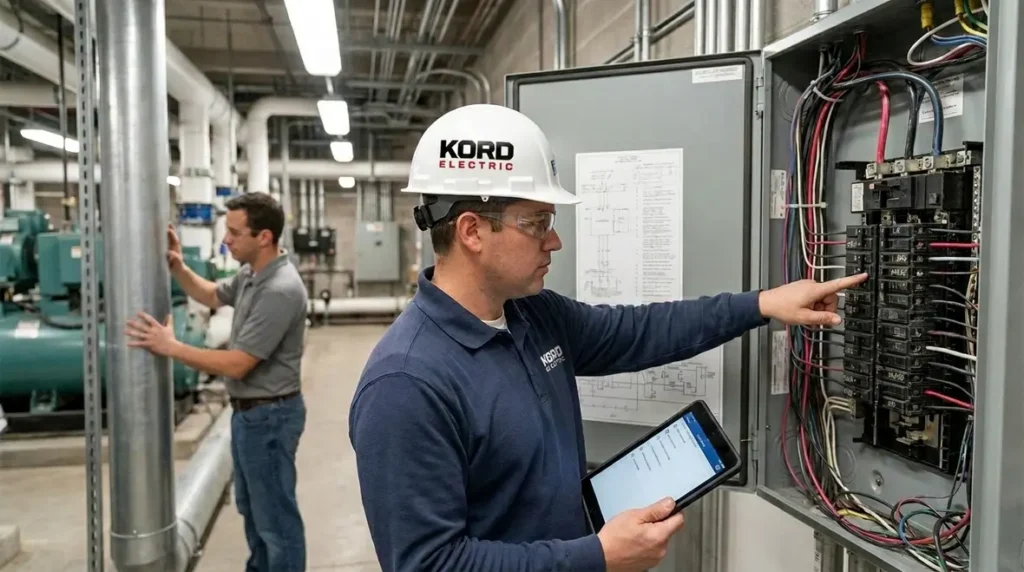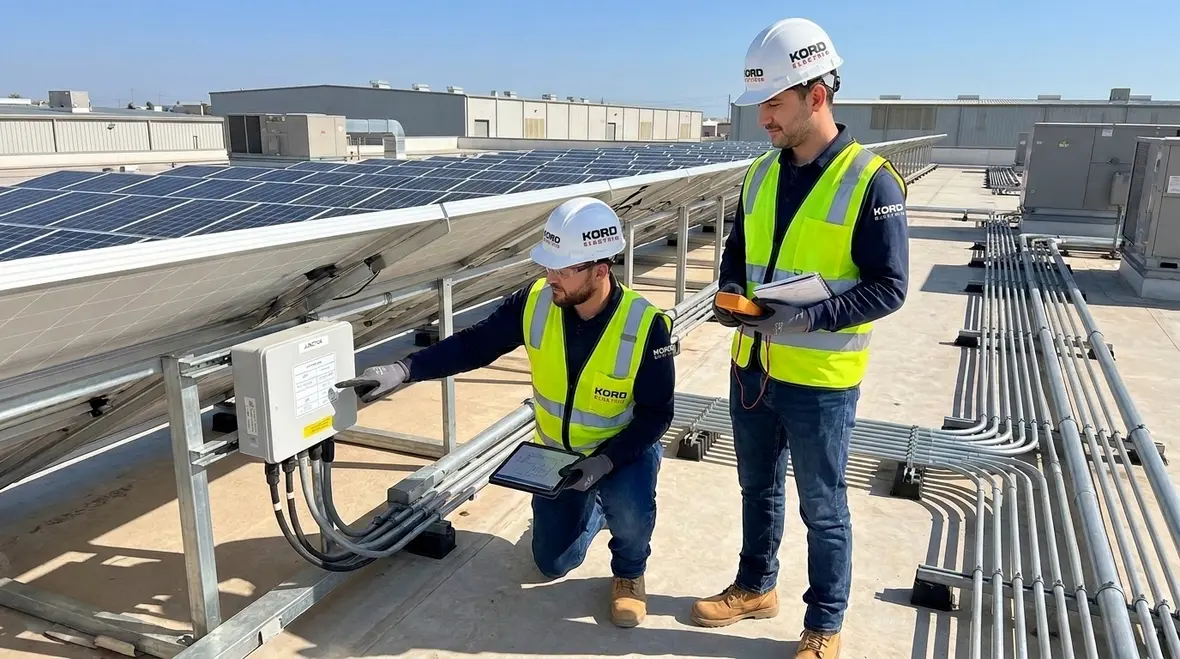
NFPA 70 Section 691.7 PV Construction Conformance by Kord Electric
Kord Electric approaches NFPA 70 Section 691.7 PV construction conformance with the same calm focus we bring to every commercial and industrial job site. In the first place, we want your solar electric installation to match the rules for how PV systems are built, installed, and protected. Next, we make sure our teams can explain the “why” behind each requirement, not just recite it. And finally, we verify that the details hold up when real weather shows up, inspectors arrive, and deadlines insist on being impatient. That is the goal. Not chaos. Not guesswork. Not, as some contractors like to treat codes, a “vibe check.”
What NFPA 70 means for commercial and industrial electrical systems
When people say NFPA 70, they usually mean the National Electrical Code, and when facility owners say “we need this right,” they mean the entire electrical story. For large buildings, that story includes feeders, raceways, grounding, labeling, overcurrent protection, and the way power flows from source to load. It also includes the sections that govern special systems like PV. While some teams treat NFPA 70 like a textbook, our technicians treat it like a field guide. They read it, then they build around it.
Therefore, NFPA 70 becomes practical. For example, the NEC sets expectations so your electrical system can handle load, fault conditions, heat, and physical damage. In addition, it supports coordination across trades and disciplines. In commercial and industrial facilities, that matters because multiple systems operate under one roof, and one sloppy connection can turn into multiple downstream problems. We keep our process methodical, and we document what we do so others can verify it later.
Now, a quick reality check. If someone tells you the code is optional for big projects, you are probably hearing the same story that says “this duct tape will fix the universe.” It will not. The NEC helps prevent fires, shocks, and costly downtime. And yes, downtime is expensive in a way that feels personal, like a bad sitcom episode that never ends.
Where PV construction conformance fits into NFPA 70
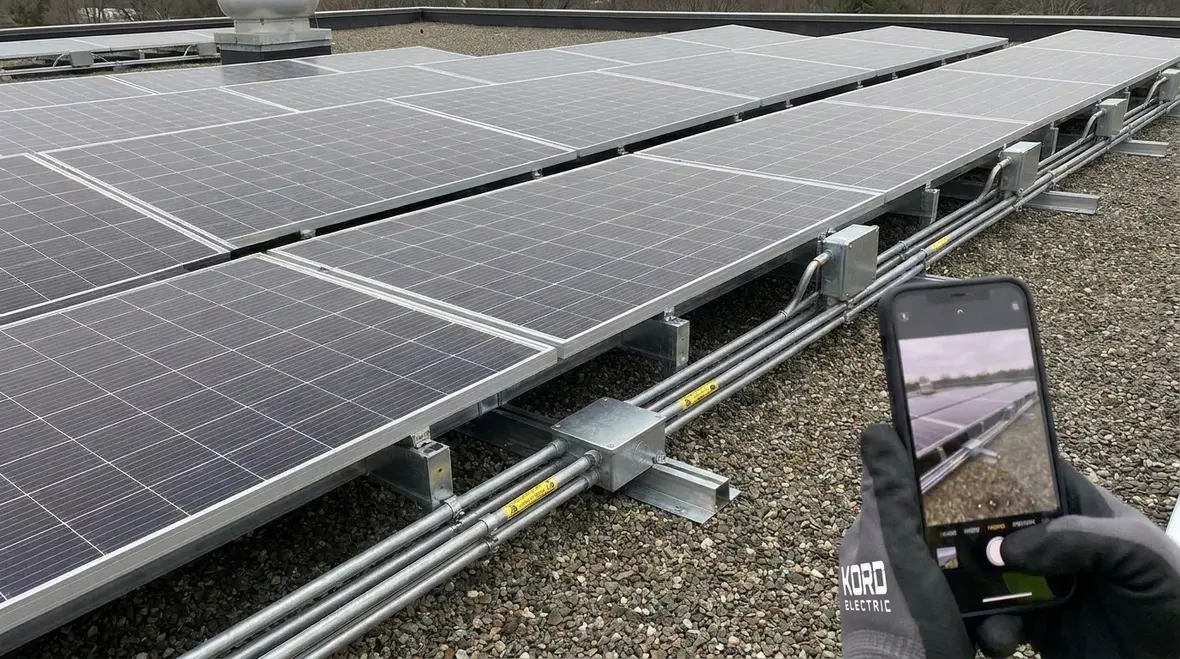
PV systems do not get treated like regular branch circuits, because PV has unique hazards and behaviors. Sunlight, current characteristics, and system components require specific rules. That is why NFPA 70 Section 691.7 PV construction conformance focuses on how PV equipment is constructed and marked so it fits the system as intended. Essentially, the section sets a standard for what we must accept from the equipment side and how the installation must align with those requirements.
In simple terms, construction conformance means the PV equipment is built to meet the NEC expectations, and it can be used without violating the safety intent. Consequently, our technicians review labeling, installation requirements, and component compatibility as part of the job workflow. They do not just land panels and hope for the best. They verify that the system follows the code path.
Also, this section supports a broader goal: consistent performance and predictable safety outcomes. When PV construction is aligned with Section 691.7 requirements, the design is less likely to fail due to mismatched parts or overlooked constraints. And when something does go wrong, clear compliance makes troubleshooting easier, which means fewer long shutdowns and fewer “mystery errors.”
How we check the NEC during design and installation
At Kord Electric, we do not wait for the inspector to find problems. Instead, we build compliance into the design review and installation plan from the start. Our expert service staff explains the process step by step, because facility teams should understand what is happening and why, especially when project schedules get tight.
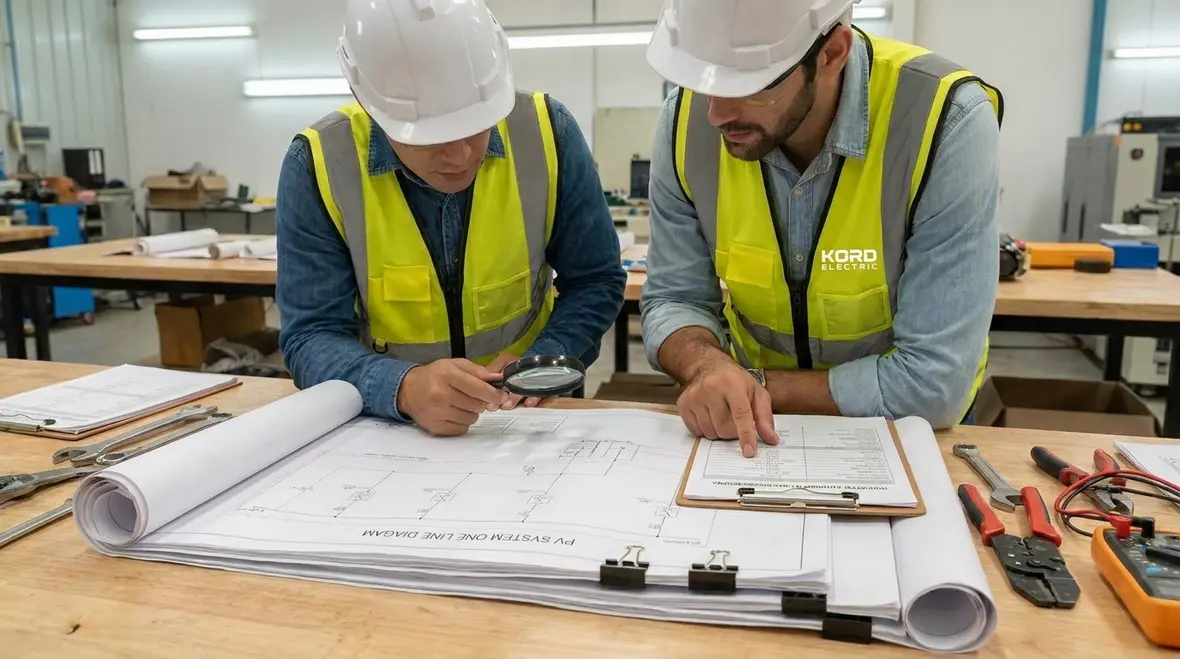
First, we look at the electrical one-line, utility interface, grounding approach, and the planned conductors and equipment. Next, we map PV components and their interconnections to the NEC requirements that govern both typical electrical rules and PV-specific rules. Then we confirm the construction conformance pieces tied to NFPA 70 Section 691.7 PV construction conformance and the related expectations for acceptable equipment.
In the field, our technicians also verify physical installation details that often get overlooked in paperwork. For instance, they check how components mount, how raceways route, how terminations land, and how the system stays accessible for maintenance and inspection. Moreover, they pay attention to labeling so that future operators and responders can identify circuits without playing detective.
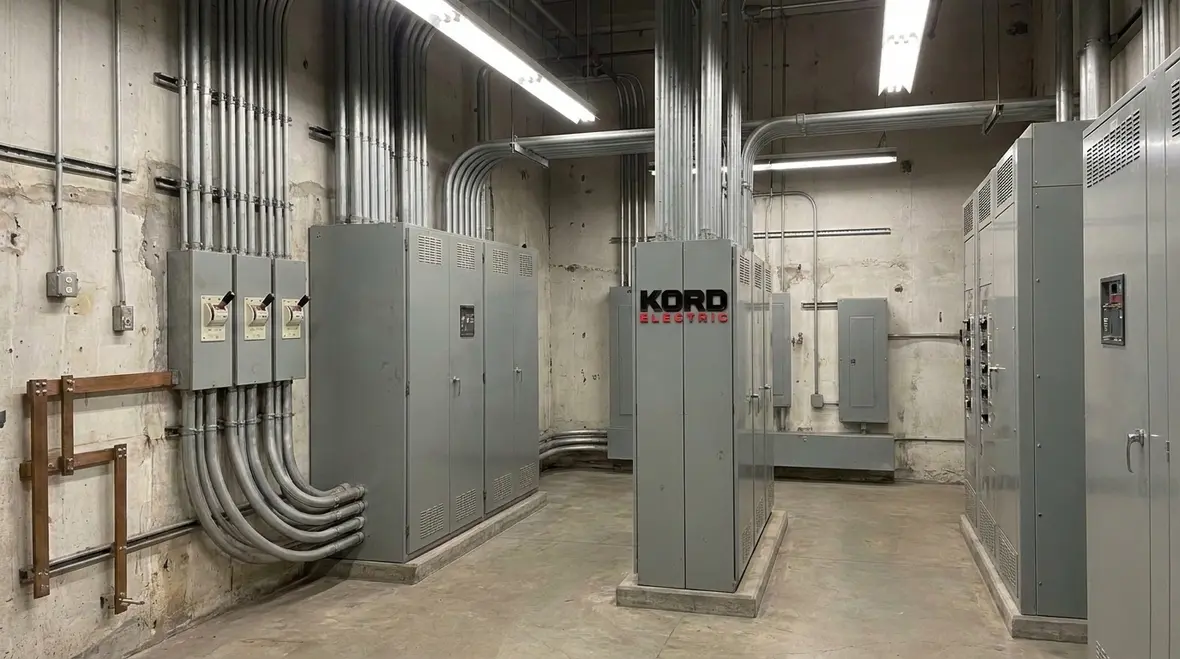
And just to keep things light, we will say this: the electrical room should not be a treasure map. It should be a clear system, with correct markings and predictable layouts.
Technical points that matter for major property buildings
Large facilities behave differently than small sites. Loads vary. Schedules shift. Maintenance happens in windows that can shrink without warning. Therefore, the NEC compliance approach needs to support real operations. For PV and related electrical elements, our teams focus on key technical areas that hold the system together over time.
1) Equipment identification and compatibility
We confirm that PV modules, inverters, disconnects, and safety components are identified in a way that supports proper installation and safe servicing. When equipment matches its intended use, the system operates as designed.
2) Protection and fault handling
We coordinate protective devices so faults clear in a controlled way. That reduces risk to personnel and helps prevent damage from cascading across circuits.
3) Wiring methods and routing
We ensure that conductors and raceways route properly, withstand the environment, and remain suitable for the installation location. Just because cable fits does not mean it stays correct after thermal cycles and mechanical stress.
4) Grounding and bonding clarity
We support a grounding plan that maintains safety and improves fault performance. Clear bonding reduces stray current issues and improves overall system stability.
None of these points are “extra.” They are part of building a PV system that can pass inspection and still perform in the real world. Moreover, for commercial and industrial property, these technical choices also support risk management and lifecycle reliability.

Common compliance gaps we help clients avoid
Even skilled teams can stumble, especially when projects involve multiple contractors and tight deadlines. We help clients avoid gaps that create delays or safety concerns. Our expert staff explains these issues early so decision makers can steer the project without surprises.
Gap 1: Treating PV like standard electrical work
PV has special rules for how components must meet construction expectations and how the system gets installed. If teams ignore that, the result can be equipment mismatches and inspection delays.
Gap 2: Missing documentation and labeling details
When labeling or installation records lag behind construction, inspections slow down. As a result, the team loses time and sometimes gets forced into rework.
Gap 3: Weak coordination across electrical scopes
PV ties into distribution, inverters tie into utility interfaces, and safety devices tie into both. Therefore, coordination matters. We help align those pieces so the electrical system does not become a patchwork quilt.
And yes, we have seen “temporary” solutions survive long enough to become permanent. We help clients keep the word “temporary” in the past tense.
How Kord Electric supports long term safety and service
Compliance does not stop at installation. It continues through commissioning, documentation, and service readiness. We support facility teams with clear handoff materials and technician-friendly layouts so maintenance does not require guesswork. Our goal stays consistent: safe systems that function reliably, and service staff can work on them without fear or confusion.
To do that, we build training moments into our projects when appropriate. Our technicians walk through key components and explain where protections sit, how to identify circuits, and what to check over time. That way, others inherit a system they can operate and maintain. We are not building for a single inspection. We are building for decades of uptime.
For additional reading and broader code context, our team also points clients to materials like Kord Fire resources on NFPA 70 coverage and the National Electrical Code, as well as professional fire and life safety references such as Fire Pumps focused educational content at firepumps.org. We keep our approach grounded in the same safety intent that those resources reinforce. For a deeper dive into the bigger NEC picture, facility leaders often review our companion article Understanding NFPA 70: The National Electrical Code Explained for 2026 from the Kord Electric blog, then connect that guidance to PV-specific planning.
FAQ
Get PV and NEC-ready with Kord Electric
If you operate a commercial or industrial facility and you want PV work that holds up to inspection and real-world demands, Kord Electric is ready to help. Our technicians and expert service staff guide your team through NEC expectations, including PV construction conformance needs, and we document everything clearly. Reach out for a site-focused review so we can identify risks early and plan the safest path forward. Do not let your PV project turn into a long episode. Make it a short, successful one with us.
When your project extends beyond PV into broader distribution changes, our Los Angeles County electrical services team supports everything from service equipment planning to preventive maintenance, so the PV system plugs into an electrical backbone that is just as code-ready.
For facilities that want to dig deeper into NEC structure before or during PV planning, we also encourage reviewing companion content such as “How to Read NFPA 70 National Electrical Code” and “What Is NFPA 70? Understanding the National Electrical Code” from the Kord Electric blog. These resources pair well with NFPA 70 Section 691.7 PV construction conformance, turning code language into field-ready decisions for design, installation, and long term service.