NFPA 70 Section 692.31 Fuel Cell Wiring Systems
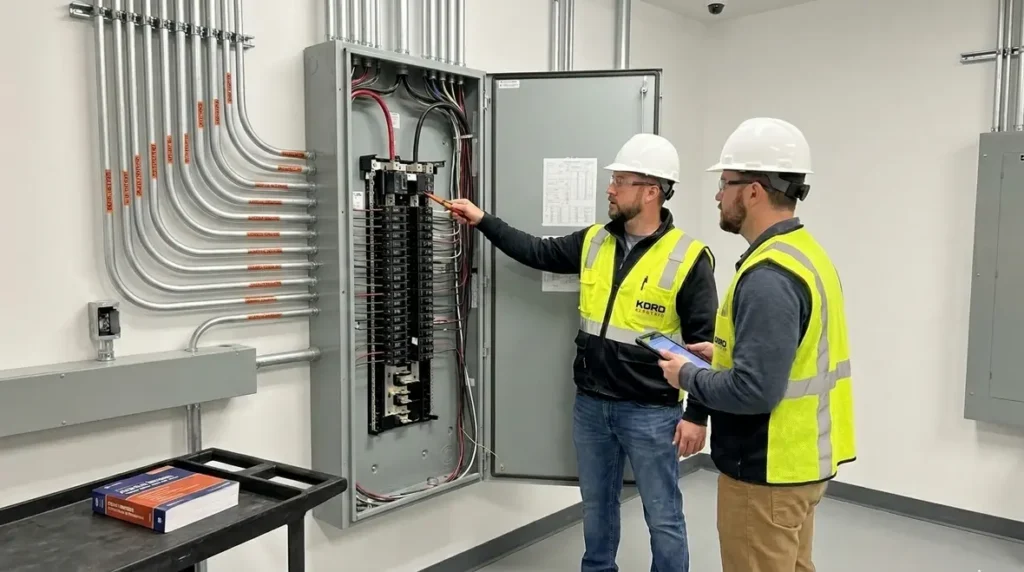
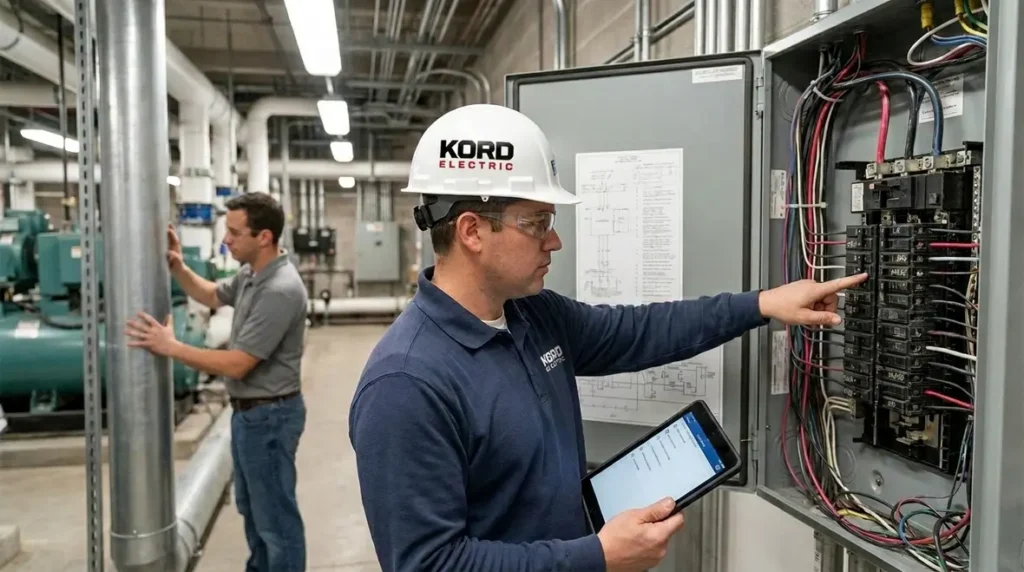
When a facility plans for clean power, the electrical rules can feel as detailed as a recipe written by a robot. Still, NFPA 70 Section 692.31 fuel cell wiring systems matters because it helps keep fuel cell installations safe, consistent, and code compliant. Kord Electric works with commercial and industrial facilities and major property buildings, so we see the real-world challenges: tight mechanical rooms, shared pathways, and staff who need clear answers before anyone swings a wrench. In this article, we explain the National Electrical Code approach in plain terms, and we do it with the calm confidence of our expert technicians. After all, anyone can quote a code book, but it takes experience to translate it into wiring you can trust.
NEC and compliance: why facilities care
The National Electrical Code is not a “nice to have” document for commercial operations. Instead, it acts like a common language between engineers, installers, inspectors, and building owners. And when your fuel system is involved, the stakes rise because the electrical design connects to devices that may operate under unique conditions. That is why we focus on the relevant NEC requirements and how they fit into the full project plan.
At Kord Electric, our service staff explains that compliance reduces risk and avoids costly redesign. Meanwhile, the wrong approach can trigger inspection delays, rework, and, in worst cases, unsafe operation. So, we guide teams to plan early, document decisions clearly, and wire to the intent of the rules rather than just the letter.
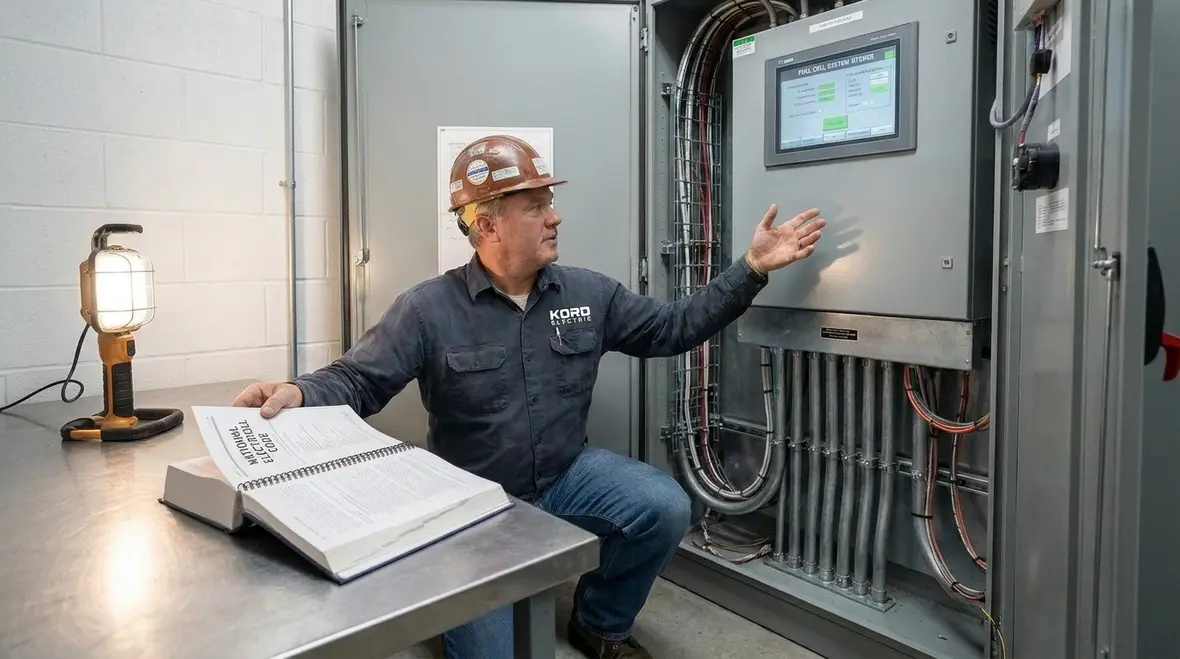
For facility teams who want a deeper code backdrop, Kord Electric also shares NEC context across our blog resources. One example is our companion article on NFPA 70 Section 225.10 NEC wiring on buildings code, which walks through how exterior and building wiring decisions affect safety, reliability, and inspection results for commercial and industrial properties.
We also connect project decisions to broader NEC guidance. Our article on NEC USE cable ampacity and NFPA 70 Section 326.80 explains how conductor ampacity, raceway fill, and temperature conditions influence safe current levels. Together with fuel cell wiring planning, these topics help facilities see the system as a whole, not as isolated circuits that just share a room.
Key requirements for fuel cell wiring systems under Section 692.31
Section 692.31 fuel cell wiring systems sets expectations for how wiring should be installed and protected for these systems. Therefore, we treat the section as a design and installation map, not a last minute checkbox. Our technicians review the project details and then align them with the code requirements that apply to conductors, raceways, connections, and protective measures.
To keep things practical, we look at what actually changes in a typical commercial build. First, fuel cell equipment may require careful conductor routing to support safe operation and service access. Next, the wiring method must match the environment and the electrical load characteristics. Then, termination practices and protection requirements must follow the rules, because loose connections and inadequate protection are where problems begin.
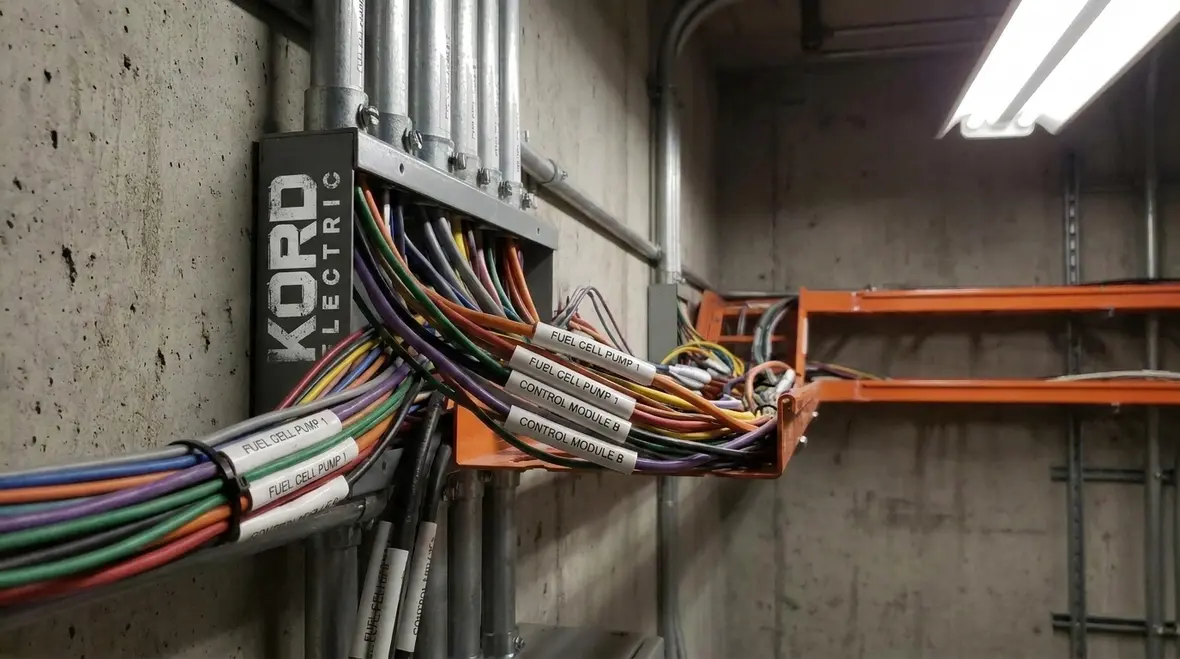
We also remind project teams that fuel cell systems do not live in isolation. They share spaces with other building circuits, controls, and sometimes emergency systems. So, when we plan NFPA 70 Section 692.31 fuel cell wiring systems compliance, we also think about separation from unrelated circuits, labeling, and future service needs.
In the background, these decisions tie directly into broader NEC strategy. When we talk with facility leaders about “what the code expects,” we often connect them to resources like our overview on Understanding NFPA 70: The National Electrical Code Explained for 2026, which walks through how the NEC operates across building types and why details like routing, overcurrent protection, and labeling matter long after construction wraps up.
How we plan the wiring layout in real commercial spaces
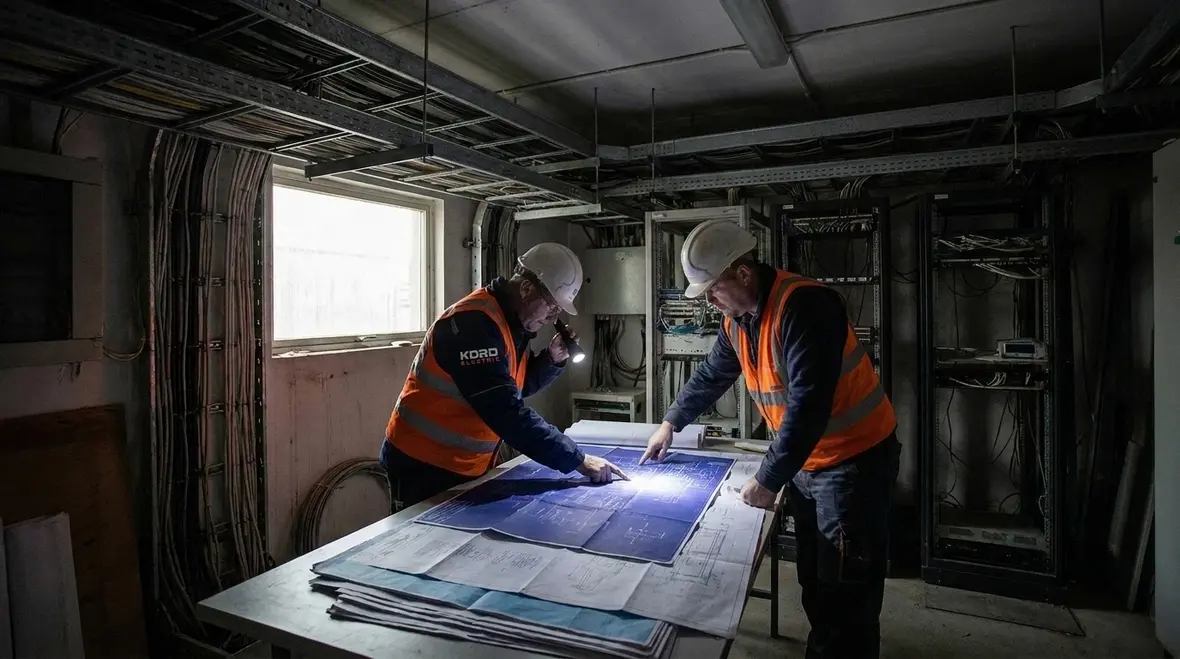
Even when drawings look clean on paper, the field has surprises. That is why our expert service staff works with facility managers and electrical contractors to plan the routing before installation begins. Since commercial and industrial buildings include crowded corridors, layered cable trays, and limited access panels, we treat layout work as part of safety.
We start by mapping equipment locations, then we choose wiring paths that support protection and service. After that, we confirm how conductors will enter equipment and how terminations will remain accessible. This step matters because future troubleshooting should not turn into a treasure hunt. Also, we plan for separation and routing discipline, so unrelated circuits do not create confusion or unwanted interaction.
One small tip that saves big time: we label clearly at both ends, and we keep a consistent marking approach across the project. Of course, no one enjoys paperwork, but inspectors and maintenance teams love when labeling actually works.
And yes, we have seen projects where the “as built” looked like a modern art exhibit. Our team aims for clarity instead, because a calm panel schedule beats a frantic call at 6 a.m.
That layout discipline also connects to how other NEC sections behave in the same building. For instance, our discussion on NEC wiring on buildings under NFPA 70 Section 225.10 explains how exterior feeds, inter-building runs, and structural routing must align with safety expectations. When fuel cells enter the picture, we do not treat those topics separately; we align routing choices so the whole system stays consistent and inspection-ready.
Device protection, conductors, and connection quality
Safe fuel cell wiring does not come from wiring that “looks right.” It comes from wiring that withstands expected conditions and stays reliable over time. Therefore, our technicians focus on protection methods and connection quality from the start.
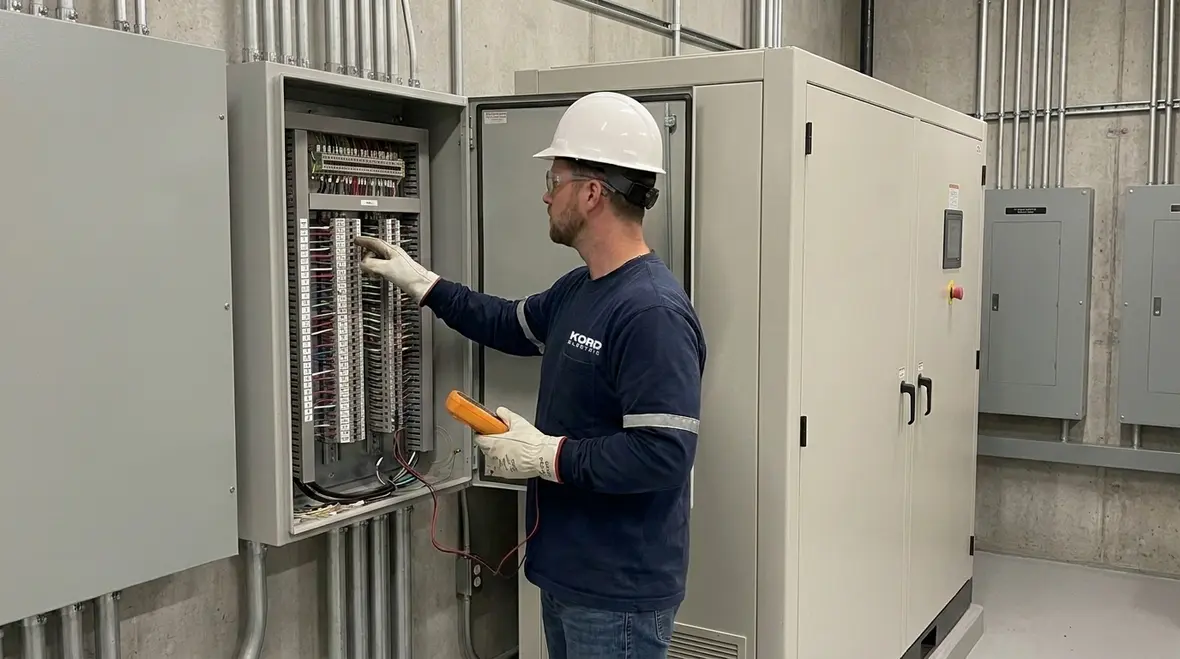
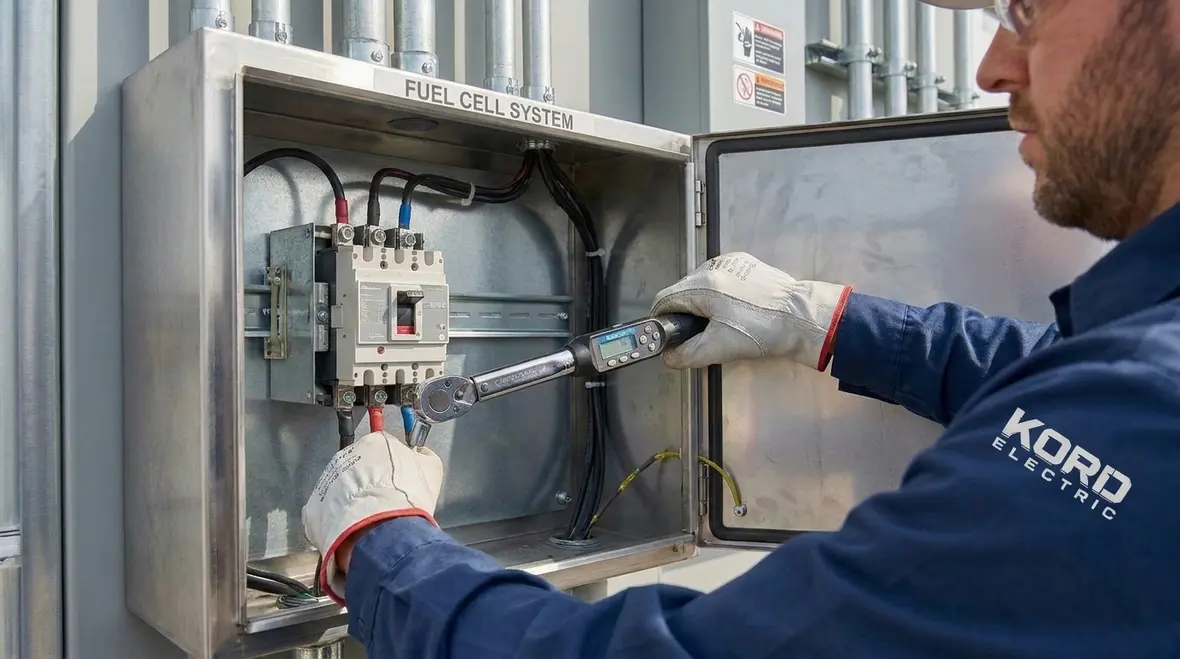
We verify that protective components match the design intent and the NEC approach. Then we select conductor types and insulation suitable for the environment. Next, we confirm that termination methods and torque practices support long term stability. Poor connections may work briefly, but they can lead to heat, oxidation, and failure. Meanwhile, a strong termination supports consistent performance.
Our service staff also emphasizes testing and inspection readiness. We help teams prepare documentation so the facility can move forward with fewer delays. In commercial and industrial settings, time is money, and electrical rework often costs more than people expect.
As a quick reality check, think of connections like plumbing joints. If you rush them, leaks show up later. In electrical work, the leak is heat, and heat is never polite.
These choices sit alongside other conductor protection decisions across the building. In a separate guide on NEC OCPD conductor protection, we walk through how overcurrent devices, conductor sizing, and installation conditions must cooperate. When a fuel cell project lands in the same electrical room, we make sure those OCPD and ampacity principles still hold, so nothing about the new equipment quietly undermines existing protection.
Coordination with the rest of the building electrical system
In major property buildings, the fuel cell system must coordinate with the wider electrical environment. This is where many teams stumble, not because they dislike code, but because they underestimate integration.
Kord Electric approaches coordination as an engineering conversation. We work with design teams and facility stakeholders to ensure the fuel cell circuits integrate with load management, switching, metering, grounding, and any other related systems in the electrical room. Additionally, we pay attention to how conductors share routes and spaces, because spacing, protection, and separation influence safety.
We also align installation practices with the expectations found across NFPA resources and NEC interpretations. For example, our approach reflects the careful code themes described in our content and related guidance from Kord Fire resources, which discuss NEC fundamentals for fire and life safety in practical terms. While each project differs, the pattern stays consistent: we build a system that protects people, equipment, and operations.
And when there is a question about requirements, we do not play guesswork games. We consult the rules and we clarify the path with our technicians so the installation matches expectations.
Working with inspections and maintaining long term safety
Inspections are not a hurdle to overcome. Instead, they are a checkpoint that protects your investment. Therefore, our teams prepare for the inspection process by ensuring documentation aligns with the install, and the field matches the approved plan.
We train our technicians to keep records that support the build quality: routing decisions, labeling, protection choices, and termination methods. Then we communicate those choices to the facility stakeholders so maintenance teams understand what they are looking at later.
After installation, we recommend a practical maintenance approach for commercial operations. That means routine checks that focus on the connections, labeling accuracy, and any indicators related to the fuel cell system. Meanwhile, we help teams understand the limits of what a casual visual check can show. Electrical safety does not run on vibes, even if the building staff has strong instincts.
If your organization wants to go deeper on planning for resilience beyond a single project, resources like our emergency power backup for offices guide show how NFPA 70-based planning, documentation, and routine verification protect buildings when something fails unexpectedly. Fuel cell wiring is one chapter; long term maintenance and backup strategy finish the story.
Where Kord Electric fits for commercial and industrial projects
Kord Electric supports commercial and industrial facilities and major property buildings where electrical reliability must stay consistent under real operational pressure. Our technicians bring field knowledge, and our expert service staff takes time to explain requirements without making the process feel like a pop quiz.
When a project includes fuel cell equipment, we treat the wiring design and installation as a coordinated system. In other words, we do not just “install wire.” We help you plan the full approach, follow relevant NEC guidance for the installation, and keep communication clear from design through inspection.
And if you are wondering whether a calm, methodical electrician is a myth, we can confirm it is real. We are living proof, and our customers usually notice it the first time we answer a tough question clearly.
For decision makers in Southern California, this support connects directly to our broader Los Angeles County electrical services, which cover design, installation, upgrades, and preventive work for commercial and industrial sites. That means your fuel cell wiring plan does not sit on an island; it plugs into a service network that understands panels, feeders, backup systems, and future expansion plans across the county.
If your team wants a code-level big picture to pair with this fuel cell focus, we also recommend reviewing our NEC overview content, including our guide on Understanding NFPA 70: The National Electrical Code Explained for 2026. It connects the dots between topics like Section 692.31, Section 225.10 wiring on buildings, and Section 326.80 USE cable ampacity, so planning does not feel like solving three different puzzles at once.
FAQ
Conclusion and call to action
For commercial and industrial facilities, fuel cell power can be a strong move, but only if the electrical wiring matches the rules and the real site conditions. Kord Electric brings expert technicians and service staff who explain the requirements clearly and install with quality discipline. If you are planning or upgrading a project and need guidance for code aligned work connected to NFPA 70 Section 692.31 fuel cell wiring systems, contact us. We will review your scope, help you avoid costly rework, and keep your system ready for the long haul.
Whether you are mapping out a single mechanical room or coordinating fuel cell wiring with broader upgrades across Los Angeles County, our team is prepared to help. From early design conversations through final inspection, we align your project with NFPA 70 requirements and the practical realities of real buildings, so the lights stay on and the system behaves exactly the way the code expects.