NFPA 70 Section 692.51 Fuel Cell Fuel Shut-Off and Why It Matters in Commercial and Industrial Wiring
In commercial and industrial facilities, we cannot afford electrical “mystery meat” where systems behave one day and act like a sci fi prop the next. That is why the NFPA 70 Section 692.51 fuel cell fuel shut-off gets our attention early. It lays out how fuel cell systems must be handled so that, if something goes wrong, the installation responds in a predictable way. Meanwhile, the rest of the requirements in NFPA 70, the National Electrical Code, support safe design, installation, and protection across equipment, wiring methods, and operating conditions.
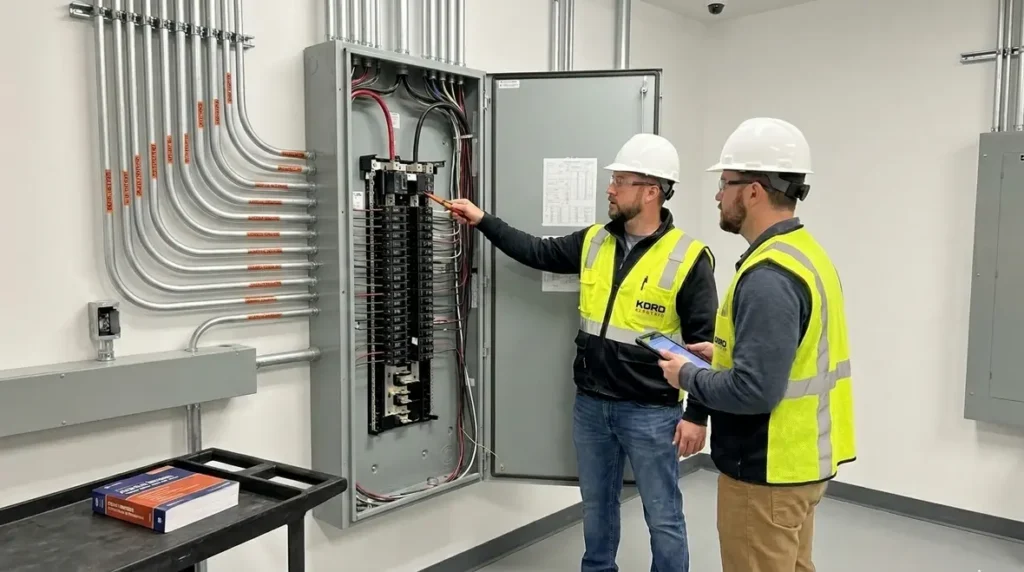
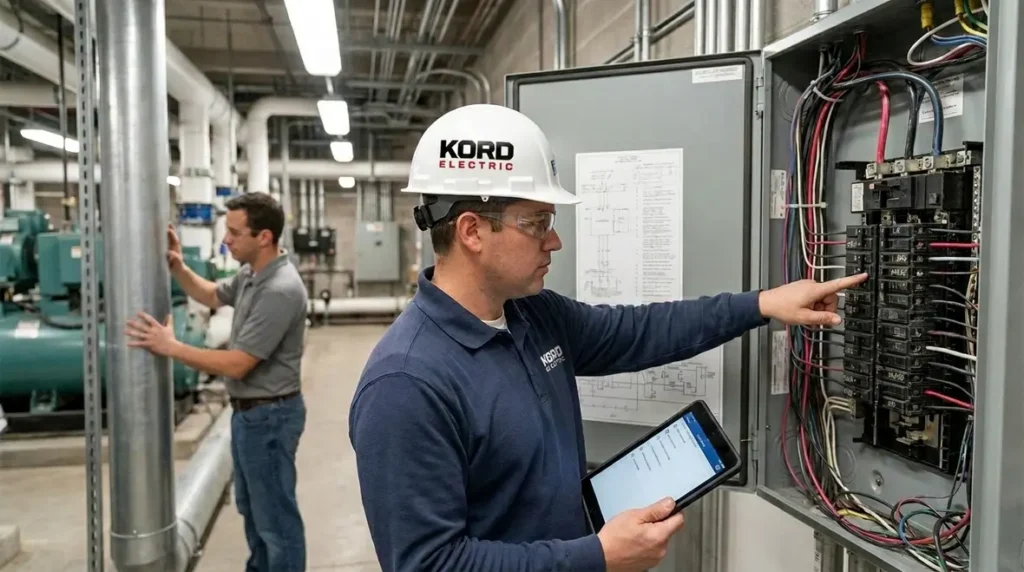
At Kord Electric, we coordinate closely with our expert service staff and technicians, and they explain the rules in plain terms on site. In other words, we do not just pull a permit and walk away like it is a sitcom. We build a safety plan that fits real buildings, real loads, and real maintenance schedules.
What NFPA 70 Covers for the Year 2026 and Beyond
NFPA 70 is the backbone of safe electrical installations in the United States, and the updates for 2026 matter because commercial and industrial buildings evolve fast. New materials show up, equipment gets smarter, and energy systems get more integrated. As a result, the code keeps pace so that staff can operate systems without guessing.
Specifically, the NEC addresses how to install wiring, raceways, equipment, grounding and bonding, overcurrent protection, and safe use conditions. Additionally, it explains how to manage special occupancies, building services, and system interactions. Therefore, the code does not treat a facility as a single device. It treats it as a system of systems.
When our technicians review these requirements, they look at the building as it runs. They check how power flows, how protective devices coordinate, and how control systems respond under fault conditions. Then, we help owners reduce risk and avoid costly rework during commissioning. For a deeper background on how the NEC fits into planning for 2026 projects, many facility teams also review companion resources like Understanding NFPA 70: The National Electrical Code Explained for 2026, which connects code language to real-world decisions.
How Section 692.51 Fuel Cell Fuel Shut-Off Works in a Real Facility
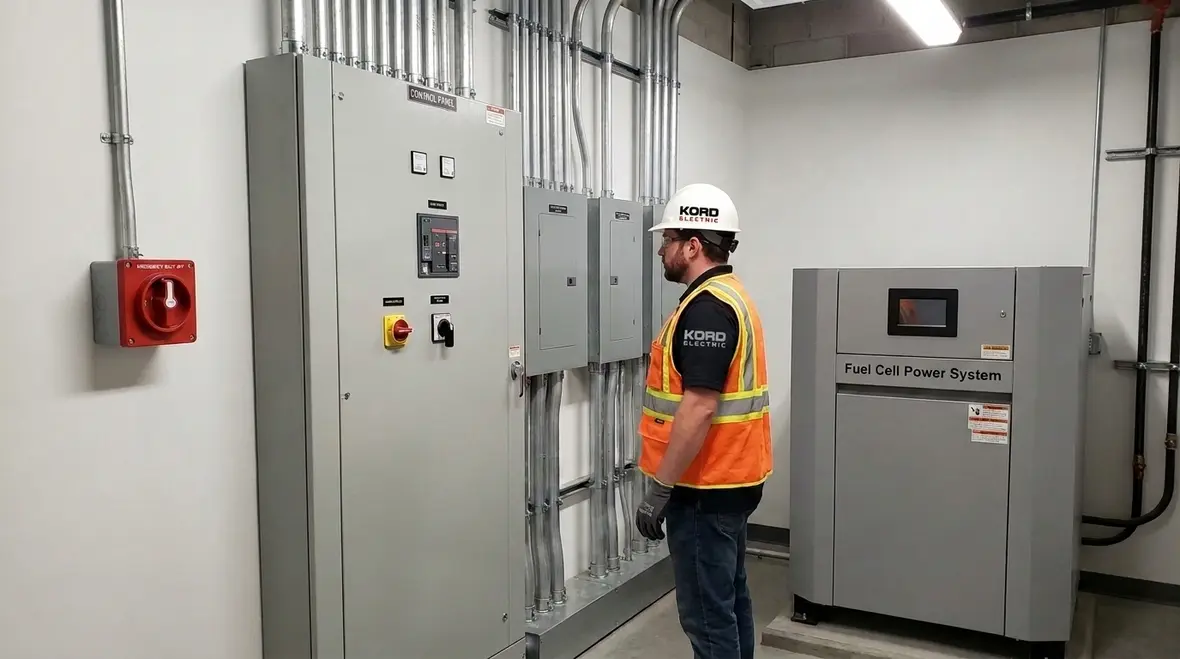
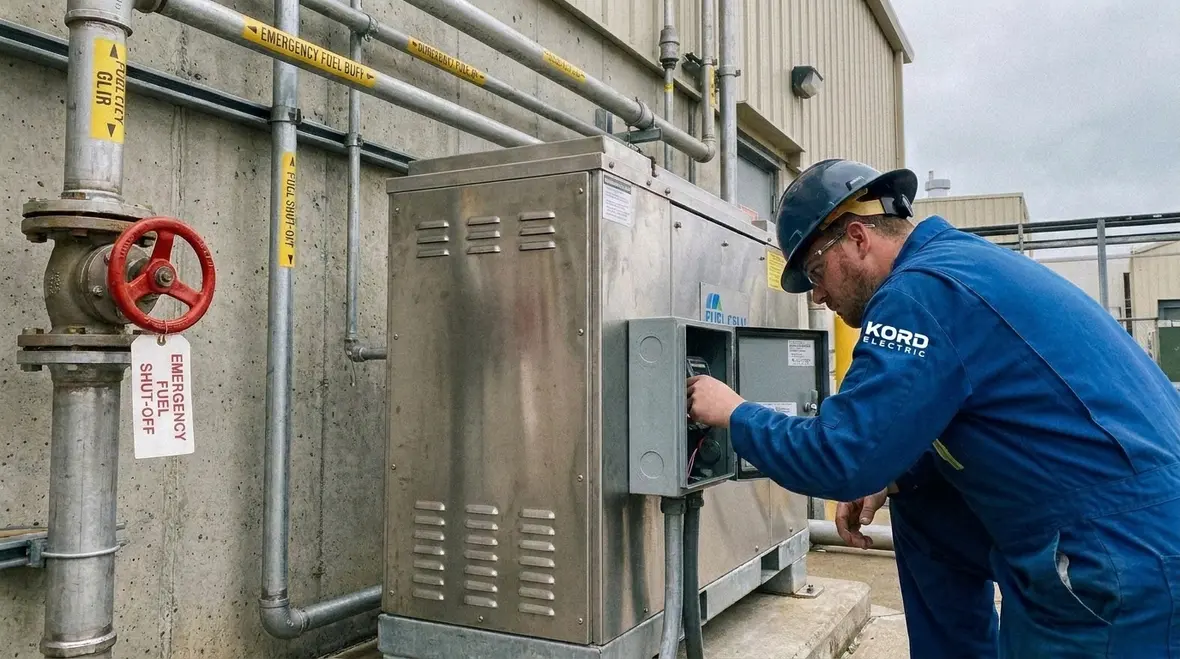
Let’s get practical. The NFPA 70 Section 692.51 fuel cell fuel shut-off requirement focuses on how a fuel cell system must be able to stop fuel supply under specified conditions. In many commercial and industrial setups, fuel cells pair with power management systems, ventilation strategies, and monitoring tools. However, the entire arrangement only protects people if the shut off process activates when it should.
In practice, our expert service staff typically validates several points during electrical and life safety coordination. First, they confirm that the shutdown method is installed and wired correctly, and that it aligns with the equipment listing and manufacturer instructions. Next, they verify that the shut off achieves the intended safety outcome, including how quickly it acts and how it integrates with control logic. After that, they ensure that the design does not create confusing failure paths, like a system that shuts off fuel but leaves ignition hazards unattended.
To keep it simple, our teams treat this as a chain. If one link is weak, the chain breaks when you need it most. And yes, we have seen “creative interpretation” of requirements before. It is never creative when the inspection clock starts ticking. It is usually just expensive.
Dual Compliance: Electrical Safety and Fire Code Realities
Electrical rules and fire safety rules often overlap, and that overlap can make or break an inspection. Therefore, in commercial and industrial buildings, we coordinate the electrical design and installation with the real safety needs of the facility. Our work aligns with NFPA 70 expectations while also respecting broader safety planning you would expect to see in fire and life safety systems.
At Kord Electric, we also leverage the broader expertise you can find through Kord Fire and Kord Fire in Australia, where teams often focus on the full picture of fire protection. When we integrate these perspectives, our technicians do not just “meet the letter.” They help ensure that systems cooperate under stress. For example, emergency shutdown actions should not fight other safety systems, and wiring should support detection, monitoring, and response without adding delay. Many facilities also refer to perspectives shared in NFPA 70 overview content from Kord Fire, such as their guide on the National Electrical Code for integrated fire protection planning.
In the same spirit, some owners also consult organizations like firepumps.org when they plan life safety equipment, pump interface needs, and system testing. While their focus can differ, the underlying idea is the same: safety systems must work as a coordinated set, not as isolated devices with hope as the control strategy.
Grounding, Protection, and Coordination for Fuel Cell Related Systems
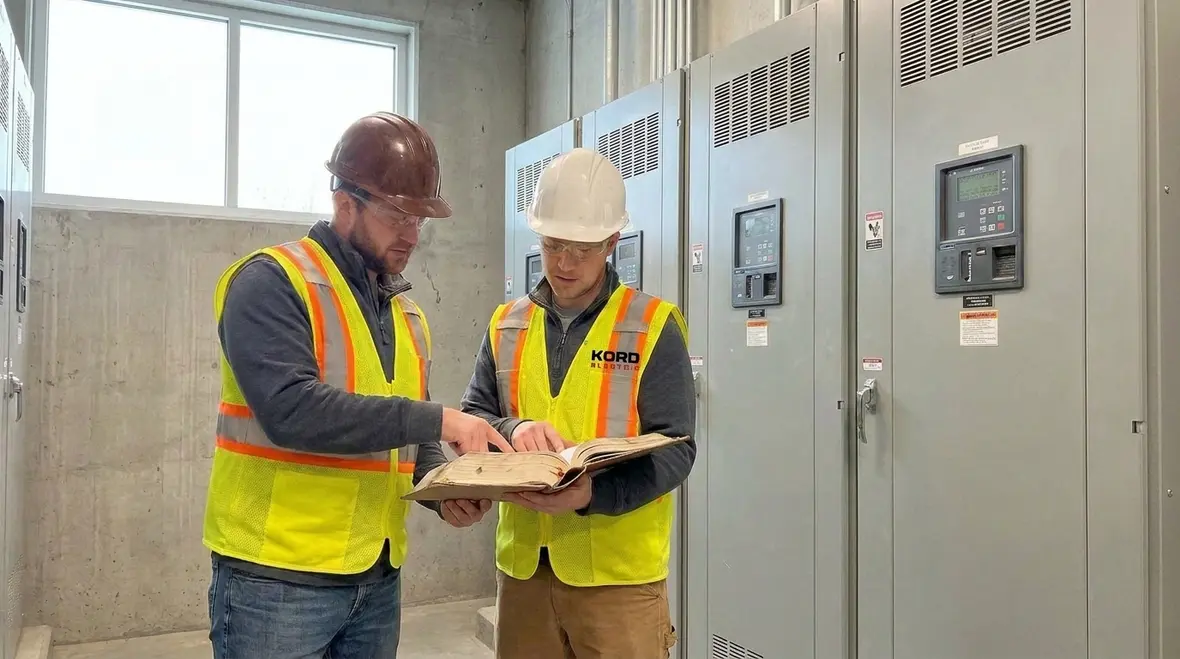
When a facility uses fuel cell power, it still lives in the world of voltage, fault current, and protective devices. Thus, we treat fuel cell wiring and shutdown circuits as part of the larger electrical protection plan. Our technicians follow NFPA 70 principles for grounding and bonding, conductor sizing, insulation ratings, and overcurrent protection.
In many cases, the most overlooked areas involve coordination. For example, the shutdown circuit may require clear separation from power circuits to prevent unintended interactions. Additionally, we confirm that protective devices interrupt faults safely, while controls remain stable long enough to trigger the correct response. Then, we verify that the system can be inspected and tested without dismantling half the building.
Also, we do not assume that a “works on the bench” setup will behave the same under real building conditions. Therefore, we validate labeling, accessibility, routing, and termination quality. In short, we reduce the chance that the building will become a troubleshooting puzzle later, when someone is trying to keep production running.
Planning, Installation, and Inspections That Keep Commercial Sites Operating
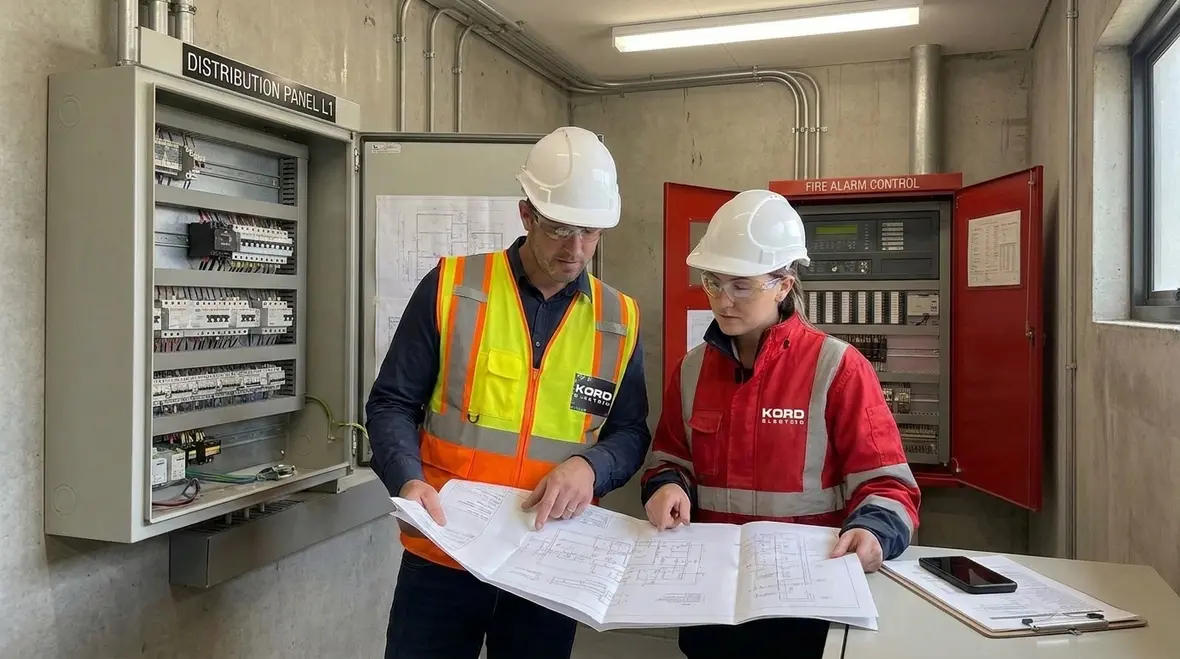
Commercial and industrial facilities run on schedules, and electrical work must respect that reality. That is why we plan early and communicate clearly. Our expert service staff helps owners map the code requirements to building constraints, such as existing electrical rooms, conduit space, shutdown circuit pathways, and power distribution architecture.
Next, we build a practical installation approach. We coordinate contractor sequencing so that power shutdown steps do not disrupt critical processes longer than necessary. Meanwhile, we keep documentation tight, because inspections reward teams that can explain what they installed and why they installed it.
Then we prepare for testing and verification. For fuel cell related systems, this includes checking the shut off behavior and verifying that the wiring and controls support the intended operation. As a result, when the inspector arrives, we do not scramble. We show the work, line by line, with the calm confidence of people who planned the job correctly.
And if you are thinking, “But inspections are stressful,” yes, they can be. Yet we have noticed that stress drops dramatically when the wiring is correct, the labeling makes sense, and the system responds the way it should.
Common Mistakes We Help Clients Avoid
Even well run projects can fall into avoidable errors. First, some teams treat fuel cell shutdown wiring as an afterthought. However, if you wire the system late, you often miss coordination details, routing constraints, or device compatibility issues. Therefore, we involve our technicians early so the design stays coherent from the start.
Second, some facilities focus only on power generation and forget that protective and control systems need clear behavior under fault conditions. Yet NFPA 70 requirements exist to prevent exactly that confusion. Consequently, we verify both the electrical protection plan and the shut off strategy to ensure they complement each other.
Third, we see issues when documentation falls behind. If the facility cannot quickly explain what was installed, why it meets NFPA 70 expectations, and how testing confirms performance, delays follow. So, we keep records organized and accessible.
Finally, some projects fail because “someone will fix it later.” That line sounds harmless, but later usually comes with overtime and replacement parts. We prefer a better joke: we fix it before it becomes a headline.
Frequently Asked Questions About NFPA 70 and Fuel Cell Shutdown
Do I Need to Reference NFPA 70 and Related Guidance Together?
Yes. Electrical safety requirements should align with broader fire and life safety planning. We help coordinate expectations so the full system behavior supports safe operation, not conflicting actions. When commercial or industrial projects involve fuel cells, emergency power, or complex distribution, we often pair shutdown planning with resources like Kord Electric’s NEC explainer articles and Kord Fire’s coverage on NFPA 70 for integrated fire protection. That way, fuel shut-off, overcurrent protection, grounding, alarms, and fire pumps all tell the same safety story instead of sending mixed signals.
In many Los Angeles County facilities, that coordination also extends to everyday electrical work: panel upgrades, feeder changes, and new controls that must live alongside fuel cell systems. When those pieces move in step, inspections go smoother and long-term maintenance becomes far less painful.
Get a Safer, More Compliant Installation with Kord Electric
Kord Electric supports commercial and industrial facilities with practical NEC-aligned electrical planning, installation, and verification. Our technicians and expert service staff explain the requirements in clear language, and we help you connect the right wiring, protection, and shut off behavior to real building needs. If you are designing, upgrading, or commissioning a fuel cell system, contact us early to reduce delays and protect uptime. Let us help your project move forward with confidence, not guesswork.
For facilities across Southern California, including complex sites that rely on fuel cell systems, on-site generation, and critical infrastructure, our Los Angeles County electrical services team brings hands-on NEC experience to planning, installation, and inspection support. We coordinate shutdown controls, distribution gear, and life safety interfaces so your fuel cell project does not become a bottleneck when schedules and inspections tighten.
If you want a deeper code context while you plan, resources like Kord Electric’s Understanding NFPA 70: The National Electrical Code Explained for 2026 and related Kord Fire guidance help connect NFPA 70’s rules to your fuel cell shutdown strategy and overall electrical risk profile. Our role is to bridge that reading into real work, so your systems operate safely every day—not just on paper.