
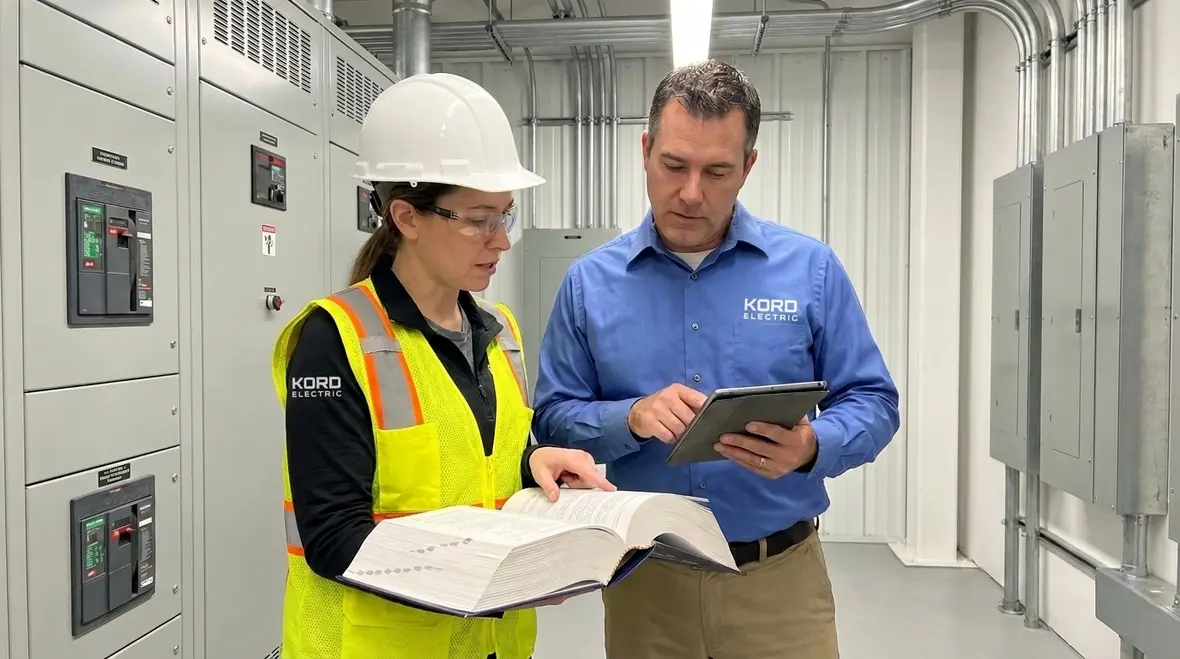
NFPA 70 Section 90.6 and NEC Formal Interpretations Reading Basics
NFPA 70 Section 90.6 and NEC interpretation reading basics, explained
At Kord Electric, we often hear the same question from facility managers and electrical teams: how do you read the formal NEC interpretations correctly, so you do not chase the wrong answer for weeks. In our experience, the fastest path starts with NFPA 70 Section 90.6, which deals with how formal NEC interpretations get read and understood. When others ask for “NEC formal interpretations how to read,” we explain it the same way, step by step, because the wording matters and the details matter even more. Then, our technicians and expert service staff add the practical layer, translating what the interpretation means for real commercial and industrial work.
And yes, reading interpretations can feel like decoding a superhero comic from the 1960s. Still, if you handle it the right way, the whole job gets calmer, safer, and easier to defend.
Where Section 90.6 fits in the bigger NEC picture
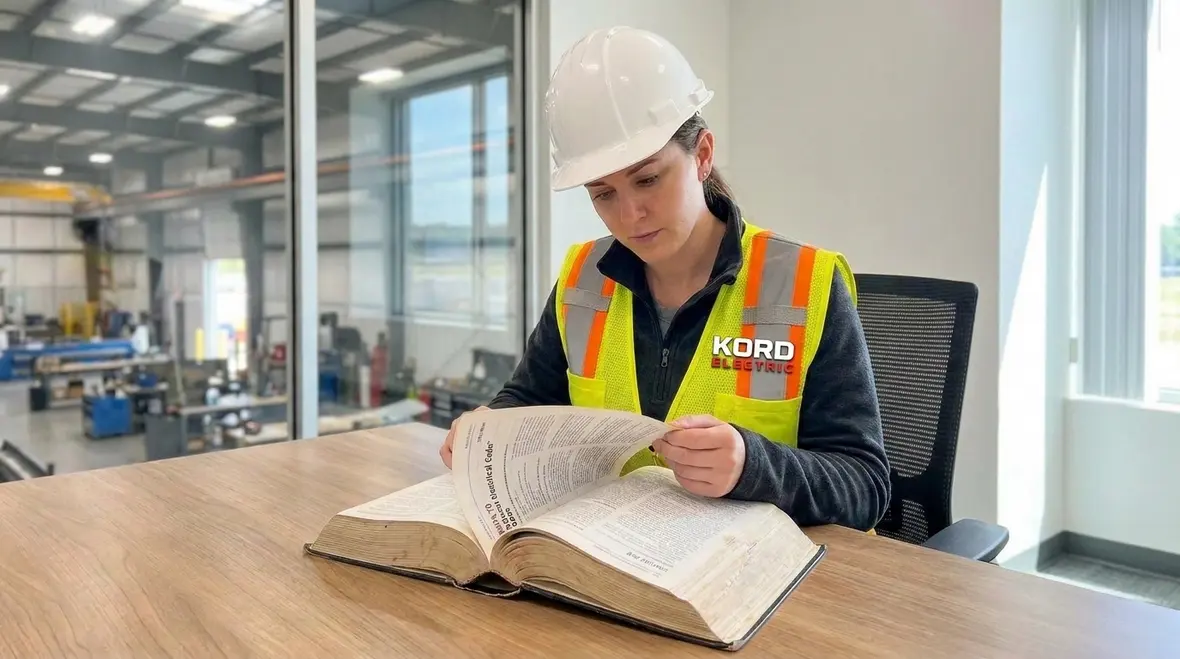
To apply NFPA 70 Section 90.6, people need to understand the NEC as a code framework, not a magic spell. First, we clarify that the NEC provides requirements for electrical installations, and Section 90 sets the stage for how rules apply. Then Section 90.6 focuses on formal interpretations, which exist to answer specific questions about the NEC text.
In other words, we do not treat interpretations like optional opinions. Instead, we treat them like guidance tied to the exact language and the exact issue raised. From there, Kord Electric helps teams connect the interpretation back to the installation scope in commercial and industrial facilities, including major property buildings where consistency and compliance show up in inspections, audits, and insurance reviews.
Our expert staff also reminds teams of a simple reality: if you ignore how the interpretation was built, you risk applying it to the wrong scenario. That is when small misunderstandings turn into costly rework. And nobody wants to pay for electrical “plot twists.”
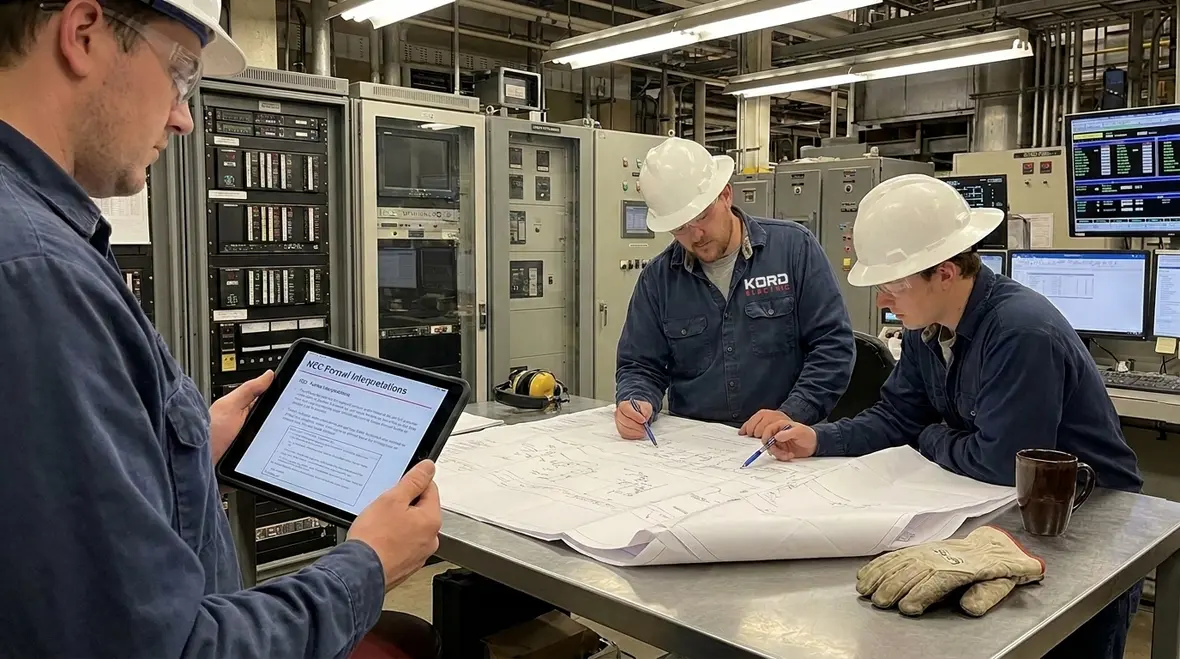
NEC formal interpretations how to read: the practical method we use
Here is the method we teach, because it keeps decisions grounded. When someone asks about NEC formal interpretations how to read, we guide them through a clear workflow.
- Start with the exact NEC text involved. We ensure the interpretation references the same article, section, and language the facility plans to rely on.
- Identify the question that triggered the interpretation. The interpretation answers a specific problem statement. If your installation facts do not match, your conclusion may drift.
- Match the scenario to your installation conditions. We verify things like equipment type, operating environment, wiring method, and control scheme details that the interpretation assumed or described.
- Separate the requirement from the explanation. We focus on what the interpretation says the NEC requires, not just the background story.
- Document the decision path. In major property and industrial settings, we write down what was checked, what was matched, and who approved the final interpretation-based decision.
Then, our technicians and service professionals walk the site. They compare drawings, field conditions, and label details to confirm the interpretation still fits. Because the NEC reads one way on paper, and the jobsite behaves like it has its own sense of humor.
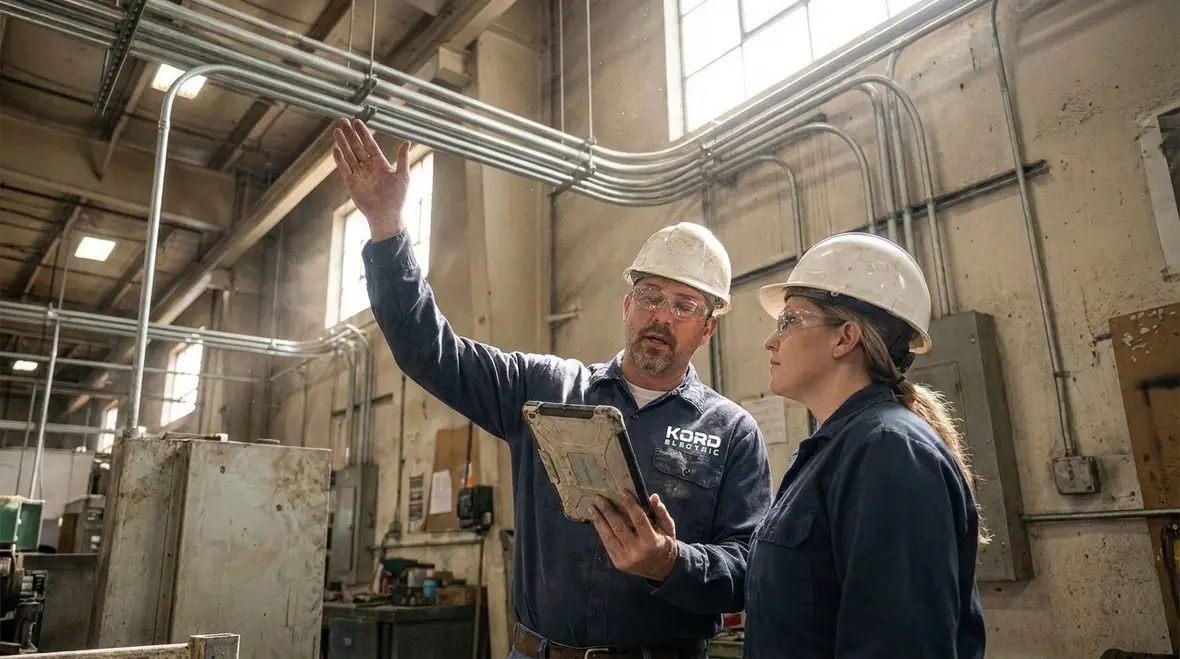
How to apply interpretations to real commercial and industrial installs
Once a team knows how to read an interpretation, the next step is applying it to a facility without overreaching. We see this go wrong when people treat interpretations as universal rules. However, formal interpretations usually respond to narrow facts, so you must treat them like a targeted tool, not a blanket.
At Kord Electric, we apply a “fit check” approach. First, we confirm the installation category. Commercial and industrial facilities often involve multiple systems running together: power distribution, life safety circuits, emergency power behavior, and equipment coordination. Next, we confirm the exact scope of the NEC section the interpretation addressed. Then we compare that to the facility’s design intent and the actual equipment list.
From there, we validate practical details. For example, if an interpretation revolves around how conductors run in a specific arrangement, we verify the raceway layout, bends, accessibility, and any field changes that happened after design. If the interpretation hinges on equipment function, we verify the panel labeling, interlocks, and control logic. Our expert service staff explains how the interpretation connects to the field, so the team does not guess.
And of course, we keep the tone calm. Because when electricians get stressed, mistakes get louder. We keep them focused on the facts.

Common mistakes teams make when they rely on interpretations
Even capable crews can stumble. To help, we list the errors we most often see in commercial and industrial projects. Then we explain what to do instead.
- Using the interpretation for a different equipment category. People swap similar devices and assume the code answer stays the same. We do the opposite: we verify model class, installation environment, and usage.
- Skipping the question details. Teams read the final conclusion and ignore the question. We recommend you treat the question as part of the answer, because it frames the logic.
- Applying the interpretation without confirming the NEC text. Sometimes the interpretation quotes a portion, but your project references a different subsection. We confirm the full context in the NEC.
- Assuming field conditions match drawings. In real buildings, conduit routes change, ceiling spaces shrink, and access becomes less friendly. We verify in the field before finalizing.
- Failing to document the compliance reasoning. In major property buildings, records matter. We help teams capture what they checked and why.
Meanwhile, we also remind teams that a formal interpretation does not replace good engineering judgment. It supports it. Think of it like a GPS instruction. It helps you navigate, but you still drive the car.
What to ask during plan review and inspection prep
When teams prepare for plan review, they need practical talking points. Then, during inspection prep, they need clean documentation. Our approach supports both.
To get ahead, we recommend facility teams prepare a short interpretation packet, especially for life safety and complex power distribution work. It should include the NEC section reference, the formal interpretation identifier, the specific issue statement, and a short explanation of how the facility conditions match.
Also, we help coordinate communication among stakeholders. Inspectors want clarity. Engineers want evidence. Contractors want workable constraints. So, we keep our technicians ready to explain the logic in plain language, and we keep the technical notes complete enough for serious review.
| Step | What we verify for commercial and industrial facilities |
| 1 | We confirm the exact NEC text and the interpretation scope. |
| 2 | We match the interpretation question to the project facts. |
| 3 | We confirm field conditions align with design intent. |
| 4 | We document the decision path for audits and inspections. |
FAQ: NEC formal interpretations how to read
Why Kord Electric helps teams get it right the first time
When commercial and industrial facilities chase compliance with guesswork, costs rise and schedules slip. Kord Electric helps teams read formal NEC interpretations correctly by matching the interpretation question to the project facts, then confirming field conditions so the decision holds under inspection. Our technicians and expert service staff explain the “why” and the practical “how,” not just the headlines. If you want a calmer plan review process, stronger documentation, and safer electrical outcomes, contact Kord Electric today.
For deeper background on how NFPA 70 shapes design and inspections, facility teams can also review the Kord Electric blog resource Understanding NFPA 70: The National Electrical Code Explained for 2026, then connect those principles to the NEC formal interpretations they rely on for day-to-day decisions.
When it is time to turn interpretation reading into field-ready work, Kord Electric supports facilities across the region with Los Angeles County electrical services for commercial and industrial buildings, tying NFPA 70 code intent to clear scopes, safe installations, and inspections that move forward instead of stalling.
If your team wants to move from “we think this is what the code means” to “we know how this interpretation applies to our project,” partnering with a contractor who reads NFPA 70 Section 90.6 carefully makes all the difference. With the right process, you can keep your documentation tight, your electrical systems safer, and your next inspection day pleasantly uneventful.


