
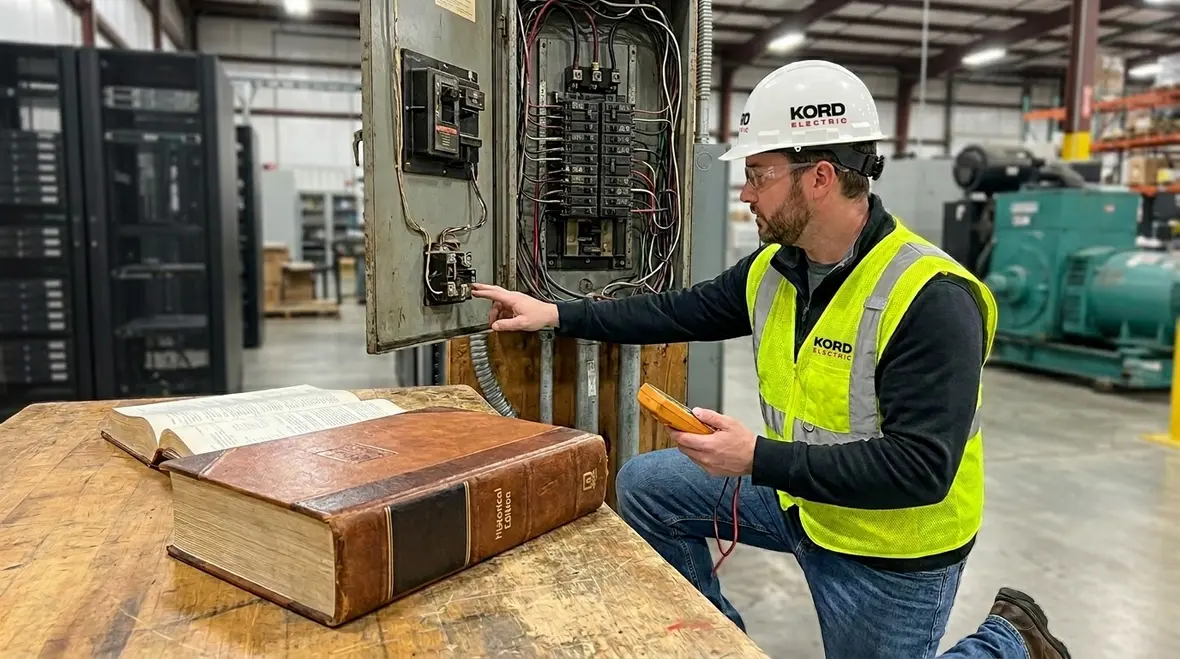
NFPA 70A Historical Electrical Code Explained
Kord Electric explains NFPA 70A historical electrical code reference
In this article, Kord Electric teams up with our experienced service staff to walk through the NFPA 70A historical electrical code reference, the way it grew, and why it still matters for commercial and industrial facilities. Within the first 100 to 150 words, we will set the stage: the NFPA 70A line has served as a practical guide for safe electrical installations across many eras, and it evolved as technology did. That evolution did not happen in a lab somewhere; it happened on real job sites, where crews needed clear rules that reduce risk. And yes, mistakes still happen, because humans are inventive like that. Still, the code history gives us a map we can follow today.
At Kord Electric, we see code references as living tools, not ancient scrolls. The NFPA 70A historical journey reflects changing electrical loads, new types of equipment, and lessons learned from failures large and small. Each revision reacted to real-world incidents where people, property, and processes were at risk. When you look closely, you see a pattern: every improvement aimed to make electrical systems more predictable, more resilient, and more transparent for the people who operate and maintain them. That mindset still guides how we approach complex projects in warehouses, hospitals, manufacturing plants, and major property buildings.
Why NFPA 70A historical guidance still shows up in real projects
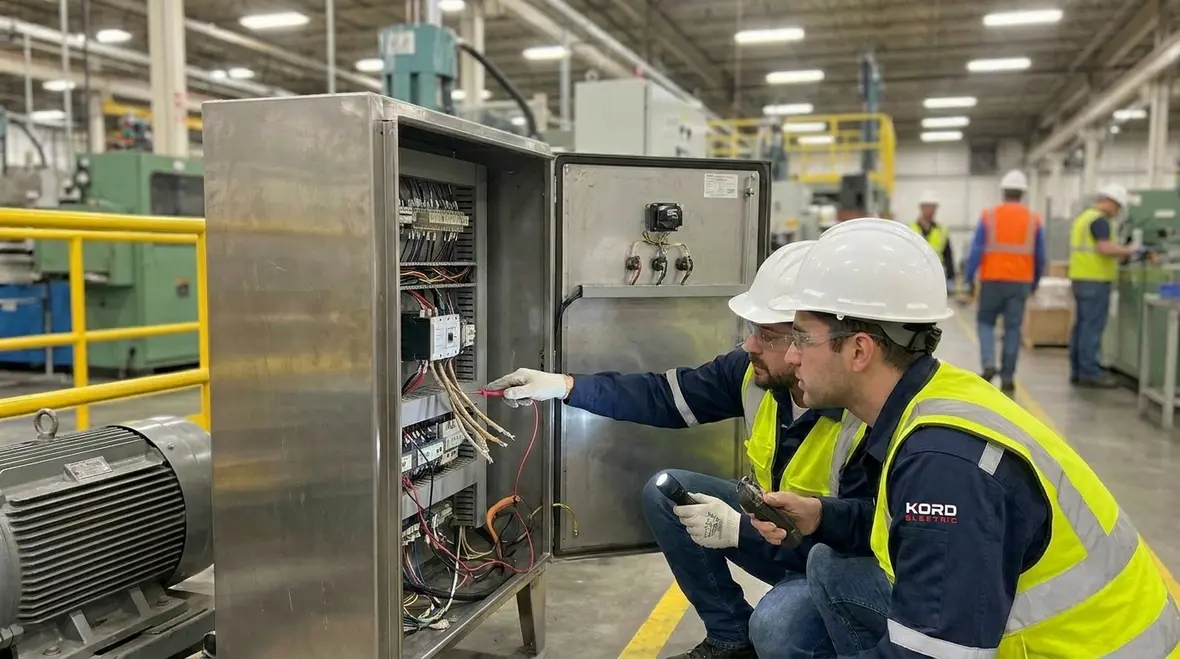
When others design or retrofit electrical systems, they often ask why an older code reference can guide modern work. We tell them the truth: the past teaches the patterns. As the NFPA 70A historical framework developed, it responded to the same issues we face now, like arc hazards, wiring failures, overloaded circuits, and poor grounding practices. Therefore, when our technicians review existing systems in warehouses, hospitals, manufacturing plants, and large commercial buildings, they look for the same safety intent that the early references carried forward.
Furthermore, the code history helps stakeholders understand why certain requirements exist. Instead of treating rules like random red tape, we connect them to outcomes. For example, when protective devices and conductor rules became more consistent over time, it lowered the odds of cascading faults. Likewise, when wiring methods and installation practices were refined, inspectors gained more reliable ways to verify safe installation. In other words, the NFPA 70A historical reference is not just a museum piece. It is a reasoned approach that still supports safe decisions.
This is also why we regularly point facility managers toward current standards that grew from the same roots. For instance, if you are already exploring how NFPA 70 shapes today’s national electrical code expectations, resources like Kord Electric’s guide to NFPA 70 for 2026 help connect the dots between historical thinking and current installation rules for commercial and industrial environments. When history and current code line up, teams gain the confidence to plan upgrades without guessing in the dark.
On real projects, that context shows up during design reviews, condition assessments, and phased upgrades. A loading dock panel that has quietly fed new equipment for years might pass a quick glance but fail when measured against the safety intent behind the NFPA 70A historical guidance. The gap is not always a single glaring violation. Sometimes it is a combination of small details: conductors sized to yesterday’s assumptions, protective devices never coordinated for new loads, or bonding practices that made sense for a previous layout but not for the building as it operates today.
How the NFPA 70A historical electrical code reference evolved over time
People often imagine code changes happen overnight, like a streaming service dropping an entire season at once. Real life is slower, and it is built on evidence. Historically, electrical hazards and fire data drove revisions. As industrial loads increased and facilities added complex systems, code bodies updated installation practices to match new risks and new equipment. Consequently, the NFPA 70A historical electrical code reference became more structured for typical commercial and industrial environments, not for one-off home jobs.
Our expert service staff explains this with a simple idea: each update usually closes a gap. When more facilities adopted metal enclosures, improved circuit protection, and better grounding concepts, the rules tightened to align with what worked. At the same time, inspection practices improved, because now there were clearer criteria to check. As a result, crews could install systems with fewer unknowns. And because electrical systems run 24 by 7 in many major property buildings, clarity matters.
Over the decades, NFPA 70A historical usage shifted from basic prescriptions toward more integrated system thinking. Instead of focusing only on individual components, the reference increasingly acknowledged how feeders, transformers, overcurrent devices, and grounding networks interact under real fault conditions. That shift is crucial for modern facilities with dense loads and sensitive electronics. It also shows up in how we investigate chronic issues like nuisance tripping, voltage fluctuations, or repeated equipment failures. The questions we ask today are built on patterns discovered and documented long ago.
Another factor in that evolution is the feedback loop between field experience and formal revisions. When an incident investigation reveals that a particular wiring method or protection scheme consistently underperforms in harsh environments, that data does not stay in a filing cabinet. Over time, it shapes new language, clarifications, and examples. In practical terms, that means modern designers and technicians inherit a playbook shaped by generations of hard lessons. When we teach teams to respect clearances, bonding paths, and coordination studies, we are really honoring the story behind the NFPA 70A historical electrical code reference, not just reciting bullet points.
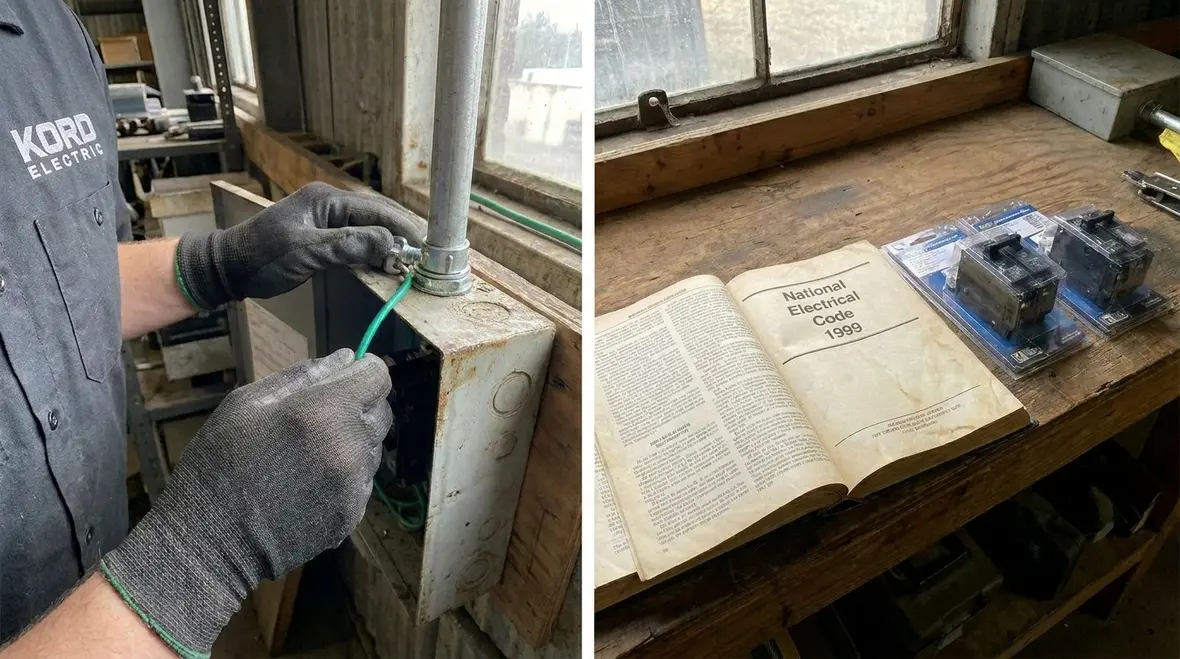
For many property teams, that story becomes real during a large upgrade. When they see how modern requirements line up with long-standing NFPA 70A historical expectations, they understand why quick fixes from decades ago no longer pass muster. Code is not moving the goalposts just for sport. It is closing the distance between what we hoped would work and what has been proven to work when systems are stressed, overloaded, or exposed to fault conditions.
Where commercial and industrial facilities feel the impact most
At Kord Electric, we focus only on commercial and industrial facilities and major property buildings. That means our work often involves higher loads, more equipment, and more people depending on steady power. Therefore, when we discuss the NFPA 70A historical electrical code reference, we connect it directly to site realities.
For example, in manufacturing, you may see frequent motor starts, variable speed drives, and large panelboards. In warehouses, lighting and charging infrastructure can strain feeders and branch circuits. In large offices and multi building properties, the electrical system also supports life safety gear, elevators, and critical network and HVAC loads. So, when designers and facility managers review older installations, they often run into mismatched protection levels, aging insulation, missing labels, or unclear panel schedules.
Next, we help owners and others translate that history into action. We do not just point out gaps. We explain the risk path, what a failure could do, and how safe installation practices reduce the chance of a major incident. Meanwhile, our technicians document findings clearly so stakeholders can make decisions with confidence.

This is also where hidden electrical risks tend to surface. When a facility has gone through multiple expansions, tenant improvements, and production changes, the underlying systems may no longer match the original design intent. NFPA 70A historical guidance gives us a yardstick to measure how far things have drifted. It helps us identify where improvised solutions, undocumented modifications, or overloaded circuits break faith with the safety principles that should anchor every commercial electrical system.
Because these issues often stay out of sight, we encourage property teams to think of electrical infrastructure as part of their long-term asset strategy. When they treat panels, feeders, and distribution equipment with the same seriousness as production lines or data centers, the return shows up as fewer outages, fewer emergency calls, and a much lower chance of catastrophic failure. Connecting that strategy back to NFPA 70A historical expectations gives everyone a common language for risk and reliability.
How we use code history during inspections and upgrades

Now let’s talk about what happens when a facility wants an upgrade or needs to prove safety compliance. Our approach starts with a careful review of the system as it exists today. Then, our technicians compare what they see to the safety intent that comes through the NFPA 70A historical guidance, even if the exact installation date varies.
In practice, that means we pay attention to installation methods, conductor routing, termination quality, grounding and bonding continuity, and the coordination of protective devices. For example, if a panel shows signs of overheating or inconsistent conductor sizing, we do not treat it as a cosmetic issue. Instead, we trace how protective devices would respond to fault conditions and whether the installation supports safe operation. Likewise, if labeling and circuit schedules are missing, we treat that as a safety control failure, not an admin problem. When crews cannot identify circuits, they create more opportunities for unintended exposure.
Also, we keep the conversation business casual and practical. We explain things in plain language, because facility leaders do not need code trivia. They need to know what could go wrong and what it costs to fix it early versus late. If you have ever watched someone “temporarily bypass” a safeguard, you already understand why early fixes are cheaper. The universe loves shortcuts, but electricity does not forgive them.
During these inspections and upgrades, we often uncover situations where NFPA 70A historical expectations around grounding, bonding, and conductor protection were only partially followed or were later undermined by quick fixes. Our job is not to shame past decisions; it is to map out a clear path from where the system is today to where it needs to be. Sometimes that path includes focused repairs, better labeling, and targeted coordination studies. Other times it calls for deeper work, such as panel replacements, feeder upgrades, or reconfiguration of distribution layouts to support modern loads safely.
For facilities that want their maintenance strategy to match this level of care, structured electrical preventive maintenance programs are a natural fit. Pairing NFPA 70A historical insights with planned inspections, testing, and documentation turns code intent into an everyday practice. Instead of reacting to failures, teams proactively correct weak points long before they turn into outages or safety incidents.
NFPA 70A historical compliance and risk reduction for major property buildings
Major property buildings face a special challenge. They involve shared infrastructure across floors, tenants, and sometimes multiple connected structures. Therefore, small errors can ripple into larger operational problems. When others plan compliance efforts, they should look beyond the current checklist. They should understand how safe electrical installation thinking developed over time, because that thinking often explains why certain components exist.
At Kord Electric, we help property teams reduce risk by focusing on the system as a whole. That includes how power enters the building, how it distributes to major loads, and how safety circuits maintain function during fault events. Our technicians also consider how changes in tenant buildouts can strain existing capacity, especially when new HVAC loads, data centers, or specialized equipment enters the mix.
As a result, we often recommend upgrades that improve long term stability: better protection coordination, clearer panel labeling, updated connections and terminations, and safe grounding practices. Transitioning from older, uncertain practices to current safe installation standards helps owners avoid repeated troubleshooting and reduces the chance of outages that disrupt revenue and safety.
In major properties, risk also hides in the spaces between responsibilities. Landlords, tenants, facility managers, and third-party contractors may each touch parts of the system without a unified view of how everything ties together. NFPA 70A historical usage gives everyone a shared reference point. When we sit around a table and talk through protective device coordination, available fault current, or conductor routing through shared shafts, we are really asking a simple question: does this setup honor the safety intent that has guided commercial electrical design for decades?
When the answer is “not yet,” we help teams chart a realistic upgrade roadmap. That may involve staged work during off-hours, prioritizing high-risk areas first, and folding electrical improvements into upcoming tenant improvements or capital projects. The goal is not perfection overnight; it is steady movement toward systems that align with both historical safety wisdom and current code requirements. Over time, that alignment shows up as lower incident rates, smoother inspections, and a quieter, more reliable electrical backbone for the entire property.
FAQ about NFPA 70A historical electrical code reference
Next steps with Kord Electric for safer electrical systems
If your commercial or industrial facility needs an electrical assessment, we can help you move from uncertainty to clarity. Our technicians and expert service staff will review your system, explain what the NFPA 70A historical electrical code reference intent means for your equipment, and recommend practical upgrades that reduce risk. Then, we help you plan work in a way that supports your operations, not disrupts them more than necessary. Call Kord Electric today to schedule an inspection and get a clear path forward.
For many facilities, the most efficient way to act on these insights is to fold them into a structured maintenance or upgrade program. Whether you are planning a major rewiring project, addressing hidden electrical risks in aging panels, or building out new commercial spaces, pairing NFPA 70A historical understanding with a clear service strategy keeps your electrical backbone aligned with both safety and business priorities.
If you are responsible for a large property or complex facility and want to turn historical code lessons into day-to-day reliability, consider starting with a focused preventive maintenance program that targets your highest-risk equipment first. From there, you can expand into deeper upgrades, specialty systems such as EV charging, and long-term planning that keeps your electrical infrastructure ready for the next decade of growth.
No matter where you begin, the goal is the same: transform NFPA 70A historical knowledge into safer, more predictable power for everyone who depends on your facility.
To put that plan into action, connect with Kord Electric’s commercial and industrial electrical team. From preventive maintenance programs to targeted voltage stability and distribution upgrades, their licensed electricians design, install, and maintain systems that respect both the history and the future of safe electrical work.


