
NFPA 70A Explained for Commercial Facilities
Kord Electric has fielded the question more times than we can count: “What was NFPA 70A, and why does it still pop up in conversations?” In the first years of electrical planning, people used it as a shortcut for safety expectations. Today, the name still shows up in spec discussions, upgrade notes, and inspection prep, even though many projects now reference newer wiring and installation codes. Still, our customers in commercial and industrial facilities want the same outcome: safer systems, clear documentation, and fewer surprises when power decisions meet real life.
What NFPA 70A was and why it still matters
NFPA 70A refers to a former safety standard that focused on electric wiring and equipment handling for certain types of installations. Back then, it helped set a consistent baseline for how electrical work should be treated, especially where systems connect to building operations. Over time, the industry moved toward other NFPA documents and updated editions that better reflect how modern facilities operate.
And yet, the legacy remains. In practical terms, NFPA 70A still gets mentioned because older project drawings, maintenance records, and inspection notes sometimes cite it, even when the active code reference has changed. Also, some stakeholders still use the name as a shorthand for “the safety standard we used to build against.” That can sound like using an old movie quote as a building rule. Funny, yes. Useful, no. So we help teams translate the old reference into what the current system actually needs today.
Our experienced technicians and expert service staff explain it in plain language: the mention is often less about the exact title and more about the intent behind it. Safety, reliable installation practices, correct protection, and proper boundaries between electrical systems and building environments.
How commercial and industrial teams encounter the old reference
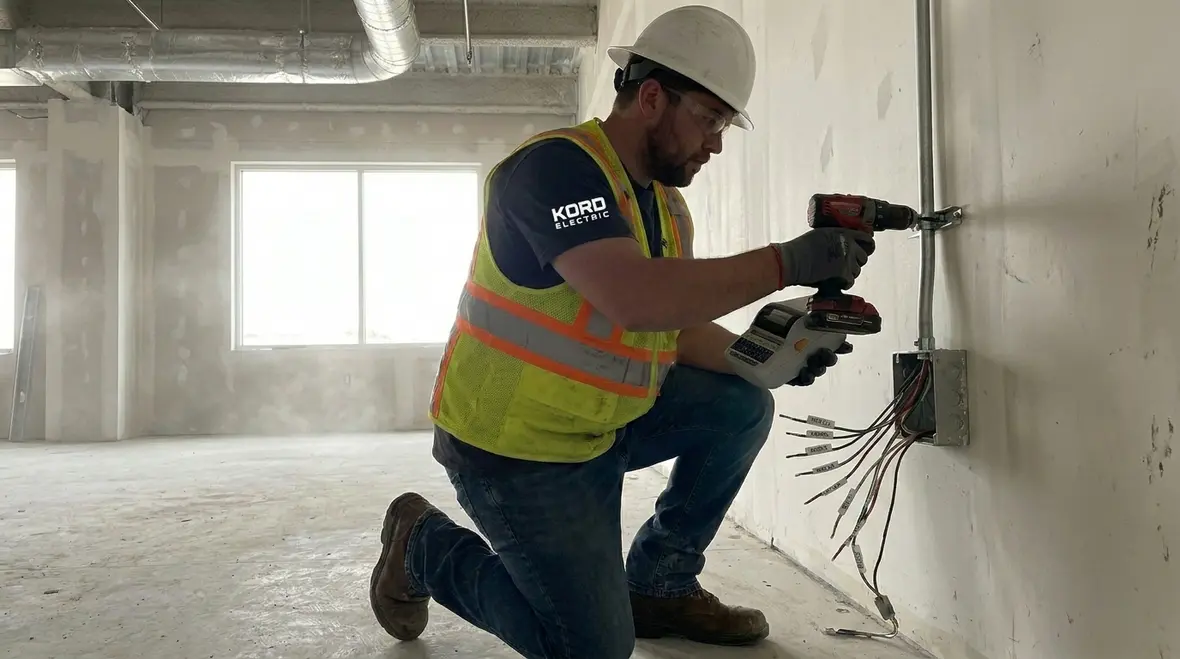
In major property buildings and industrial sites, documentation carries weight. Therefore, you might see NFPA 70A referenced in an older panel schedule, a dated commissioning report, or a tenant handoff packet. When a facility manager reviews paperwork during expansion, renovation, or a service upgrade, the old name can trigger confusion.
In addition, electrical contractors and facility engineers sometimes inherit practices from prior contractors who trained under older code language. Even when nobody means harm, the result can be mismatched expectations. For example, a project may proceed with new equipment but assume the same installation boundaries as the older system. That is where risk grows: not because the current work is careless, but because assumptions stay stuck like labels on a stubborn bottle.
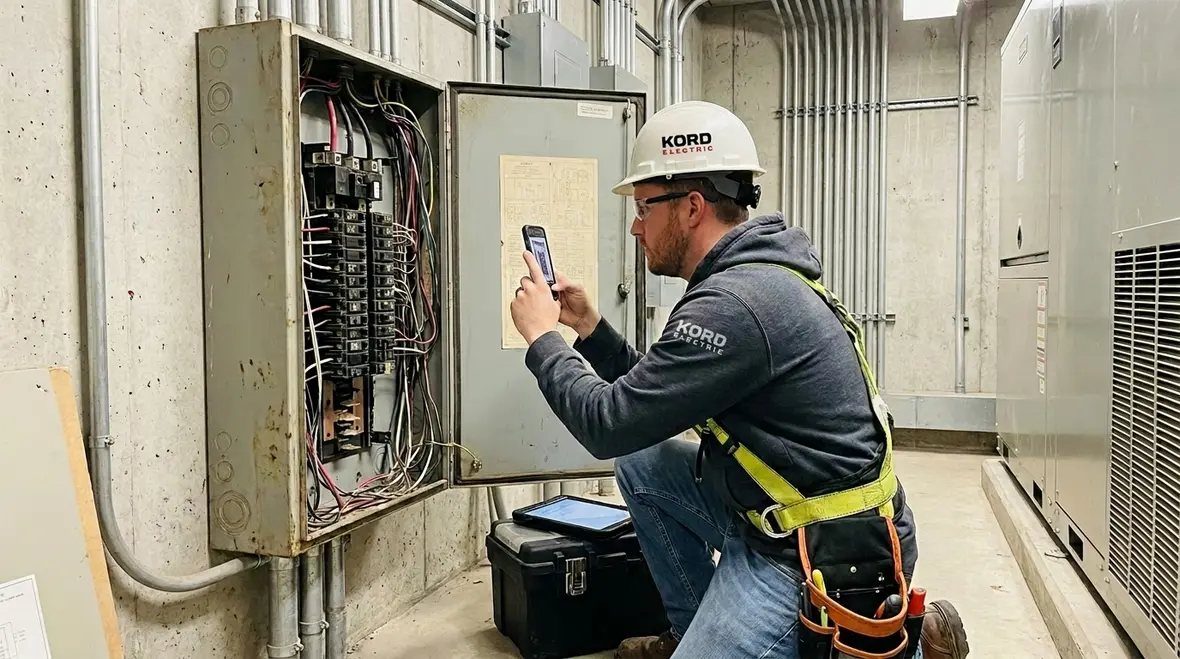
Kord Electric helps teams close the gap. Our technicians review field conditions, compare the existing installation style to current safety requirements, and document what has changed. Then we recommend actions that match the facility’s real operating needs, not just what an older report happened to say.
In many cases, that recommendation includes structured electrical preventive maintenance or system reviews that bring legacy installations into alignment with today’s expectations without tearing everything apart at once. For commercial and industrial facilities that want a more proactive approach, we often align those upgrades with broader electrical preventive maintenance plans that keep systems stable year after year.
Where the “intent” shows up in modern safety expectations
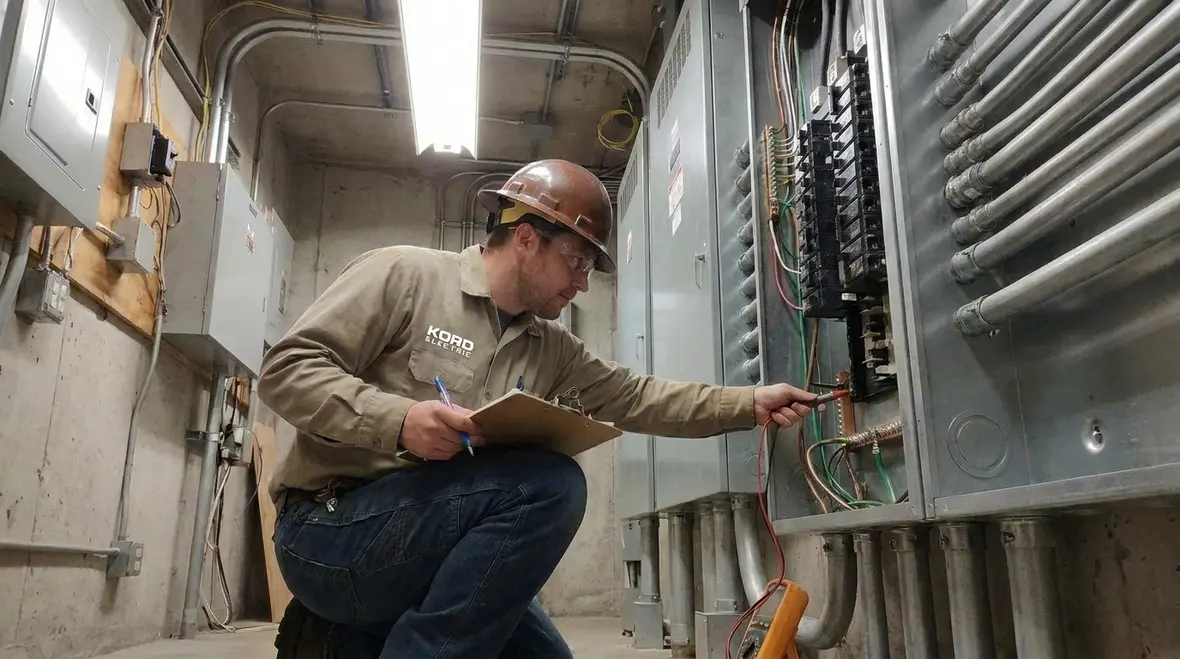
Even when the exact standard name shifts, the core safety intent tends to remain consistent. First, electrical installations must protect people from shock and fire hazards. Next, equipment must work reliably under the environment it serves, including heat, moisture, dust, vibration, and ongoing use. Finally, wiring methods must stay organized and protected so the system keeps functioning during maintenance and operational change.
When others talk about NFPA 70A, they are often really talking about those practical ideas. For example, they may expect safe routing and support, proper separation from other building systems, correct termination practices, and appropriate protection for conductors and connected loads. Our service staff explains that the name is a breadcrumb trail, not the destination.
So, when a facility plans upgrades, it helps to treat the old reference as a starting point. We ask: What equipment is in place? What were the original installation practices? What has been added or modified since? Then we translate the intent into a clear plan for today’s inspection expectations, commissioning steps, and long term reliability.
For facilities navigating both NFPA 70A legacy language and today’s NFPA 70 National Electrical Code requirements, pairing code interpretation with a focused risk review can be especially powerful. Many property teams find it helpful to read through resources like Understanding NFPA 70: The National Electrical Code Explained for 2026 alongside a site walkthrough, so everybody shares the same baseline when decisions are made.
And yes, we do occasionally hear the joke, “We’re still using it because it is on the wall.” We smile, because the wall does not energize. The wiring does. So we make sure the electrical system, not the paperwork, drives the safety outcome.
What to check in the field when older references appear
When NFPA 70A appears in legacy documentation, our teams treat it like a prompt to verify real conditions. We do not assume that an old citation means the installation matches current intent. Instead, we confirm the field details that affect safety and long term performance.
Our typical field review focuses on several practical areas:
Wiring methods and physical protection so conductors stay supported and shielded where they face impact, vibration, or temperature swings.
Equipment terminations to confirm that connections remain secure, properly torqued, and correctly identified for maintenance.
Overcurrent protection alignment to ensure the system’s protective devices fit the conductor ratings and the load behavior of the facility.
Grounding and bonding practices to support safe fault current paths and stable equipment performance.
Clearances and working space to keep future service and inspection safe and reachable.
Labeling, documentation, and circuit identification so the “what it is” stays accurate after years of operational change.
During these reviews, we also keep an eye out for less obvious issues such as subtle voltage swings, equipment nuisance tripping, or signs of thermal stress in gear that may have been acceptable under an older interpretation but no longer aligns with today’s best practices. When those issues show up, we connect facility leaders with focused services like voltage fluctuation diagnostics for commercial and industrial facilities to stabilize power before it turns into downtime.
Afterward, we share a straightforward summary with facility leaders. Then we propose upgrades in a way that respects downtime constraints, safety procedures, and the realities of commercial operations. We plan for phased work when needed, because businesses do not pause their production schedule just to satisfy a wiring diagram.
Why inspections and property stakeholders still bring it up
Inspections rarely rely on vibes. Inspectors look for consistency between installation conditions and the referenced safety expectations. Therefore, when a project file lists older code language, stakeholders often expect the electrical system to align with that intent. Even if the standard name changes, the expectation of safe installation practices does not.
That is why property teams bring up old references during audits, insurance reviews, and tenant coordination. They want to reduce uncertainty. Meanwhile, facility engineering teams want to know what they must update, what can remain, and what documentation they should provide.
Kord Electric supports these conversations with expert explanations from our technicians and service staff. We translate technical findings into decision level language, so facility teams can move forward confidently. Also, we help avoid “paper compliance,” where a report looks fine but the field condition does not support it. In other words, we keep the lights on and the risk low.
When a major property building or industrial site faces renovations, we encourage planning early. If stakeholders wait until the final inspection week, the project becomes a scramble. If they verify the installation now, the work can proceed like a professional operation instead of a last minute costume change.
Common misconceptions we hear, and how we correct them
Facilities often hold a few myths around legacy code citations. First, some people assume that the presence of a historical reference automatically guarantees the work meets current requirements. In reality, the system may have been built to older practices that still function, but do not fully match today’s safety expectations.
Second, teams sometimes think the only issue is documentation. However, safety lives in the physical system: the wiring, supports, terminations, protective devices, and installation methods. Paper can be neat, and still the field can be wrong.
Third, there is the belief that older installations can never be improved without major shutdowns. We work differently. Our approach favors staged work, coordinated scheduling, and clear safety procedures, so teams can keep operations running as much as possible.
Our technicians explain these differences directly. Then they offer practical options: repair, upgrade, replacement, or targeted verification testing depending on condition. That way, commercial and industrial facilities do not waste money on unnecessary full replacements, and they also do not ignore genuine hazards hiding in plain sight.
Often, those options connect naturally with broader strategies like identifying hidden electrical risks in commercial buildings or building out structured commercial and industrial electrical maintenance plans. Legacy references such as NFPA 70A become one input among many, instead of the only story the building tells.
FAQ for property teams and facility managers
Choose clarity and safer electrical planning with Kord Electric
When older references like NFPA 70A show up, we know it can slow decisions and create uncertainty. Kord Electric brings expert technicians and service staff who verify the field, translate legacy documentation into today’s safety intent, and recommend practical upgrades for commercial and industrial facilities. If you manage a major property building or industrial site, contact us for an electrical review and a clear action plan. Let’s make your next inspection feel less like a surprise and more like a smooth handoff.
For facilities that are already planning larger improvements—rewiring, major equipment changes, or step-by-step modernization—our team can align NFPA 70A legacy questions with project scopes such as electrical preventive maintenance programs or broader voltage stability and power quality services. That way, every upgrade moves you closer to a safer, more resilient system instead of just checking a box.
If you are unsure where to start, a focused maintenance and inspection plan tailored to your facility type is often the most efficient first step. Our commercial and industrial clients frequently combine code clarification, NFPA 70A legacy review, and ongoing maintenance into a single roadmap using services like our commercial and industrial electrical maintenance plans, so every future project builds on a known, documented baseline.
For commercial facilities that already know they need more than a small tune-up—such as aging switchgear, overextended distribution, or long overdue upgrades—our team can help you translate NFPA 70A era decisions into a modern, NFPA 70 aligned plan that respects your schedule and budget while moving risk in the right direction.
When you are ready to move from questions to action, Kord Electric is ready to help you evaluate, prioritize, and implement the right electrical solutions for your property.
For hands-on help with inspections, code alignment, and system reliability in commercial and industrial environments, explore our dedicated service offering for electrical preventive maintenance and schedule a review tailored to your facility.


