

NFPA Electrical Standards for Panels and Alarms
In commercial and industrial facilities, electrical panels, alarms, and emergency systems must follow the NFPA electrical standards to protect people and keep life-safety equipment working when it matters most. That means we do not treat panel wiring like a home improvement weekend project. Instead, we plan for reliability, clear labeling, safe installation methods, and the right testing routines. For example, NFPA guidance connects electrical system design to fire alarm reliability and emergency response, so panels, initiating devices, and power paths work together as one system. And yes, we have seen contractors “wing it,” only to discover later that a building is not a playlist you can skip. Kord Electric takes a disciplined approach, and our technicians and expert service staff explain every step so facility teams know what was done and why.
How NFPA codes shape electrical panels for safety
When a facility owner asks about panels, Kord Electric listens for the same thing every time: how the equipment supports alarms and emergency operations. Then we build from there. NFPA electrical standards emphasize dependable power distribution and workmanship that reduces the risk of failure. That means the panel layout, circuit routing, and protective devices must match the building’s life-safety goals. Moreover, the design must help installers avoid confusing pathways that later cause troubleshooting delays.
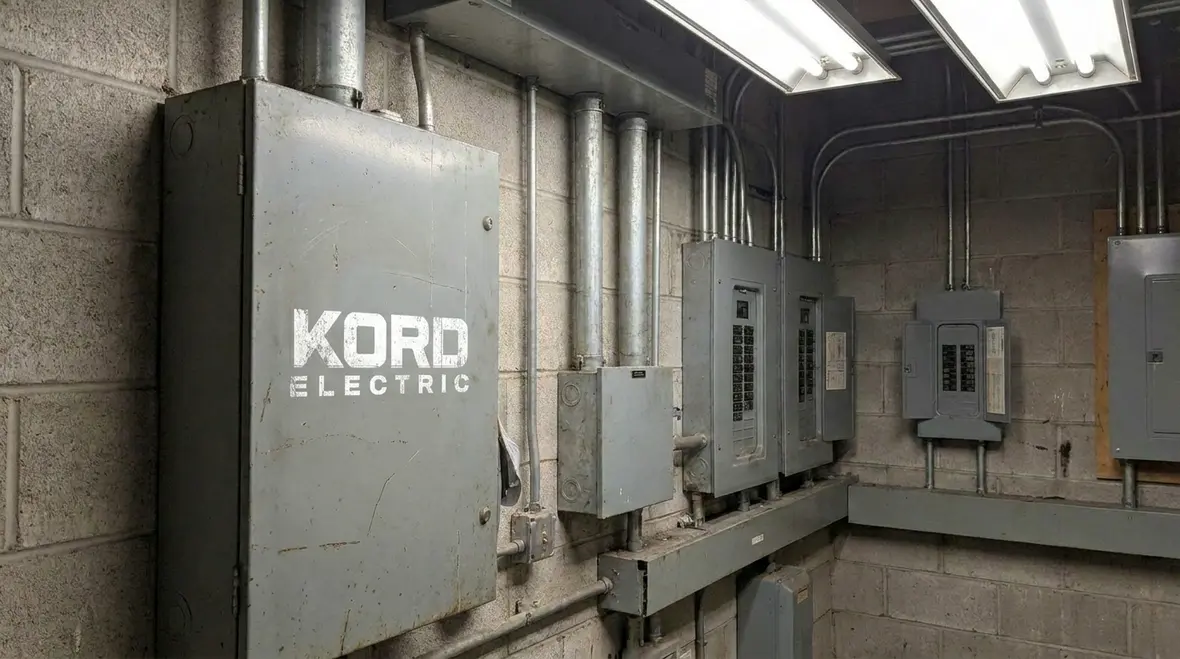
Our technicians often explain it like this: a panel is not just a box with breakers. It is the hub that feeds fire alarm control units, annunciators, evacuation equipment, and emergency functions. Therefore, the electrical design must keep those circuits easy to identify, properly terminated, and protected from damage. In addition, we verify that labeling is readable and maintained across changes. When people can find a circuit without hunting like it is a lost remote, the whole response time improves.
Also, NFPA electrical standards and related electrical guidance push for orderly wiring methods. That includes routing discipline and avoiding shortcuts that can lead to overheating, vibration damage, or accidental disconnection during future work. Because commercial and industrial buildings change over time, we plan for updates too. We treat upgrades as part of safety, not as an afterthought.
Fire alarm power and supervision: what must stay reliable
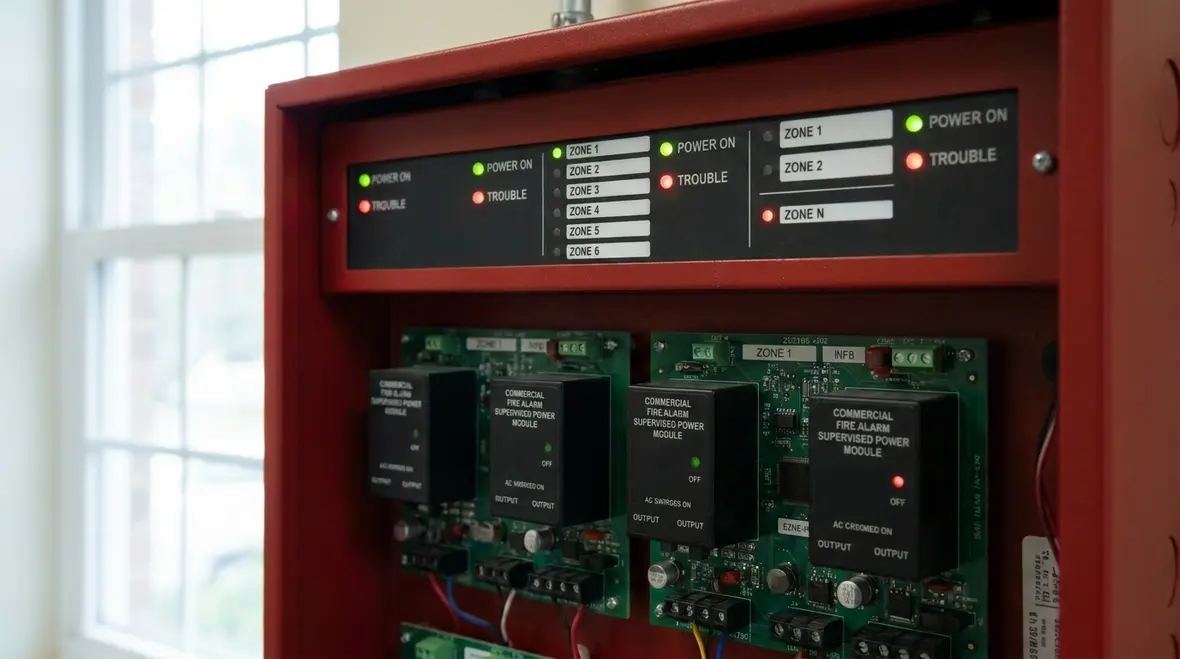
Fire alarm systems require power that stays stable and supervised, not power that “probably holds.” Our service staff makes this distinction early, and they keep the message simple. When the system relies on electrical power, supervision helps detect wiring faults and trouble conditions before they grow into emergencies. Then the control equipment can notify the right people promptly.
Within the life-safety world, reliability comes from a chain of details. For example, the alarm circuit design needs proper fault tolerance. It also needs correct polarity and device compatibility. Even the smallest installation mistake can create nuisance trouble signals or, worse, a failure to activate during an alarm event.
That is why Kord Electric uses a methodical verification approach. First, we confirm the correct components and pathways for the fire alarm system. Next, we check supervision behavior and make sure the system communicates faults in a way that facility teams can act on. Then we test operation so that the system reacts the way the codes expect. And when someone asks, “Can we just run a quick test and call it good?” our technicians answer politely, but firmly. Quick tests can miss the problems that show up at the wrong time.
Emergency systems and standby power: keeping life-safety online
Emergency systems include more than one type of function, and we treat them as a coordinated set. In commercial and industrial facilities, emergency power and standby systems must support the building’s evacuation and alarm requirements. Consequently, NFPA electrical standards push for dependable power transfer, proper protection, and clear system behavior during loss of normal power.
In practice, this means the standby power path must stay ready, and it must deliver power under the conditions the building will face. Our teams focus on the entire workflow: normal operation, transfer conditions, and post-transfer behavior. We also evaluate how emergency circuits are protected so that a fault does not take out the very functions meant to protect occupants.
Transition planning matters too. If an emergency system shares spaces with other infrastructure, wiring separation, routing discipline, and proper identification reduce accidental interference. As a result, electricians and maintenance staff can maintain the system without creating new risk. In the real world, facilities get modified, expanded, and repurposed. Therefore, the emergency system needs consistent electrical documentation so changes do not break the safety plan.
From our perspective, the best emergency systems feel boring. They stay ready, they operate predictably, and they do not surprise anyone during drills. If a system behaves like a prank, that is a sign the electrical work needs another look.
Panel labeling, monitoring, and documentation that teams can use
Codes cover equipment, but they also cover human usability. Kord Electric knows that facility teams operate under time pressure, especially when problems happen at night or during peak production. That is why we emphasize labeling, monitoring, and documentation that makes sense.
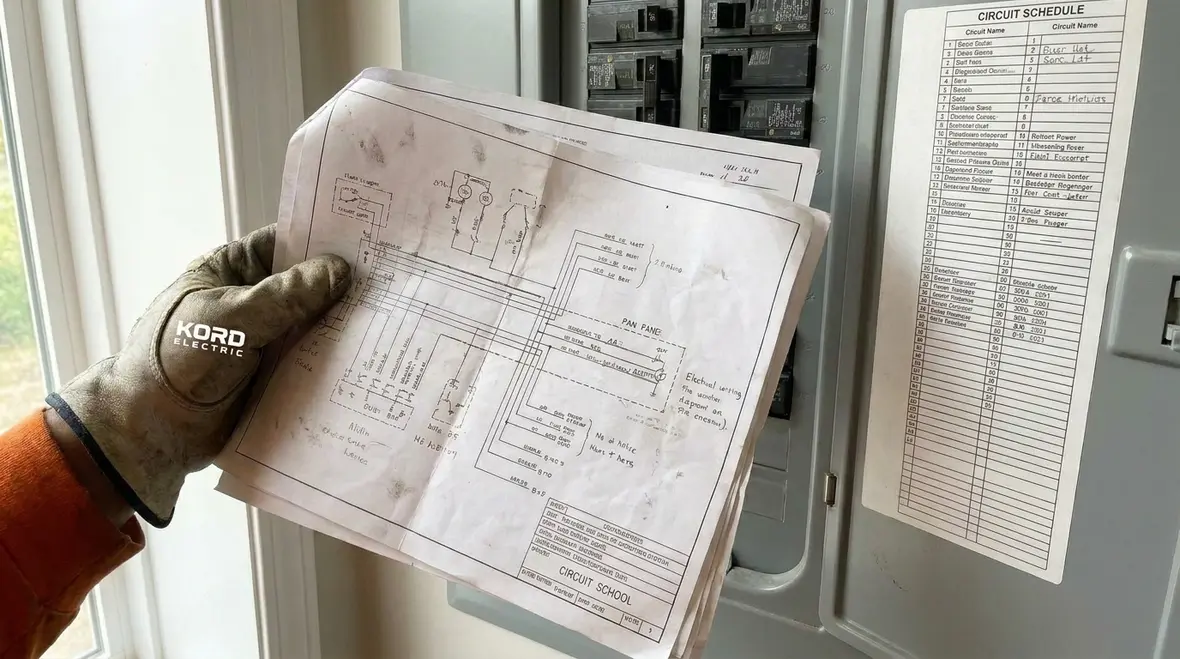
NFPA electrical standards expectations often land on practical details. Panels and life-safety related circuits need clear identification so the right personnel can isolate and correct issues fast. Moreover, the documentation should match the field, not the drawing that was “true when we installed it.” When facilities modify circuits, we help update documentation so the as-built reality stays current.
Our expert service staff also trains teams on what they should monitor. They explain what trouble signals mean, how to interpret status indicators, and which actions reduce risk. Additionally, they show how to keep records during inspections and maintenance cycles.
People forget that safety work is also communication work. When the panel schedule is clean, alarms are not confusing, and records are organized, response improves. And when response improves, the facility protects its people and its operations. That is not just compliance. That is business continuity.
NFPA electrical standards in projects: from design coordination to field verification
Good compliance does not happen by accident. It happens when electrical teams, fire alarm designers, and facility stakeholders coordinate early and verify results in the field. Kord Electric supports commercial and industrial projects with that same discipline. We start with a clear understanding of the building’s life-safety needs. Then we coordinate the panel and alarm power design so the whole system works as a single unit.
At the jobsite, our technicians verify installation details that drawings alone cannot guarantee. They check component mounting, wire terminations, and electrical protection. They also verify that the installation matches the intended supervision strategy. As the work progresses, we document what we install and confirm labeling and circuit identification.
To keep everything aligned, our team follows the guidance discussed in our NFPA codes and guidelines resource for fire protection and life safety, including common solutions for fire protection and life safety. This includes practical steps like selecting appropriate equipment, maintaining proper separation where needed, and testing system performance so it meets expected behavior. In other words, we do not just aim for “installed.” We aim for “works correctly under conditions that matter.”
Then we finish with verification and testing support. For facilities, this reduces the chance of surprises during inspection. For owners and managers, it reduces the chance of downtime caused by wiring issues or confusion later. Nobody wants a fire alarm system that behaves like a malfunctioning movie projector. We keep it steady.
Common pitfalls in commercial panel and alarm installations
Even experienced teams can slip into avoidable mistakes, especially when schedules are tight. Kord Electric often sees the same pitfalls across projects, and we address them early to protect the facility.
One common issue involves weak identification. When labels do not match circuits, maintenance teams waste time. Another issue involves incorrect wiring routes or poor separation practices. When cables run without discipline, electrical faults can affect life-safety functions. Additionally, installers sometimes underestimate the importance of correct supervision. If a supervision method does not align with the system design, the panel may not detect trouble conditions as intended.
Another pitfall is deferred verification. People assume the alarm system will work because “it powers on.” However, supervision behavior and device response require correct wiring and correct setup. As a result, a system can appear normal while actually failing under fault conditions.
Our service staff corrects these problems with structured field checks. We verify circuit behavior, confirm device connectivity, and ensure labeling accuracy. We also support maintenance teams with guidance on how to keep the system consistent over time, so the facility does not drift out of compliance after renovations.
Guided care with Kord Electric: service and expertise for major properties
Kord Electric serves commercial and industrial facilities and major property buildings. That focus matters because these sites have different needs than small or residential locations. We plan around occupancy, ongoing operations, and the realities of large electrical footprints. In addition, we schedule work to reduce disruptions.
Our technicians bring more than tools. They bring experience with electrical panels, alarm system power, and emergency system requirements. Just as importantly, our team explains what they find. When something needs correction, they describe the issue in plain language and show the path to a safe fix. That style reduces confusion and keeps facility teams aligned.
Furthermore, we support ongoing maintenance planning. We help owners set expectations for inspections and testing cycles so life-safety systems stay dependable. Because when a facility treats maintenance as a routine, reliability improves. And reliability is what NFPA electrical standards aim to protect.
FAQ
Choose Kord Electric for NFPA-aligned electrical life-safety work
If a facility relies on alarms and emergency systems, reliability cannot be optional. Kord Electric brings disciplined electrical work, clear documentation, and expert service that supports commercial and industrial buildings and major property sites. We coordinate panel and life-safety needs, verify field installation details, and help your team understand the results in plain language. When you want NFPA electrical standards addressed with care, not guesswork, call Kord Electric today to plan a safe, dependable path forward.
For integrated fire protection and life-safety coverage that complements your electrical and alarm work, explore our partner team’s full fire protection services for sprinklers, alarms, extinguishers, and more across Southern California.


