

NFPA Electrical Standards for Safer Systems
At Kord Electric, we lean on NFPA electrical standards because they help us build safer electrical systems, and they help our commercial and industrial customers sleep at night. In the first place, NFPA codes bring a clear baseline for wiring methods, equipment protection, panel details, and fire related life safety thinking. Then, when conditions change, we use those guidelines to guide inspections, testing, and upgrades in a way that makes sense in the real world. Our expeert service staff also explains the “why” behind each requirement, not just the “what,” so decision makers understand the risks and the fixes. And yes, we explain it slowly, because nobody enjoys a surprise outage like they enjoy a surprise plot twist in a TV show. Unfortunately, electrical failures tend to ruin episodes.
How NFPA Electrical Codes Reduce Risk on Job Sites
NFPA electrical codes support safer electrical systems by focusing on outcomes. First, they reduce the chance of electrical fires caused by overheating, arcing, damaged insulation, and improper protection. Next, they lower the chance of shock hazards by guiding grounding, bonding, and equipment installation practices. Finally, they help preserve life safety during emergencies by supporting proper equipment behavior under fault conditions.
At commercial and industrial facilities, electrical systems work harder and run longer than in smaller settings. Therefore, NFPA guidance matters even more. Kord Electric uses the codes as a practical map for field decisions. We do not treat requirements like paperwork. Instead, we treat them like a safety checklist that supports stable operations, fewer service calls, and better outcomes during inspections.
Our technicians also show the team what the code is trying to prevent. For example, when they explain overcurrent protection, they also explain why “bigger fuse” thinking can turn a small problem into a big fire. That explanation lands, because people can connect the rule to the danger.
Where NFPA Standards Fit Into Fire Protection and Life Safety
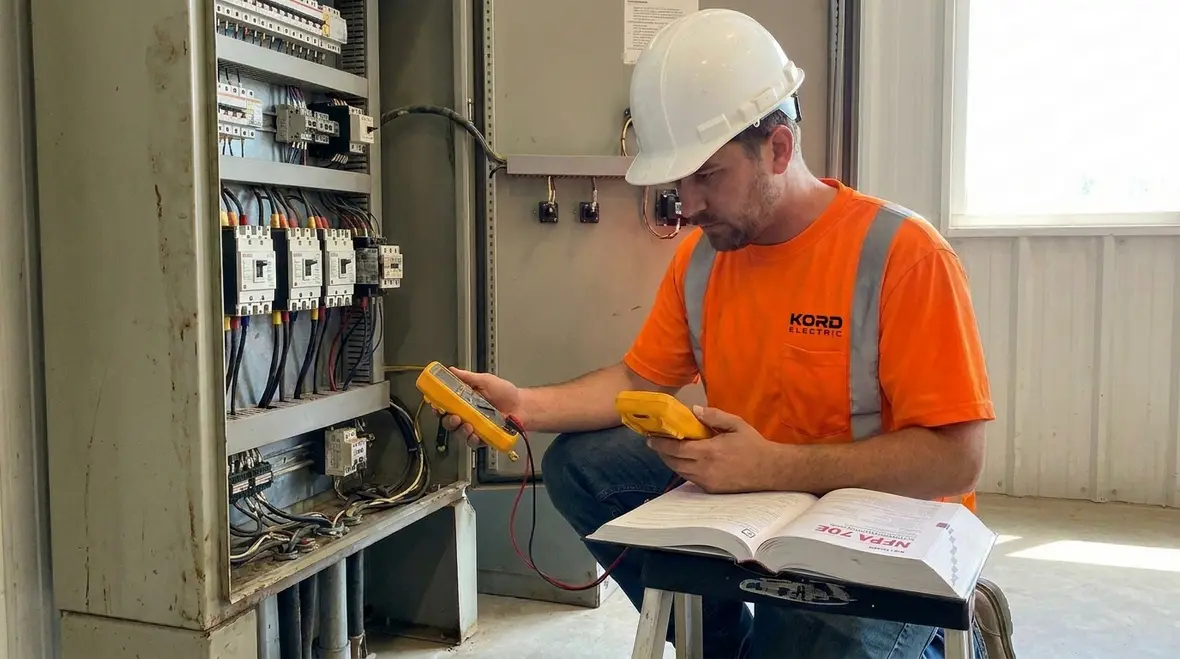
In our work, electrical installation does not live alone. It connects to fire protection and life safety planning, which is exactly where the NFPA approach becomes valuable. A facility needs more than devices that function. It needs devices that function correctly during the kinds of failures that actually happen: shorts, ground faults, damaged conductors, and failing components.
Kord Electric aligns our service practices with the logic described in our guidance on fire protection and life safety solutions, including how codes and guidelines work together to reduce losses. In practice, that means we review system layout, protection coordination, and installation details, then we confirm they support the life safety goals of the building. You can see an example of this integrated approach in the NFPA codes and guidelines resource from our sister company, Kord Fire Protection, which explores how NFPA standards shape fire protection and life safety strategies across facilities of all sizes. Explore NFPA codes and guidelines solutions for fire protection and life safety to understand how electrical safety, fire systems, and emergency planning come together in one framework.
Here is the calming part. When the electrical system follows NFPA electrical standards, the building often behaves more predictably under stress. And predictable behavior is what every safety manager wants. It is like having a fire drill that actually works, instead of a drill where everyone looks at each other like, “Wait, what are we supposed to do?”
Preventing Electrical Fires Through Protection and Installation Controls
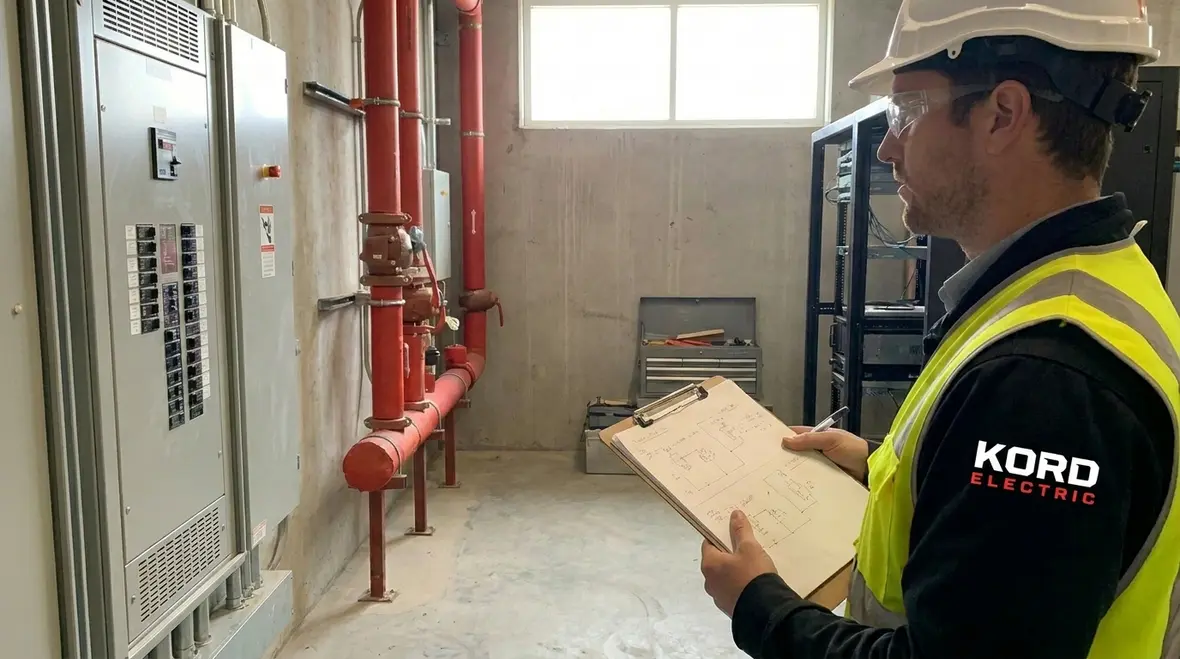
Electrical fire prevention starts with the basics: proper conductor sizing, correct device ratings, and protection that clears faults quickly. NFPA electrical standards guide these areas so we can avoid the hidden failures that grow over time. For instance, bad terminations can create heat points. Over time, heat points can damage insulation, which can then feed the next failure. Codes aim to stop that chain early.
However, the field reality is that equipment and loads vary by facility type. Manufacturing lines, cold storage, data heavy spaces, and mixed-use industrial operations all have different electrical demands. Therefore, Kord Electric evaluates the connected load, the duty cycle, and the fault conditions. Then we recommend upgrades that keep protection and equipment in the safe zone.
Our expert service staff explains these connections in plain language. They often say something like, “The code is not trying to make your life harder. It is trying to make your system harder to break.” And honestly, that is a fair statement.
How Our Technicians Apply Codes to Real Equipment and Real Loads
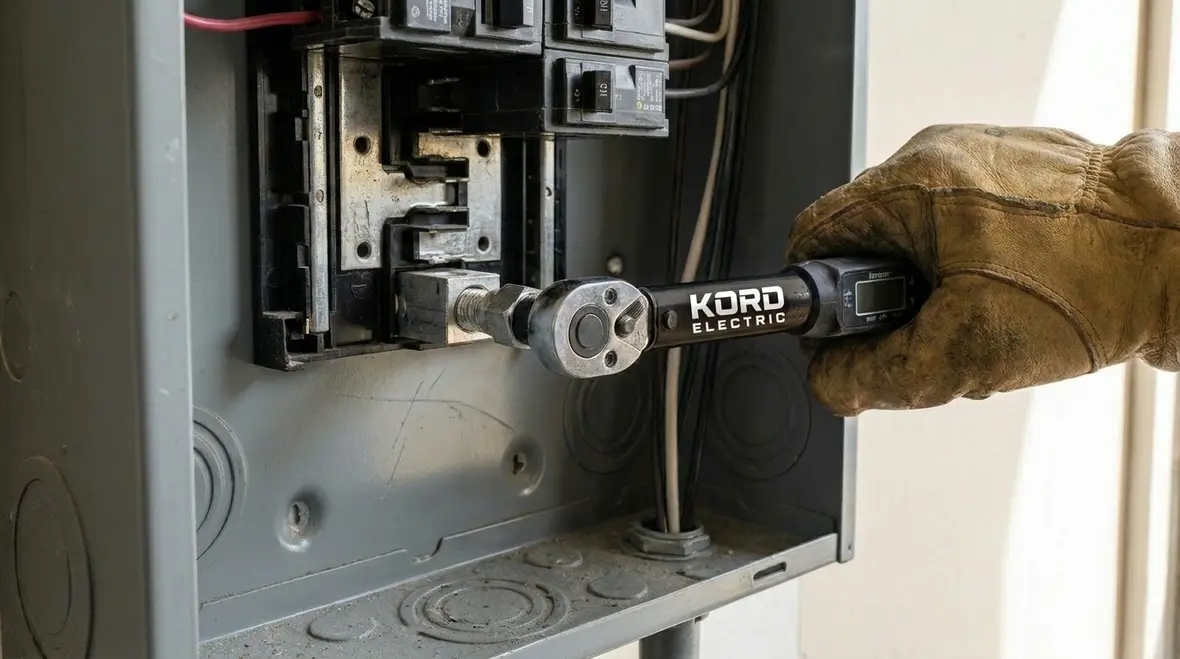
Kord Electric does not just read requirements. We interpret them in the context of the facility. First, we look at how the system is built and how it operates. Then, we check how components work together, including panels, feeders, branch circuits, and protective devices. After that, we verify that installation details support safe operation.
Technicians often find issues that do not look dramatic at first. A minor wiring deviation, a mismatched device rating, or a component that got replaced with something “similar” can slowly reduce safety margins. In turn, this increases the likelihood of unwanted heat and failure. NFPA electrical standards help us identify these gaps and correct them before the problem shows up as smoke, a tripped breaker, or a full system shutdown.
Also, our process includes documentation that supports ongoing maintenance and future upgrades. That matters for commercial and industrial facilities that plan multiple projects over multiple years. The last thing leadership needs is a “trust us” maintenance trail. They need clarity. For a deeper dive into how proactive planning and documentation protect large facilities, you can review our breakdown of commercial and industrial electrical maintenance plans, which shows how structured upkeep and NFPA aligned practices work together to reduce hidden risks and downtime.
Ensuring Safe Operation During Inspections and Upgrades
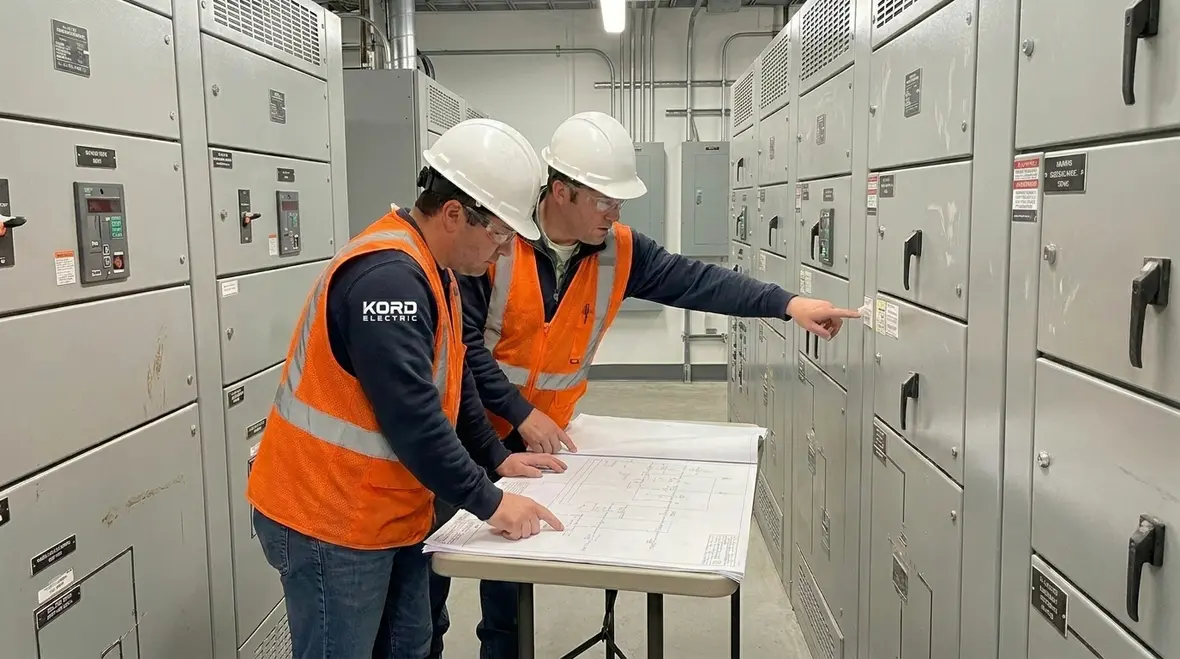
Inspections can feel stressful. Yet they become easier when the electrical system already aligns with NFPA electrical standards and recognized safe practices. We help facilities prepare by reviewing areas that commonly raise questions, such as labeling, protective device selection, conductor condition, grounding and bonding, and proper clearances.
When upgrades happen, transitions matter. A modern equipment panel might connect to older infrastructure. In those cases, we work to maintain safety margins during the transition, not just after the last wire is pulled. Our technicians also coordinate with facility operations so changes do not disrupt critical production unnecessarily.
And if you are wondering whether this reduces headaches, yes. It does. Not every facility has a “surprise outage budget,” and electrical work should not be treated like a surprise party. People should know what is coming, when it is coming, and why it is needed. When facility leaders want to go even further, they often pair code aligned upgrades with a structured electrical preventive maintenance program so inspections become routine checkpoints instead of crisis events.
Training Teams and Explaining the “Why” Behind the Requirements
Codes work best when the people maintaining the system understand the intent. That is why Kord Electric makes explanation a core part of our service. We sit with stakeholders and our team members and we walk through what the NFPA electrical standards call for, and why. We also connect those requirements to the facility’s risk profile.
For example, we explain how proper labeling helps emergency response and how correct circuit identification supports troubleshooting. Then we connect troubleshooting to safety. Better troubleshooting means fewer shortcuts. Fewer shortcuts means fewer unsafe conditions. It is not magic, it is method.
Our baritone calm is not just a vibe. It helps teams focus. And when teams focus, they follow the plan. That is how safety becomes routine rather than reactive.
FAQ
Call Kord Electric for Code Aligned Safety Work
If your commercial or industrial facility needs electrical work that supports safer operation and clearer inspection outcomes, Kord Electric is ready. We bring a careful, field tested approach that uses NFPA electrical standards as a real guide, not a checkbox. Our technicians explain what we find, why it matters, and what changes reduce risk. Reach out today for an assessment, upgrade plan, or safety focused maintenance. Let us help you move from uncertainty to confident electrical performance.
For facilities that want a broader approach to life safety, our partners at Kord Fire Protection provide full fire protection services, including fire sprinkler, fire alarm, and fire extinguisher solutions. Together, our teams help building owners align electrical infrastructure with NFPA electrical standards, NFPA fire codes, and building wide life safety strategies—so your systems work together when it matters most.
And if your facility is already planning upgrades, you can also explore our dedicated electrical preventive maintenance services to keep those improvements performing safely over the long term.


