Title 24 Energy Code Checklist for Commercial Projects
At Kord Electric, we work with commercial and industrial facilities, and we know the stakes are not small. One wrong detail can mean failed inspections, delayed projects, and the kind of paperwork that makes grown adults stare at their inbox like it owes them money. That is why our Title 24 energy code checklist sits at the center of how we plan electrical work. In the first pass, we use the checklist to confirm compliance points, then we verify the field installation matches what the plans promise. While other teams treat code like a suggestion, we treat it like a promise you have to keep.
Title 24 energy compliance for commercial and industrial projects
When we talk about energy compliance, we mean real controls, real wiring, and real documentation. First, electrical systems connect to how a building consumes power. Next, the building may also use lighting controls, receptacle requirements, and motor and HVAC related loads, depending on the scope. Even if your electrical contractor feels like their job is “just power,” the rules reach beyond the panel. Therefore, we align our design review and installation checklists with the energy code pathway that applies to your facility.
Also, the energy code does not just ask for hardware. It expects correct performance. For example, lighting control devices must function as intended, and building energy features should meet the required behavior. In other words, the equipment must do what the code assumes it will do. If your system is installed but not configured or tested, it may look fine until the inspection day, and then it becomes comedy night. We prefer the quiet version, where inspections go smoothly.

For teams exploring lighting upgrades and energy strategies more broadly, this on-the-ground Title 24 approach pairs well with the long term planning in Kord Electric’s California Commercial Lighting Code Guide for 2026, which walks through how current lighting rules shape design choices for offices, warehouses, hotels, and manufacturing facilities. Together, they connect day-one planning with big picture energy performance over time.
How our Title 24 energy code checklist starts on day one
We run our process like a calm preflight check. Our technicians and expert service staff explain each step as we go, because when people understand the “why,” they stop guessing and start verifying. Then we capture the details that affect compliance. We typically start by confirming project scope, metering approach, and the applicable version requirements for the jurisdiction and permit path. After that, we review the electrical design against the checklist items that drive energy outcomes.
To keep everything clean, we break the work into plan verification, rough installation checks, final functional checks, and documentation. Meanwhile, we flag items early so the team can resolve them before the schedule feels like it is sprinting. In our experience, a small correction early saves a bigger correction later, and it saves the extra stress that shows up when someone says, “We should have caught this.”

On large campuses or industrial environments, that early structure often folds into broader maintenance and reliability planning. Kord Electric’s commercial and industrial electrical maintenance plans highlight how recurring inspections, testing, and documentation keep complex systems stable long after the first Title 24 sign off. When those two rhythms align, compliance becomes part of how the building runs, not a last minute scramble.
Electrical plan checks we confirm before any conduit goes in
Before we install anything, we confirm that the plans match the expected energy compliance behavior. Therefore, our review focuses on the elements that influence building energy use. We also verify that the electrical drawings and specifications support the control strategy and load management needs. In practice, we check for:
- Lighting control points and control zones that match the energy code requirements
- Where required, sensor locations and coverage planning that supports correct operation
- Panel and circuit labeling so control wiring and switching sequences are clear
- Service and distribution configuration that supports the intended metering or load tracking
- Any special power needs for equipment that affects overall load behavior
Next, we review the details that cause common mismatches. For example, a control device may appear on the plan, but the model, placement, or interconnection may not match what the code expects. Similarly, the schedule may list one behavior, while the field install assumes something else. We keep our technicians close to the plan set during install so those gaps do not multiply.
That same disciplined review mindset also applies when you shift from pure compliance to performance upgrades, like California Title 24 lighting retrofits in large warehouses. When a team looks at retrofit ROI, mismatched plans and field conditions can bend the math. By grounding both the design and the checklist in what is actually installed, your savings projections and your inspection results end up telling the same story.
Field verification: where compliance lives, not where it hides
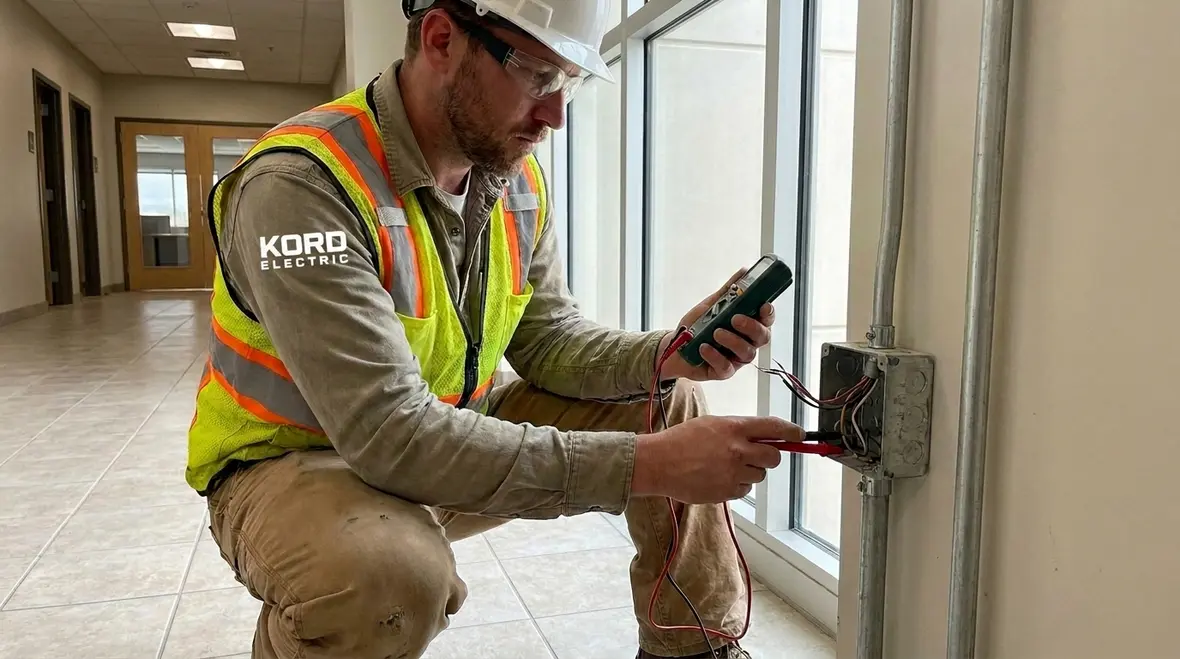
Once we begin installation, we verify the key items that can drift off course in the field. That is when the Title 24 energy code checklist becomes more than a list. It becomes a practical set of “touchpoints” our team checks while the work is still changeable. As we move through rough-in, we confirm wiring routes, device mounting heights where applicable, and the integrity of terminations.
Then we shift to functional readiness. We do not just install the equipment and hope. Instead, we test control operation so the system performs the way the energy strategy depends on. We also confirm that documentation reflects what was actually installed. If a spec changes during construction, we make sure the final record matches reality. Otherwise, the next person who reviews the file becomes a detective, and detective work is fun only in movies.
In commercial environments where hidden electrical risks already exist behind walls and above ceilings, this kind of structured field verification does double duty. It supports Title 24 requirements, and it helps uncover overloaded circuits, aging gear, or improvised changes that could cause trouble later. When the same checklist culture that catches code issues also surfaces safety issues, facilities get more value out of every inspection round.
Lighting controls, receptacles, and demand related details for facilities
For commercial and industrial facilities, lighting controls and related electrical features often carry a heavy share of the compliance burden. However, the details are more specific than most people expect. Therefore, our team ensures the system includes the right control logic, correct device pairing, and proper placement for reliable coverage.
In addition, we handle electrical features tied to how spaces use power. Depending on project scope, we verify requirements that impact receptacle behavior, multi level control strategies, or how specific areas transition between occupied and unoccupied states. We also pay attention to what drives demand and energy consumption patterns, since energy code goals do not focus on one circuit. They focus on the building as a system.
Our technicians explain what they are doing as they test, and they keep the language clear. If a control sequence needs adjustment, we explain the effect in plain terms: how it changes light behavior, how it affects user operation, and how it aligns with the code assumptions. That way, facility managers and project stakeholders are not left wondering if “it should work.” We show them that it does.
In many retrofit and new build scenarios, these control choices overlap directly with services like recessed lighting installation and other commercial lighting upgrades. When the same team that designs your recessed lighting layout also understands the nuances of Title 24 occupancy sensors, daylight zones, and multi-level control, the 24 energy code checklist becomes a design tool, not just a late-stage review form.
Documentation and inspection support that keeps projects moving
After installation, we focus on the part that nobody wants to do at the last minute: the documentation. Yet, for energy compliance, documentation is not just paperwork. It is the evidence that the system meets required behavior. Therefore, we help maintain a clean record of installed components, control settings where applicable, testing results, and how the build matches the approved design intent.
When inspection day arrives, we stay ready. We coordinate with the electrical inspection process and support the review with clear, organized information. As a result, we reduce back and forth, and we protect your schedule. In our experience, a project runs best when the electrical contractor, the controls side, and the building team operate from the same factual baseline.
If something needs correction, we fix it quickly and verify again. Then we update the record so it reflects the final state. We do not leave loose ends because loose ends do not stay loose for long. They tie themselves into delays.
For facility leaders responsible for long horizon planning, that same disciplined record keeping feeds straight into ongoing electrical preventive maintenance. Instead of treating every issue as a fresh mystery, you build a clear history of what was installed, how it was configured, and how it performed. Over time, your Title 24 energy code checklist becomes part of a broader compliance and reliability playbook, not a one-time hurdle.
FAQ about the Title 24 energy code checklist
Because Title 24 and commercial energy rules can feel abstract until you are staring at a checklist and a deadline, we pulled together some common questions teams ask when they first adopt a structured approach. These answers give project managers, facility engineers, and owners a sense of how the checklist shows up during real work, not just during plan review.
Request a compliance review with Kord Electric
If you are planning a commercial or industrial project and you want smoother approvals, we should talk. Kord Electric can review your electrical scope against our Title 24 energy code checklist approach, then confirm the details in design, installation, and testing. Our technicians and expert service staff explain everything clearly, so your team does not feel left in the dark. Call us today to schedule a compliance review and keep your schedule intact. We will bring the calm, not the chaos.
If your project also includes broader upgrades like commercial lighting redesign, EV infrastructure, or deeper preventive maintenance, we can link your Title 24 path directly to services such as recessed lighting installation and structured electrical maintenance. That way, the same partner who helps you pass today’s inspection also helps you plan tomorrow’s reliability and efficiency improvements.