
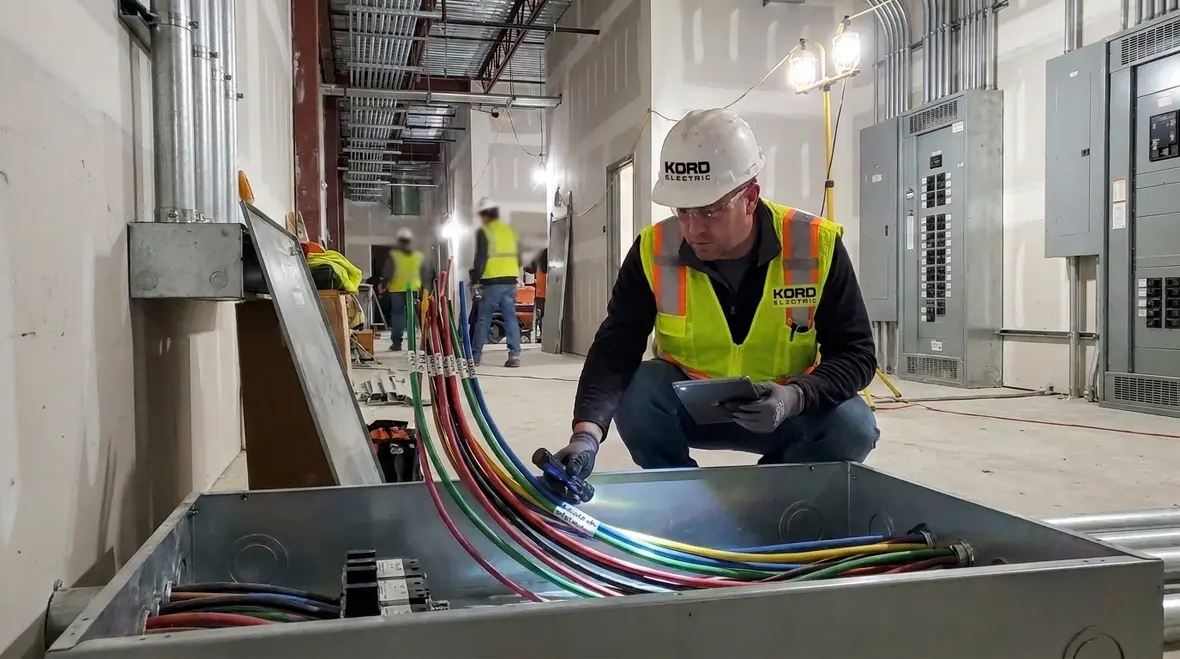
Permitted NEC Conductor Uses Under 310.10 Explained
Permitted NEC conductor uses at a glance, in plain language
In this guide, Kord Electric explains how NEC conductor uses permitted under NFPA 70 Section 310.10 must line up with the job, the wiring method, and the electrical system design. Our goal is simple: help commercial and industrial facilities avoid guesswork and move toward safe, code compliant installation. Now, before anyone asks, yes, electrical code can feel like it was written by someone who never had to debug a tripped breaker at 2 a.m. Still, when you follow Section 310.10 the right way, the whole system behaves better, lasts longer, and keeps inspections calmer.
As our technicians and expert service staff review real project layouts, we see the same pattern again and again: people remember the headline rule, but they miss the fine print that decides whether a conductor is allowed for a specific use. Therefore, we walk through the reasoning, the limits, and the practical steps you can use on commercial and industrial builds and major property buildings.
Why NFPA 70 Section 310.10 controls how conductors get used

NFPA 70 is the National Electrical Code, and Section 310.10 sits right at the heart of how conductors get matched to their intended work. In other words, the code does not just ask “what wire is this?” it asks “what are you trying to do with it?” Then it determines whether the conductor is allowed for that use.
For commercial and industrial facilities, this matters even more because wiring often supports long runs, higher loads, critical controls, and complex equipment layouts. Consequently, a minor mismatch can create overheating risk, nuisance trips, or a costly rework during commissioning.
Section 310.10 also connects to broader NEC conductor rules. However, the section’s job is to set clear expectations on permitted uses, so electrical designers and field teams can plan installations that will pass inspection and operate safely.
If you want a bigger picture of how NFPA 70 shapes design choices beyond conductors, Kord Electric’s resource on understanding NFPA 70 and the National Electrical Code for 2026 is a helpful companion read alongside this deeper dive into Section 310.10.
How the permitted use idea works in the real world
Even when engineers specify conductors on paper, the jobsite has reality on its side and it is not always polite. Raceway choices, equipment changes, cable substitutions, and “quick field adjustments” can happen. As a result, Kord Electric trains our technicians to verify that every conductor’s use still matches the code allowance.
Here is the practical way we explain it to our clients’ teams. First, you identify what the conductor must do in the system. Next, you confirm which type and rating of conductor is required for that exact use. Then, you check that Section 310.10 allows that conductor for the intended function, based on the installation conditions.
To keep it simple, the permitted use concept is a fit check. If the conductor is built and rated for the task, and the installation method does not violate the rules, then NEC conductor uses permitted becomes not a vague idea, but a decision you can defend.
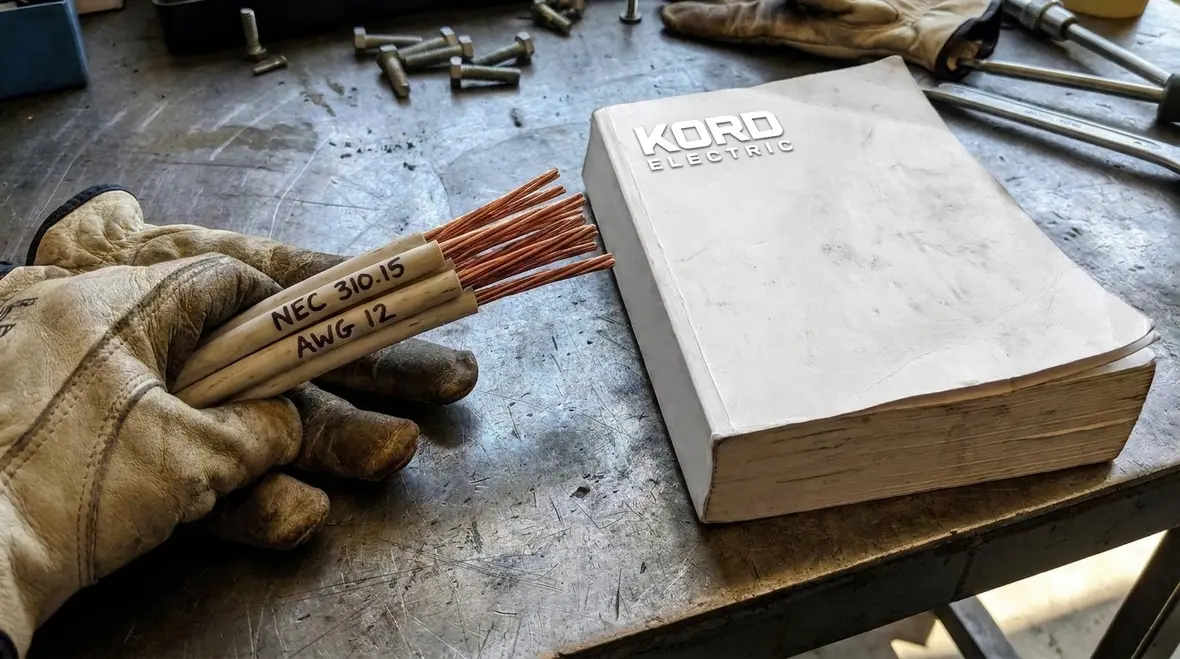
Matching conductors to loads, equipment, and operating conditions
One reason Section 310.10 feels important is that it protects the electrical “job description” of each conductor. Conductors handle current, heat, and voltage stress. Therefore, when you assign the wrong conductor to the wrong role, you can push it outside its safe limits.
For commercial and industrial facilities, loads vary. Lighting circuits, motor feeds, HVAC controls, process equipment, and facility power distribution often share space yet behave differently. Even when the wire looks identical, it might not be allowed for the same purpose.
Our expert service staff explains this with a calm, step by step approach on site walkthroughs. They show how conductor type and insulation features relate to the environment, such as locations exposed to moisture, temperature swings, or physical stress from the installation path. Then, they connect that back to the permitted use rules so the electrical design stays consistent through install, testing, and turnover.
And yes, sometimes the field team wants to “make it work” with what is on the truck. That is where we slow things down. The NEC does not care about the truck. It cares about the installation. (The truck, however, usually cares about you.)
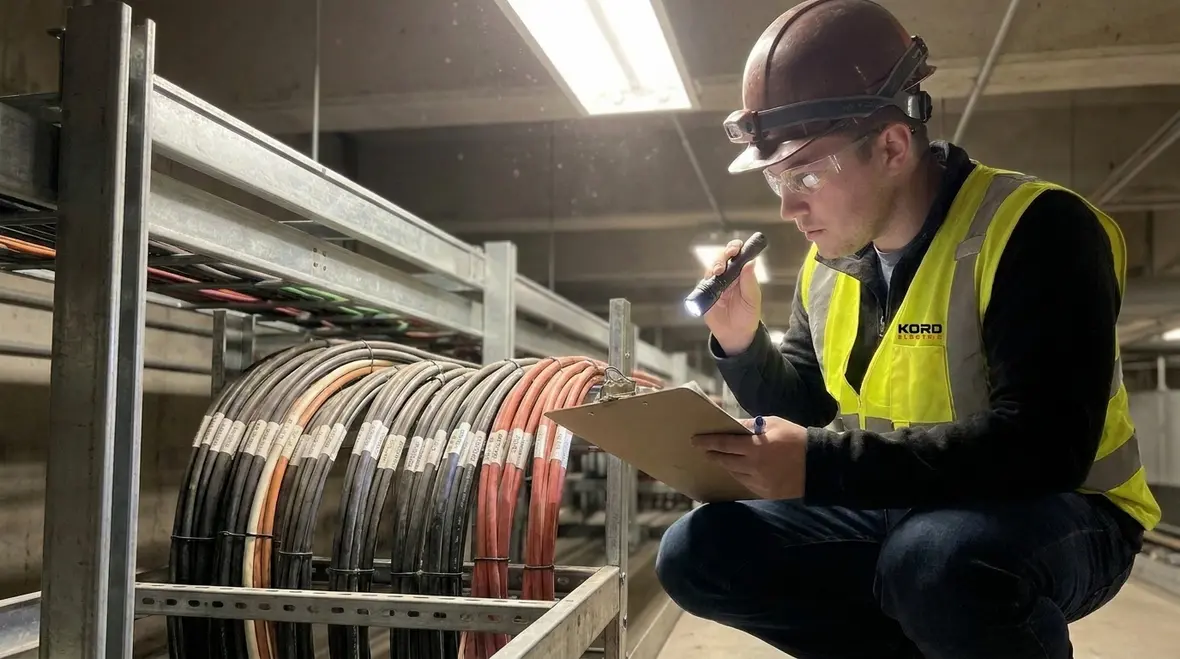
Where people usually trip up with conductor permitted uses
When we review plans and then compare them to the final as built wiring, we often see predictable mistakes. First, some teams select a conductor based only on ampacity and ignore whether the conductor is also permitted for the intended use. Second, they swap conductor types during the project without rechecking code compatibility. Third, they treat Section 310.10 as if it is a one time check, rather than a continuous verification from design through installation.
To be clear, Kord Electric does not just “find problems.” We guide teams toward a better process. For example, our technicians document conductor changes and confirm that the conductor’s permitted application still matches the system function. That prevents “silent failures” where the wiring passes initial looks but struggles under real operating conditions.
Also, some projects rely on assumptions carried from older builds. However, building codes and internal standards evolve. Therefore, our team pushes teams to verify again, not because we enjoy paperwork, but because we have seen how quickly rework becomes expensive in major property buildings.
Practical steps commercial teams can use to stay compliant
Compliance does not have to feel like a mystery. Kord Electric recommends a simple routine that works for commercial and industrial facility teams and major property building projects.
- Start with the intended electrical function before you pick a conductor. Define what the conductor powers and how the circuit operates.
- Verify conductor type and rating against the NEC requirements that govern that function, including the expectations behind NEC conductor uses permitted.
- Lock in change control. If substitution happens, recheck permitted use, not just ampacity.
- Coordinate routing and installation method so physical and environmental conditions do not push conductors out of allowed use.
- Test and document during commissioning so the installation matches the design intent and supports safe turnover.
When our technicians lead these steps, clients often notice a difference immediately. The field stays organized, the inspection conversation becomes easier, and the team spends less time defending decisions made under pressure.
And if a supervisor asks, “Can we just move faster?” we respond with a friendly baritone fact: speed is great, but safe code compliance is faster in the long run. Rework is the slowest form of performance.
How Kord Electric and our service approach supports safe installs
Kord Electric serves commercial and industrial facilities and major property buildings, not one off residential jobs. That focus changes how we operate. We plan around equipment, systems, and real schedules. Then we bring expert service staff into the process early so the design and wiring intent stay aligned.
During projects, our team supports plan review, field verification, and commissioning readiness. Instead of waiting until the inspector asks why a conductor was selected, we help teams confirm the reasoning ahead of time. As a result, fewer surprises show up on final walk throughs.
For readers who want additional background on the NEC framework and how it affects real installations, Kord Electric and partner resources provide helpful explanations, including the NEC conductor and system context discussed in our code education materials. And if you are working in building fire and life safety areas, Kordfire content also helps teams understand how NEC concepts intersect with fire protection planning at kordfire.com.au.
Finally, for fire pump related education and equipment context, groups like firepumps.org can offer additional perspective. We do not replace engineering design, but we do help teams connect the dots so they can coordinate safer electrical systems in the field.
If your facility is planning bigger upgrades or rework, pairing this conductor focused guidance with broader system planning resources like Kord Electric’s blogs on commercial electrical systems and data-driven design can help you see how NEC 310.10 decisions sit inside the larger electrical picture.
FAQ on NFPA 70 Section 310.10 and permitted conductor use
Need code aligned conductor decisions for your facility
If your team is planning a new build, upgrading electrical distribution, or preparing for inspection in a major property building, Kord Electric helps you make the right conductor choices the first time. Our technicians and expert service staff verify conductor application, supported by NFPA 70 guidance, practical field checks, and clear documentation that holds up during commissioning.
For facility owners and managers across Southern California, our Los Angeles County commercial and industrial electrical services support everything from panel upgrades to complex system coordination, so NEC conductor decisions connect cleanly to the rest of your power infrastructure.
When you are ready to move from “we think this is right” to “we know this is compliant,” Kord Electric is here to help you connect NEC 310.10 to real world conductor choices, wiring methods, and long-term reliability.
Contact us to schedule a review and get a calm, confident path from design intent to safe installation.


