Prevent Electrical Downtime in Commercial Facilities
At Kord Electric, we build our approach around one simple goal: prevent electrical downtime commercial facilities can’t afford. When lights flicker, motors stall, or breakers trip without warning, the cost does not sit quietly. It adds up in lost production, delayed deliveries, and angry calls that nobody wants to field. Still, many facilities treat electrical issues like surprises, even though they usually show up long before they become a shutdown.
Others believe maintenance is a “nice to have.” We disagree. We treat electrical upkeep like a business protection program, and we back it with expert service staff who explain what they find, why it matters, and what to do next. In this article, we share how preventive electrical maintenance helps commercial and industrial buildings stay online, and how our technicians handle the work with calm, steady focus.
Why electrical failures turn into expensive shutdowns
In major property buildings and industrial sites, power does not just “run.” It drives pumps, lifts, HVAC, controls, data systems, lighting, and safety equipment. When something drifts out of spec, the risk grows step by step. First, you notice higher operating temperatures. Then you see nuisance trips. After that, the failure gets loud, sudden, and costly.
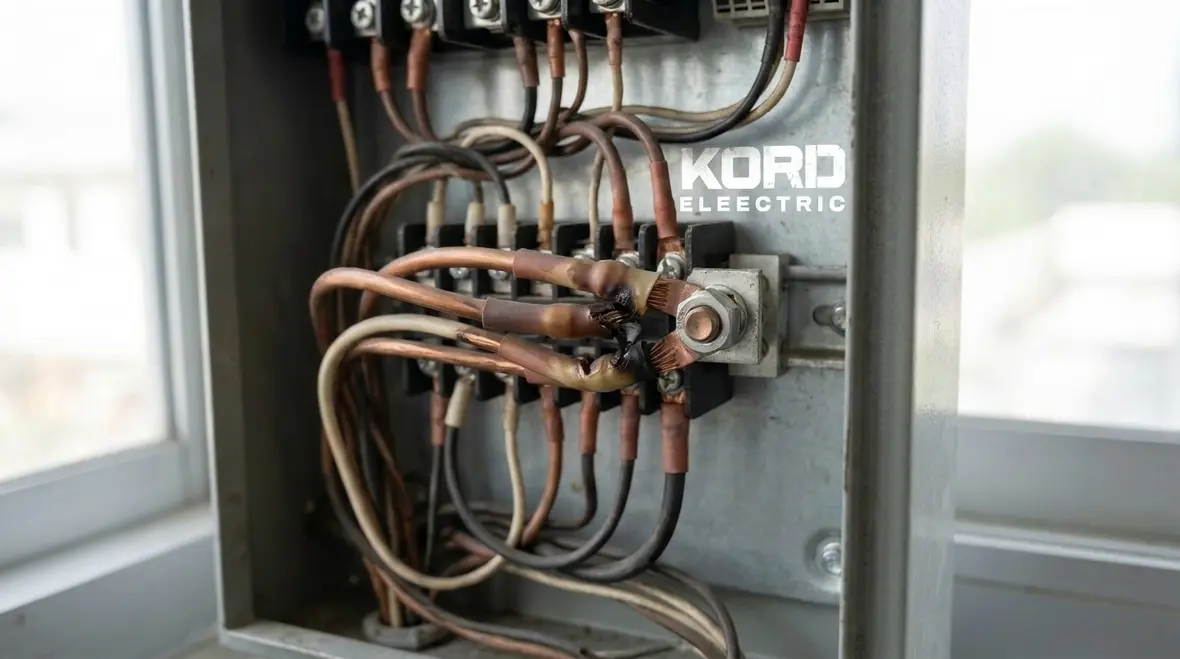
We often hear the same story: the facility had a problem “out of nowhere.” Yet our technicians usually find the quiet clues during inspections. Loose connections create heat. Aging insulation loses strength. Harmonic distortion stresses transformers and motors. And when controls fail, the downtime is not limited to one area. Because everything shares the same electrical backbone, one issue can cascade across the site.
Here is the soothing truth: many failures are predictable. Therefore, maintenance becomes a way to spot the pattern before it becomes a headline. And yes, we know it is tempting to wait. But waiting for a breakdown is like waiting for a punchline while the movie is already on fire. It is not clever, it is just late.
What preventive maintenance includes at Kord Electric
Kord Electric follows a structured preventive plan that fits commercial and industrial facilities. We do not rely on guesswork, and we do not treat every building as the same case. Instead, we assess load patterns, equipment age, operating hours, and past performance. Then we schedule work that reduces the chance of failure without disrupting daily operations.
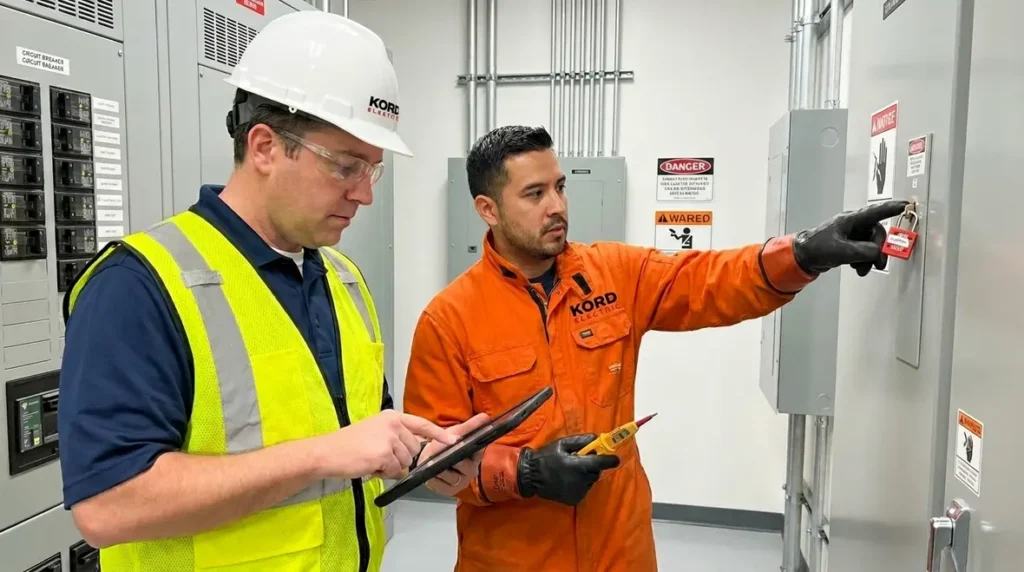
From there, our expert service staff supports the full cycle. They inspect, test, document, and recommend action. We use the findings to guide priorities, because not all risks carry the same impact. One component might fail with a small local effect. Another could trigger a shutdown across the plant or across multiple floors.
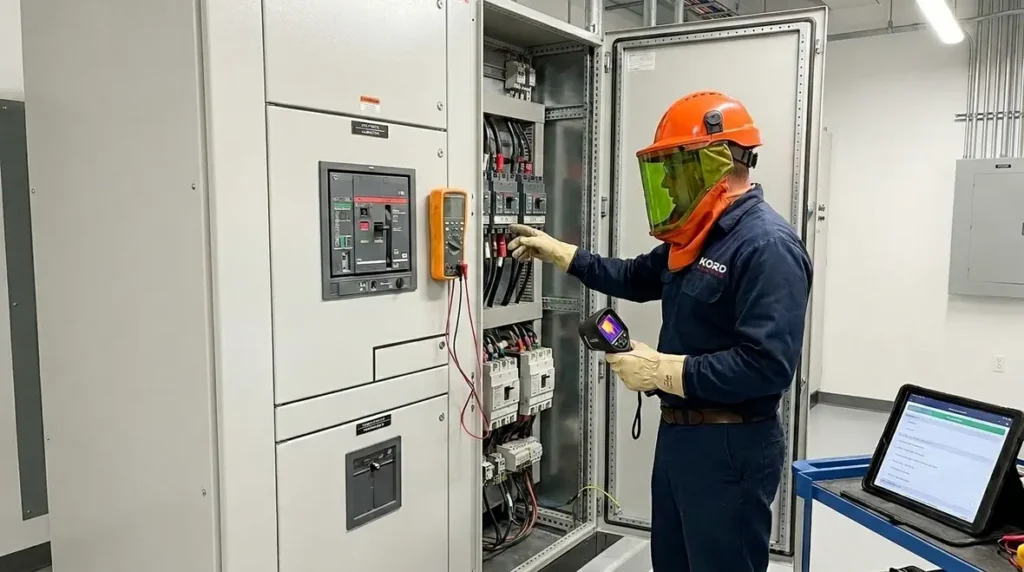
In practice, preventive work often includes checks on distribution equipment, protective devices, grounding systems, and key connections. It can also include testing that measures insulation health and verifies that protections operate as intended. And importantly, we talk through results in plain language so your leadership team can make confident decisions.
For facility managers who want a clear starting point, our preventive maintenance approach is explained in detail here: electrical preventive maintenance.
How inspections reduce risk without stopping work
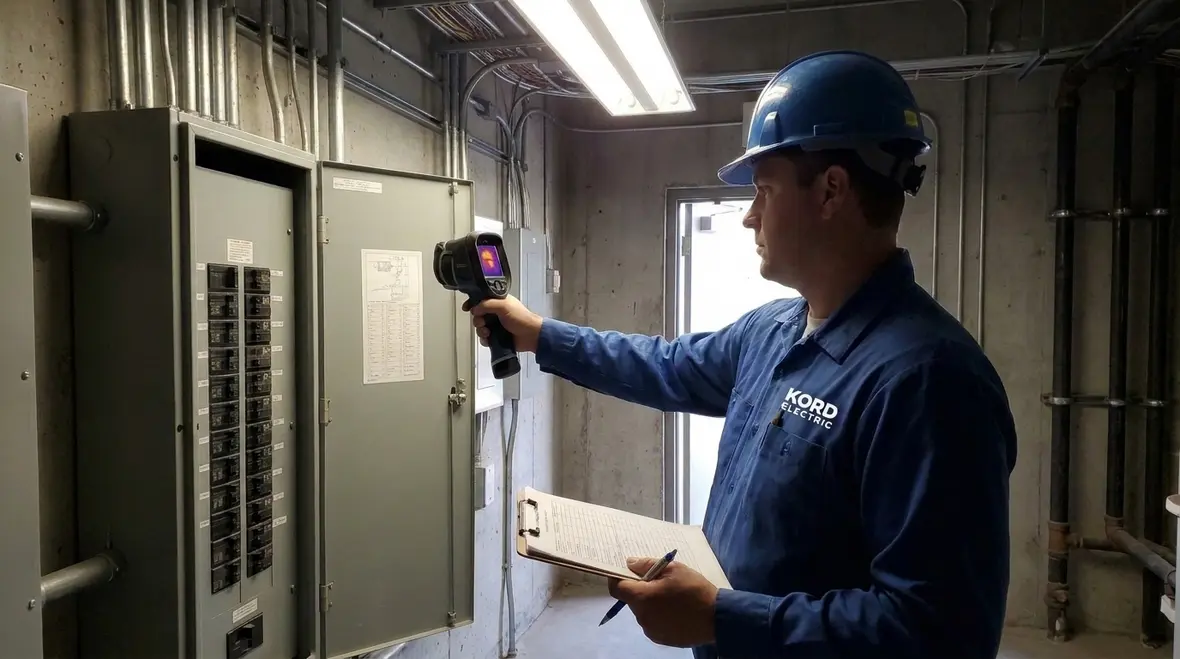
Commercial and industrial operations run on tight schedules, and outages rarely land at convenient times. That is why we focus on smart timing and controlled procedures. We plan work windows, coordinate with facility leadership, and phase tasks so critical systems stay protected.
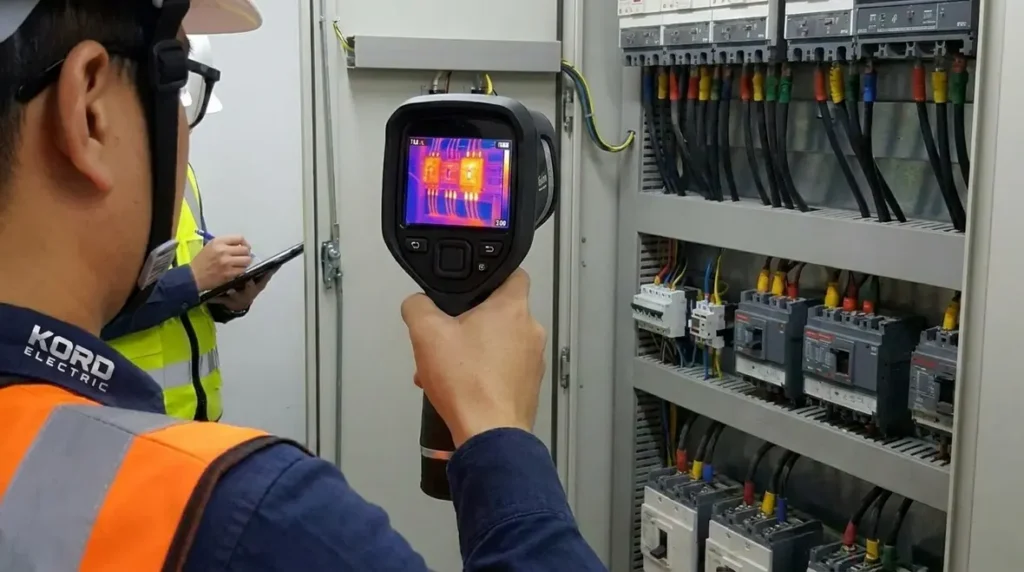
Additionally, our technicians use a methodical checklist style process. They look for signs that show up before failure. That includes abnormal wear, signs of overheating, corrosion on terminations, and protective devices that behave inconsistently. When we test equipment, we capture results and track trends. Over time, trend data becomes more valuable than a single snapshot, because it shows whether performance is stable or sliding.
So, rather than waiting for a fault event, we act on early indicators. Consequently, your teams spend less time responding to alarms and more time running the business. And if you have ever watched a breaker trip in the middle of a rush, you already know the kind of chaos we are trying to prevent.
Technicians explain findings like it is their job
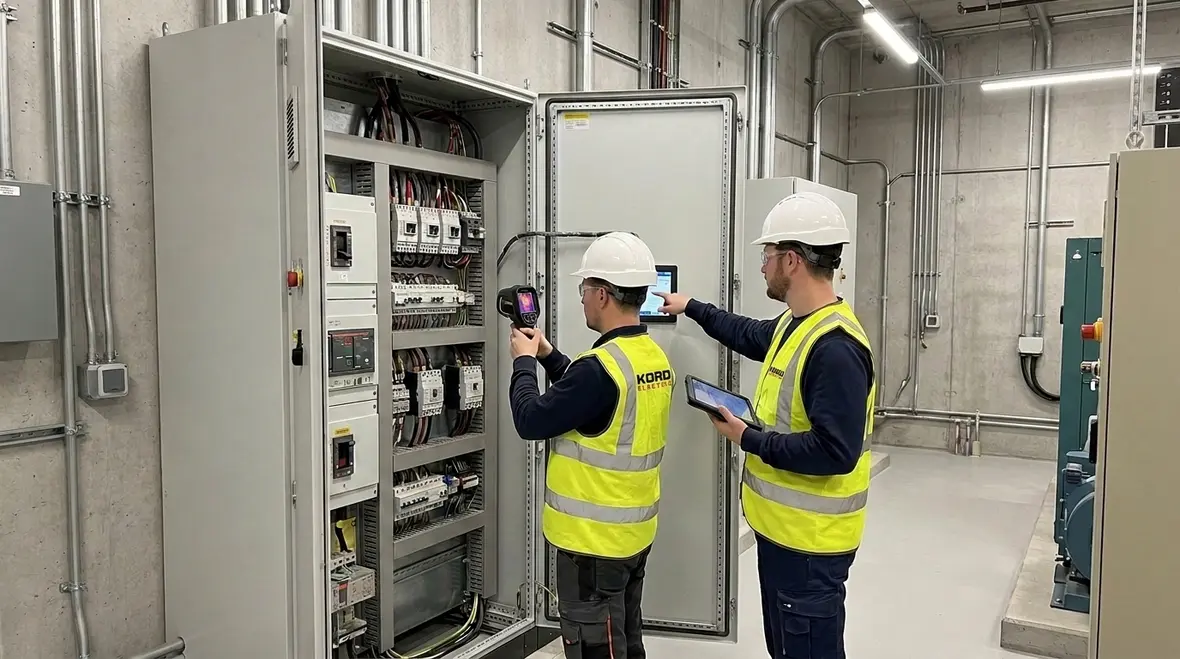
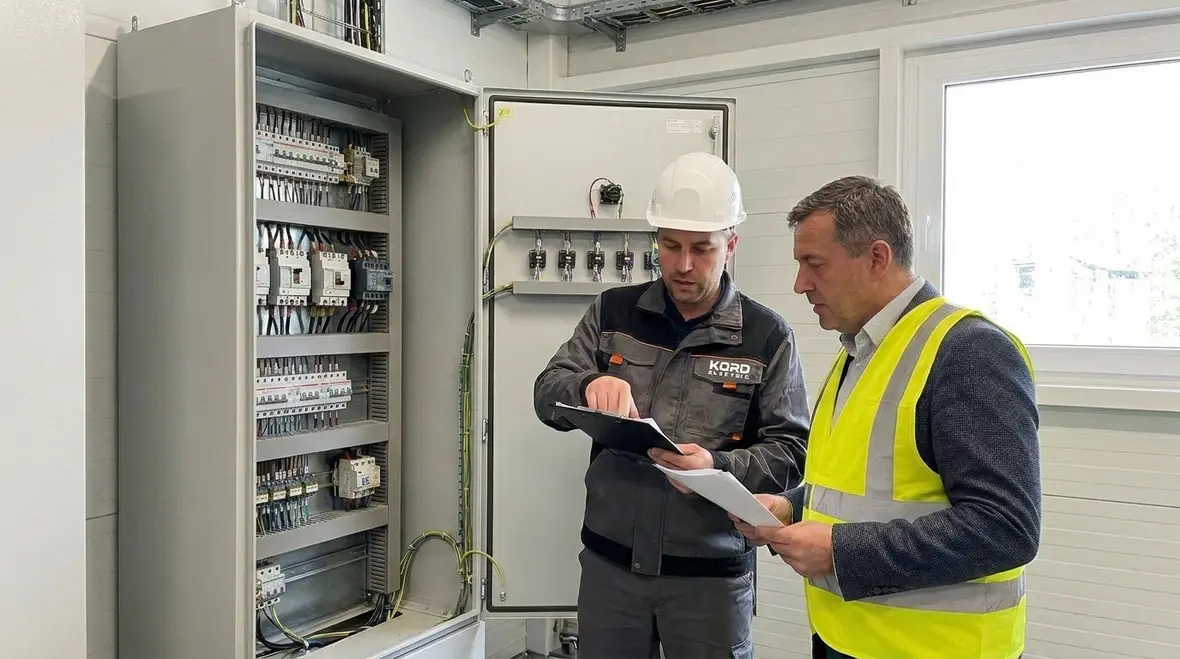
At Kord Electric, we treat communication as part of the service. Our technicians do not just hand over a report and disappear. They explain what they found, why it matters, and how each issue ties to reliability and safety.
In many facilities, leadership teams face pressure from operations, compliance, and cost control. Therefore, our expert service staff translates electrical data into business impact. For example, they connect deteriorating connections to risk of hot spots. They link overload patterns to motor life. They describe how grounding issues can create safety hazards and equipment damage.
And we do not talk in riddles. We provide clear next steps, with priorities that reflect real-world risk. It is like having a calm voice in the room when the rest of the world is yelling, “Where is the problem?!”
Also, we document findings in a way that supports future planning. That means your team can compare results over time, budget more accurately, and avoid repeat surprises.
Common commercial equipment that needs early attention
Commercial and industrial facilities rely on many electrical systems. Some get attention only after they fail. We recommend a different mindset. We focus on the equipment that tends to cause shutdowns when it degrades.
Transformers and switchgear often sit at the heart of distribution. When insulation and connections age, performance shifts. Heat and stress rise. Over time, this can lead to faults that disrupt entire zones.
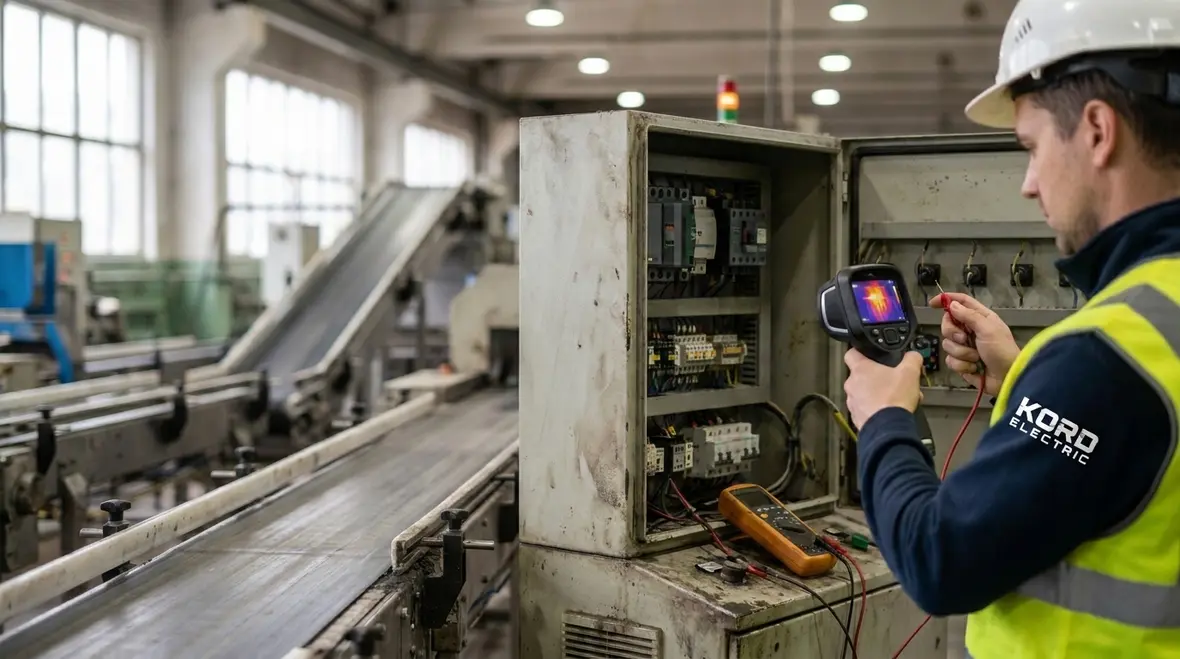
Motors and variable load systems run pumps, fans, and conveyors. When bearings wear or electrical supply quality drops, motors can draw abnormal current. Eventually, protections trip or components shorten in life.
Panels, breakers, and bus connections are frequent trouble spots. Loose hardware, corrosion, or wear can create hot points. And hot points love one thing: escalation.
Grounding and bonding support safety and equipment stability. If grounding degrades, it can raise risk during faults and increase the chance of sensitive equipment problems.
By addressing these areas with planned inspections and targeted testing, we help facilities keep power steady. In turn, your operations keep moving, and your team stops living in “emergency mode.”
How a maintenance schedule protects safety and compliance
Electrical maintenance supports more than uptime. It also supports safety. When protective devices, grounding, and insulation systems work as intended, they reduce the chance of fire, shock, and equipment damage.
For regulated environments, planned maintenance also helps with documentation and traceability. Facilities often need evidence that they inspect and test critical electrical systems on a regular basis. Our approach is built to produce clear records and actionable next steps, so your team can show diligence without scrambling at the last minute.
Moreover, preventive strategies can reduce the chance of “chasing ghosts.” When teams only respond after failures, they lose time, spend more, and learn less. On the other hand, when you maintain on schedule, you create a knowledge base. Then you can forecast repairs, manage spare parts, and keep budgets steadier.
And let us be honest, no one likes surprise expenses. But the real win is this: you do not have to explain downtime to stakeholders who believed the power was “fine.”
If you manage multiple properties or complex sites, pairing a maintenance schedule with Kord Electric’s broader Los Angeles County electrical services helps keep projects, upgrades, and routine inspections aligned under one reliable team.
FAQ
Ready to protect uptime and reduce surprise shutdowns
If your commercial or industrial facility runs on electrical power, it deserves a maintenance plan that works before problems hit. Kord Electric helps your team prevent electrical downtime commercial facilities face during avoidable failures through structured inspections, testing, and clear recommendations. Our technicians explain findings with calm precision, so you can act with confidence. Contact us today to schedule a preventive maintenance review and build a reliability roadmap for your major property buildings.
To see how this approach fits into a broader strategy for reliability, you can explore Kord Electric’s dedicated electrical preventive maintenance services, which outline how planned inspections, testing, and documentation work together to keep systems steady across complex properties.
Whether you are formalizing a maintenance program, troubleshooting recurring issues, or planning upgrades across multiple buildings, aligning your strategy with experienced commercial electricians helps lock in long-term performance instead of chasing short-term fixes.
Note: This article focuses on commercial and industrial facilities and major property buildings only.
When you are ready to connect inspections, upgrades, and ongoing support under one framework, Kord Electric’s commercial and industrial service offerings across Los Angeles County provide a consistent path from assessment to implementation, without scattering responsibilities across multiple vendors or guesswork-driven plans.