Real Time Energy Monitoring for Manufacturing
At Kord Electric, we see it every day in commercial and industrial spaces: production does not wait for surprises. In our work with manufacturing facilities, we often install real-time energy monitoring solutions that help teams spot electrical issues early, reduce downtime, and keep budgets under control. And yes, we hear the same joke from operators every year: “The meter is fine, it just lies a little.” Yet when data shows a bad trend, everyone stops laughing and starts fixing.
In this article, we explain how real-time energy monitoring supports manufacturing facilities, how our expert service staff guides the process, and how teams use the right data to make better decisions, faster. You will also see how our approach connects with electrical infrastructure fundamentals, including the same discipline we rely on in data center electrical planning. For a deeper dive into those principles, you can also review our companion guide on data center electrical infrastructure essentials, which shows how upstream design choices shape what you see in daily operations.
Real-Time Energy Monitoring in manufacturing facilities: what it really changes
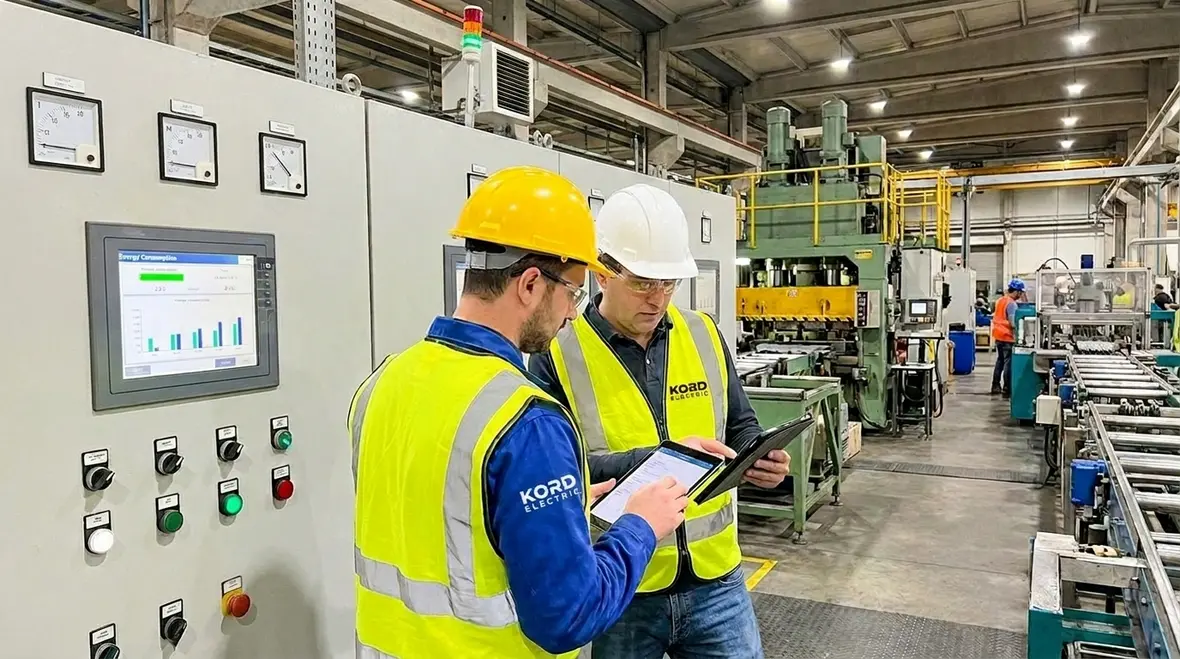
When a manufacturing facility uses manufacturing facility energy monitoring, the difference shows up in the day-to-day rhythm. Instead of waiting for monthly reports, teams track power as it happens. As a result, they can correlate production cycles, motor loads, HVAC changes, and process events with electrical behavior.
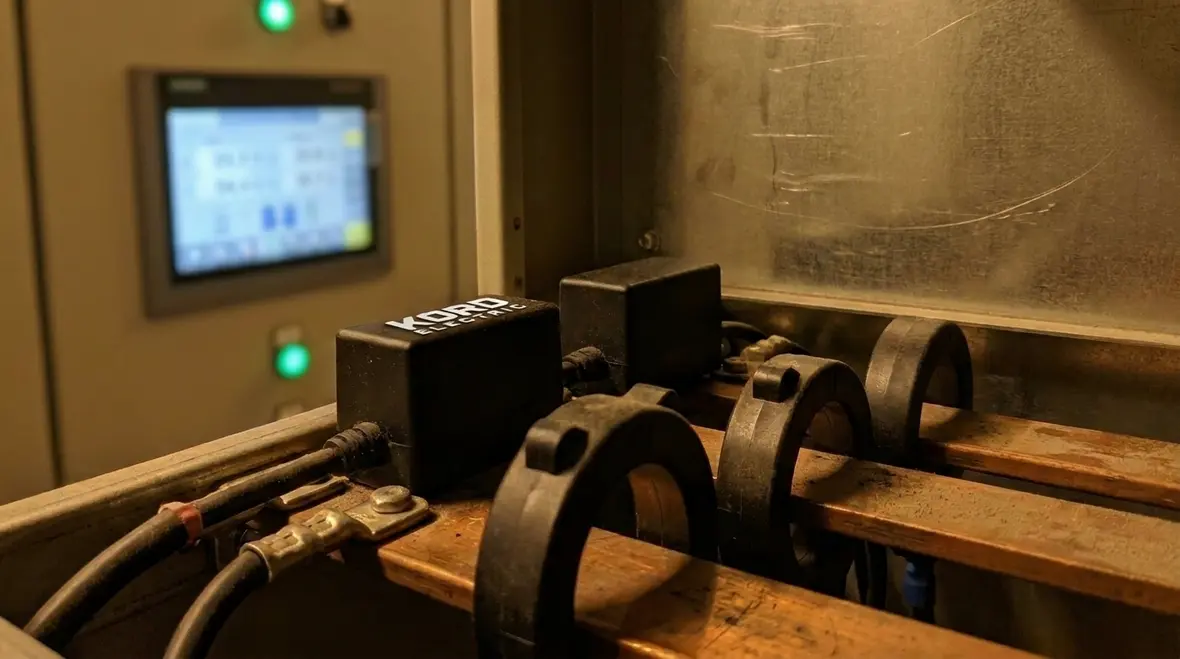
Moreover, this monitoring does not just collect numbers. It helps reveal patterns that hide in the background. For instance, a feeder may look stable during normal operation, but a small shift in power factor over weeks can signal insulation aging or a control problem in the drive system. Then, if the facility adds a new line, the monitoring makes the “before and after” visible. That visibility reduces guesswork and supports planning that feels less like gambling.
Of course, no system fixes problems by magic. Still, the right real-time data helps maintenance teams respond with confidence, which is the key to avoiding expensive shutdowns.
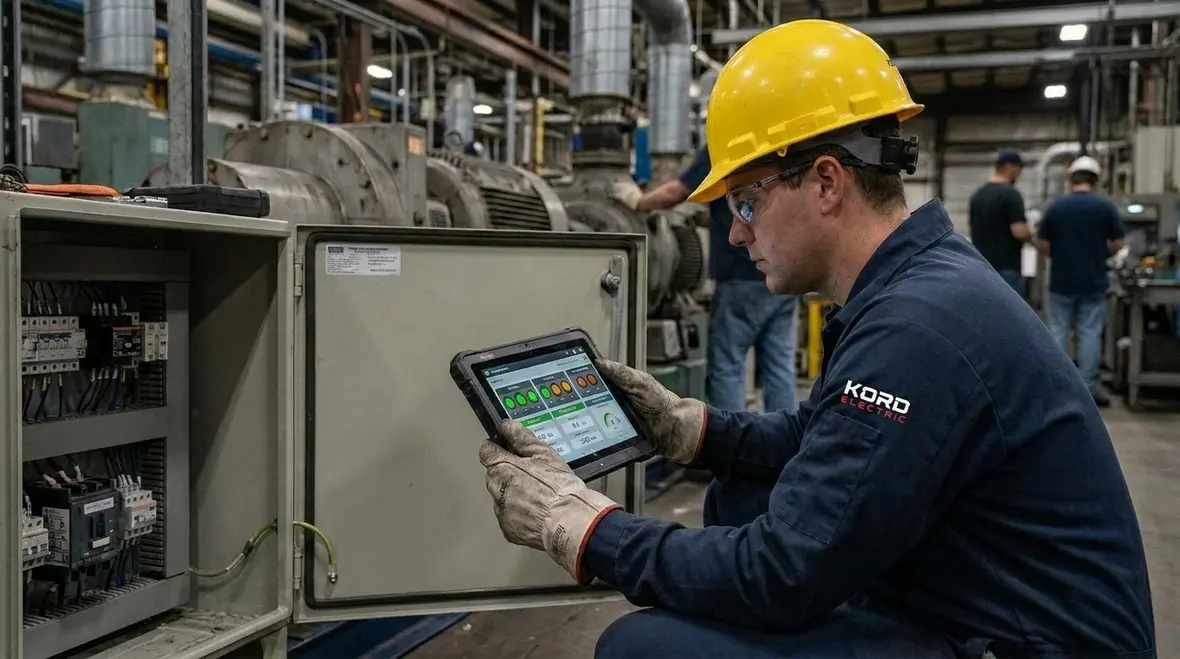
Power quality and load behavior: the data operators actually need
In most industrial facilities, the electrical picture includes more than energy use. Power quality and load behavior often decide whether equipment runs smoothly or suffers from stress.
Real-time monitoring can track values such as voltage stability, harmonic distortion, current unbalance, and power factor. Then, it can show when these signals rise during certain shifts or production modes. As production schedules change, the data stays consistent, which helps engineers compare scenarios without relying on memory.
Here is where we see our expert service staff make a difference. They do not just hand over dashboards. They sit with facility teams, explain what each indicator means in plain terms, and connect it to equipment like transformers, switchgear, motors, VFDs, and UPS systems where applicable. In other words, we turn the “numbers that look scary” into practical actions. If someone asks, “Is this normal?” our technicians typically answer with data, not vibes.
We also help teams set thresholds based on their actual baseline. That way the monitoring system alerts the right people for the right reasons, instead of sending constant notifications that train staff to ignore alarms. That is the real trick, and it is not glamorous. But it works.
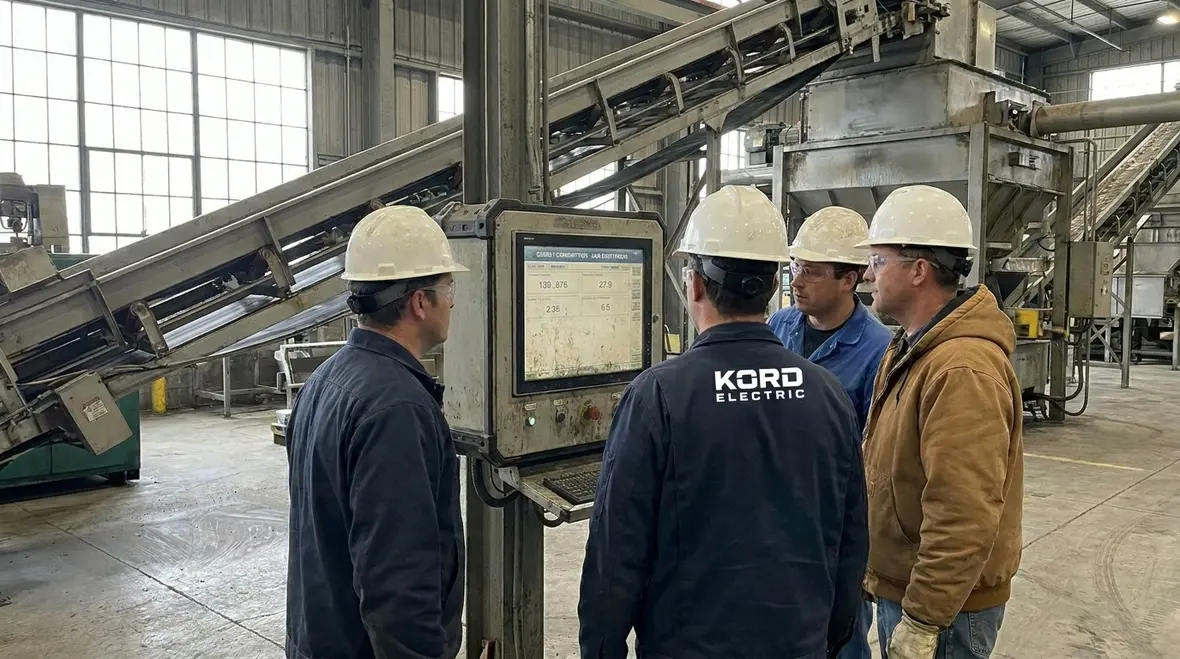
From sensors to dashboards: how we build reliable visibility
Real-time monitoring only stays useful when the installation stays accurate and dependable. Therefore, our approach begins with proper electrical infrastructure design, clear labeling, and correct sensor placement at the right points in the distribution path.
Then we help clients map measurement points to operational needs. For example, a facility may need visibility at main incomers, at key feeders for production areas, and at selected panels that serve critical loads. Additionally, we include the right data pathways so the system can communicate securely and consistently.
In this same way of thinking, our team draws on the discipline we describe for data center electrical infrastructure essentials. That mindset matters: a facility must know what it has, where it is, and how it performs under load. Similarly, the monitoring system should reflect the actual electrical one-line diagram and the real operating workflow.
After installation, we guide staff through the dashboards and reporting structure. We explain which views matter for operations, which matter for engineering, and which matter for maintenance. As a result, stakeholders stop asking, “Where do we find that?” and start using the data the same day.
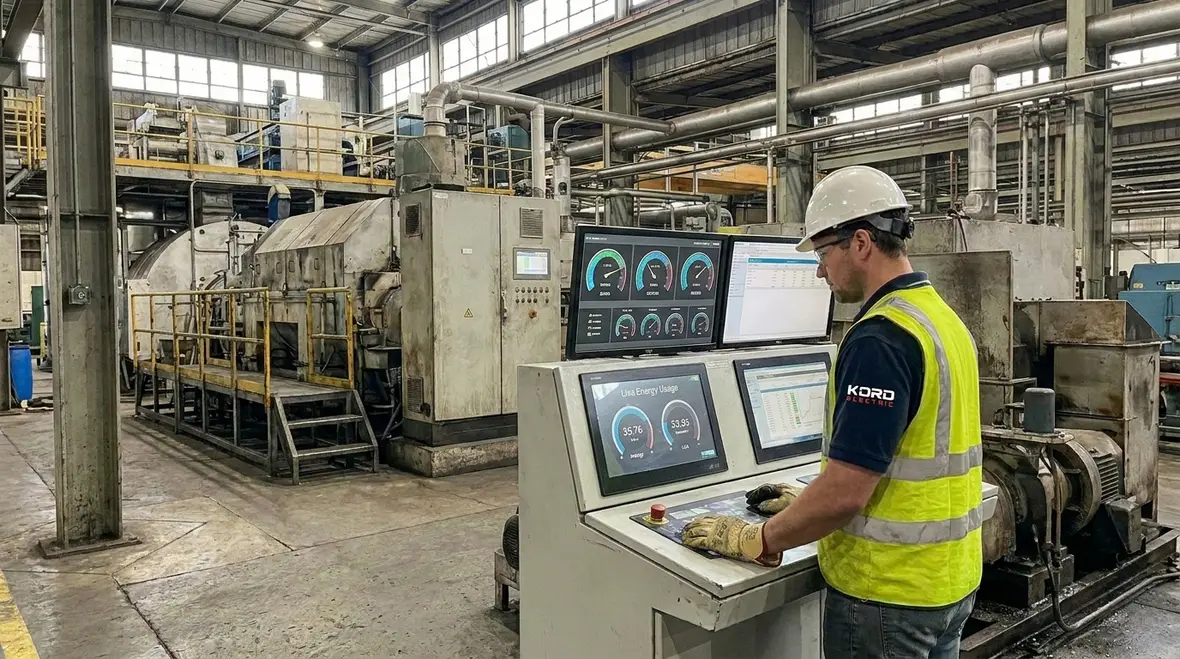
Making energy monitoring actionable: reducing cost without slowing production
Many teams buy monitoring and then let it sit. That is like getting a thermostat and refusing to touch it. We encourage our customers to treat monitoring as a decision tool, not a decoration.
First, teams use manufacturing facility energy monitoring to identify high energy windows and recurring load spikes. Then they compare those events with production schedules. If a spike lands during non-production hours, a team can find the responsible systems, such as compressed air leaks, idle HVAC operation, or process equipment left running too long.
Next, monitoring helps optimize control strategies. For instance, if power factor consistently drops during certain shift changes, engineering can investigate reactive compensation, tuning of drives, or process sequencing. Moreover, by tracking demand peaks, teams can adjust operating schedules to reduce demand charges without disrupting output.
Finally, we support root-cause thinking. Our technicians explain correlations carefully and help teams avoid chasing the loudest metric. As a result, efforts focus on the most influential electrical drivers. That disciplined approach protects both energy budgets and production reliability.
What about reliability and safety in industrial power systems?
Industrial environments demand reliability. A monitoring system must support safety and not add confusion during troubleshooting. For that reason, we emphasize clean integration practices.
We coordinate with facility electricians and controls teams so instrumentation stays aligned with the distribution design. Additionally, we recommend clear labeling, documentation, and alarm routing that supports existing safety procedures. When something changes in the electrical system, staff should know where to look and who owns the next step.
We also help clients plan how to respond to alerts. Instead of “just investigate,” we establish response paths such as who checks motor loads, who reviews transformer loading, and who inspects for harmonic issues. Then, we confirm that the monitoring insights match what staff finds on the floor. That feedback loop builds trust quickly.
And yes, we sometimes hear a manager say, “If it alerts again, we will turn it off.” We understand the frustration. However, we explain that a well tuned system reduces false alarms and improves reliability. Turning it off might feel like peace, but it usually costs more later, like ignoring a check engine light and then being shocked when the engine becomes a dramatic character.
How our expert service staff helps teams adopt monitoring fast
Technology adoption succeeds when people understand it. Our expert service staff does not treat training as an afterthought.
We start by understanding how the manufacturing facility schedules shifts, handles maintenance, and prioritizes downtime risk. Then we show teams where the monitoring supports their daily workflow: shift handoffs, planned maintenance, troubleshooting, and engineering review meetings.
After that, we provide practical guidance. We explain common patterns, such as load ramps, recurring power quality events, and demand spikes. We also show how to build reports that leadership can read quickly without drowning in data.
Finally, we help teams improve over time. As processes change or new equipment comes online, monitoring should reflect the updated reality. Therefore, we support adjustments to measurement points, thresholds, and documentation. That ongoing care keeps the monitoring effective, not stale.
In short, we help organizations build a monitoring culture that sticks.
FAQ: real-time energy monitoring for manufacturing facilities
How Kord Electric supports your next monitoring project
If your team wants clarity, fewer surprises, and better control over electrical performance, Kord Electric can help. We design monitoring for commercial and industrial manufacturing environments, integrate measurements thoughtfully, and walk your staff through the data so it becomes actionable. Then we support adoption with hands-on guidance from our expert service staff, because dashboards alone do not fix problems.
When you are ready to move from curiosity to implementation, our team can also connect real-time manufacturing facility energy monitoring with broader electrical strategies such as load management, power quality improvements, and infrastructure upgrades that support long-term reliability. Near the end of many projects, clients choose to pair monitoring with targeted electrical improvements so the data can guide both daily decisions and future capital planning.
Schedule a conversation with us today, and let’s make your facility’s electrical story as calm and clear as it should be. To explore how we think about the electrical backbone in other critical environments, you can also review our article on data center electrical infrastructure essentials, which pairs well with a monitoring-first approach in manufacturing.
For more detail on how we approach complex electrical projects, including those that rely on strict uptime, you can also explore our broader service perspective through data center-focused resources on the Kord Electric blog. The same mindset that keeps servers online can help keep your production lines running smoothly and safely.