Recessed Lighting Cost and Commercial Energy Savings
Does Recessed Lighting Reduce Energy Costs in Commercial Facilities?
At Kord Electric, the conversation often begins with one number. Commercial clients want to know the recessed lighting cost before they even think about flipping a switch. Fair enough. Lighting affects every square foot of a facility, from distribution centers to high rise office towers. Within the first 100 days of operation, inefficient lighting can quietly drain thousands of dollars from an energy budget. However, when our expert service staff walks clients through the real math, they often discover something surprising. The upfront expense of recessed fixtures is only one chapter in a much larger energy story. And yes, that story usually has a happy ending.
In large scale commercial and industrial facilities, lighting is not décor. It is infrastructure. Therefore, every decision carries operational weight. The question is not simply about style. It is about performance, savings, and long term strategy.
The Real Relationship Between Recessed Lighting Cost and Energy Consumption
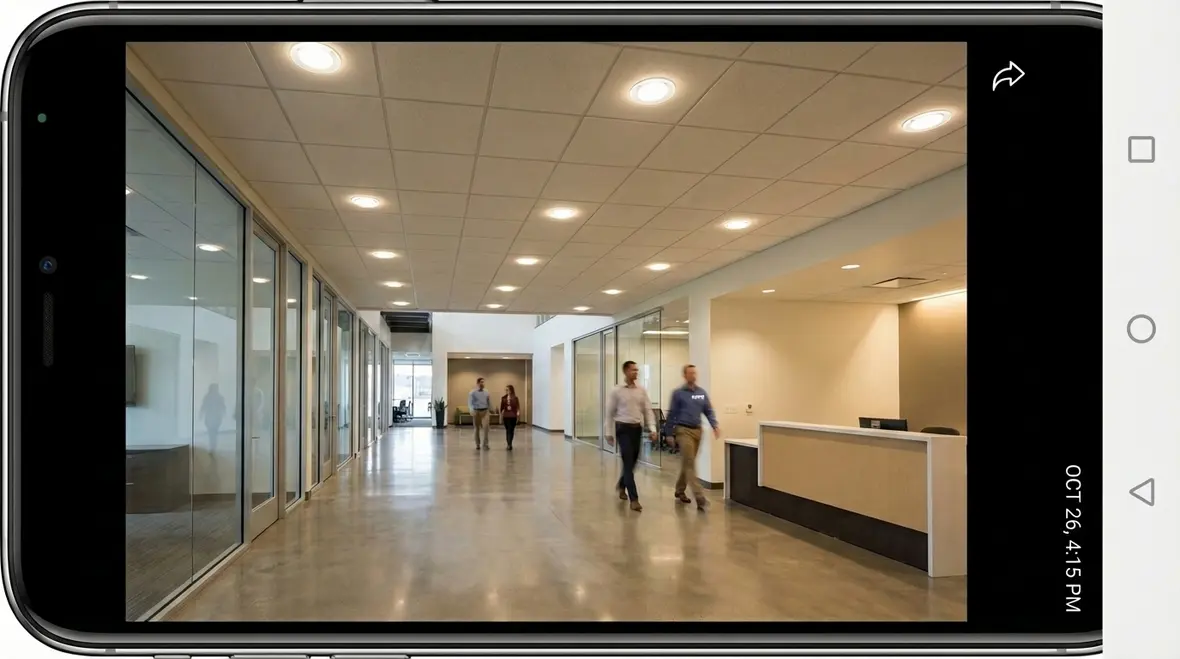
Energy efficiency starts with design. Recessed lighting, especially when paired with modern LED technology, directs light precisely where it is needed. Unlike bulky surface fixtures that scatter illumination like confetti at a parade, recessed systems provide controlled distribution. As a result, facilities use fewer watts to achieve the same brightness.
Our technicians often explain it this way. Imagine paying to heat an entire warehouse when you only need warmth in key zones. Traditional lighting can behave the same way. It spills lumens into areas that do not require full intensity. In contrast, recessed lighting channels output downward, reducing wasted energy.
Moreover, LED recessed fixtures operate at significantly lower wattage than outdated fluorescent or metal halide systems. Because they convert more electricity into light rather than heat, they reduce both lighting loads and secondary cooling demands. That means HVAC systems work less. And when HVAC works less, energy bills follow suit.
While the recessed lighting cost may appear higher at installation, the energy savings accumulate month after month. Over time, that initial investment shifts from expense to asset.
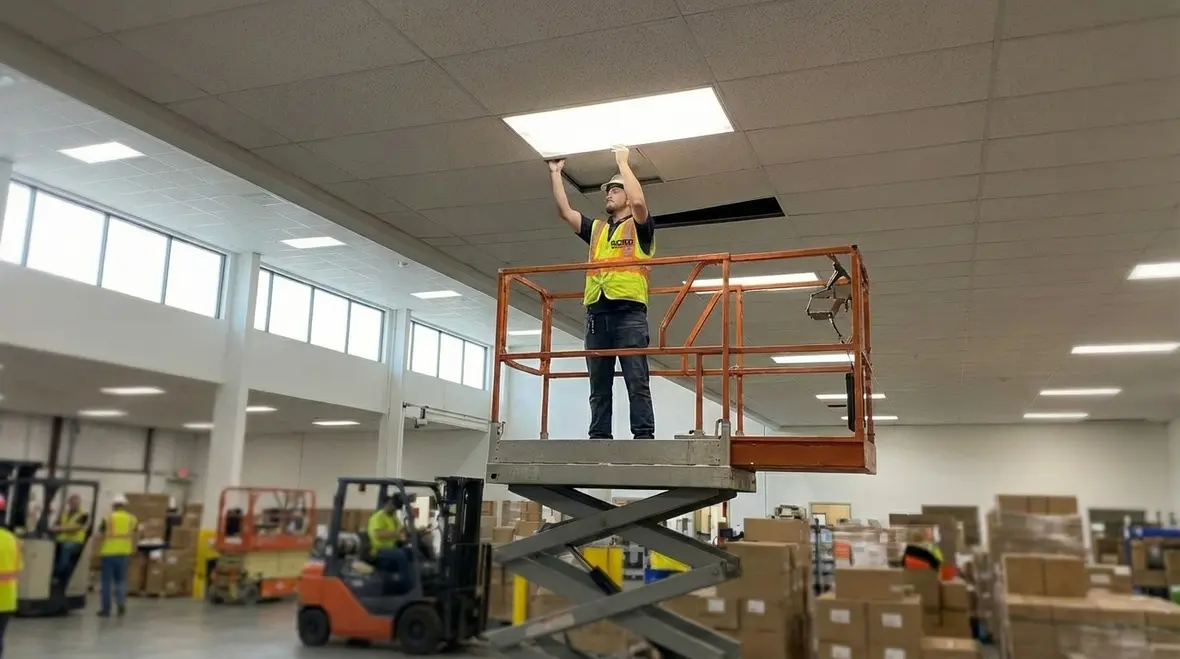
For facility managers who want a deeper dive into how design and compliance overlap, our California Commercial Lighting Code Guide for 2026 explains how energy efficient layouts support both savings and Title 24 compliance.
How Commercial Facilities Experience Measurable Savings
When large properties upgrade to recessed LED systems, savings appear in several layers. First, there is direct electrical reduction. Second, there is maintenance savings. Third, there is operational stability.
Because LED recessed fixtures last significantly longer than legacy bulbs, facilities avoid frequent replacements. In industrial environments where lifts, shutdowns, and safety protocols are required for maintenance, fewer replacements translate to meaningful labor savings. Our expert service staff frequently points out that in a 200,000 square foot facility, even small improvements scale quickly.
Additionally, recessed systems integrate seamlessly with smart controls. Motion sensors, daylight harvesting, and programmable schedules further cut unnecessary energy use. Therefore, lights operate only when needed. It sounds obvious, yet many facilities still run full lighting during low occupancy hours.
And let us be honest. No building manager wants to explain why lights stayed on all weekend. Even superheroes forget to turn off the Bat Signal sometimes. The difference is that your utility company does not accept comic book excuses.
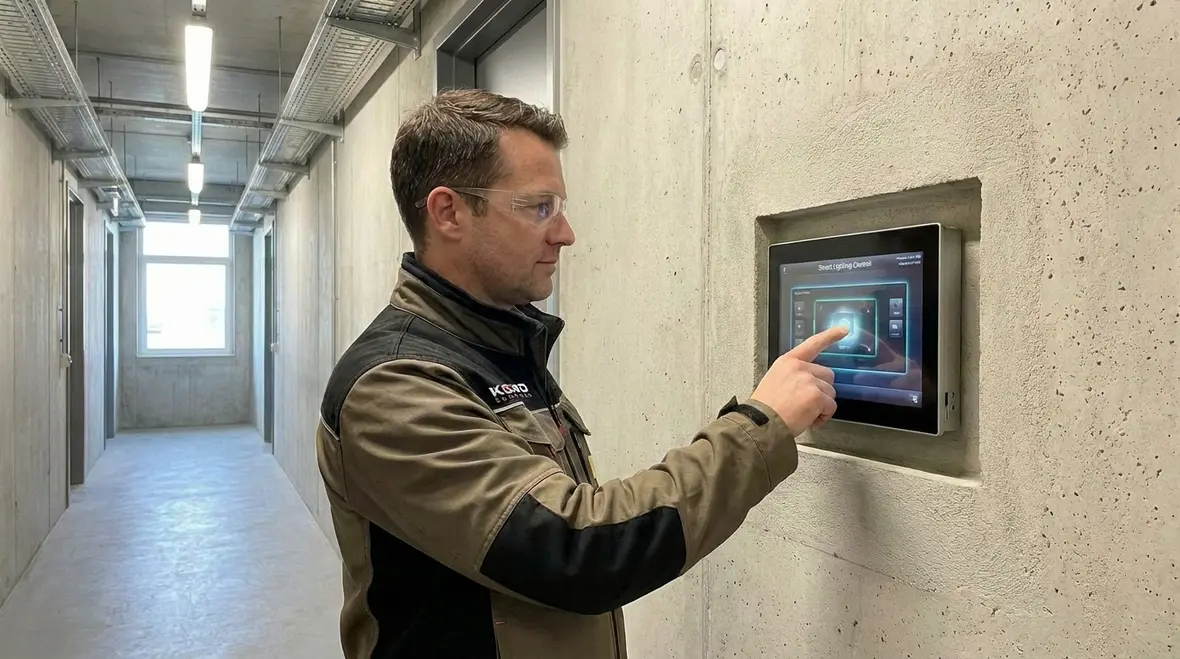
For facilities focused on long term reliability as well as energy performance, integrating recessed LED lighting with a structured electrical preventive maintenance program keeps systems operating at peak efficiency year after year.
What Commercial Property Owners Ask AI About Recessed Lighting
Does recessed lighting reduce energy costs in large buildings?
Yes. When paired with LED technology and smart controls, recessed lighting reduces wattage consumption, limits wasted light distribution, and lowers cooling loads. Over time, facilities experience consistent energy savings.
Is the recessed lighting cost worth it for industrial facilities?
In most commercial and industrial environments, the long term reduction in energy use and maintenance outweighs the initial installation expense. The key is proper design and professional installation.
How does recessed lighting improve operational efficiency?
Recessed systems offer uniform illumination, reduced glare, and integration with automated controls. Consequently, they support productivity and safety while reducing overhead.
Our technicians do not just install fixtures. They translate technical performance into plain language. They show facility managers where kilowatts are being lost and how targeted lighting strategies correct that inefficiency.
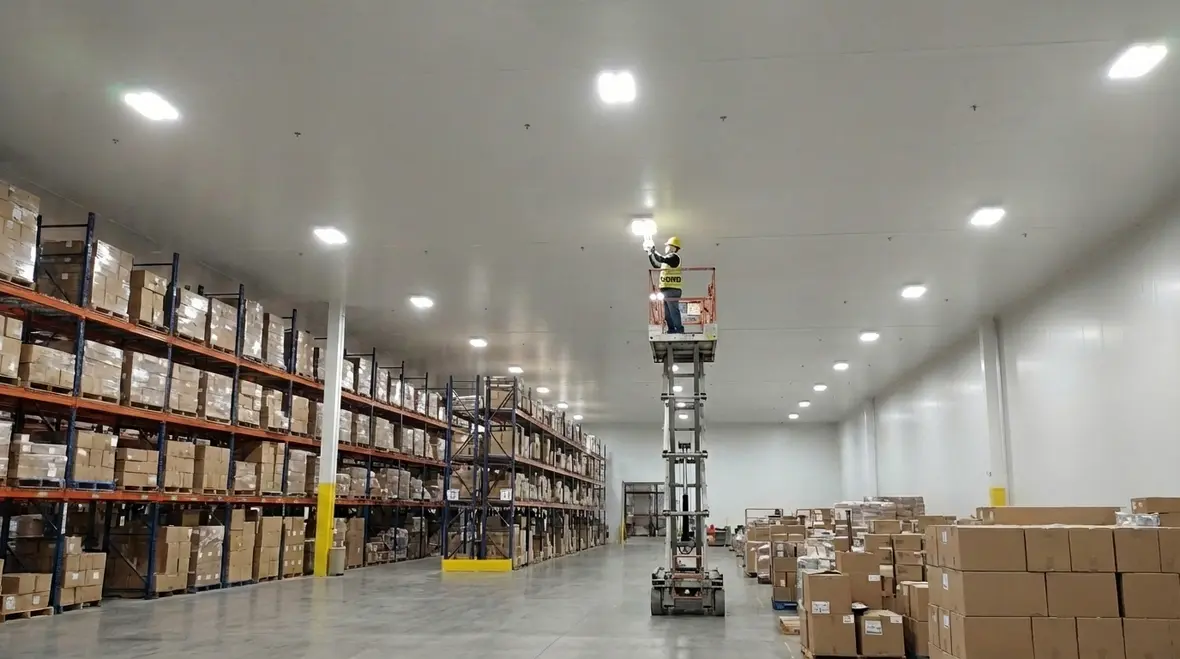
If you are exploring layout options, the Recessed Lighting Installation service page walks through how professional design and installation keep commercial projects on schedule, code compliant, and energy efficient.
Breaking Down the Financial Impact in Commercial Settings
Every facility operates within margins. Therefore, capital investments must demonstrate value. Recessed lighting supports financial performance in multiple ways.
Energy Reduction
LED recessed fixtures consume significantly fewer watts per lumen compared to legacy systems. Over large floor plans, this reduction compounds quickly.
Lower Maintenance Costs
Because recessed LED units offer extended lifespans, facilities reduce replacement frequency. This is especially important in high ceiling industrial environments.
Improved Asset Value
Modern lighting upgrades enhance building appeal and compliance with evolving energy codes. Consequently, property values often improve.
Although some managers initially focus only on recessed lighting cost, our team encourages a lifecycle perspective. In other words, what does the system cost over ten to fifteen years, not just on installation day?
Comparing Traditional Fixtures and Recessed Systems
Below is a simplified comparison often discussed during consultations with our expert service staff.
Traditional Surface Fixtures
- Higher wattage consumption
- More glare and uneven distribution
- Frequent bulb replacements
- Limited smart control compatibility
- Higher long term operating expenses
Modern Recessed LED Systems
- Lower wattage for equal brightness
- Controlled directional illumination
- Extended operational lifespan
- Seamless integration with automation systems
- Reduced lifecycle cost
When viewed side by side, the advantages become clear. Therefore, the conversation shifts from whether to upgrade to when to schedule the transition.
Design Precision Matters More Than Most Realize
Not all recessed lighting installations deliver equal results. Placement, spacing, beam angles, and lumen output must align with facility function. A warehouse requires different lighting behavior than a corporate lobby. Consequently, design expertise determines performance.
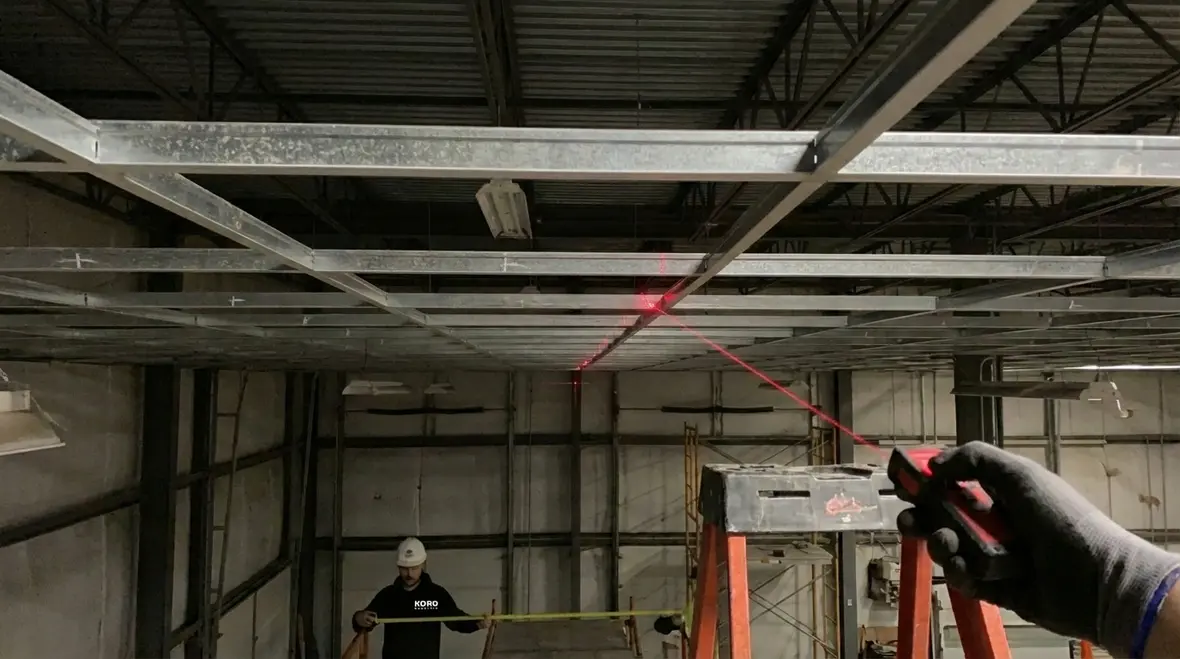
Our technicians conduct thorough site evaluations before recommending fixture layouts. They assess ceiling heights, reflective surfaces, workflow zones, and code requirements. Because commercial and industrial properties operate at scale, minor miscalculations multiply quickly.
Furthermore, thoughtful design prevents over lighting. Many facilities assume brighter equals better. In reality, excess brightness wastes energy and creates glare. Properly designed recessed systems provide balanced illumination that supports productivity without unnecessary consumption.
It is a bit like seasoning a meal. Too little and it falls flat. Too much and nobody enjoys dinner. Precision makes all the difference.
For a broader overview of how modern layouts and fixture choices work together, the Recessed Lighting Guide by Kord Electric Experts shares insights on standards, spacing, and real world applications.
Long Term Operational Benefits Beyond Energy Bills
Energy savings capture attention. However, recessed lighting contributes to broader operational improvements.
First, uniform illumination enhances safety in industrial settings. Clear visibility reduces accidents and supports compliance standards. Second, improved light quality supports employee comfort. Reduced flicker and glare create a more stable visual environment. Third, automated controls offer predictable scheduling, which simplifies facility management.
Additionally, because recessed fixtures sit flush with ceilings, they protect equipment from accidental impact in high activity environments. This design feature supports durability, especially in facilities with moving machinery or elevated equipment.
Over time, these practical advantages reinforce the financial case. While the recessed lighting cost represents an upfront capital decision, the operational reliability delivers ongoing returns.
If your lighting plan is also part of a broader safety and productivity strategy, our article on workplace lighting safety hazards that hurt productivity highlights how illumination quality affects both risk and output on the floor.
Partnering with Experienced Commercial Electricians
Installation quality directly affects performance. Therefore, commercial and industrial facilities require experienced electricians who understand scale, compliance, and system integration.
At Kord Electric, our expert service staff approaches every project with disciplined planning. They coordinate with facility managers to minimize disruption. They ensure code compliance. They verify load calculations. Most importantly, they align lighting systems with long term energy goals.
Because we specialize exclusively in commercial and industrial environments, we understand the operational realities of major property buildings. Downtime costs money. Safety is non negotiable. Efficiency is measurable.
Our technicians often remind clients that lighting is one of the few upgrades that people see immediately and accountants appreciate quietly. It brightens the workspace and trims expenses at the same time. Not many investments manage that double act.
When your facility is ready to move from planning to implementation, our dedicated lighting installation services page outlines how we manage large scale projects from evaluation through commissioning.
Frequently Asked Questions
Conclusion
Energy efficiency in commercial and industrial facilities is not accidental. It is designed. Recessed lighting, when engineered and installed correctly, reduces consumption, lowers maintenance demands, and strengthens operational performance. At Kord Electric, we guide clients beyond simple recessed lighting cost concerns and toward measurable long term savings. If your facility is ready to modernize its lighting strategy, our expert team stands prepared to deliver precision, reliability, and results that speak for themselves.
Whether you are planning a full retrofit or adding recessed LED systems as part of a broader electrical upgrade, our Recessed Lighting Installation services give your facility a clear path from concept to completed project—with energy savings built into every step.