Scheduled Electrical Testing for Commercial Compliance
At Kord Electric, we see too many commercial and industrial facilities treat electrical work like a fire extinguisher: you only notice it when something is already burning. That is why we support scheduled electrical testing for commercial compliance as part of a calm, planned maintenance strategy. When our clients build a testing rhythm, they reduce surprises, protect equipment, and support the requirements others will eventually ask for. And yes, while we can help after problems show up, we prefer to help before the lights start acting like a haunted house.
What proactive testing prevents in commercial and industrial buildings
In our experience, the biggest risk in a facility is not the switch you can see. Instead, it is the wear you cannot. Over time, connections loosen, insulation ages, moisture finds a path, and protective devices drift from their intended settings. Consequently, faults grow quietly, and then they fail loudly.
When a facility uses a scheduled electrical testing for commercial compliance program, our team helps catch early warning signs. For example, insulation resistance results can show hidden deterioration long before a breakdown. Likewise, inspection of grounding and bonding supports stable performance during fault conditions. And when we review protective device performance, we help ensure the system reacts the way it should, even under stress.
We often explain this in plain language to facility managers. Our technicians do not bury the findings in a pile of jargon. Instead, they walk others through what the readings mean and what actions the building should take next. That way, decision makers can plan budgets with less guesswork, and the electrical system stays closer to “designed” than “hope-and-pray.”
Repairs are reactive, testing is how we stay ahead
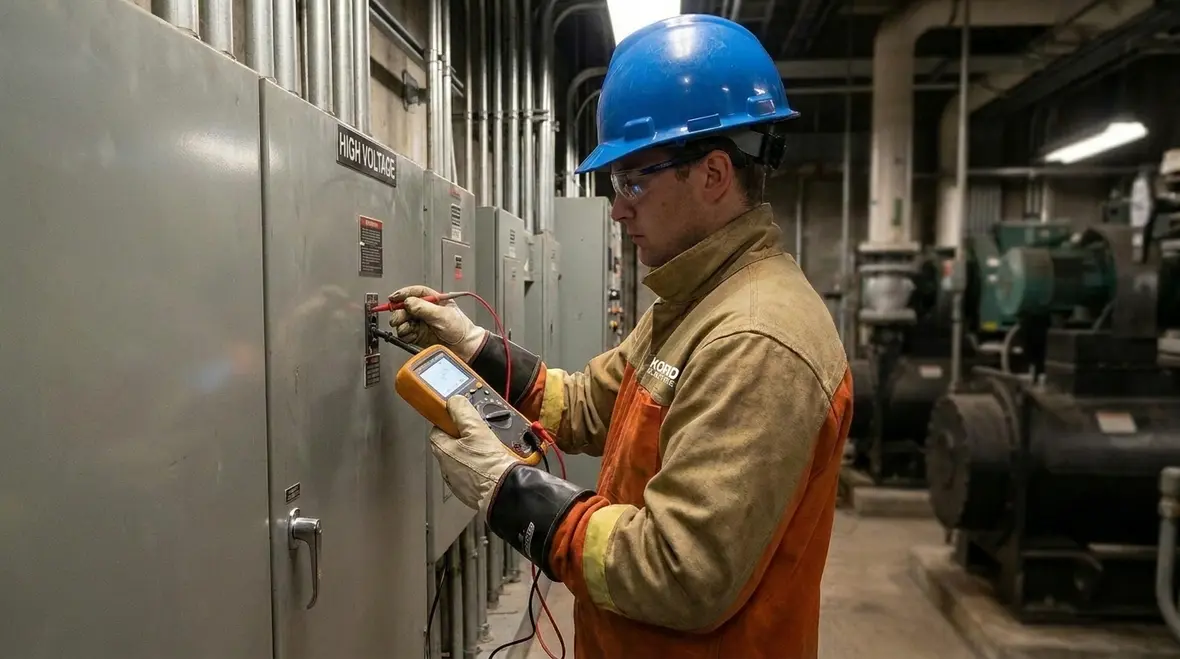
Repairs fix what is already broken. Testing, however, is how we find the part that is likely to break next. In a commercial setting, that difference matters. A short outage can cost more than a full maintenance run, and equipment downtime rarely stays “short.” Moreover, an unscheduled failure can trigger cascading issues, from damaged motors to damaged data systems that never had a chance.
Our expert service staff helps facilities shift from a “patch it when it hurts” approach to an organized prevention plan. We schedule electrical testing so the building keeps a reliable baseline. After that, we compare results over time. Therefore, the facility does not just collect numbers. It builds a history of how the electrical system behaves under real conditions.
To keep the process simple, we help clients understand the difference between maintenance and assurance. Maintenance keeps things running. Assurance proves the system still meets expectations, and that is exactly what many compliance frameworks expect in practice.

How testing supports compliance and reduces audit headaches
Compliance is not just a document. It is a process that shows the facility checks risks at the right intervals and with the right methods. When we perform proactive checks, we give our clients clearer records and traceable work. As a result, audits feel less like an ambush and more like a structured conversation.
In commercial and industrial facilities, auditors and insurers commonly look for evidence that protective systems and key electrical components are inspected and tested. We help cover the areas that matter most: distribution equipment, grounding systems, protective device performance, and insulation conditions. Additionally, we support clear reporting that shows what we tested, what we found, and what we recommend next.
Here is a practical truth. If a facility waits until something fails, it may still pass some checklists, but it usually pays more in downtime, expedited labor, and replacement parts. When we test on schedule, we help keep the facility’s narrative consistent: planned checks, documented results, and corrective actions when needed.
What our technicians look for during electrical testing
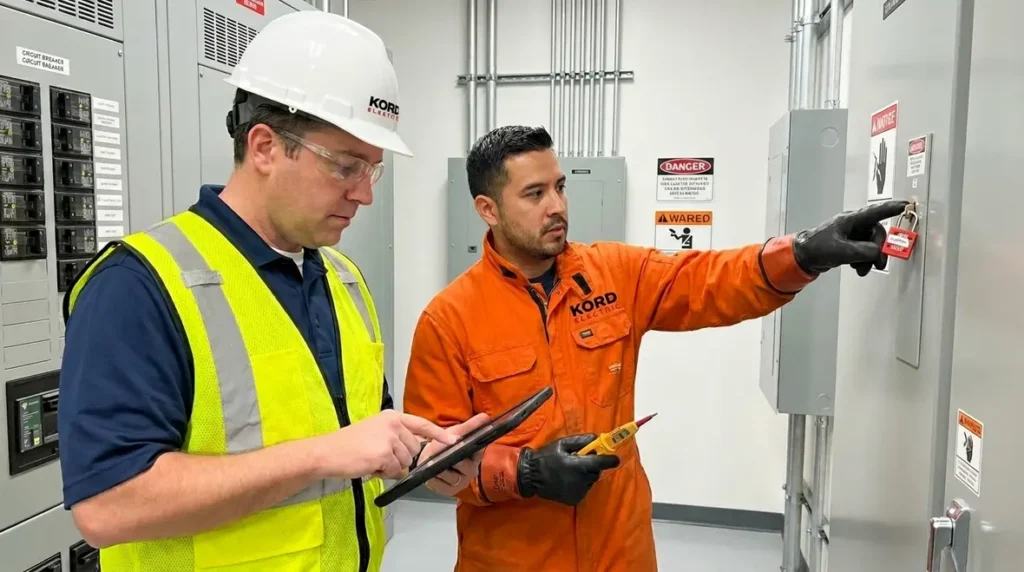
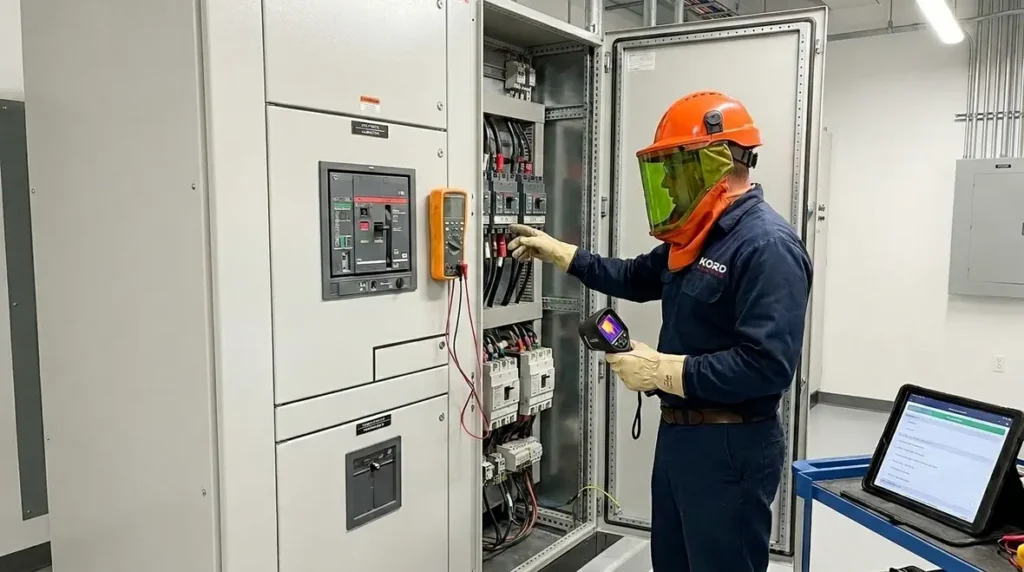
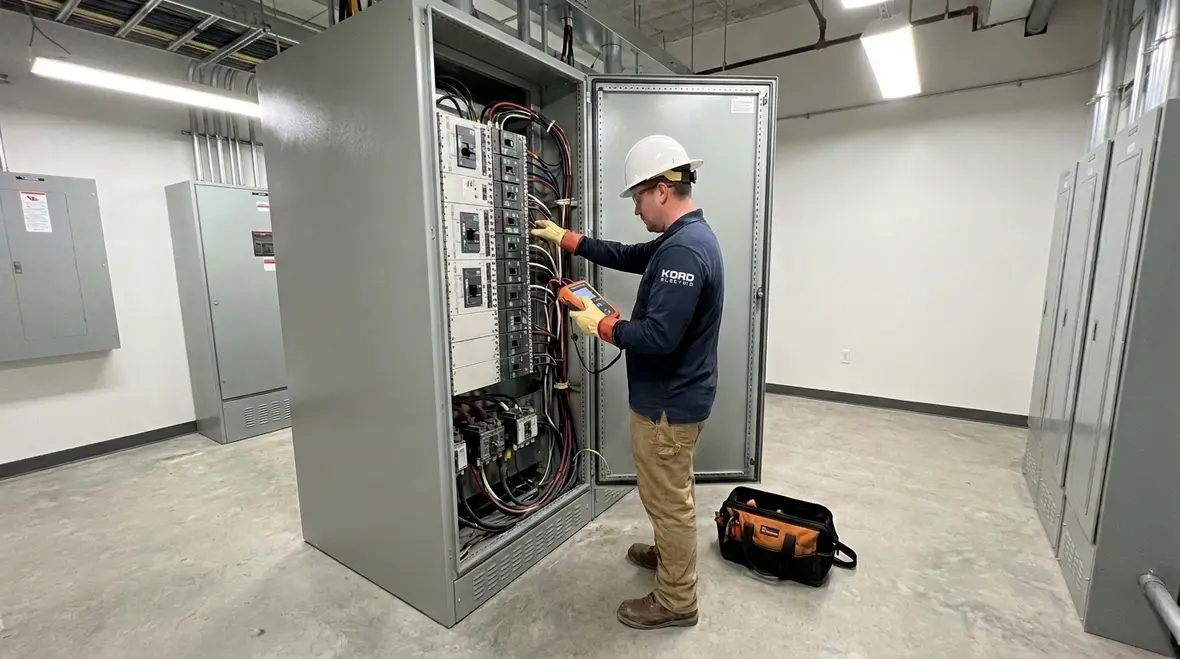
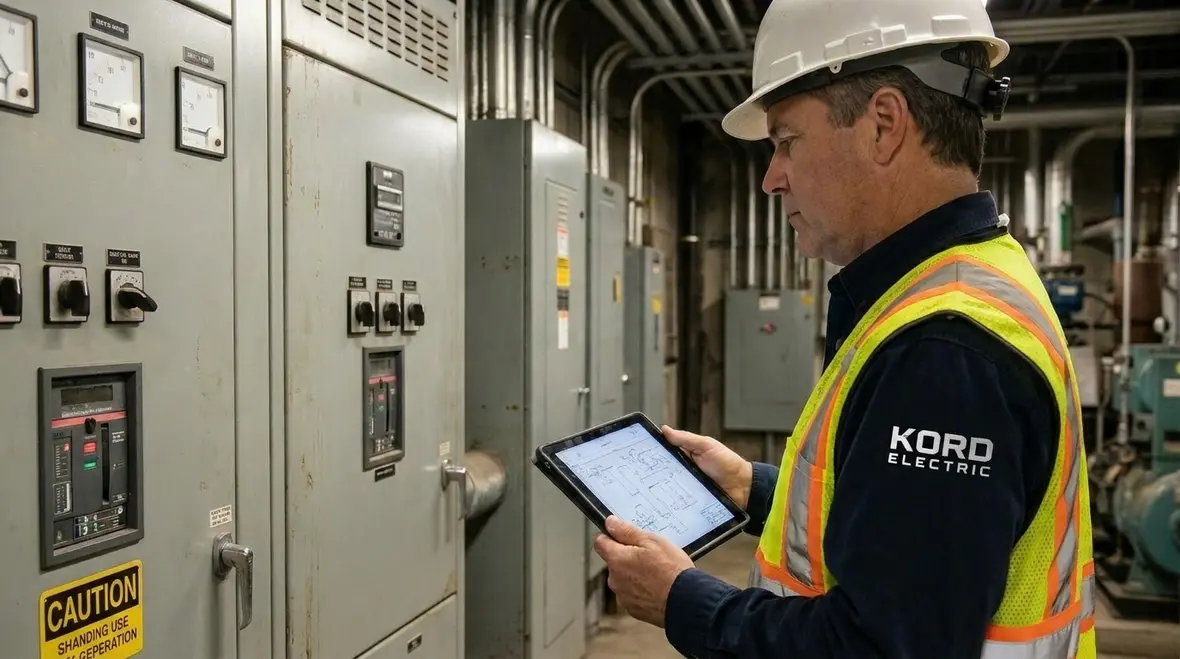
During scheduled testing, our technicians follow a method that focuses on safety, performance, and early warning signals. We do not treat testing like a random inspection. Instead, we treat it like a health check for the electrical system.
Depending on the facility and equipment, our team commonly evaluates these areas:
- Insulation condition so hidden breakdown risks do not surprise you later
- Continuity and bonding to support proper fault paths and stable grounding
- Grounding system performance to help protect people and equipment
- Protective device coordination so breakers and relays trip when they should, not when they feel like it
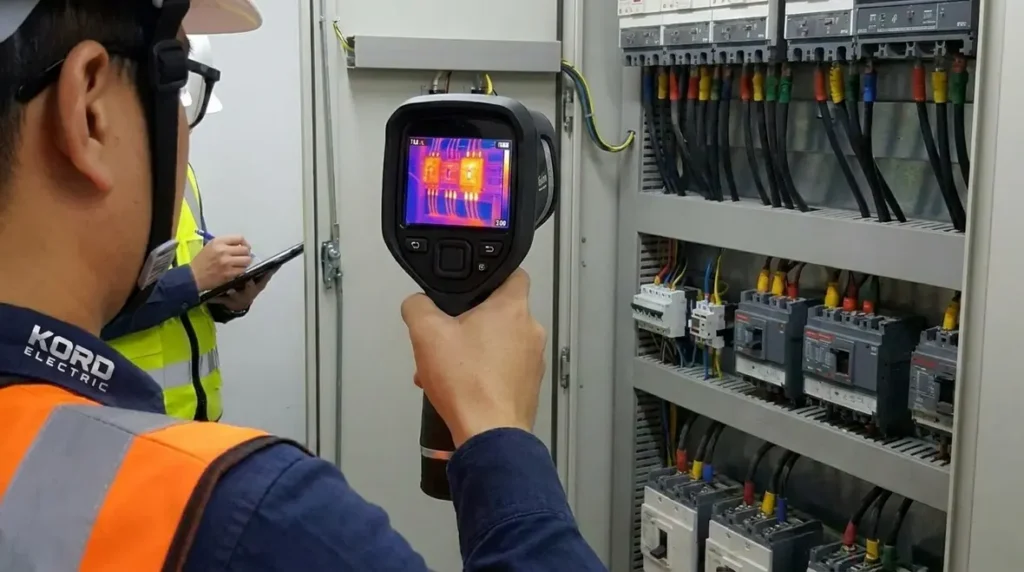
- Distribution components to identify heat, looseness, or deterioration trends
Then we explain the results in a way that others can use. Our expert service staff focuses on outcomes: what needs attention now, what can wait, and what trends to watch. And yes, we keep it calm. If your switchgear is telling jokes, it is usually not funny jokes.
Quick clarity snapshot
| Testing goal | What it helps the facility avoid |
| Identify insulation weakness | Unplanned equipment failures and costly shutdowns |
| Verify grounding and bonding | Safety risks and unreliable protection during faults |
| Check protective performance | Damage from faults that take the “long way” to clear |
Build the right testing rhythm for your facility
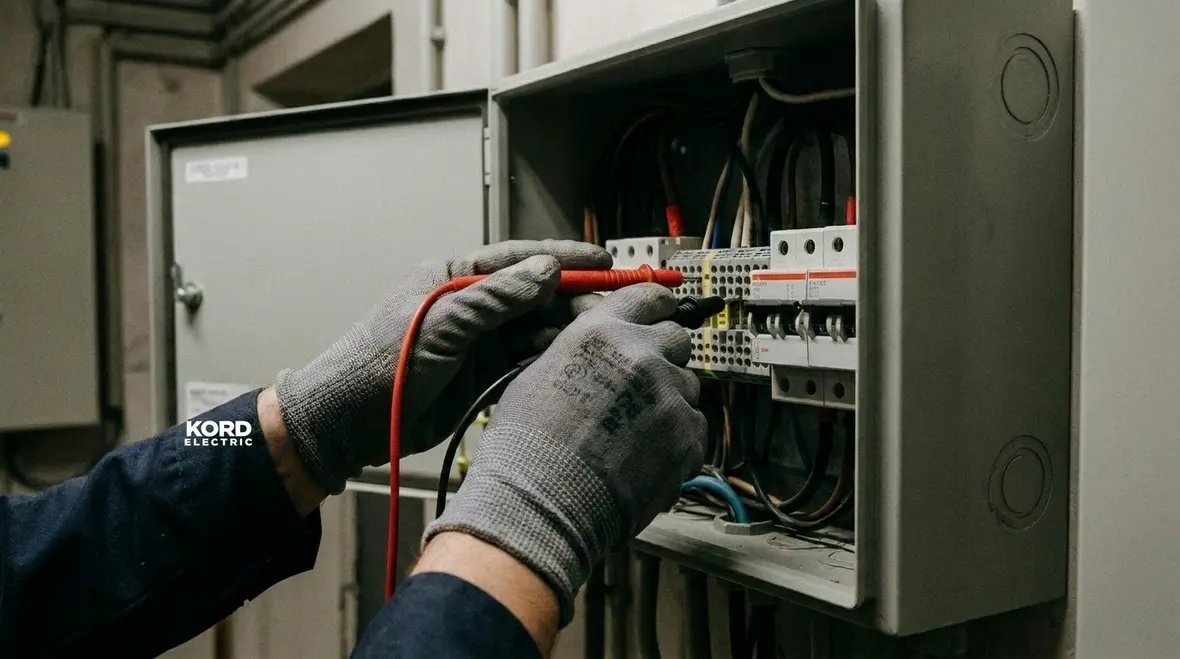
A testing schedule works only if it matches how the facility operates. That means we consider uptime needs, equipment types, historical performance, and environmental conditions. For example, a manufacturing area with vibration and dust faces different risks than an office tower with stable load patterns.
We help clients choose intervals that support commercial and industrial realities. Moreover, we coordinate testing with operating schedules so downtime stays controlled. If we need to work around production, we plan the work like professionals, not like people who just discovered the building exists last night.
Over time, the facility benefits from trend tracking. For instance, recurring issues in one feeder may point to a specific connection problem or thermal stress pattern. Consequently, we can target the root cause instead of repeatedly fixing symptoms.
Our goal stays consistent: support long term reliability and help clients make decisions based on data, not guesses. When you schedule testing thoughtfully, your facility stops treating electrical systems like mysteries and starts treating them like managed assets.
When to escalate from testing to corrective action
Testing does not end the job. It guides the next steps. At Kord Electric, we help clients understand when findings indicate a need for immediate corrective action and when they suggest a future plan. That distinction matters because it controls both risk and cost.
Generally, escalation becomes important when results show conditions that could lead to failure, unsafe operation, or equipment damage. For example, insulation readings that trend worse over time often require investigation. Likewise, grounding or bonding concerns deserve prompt attention because they connect directly to safety.
We also discuss practical repair planning. In a commercial or industrial facility, corrective work should align with operations. Therefore, our technicians coordinate recommendations with stakeholders to reduce disruption. We explain the options clearly, and we help prioritize actions based on risk and impact.
And if someone says, “Let’s just wait and see,” we will gently remind them that electricity does not follow human patience. It follows physics.
Connect testing with broader preventive maintenance
Scheduled electrical testing fits naturally into a broader preventive maintenance strategy. When facilities tie test results to ongoing inspections, cleaning, and component servicing, they unlock a much clearer picture of system health. Instead of reacting to isolated failures, the facility team can manage electrical assets with the same discipline they apply to other critical infrastructure.
That is why many commercial and industrial properties pair their scheduled electrical testing for commercial compliance with structured electrical preventive maintenance programs. Together, these efforts help reduce unplanned outages, extend equipment life, and keep documentation aligned with audit expectations.
If a test report shows a breaker running hot or a feeder trending the wrong way, preventive maintenance gives the team a practical way to respond. Infrared scans, torque checks, cleaning, or component replacement can be scheduled before that trend turns into a full-blown failure. The result is less drama, more uptime, and a system that behaves the way the one-line diagram always said it would.
Linking testing data to future upgrades
Over the life of a commercial or industrial building, loads change. New equipment arrives, production evolves, and tenants bring their own expectations. Scheduled testing gives owners and facility managers the data they need to plan upgrades instead of being forced into them by failures.
For example, if test results show recurring stress on certain feeders, persistent nuisance trips, or voltage issues under peak load, that information can feed into decisions about commercial electrical system rewiring or targeted distribution upgrades. The building does not have to guess whether an older panel or feeder is “probably fine.” It can point to measured performance and trend lines.
Likewise, when properties plan lighting upgrades, kitchen renovations, or new process equipment, historical testing data helps confirm that existing infrastructure can handle the change. If it cannot, the facility can factor electrical work into the project from the start instead of scrambling at the last minute when breakers protest the grand opening.
FAQ: scheduled testing for commercial compliance
Conclusion: let us help you test before trouble shows up
At Kord Electric, we help commercial and industrial facilities move beyond simple repairs and into proactive electrical testing. We schedule the work, document the results, and explain findings in a way that supports real decisions. When you test on a planned rhythm, you reduce unexpected downtime, protect equipment, and support compliance with confidence.
If you are ready to stop guessing and start managing risk, contact Kord Electric today. We will help design a testing plan that fits your operations and keeps the lights steady. Our team can also integrate your testing results with broader electrical preventive maintenance so your facility benefits from a complete reliability strategy rather than a collection of one-off fixes.
And if testing reveals that parts of your system are nearing the end of their useful life, we can connect those findings to practical upgrade options, from targeted panel work to full commercial electrical rewiring projects. That way, every decision about upgrades, budgeting, and compliance is grounded in measured performance, not guesswork.
To learn more about how our team supports complex facilities with everything from preventive maintenance to EV infrastructure and lighting upgrades, explore our electrical preventive maintenance service and related commercial electrical services, or reach out directly for a tailored compliance-focused testing plan.