Signs Your Commercial Building Needs Subpanel Expansion
Signs of electrical subpanel expansion needs in commercial and industrial buildings
In commercial offices, warehouses, retail centers, and major property buildings, electrical subpanel expansion needs rarely announce themselves with a dramatic lightning show. Instead, they show up as steady pressure on your system: tired breakers, nuisance trips, growing loads, and panel layouts that look like a plate of spaghetti left in the sun. Kord Electric sees this often because our customers keep building, adding, and upgrading. And yes, you can keep adding devices, but you cannot keep pretending the electrical system will magically scale forever.
Our expert service staff explains what they see in plain language, so your team understands the why, not just the what. Others may talk fast. We slow down, look at the facts, and help you plan before problems turn into downtime.
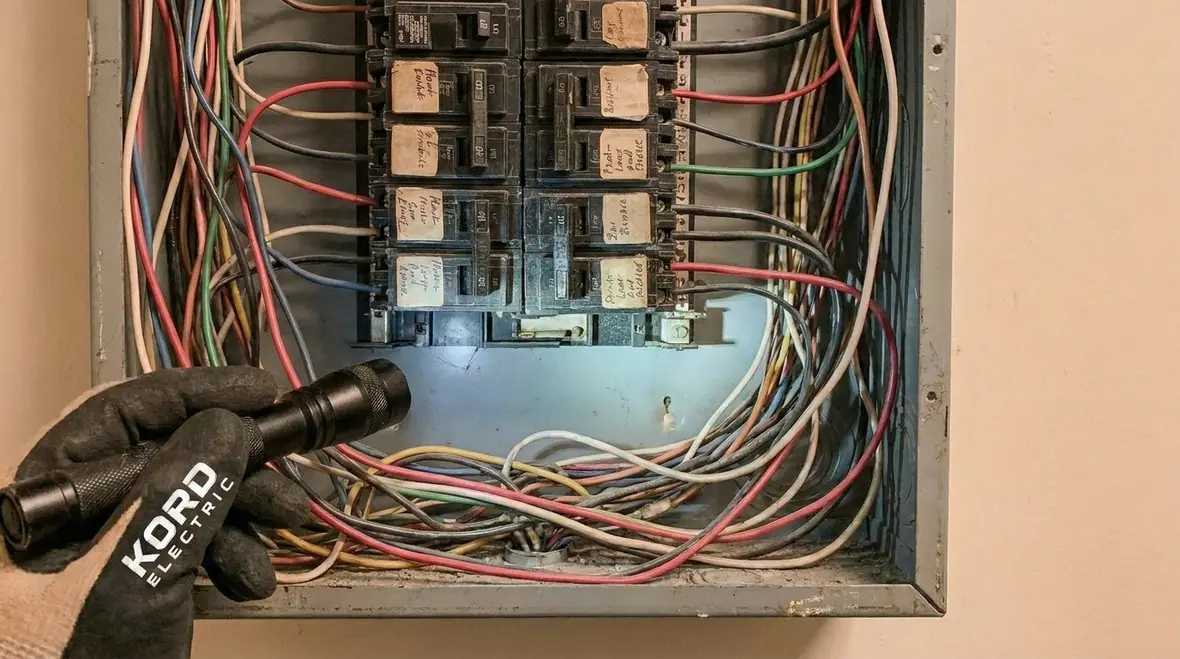
How a growing site creates real load pressure
When a commercial or industrial facility expands, the electrical load expands too. New HVAC units, additional lighting, EV charging, rooftop upgrades, server rooms, vending and kitchen improvements, and even security systems all pull power. Initially, the panel handles the demand. However, the moment you add enough circuits, the available capacity starts to tighten. Consequently, the system begins to operate closer to its limits.
Our technicians often trace the issue back to a slow timeline. A building gets “small upgrades” over months or years, and each one seems harmless on paper. Yet, when you add those steps together, your distribution setup starts to feel crowded. Then one day you notice warm panel spaces, frequent breaker resets, or a noticeable voltage dip during peak operations. That is not mystery. That is math. For some facilities, these symptoms appear right alongside other power quality issues like voltage fluctuations in commercial and industrial buildings, making it even more important to review panel capacity and distribution paths together.
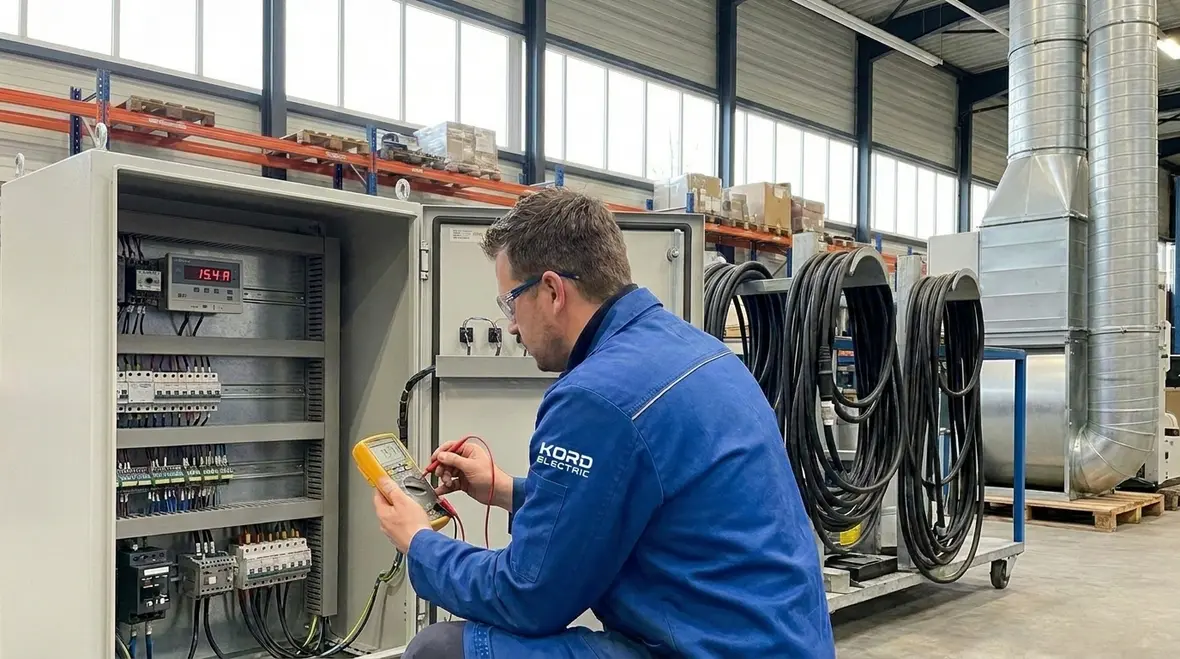
Capacity shortfalls you can spot during normal operations
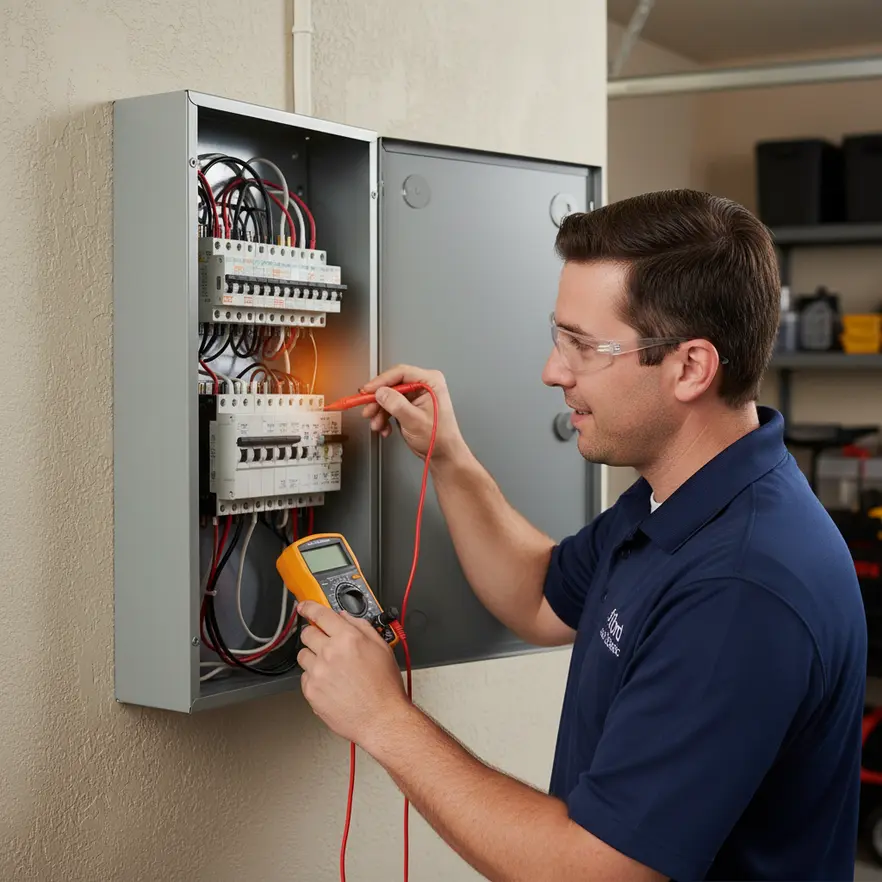
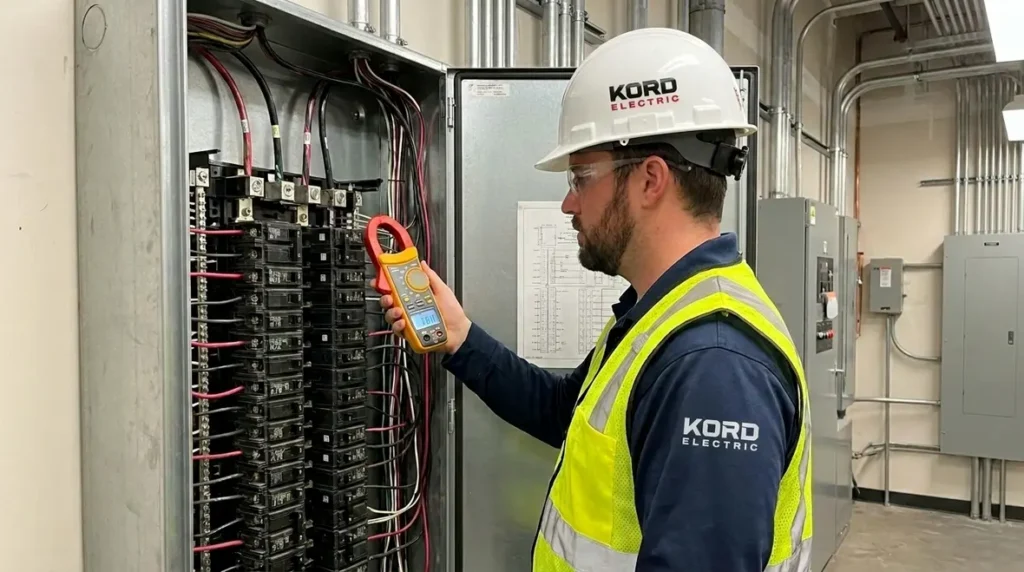
You do not need a lab to notice a capacity problem. You only need to pay attention. Start with signs in the panel room. If bus bars look overheated, terminals show discoloration, or the cabinet feels hotter than it should, that tells a story. Also, check whether breakers trip more often than they used to, especially under predictable loads like startup of compressors or lighting schedules. In the same way that a smartphone battery drains faster with heavy use, a tight electrical setup shows stress during high demand.
Next, look at the load management pattern. If your building schedules equipment at the same time every day, your peak demand spikes. As a result, your panels work harder and your upstream devices feel it too. Some facilities try to “work around” the symptoms by reducing usage. However, that usually delays the inevitable and can disrupt operations. The better approach is to identify the expansion needs early and address them with proper planning.
And for the record, breaker trips are not your system being moody. They are your system saying, “I have limits, and I will enforce them.” When those warnings start to stack up, pairing subpanel planning with structured electrical preventive maintenance can help you separate everyday wear from true capacity shortfalls before production or tenants feel the impact.
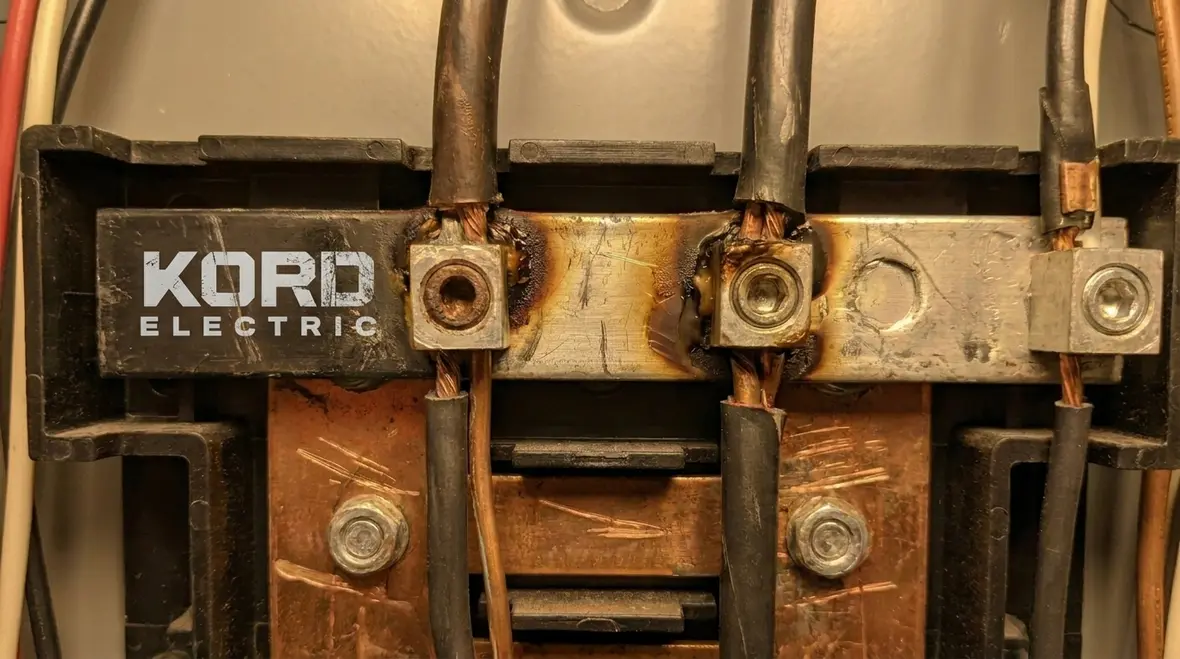
When you add circuits and the layout stops making sense
Commercial and industrial panels get messy for a reason: space. Many buildings start with a panel that fits the original design. Later, teams add circuits for new tenants, remodels, or process changes. Eventually, you reach the point where you either run out of positions or you end up sharing spaces in ways the original design never intended. That is when electrical subpanel expansion needs become a practical requirement, not a “someday” project.
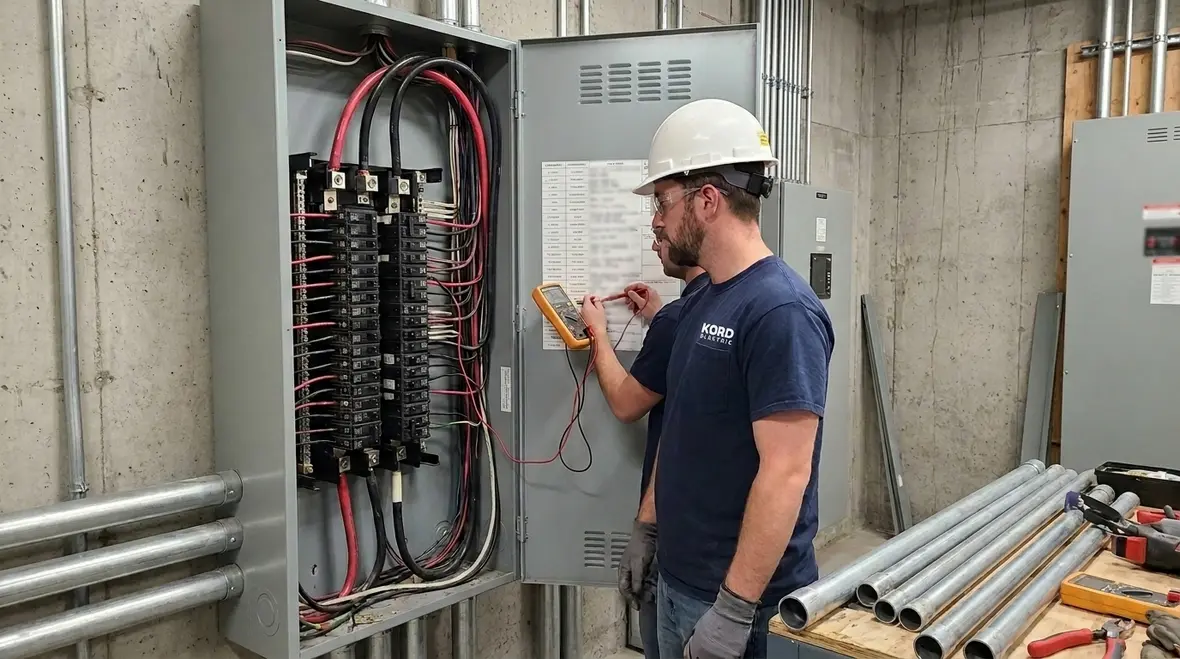
Our electrical subpanel expansion process begins with a real review of the panel schedule and the existing circuit map. Then we compare what the building uses now against what it plans to add. If the cabinet cannot physically accommodate the additional breakers safely, the expansion work must happen. Otherwise, you can face loose connections, overloaded bus sections, or improper coordination that fails when you need it most.
Our expert service staff also explains options in a business friendly way. They will tell you what to expand, what to relocate, and what to upgrade so your facility does not repeat mistakes. After all, rewiring a panel because someone guessed is like rebuilding a roof after the first storm. It is fixable, but it wastes time. For properties that are already evaluating larger upgrades, pairing subpanel work with broader projects like the ones covered in Kord Electric’s rewiring cost guide for commercial electrical systems can consolidate outages and reduce long term disruption.
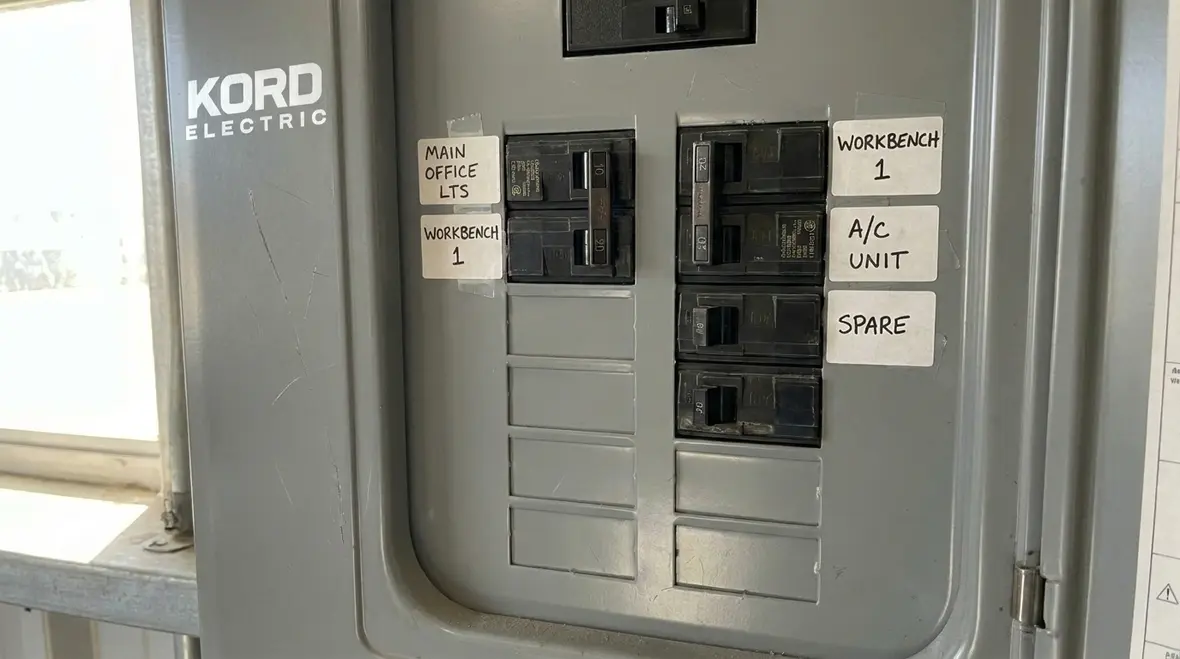
Breaker behavior, downtime risk, and safety indicators
Some facilities treat electrical problems like background noise. They reset the breaker, move on, and call it “an electrical glitch.” Yet, repeated nuisance trips often signal a real condition such as overload, worn components, poor thermal performance, or equipment that has changed how much power it draws. Moreover, the risk grows when the building operates continuously, such as manufacturing, data operations, cold storage, and multi-shift facilities.
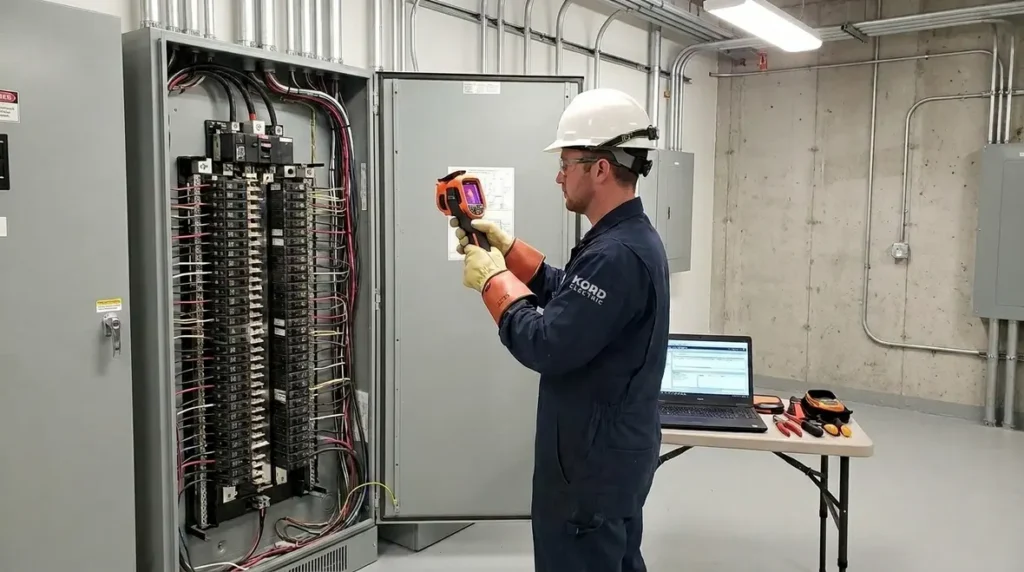
Safety indicators matter too. If your panel includes signs of corrosion, moisture intrusion, or hot spots near terminations, expansion alone may not solve the issue. In fact, adding capacity without correcting the root cause can create new failure points. That is why Kord Electric focuses on a full assessment, not just adding space.
Also, we look at selective coordination and protection settings. You want protective devices that isolate the fault and keep the rest of the facility running. If the system trips too broadly, one issue shuts down unrelated areas. Therefore, expansion should align with proper protective strategy, so operations stay stable. In many commercial buildings, that strategy works hand in hand with broader reliability planning, including emergency power failure mitigation and structured response procedures.
Planning for expansion: data, load studies, and real phasing
Good planning reduces surprise. Typically, we start by reviewing load history, the facility’s equipment list, and the panel schedule. Then we consider future growth. For commercial and industrial sites, expansion should also match operational needs. Your building might have strict production cycles, limited outage windows, or safety rules that affect how work gets scheduled.
That is where phased planning helps. Kord Electric often recommends staging work so the facility keeps running while we complete the electrical subpanel expansion needs in controlled steps. For example, we can prepare new circuits and verify loads before final tie-ins. Then we coordinate testing so your team can trust the system. After that, we document changes clearly so facility staff can maintain the updated layout.
Our technicians explain each phase step by step, using clear language and practical examples. If a manager asks, “What happens if we do this later?” we do not dodge. We explain the likely outcomes based on the load conditions and protection behavior we see today. Others might talk in vague estimates. We focus on actionable results. For facilities that also want long term structure around inspections and testing, it often makes sense to align subpanel work with broader commercial and industrial electrical maintenance plans so that future upgrades follow a clear roadmap.
Costs, permits, and what a proper scope should include
Many owners worry about cost, and rightly so. However, the biggest expense often comes from dealing with failed equipment, downtime, emergency service calls, and rushed repairs. A properly scoped expansion usually costs less than reactive fixes over time. Still, the right budget depends on the site conditions and the electrical path to add circuits safely.
In a commercial or industrial building, a complete scope should include inspection, engineering review if needed, safe materials, correct labeling, and thorough testing. Additionally, if permits apply, we help your team understand the process. We also evaluate upstream capacity, because sometimes the main service or feeder limits the system more than the panel itself.
And yes, we hear the joking version of this request all the time: “Can we just add a few breakers and call it a day?” The answer is usually no, not if the underlying system cannot support the demand. Kord Electric keeps things honest. That honesty may not feel exciting, but it prevents the kind of “oops” that shows up at midnight, like a villain in a superhero movie. For decision makers comparing different upgrades, resources like Kord Electric’s electrician cost guide for commercial facilities can provide additional context on how panel, switchgear, and distribution work fits into the bigger budget picture.
How subpanel expansion supports future projects and infrastructure
One of the easiest ways to underestimate electrical subpanel expansion needs is to look only at today’s loads. Most commercial and industrial properties are already planning infrastructure that leans heavily on additional power: EV charging, automation, more dense IT rooms, or upgraded process equipment. Each of those steps depends on dependable distribution.
When a facility invests in new systems, from high-efficiency lighting to commercial EV charger installation services, the electrical backbone has to keep up. Subpanel expansion becomes a way to clear space, organize circuits, and give future projects a safe, documented landing zone. Otherwise, each new upgrade risks becoming another bandage on an already crowded panel.
By treating subpanel work as part of a long term infrastructure plan instead of a last-minute add-on, facility teams can connect upgrades consistently, verify loads, and make inspections simpler. That discipline also supports compliance with maintenance-focused standards and inspection requirements, keeping the electrical room as predictable as the rest of the operation.
FAQ
Final word from Kord Electric: act before power becomes a problem
If your commercial or industrial facility keeps adding equipment, your electrical system will eventually ask for more capacity. Kord Electric helps you identify the warning signs early, verify the actual load situation, and plan a safe, phased upgrade that protects uptime. Our technicians and expert service staff explain each step so your team can make confident decisions. Schedule an assessment today and let us map your path forward before you end up troubleshooting in the middle of a business day.
Whether you manage a single site or a portfolio of properties, aligning subpanel expansion with broader Los Angeles County commercial electrical services keeps your infrastructure organized, documented, and ready for the next phase of growth. Instead of waiting for an outage or emergency call to force your hand, you can plan upgrades on your terms and on your schedule.
Kord Electric serves commercial and industrial facilities that cannot afford guesswork behind their panels. From proactive maintenance to targeted upgrades and emergency response, the goal stays the same: keep your power reliable, your systems safe, and your future expansion plans firmly grounded in real electrical capacity.