

Smart Building Electrical Systems for Industry
At Kord Electric, we help commercial and industrial facilities move from “lights on” to smarter control with Smart Building Electrical Systems that actually work in the real world. We do this by integrating sensors, monitoring, and automation into the electrical backbone of your plant, office campus, or major property. Then, we support it with technicians and expert service staff who explain what we do in plain language, not in code that sounds like it belongs on a spaceship.
Because yes, technology can feel like it arrived five minutes early and stayed for the rest of the week. Still, when it is integrated correctly, smart electrical systems reduce downtime, smooth out energy use, and help your team make decisions faster. And that is what we build for: performance you can trust.
Why industrial electrical systems benefit from smart controls
Industrial and commercial buildings carry real electrical responsibility. Motors start and stop, panels run hot, loads shift by the hour, and alarms can turn into background noise. However, without smart layers, you often discover issues after they become expensive problems.
With smart technology, we add visibility and control where you need it most. For example, we can monitor feeder currents, detect abnormal harmonics, and track breaker performance so maintenance teams act before failures. Then, we route data to dashboards that help others plan schedules instead of guessing.
In practical terms, a sensor does not just report “something is wrong.” It helps you learn how your system behaves during peak production, after a shift change, or during seasonal building loads. As a result, electrical decisions become more deliberate, and your facility runs with fewer surprises.
Integrating sensors, metering, and automation without breaking reliability
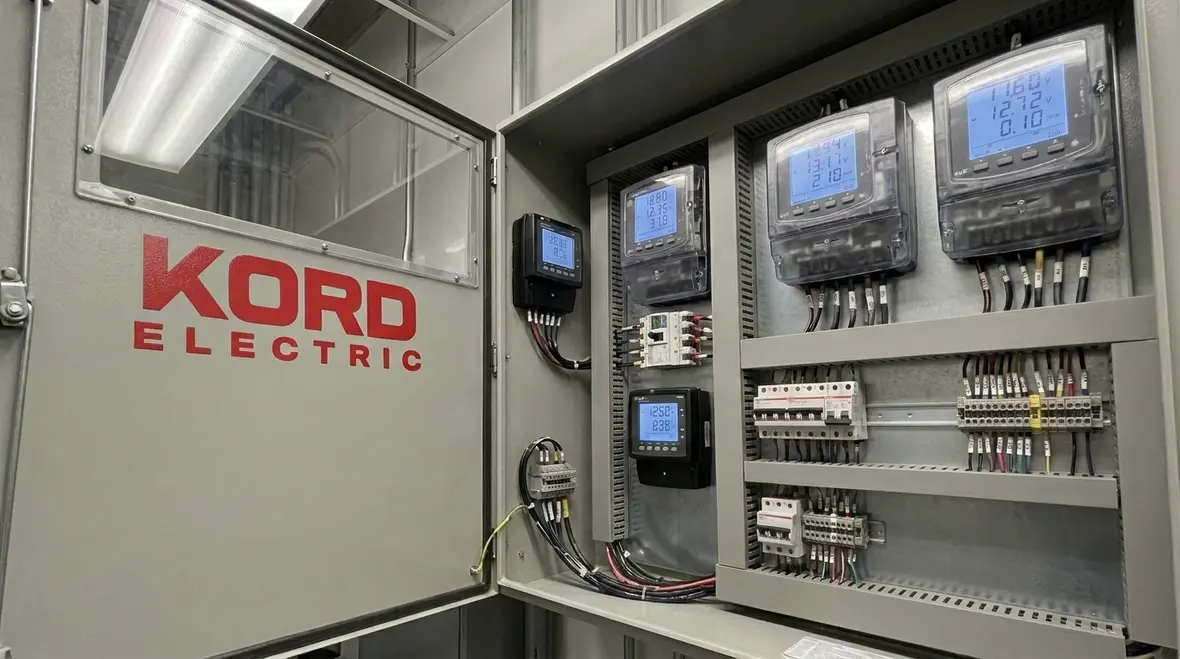
Some people think “smart” means adding gadgets and hoping they talk nicely together. We think smart means integration with discipline. That is why our technicians review your electrical one lines, load profiles, and protection settings before we touch a panel.
First, we identify the right measurement points. Then, we choose metering and sensors that match your environment, including heat, vibration, and electrical noise. After that, we design communication pathways that do not create a new weakness. Finally, we coordinate automation logic with existing protective devices so safety stays intact.
When done correctly, the system can do calm, useful things like these:
- Metering that tracks energy demand and power quality for each major load
- Monitoring that logs events like surges, trips, and breaker switching
- Automation that sequences controls for smoother motor startup and load sharing
And if anyone asks, we will tell them the same thing we tell our own team: reliability comes from good engineering, not from clever marketing. One of our expert service staff members will explain the design choices step by step, so your operational leaders understand what they are paying for and why it matters.
Smart power quality and monitoring that helps you catch issues early
Power quality issues can look small at first and then act like a snowball rolling downhill. A brief dip, an unexpected harmonic, or a loose connection can lead to nuisance trips, equipment stress, and performance drift. Yet most facilities do not monitor these details continuously.
We install monitoring that helps commercial and industrial customers see the patterns. For instance, we can track voltage unbalance, total harmonic distortion, and transient events. Because these signals show up before equipment fails, teams can plan corrective actions during low-risk windows.
At Kord Electric, we also help you translate the data. Our technicians do not dump charts on your desk and disappear. Instead, they explain what matters most for your equipment and operating schedule. Then, we outline maintenance priorities that reduce downtime.
Also, when we tune alarm thresholds, we aim for fewer false alerts. In other words, we do not want your staff playing “guess that noise” every time a warning light appears. We build systems that stay useful, not annoying.
Planning for upgrades, wiring changes, and real rewiring costs
Smart integrations often raise one question: what happens to existing wiring and components? We approach this with clear planning. Even when the project starts as a controls upgrade, it may require targeted rewiring to improve safety, support new loads, or meet updated protection needs.
To keep the process realistic, we use a cost planning approach similar to the one described in our rewiring cost guide for commercial electrical systems. That guide highlights how rewiring costs can vary based on circuit complexity, access conditions, panel size, and the extent of replacement work. In the same spirit, we help you understand what drives cost in industrial and major property facilities.
Here is how we typically break the work down for clarity:
- Scope definition: identify which circuits, feeders, and panels need changes
- Access and shutdown planning: plan routing, containment, and downtime windows
- Component readiness: confirm breakers, relays, and grounding systems can support new controls
- Testing and commissioning: validate that Smart Building Electrical Systems devices integrate cleanly with protection
Then, we help you avoid the classic mistake of treating the “smart layer” as separate from the electrical layer. If the wiring and protection do not support the new system, the smart tech becomes a fancy paperweight. We make sure the foundation is ready first.
Cybersecurity and system management for major facilities
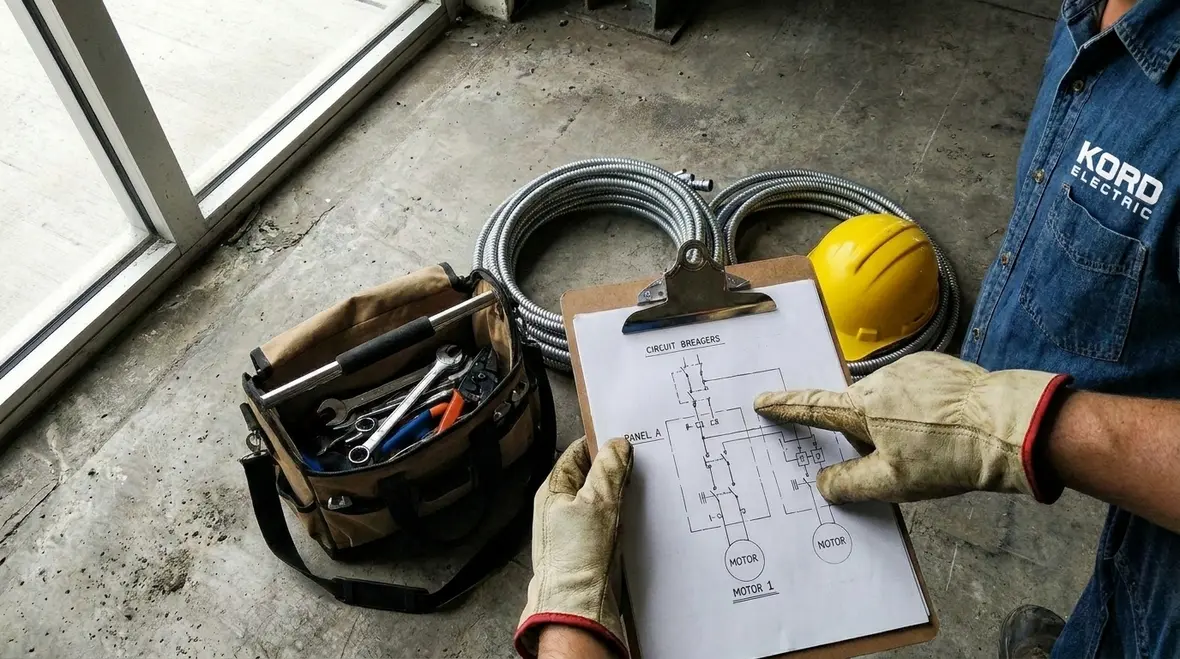
Smart technology brings data into your facility systems, and that means management matters. We treat cybersecurity as part of electrical design, not as an afterthought. After all, the electrical room is not a place for casual shortcuts.
Our team plans for secure access, segmented networks, and controlled user permissions. We also consider how devices communicate, how logs are stored, and how updates get applied without disrupting operations. Because in a commercial or industrial setting, downtime is not a hobby.
For major property buildings, we also support governance. We help your stakeholders define roles for monitoring, alert response, and maintenance workflows. Then, we help align these workflows with the realities of your staff and contractors.
And yes, we know the joke answer would be “just reboot it.” But if your facility runs like a blockbuster franchise, you do not want the plot to pause for a restart. We design so your system stays stable and manageable.
What our technicians and expert service staff do during installation
When people hear “smart building upgrades,” they sometimes picture a quick swap and a handshake. What actually happens on a real site is more careful than that. Our technicians and expert service staff follow a process built for commercial and industrial reliability.
First, we assess the site. We look at power distribution, device locations, and how your teams operate during shifts. Next, we design the integration so Smart Building Electrical Systems devices work with your protective scheme. Then, during installation, we keep wiring neat, label correctly, and test thoroughly.
During commissioning, we verify communication, confirm measurement accuracy, and validate alarm behavior. After that, we train your teams. We do this with clear explanations so facility managers understand how to interpret signals and when to escalate. Because if the system warns you, someone needs to know what to do next.
Finally, we support the handoff. We coordinate documentation and assist with initial monitoring so you do not feel like you are inheriting a black box.
Frequently asked questions about smart electrical integration
| Question | Short answer |
| What does smart integration include? | We add monitoring, metering, and automation tied into your existing distribution and protection. |
| Will this work in older facilities? | Often yes, but we review wiring, panels, grounding, and protection to ensure safe performance. |
| How do we reduce unexpected downtime? | We install early warning monitoring and tune alarms so maintenance acts before failures spread. |
| Do smart systems increase cybersecurity risk? | They can, which is why we design secure access and controlled system management from the start. |
| Can smart upgrades be done during operations? | Sometimes. We plan shutdown windows and scope work to keep critical loads supported. |
FAQ: fast answers for busy building teams
Conclusion: let us modernize your electrical system with confidence
Smart electrical upgrades should not feel risky. At Kord Electric, we integrate monitoring, metering, and automation with a reliability-first approach built for commercial and industrial facilities and major property buildings. Our technicians and expert service staff explain each step, validate performance through testing, and help your team interpret alerts without confusion. If you are planning an upgrade, a partial expansion, or a full electrical modernization, contact us now. We will review your system and propose a clear, practical path forward.
For facility leaders planning broader improvements, pairing Smart Building Electrical Systems with services like Los Angeles County commercial electrical services helps align local code compliance, field work, and long-term maintenance into one coordinated plan that supports safer, smarter operations across your portfolio.


