Smart Building Energy Controls Cut Operating Costs
How Kord Electric Uses smart building energy controls to Cut Operating Costs
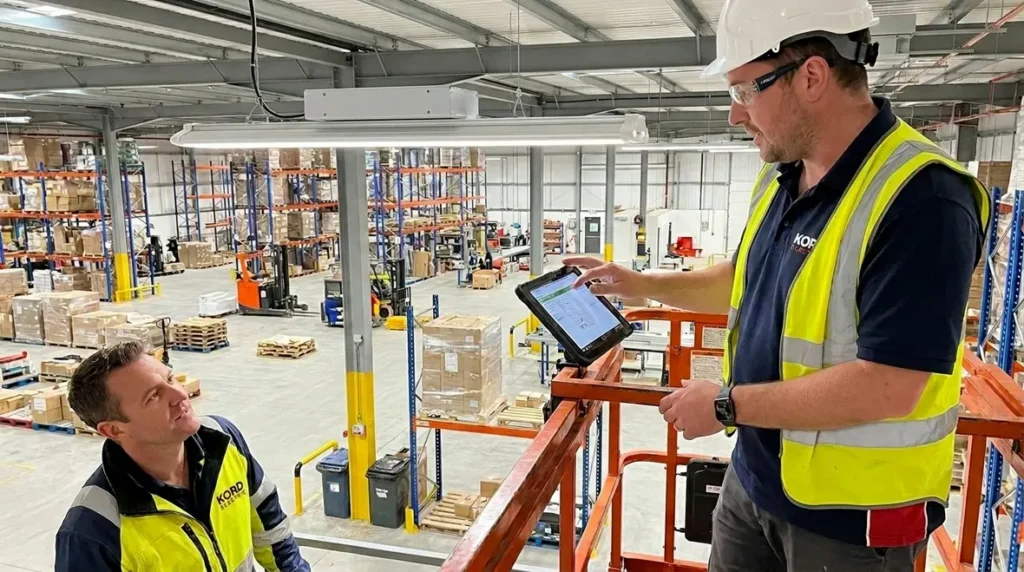
At Kord Electric, we help commercial and industrial facilities lower their day to day expenses by using smart building energy controls that match energy use to real life, not guesswork. In our experience, lights, HVAC, and other systems often run on fixed schedules long after building patterns change. As a result, teams pay for comfort they did not actually need, and equipment works harder than it must.
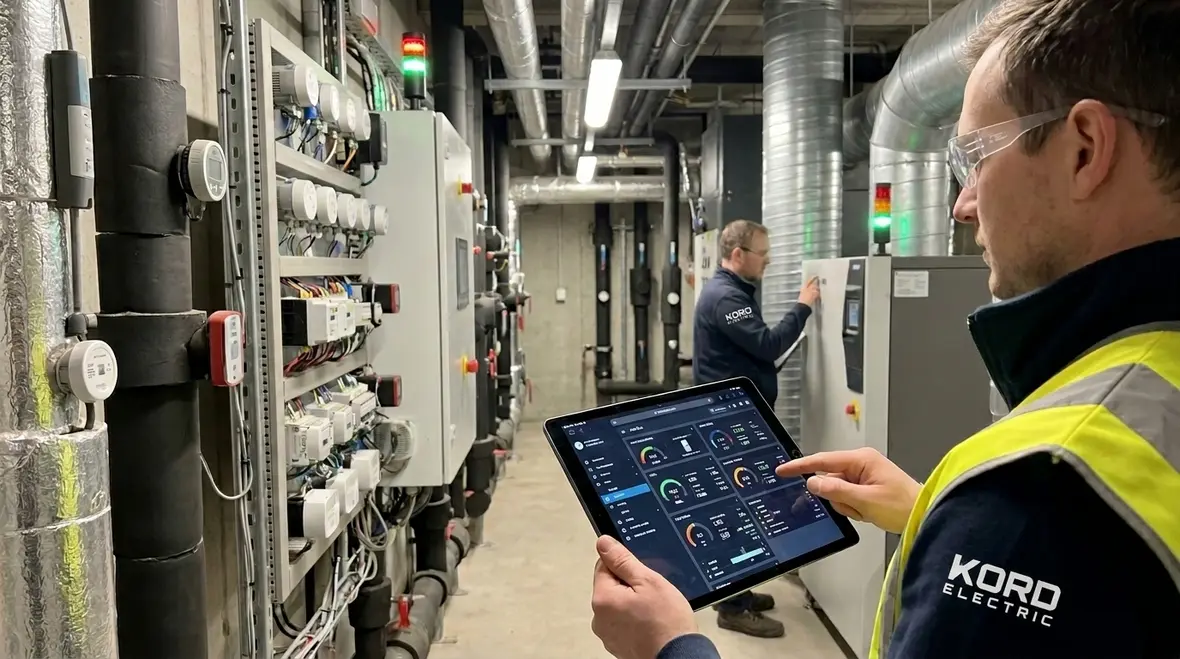
So, we start by listening to what your facility does today. Then we connect controls, sensors, and monitoring so operations can respond as conditions shift. And yes, our technicians and expert service staff explain everything in plain language, even when the controls software acts like it is trying to keep a secret. Let us begin with what these systems actually do and why the savings usually show up faster than people expect.
Operational Savings Start With Real-Time Control, Not Guessing
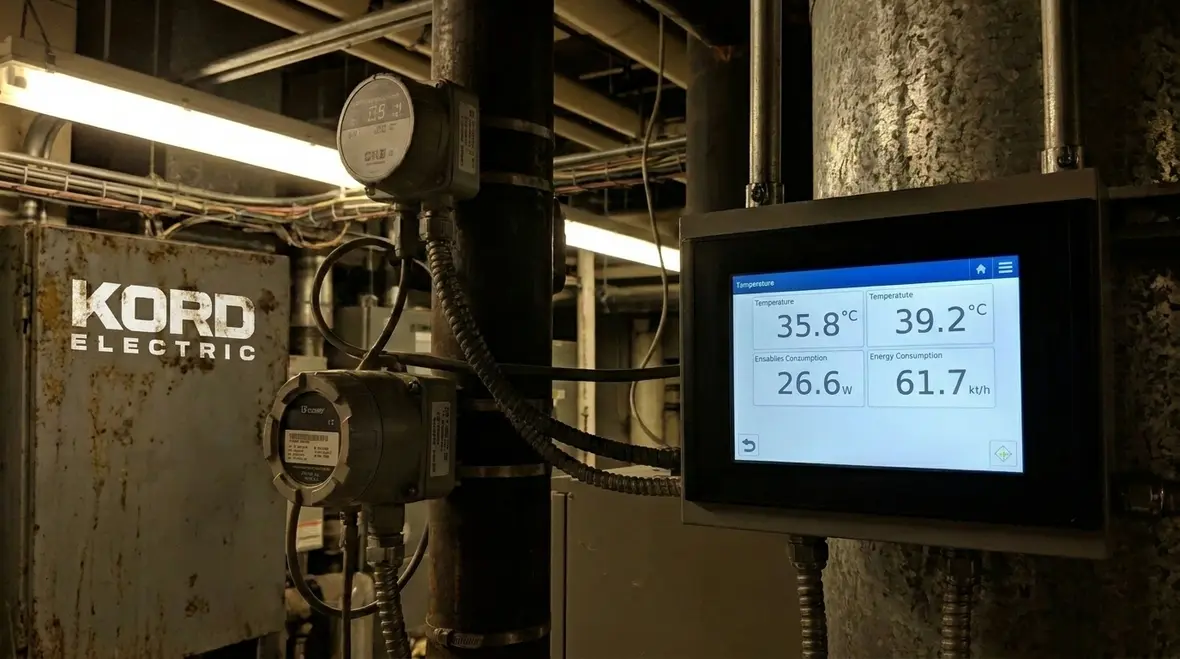
Smart building energy controls help facilities stop treating energy use like a one size fits all routine. Instead, we use feedback from the building to steer equipment based on temperature, occupancy, time, and demand. Therefore, HVAC does not simply “turn on” because the calendar says so. It turns on because the building needs it.
In practice, we see three common pressure points in commercial and industrial settings. First, spaces sit empty, yet systems keep conditioning air. Second, equipment cycles too often because controls do not understand the load. Third, maintenance is harder when operators cannot see what is happening. With smart control strategies in place, these issues become measurable and fixable.
Our technicians walk teams through this logic step by step. We explain how sensors and controllers work together, and we show what changes when settings update. When someone says, “I thought the thermostat was the whole story,” our staff smiles calmly, the way a pro does before telling you the plot twist.
Why Monitoring and Scheduling Creates Fast Payback for Major Properties
Large buildings live on patterns, and patterns can be tracked. Even if your facility operates on shifts, meetings, or seasonal changes, demand still follows rules. Smart building energy controls use schedules as a starting point, then they refine them with live data. Consequently, you reduce wasted run time while keeping comfort stable.
For example, occupancy based control can adjust ventilation rates in offices, corridors, and conference areas. Meanwhile, demand based strategies can coordinate HVAC start times to avoid spikes that strain electrical systems and raise utility costs. Also, automation can reduce simultaneous heating and cooling in systems that do not coordinate well on their own.
In many cases, we pair controls improvements with electrical coordination, because energy savings and electrical health go hand in hand. If your electrical system is overworked, controls cannot fully fix the downstream effects. So, we treat the building as a connected system, not a set of disconnected parts.
Controls and Electrical Planning: Lessons From Rewiring Cost Reality
Commercial electrical systems cost money to rewire, and they cost more when teams discover problems after equipment already failed. We reference this thinking because good planning prevents expensive surprises. If you want a clearer view of how electrical system needs evolve over time, we recommend reviewing our rewiring cost guide for commercial electrical systems from the Kord Electric blog. It helps major property owners understand what drives cost, what conditions worsen it, and why upgrades should not be random.
Here is the practical link to smart building energy controls. When building automation improves, it often changes how loads behave. Loads may run smoother, start less aggressively, and operate closer to the planned operating band. This can reduce stress on feeders, breakers, and upstream distribution, and it can also support more accurate maintenance planning. In other words, better controls can help protect electrical infrastructure by lowering unnecessary peaks.
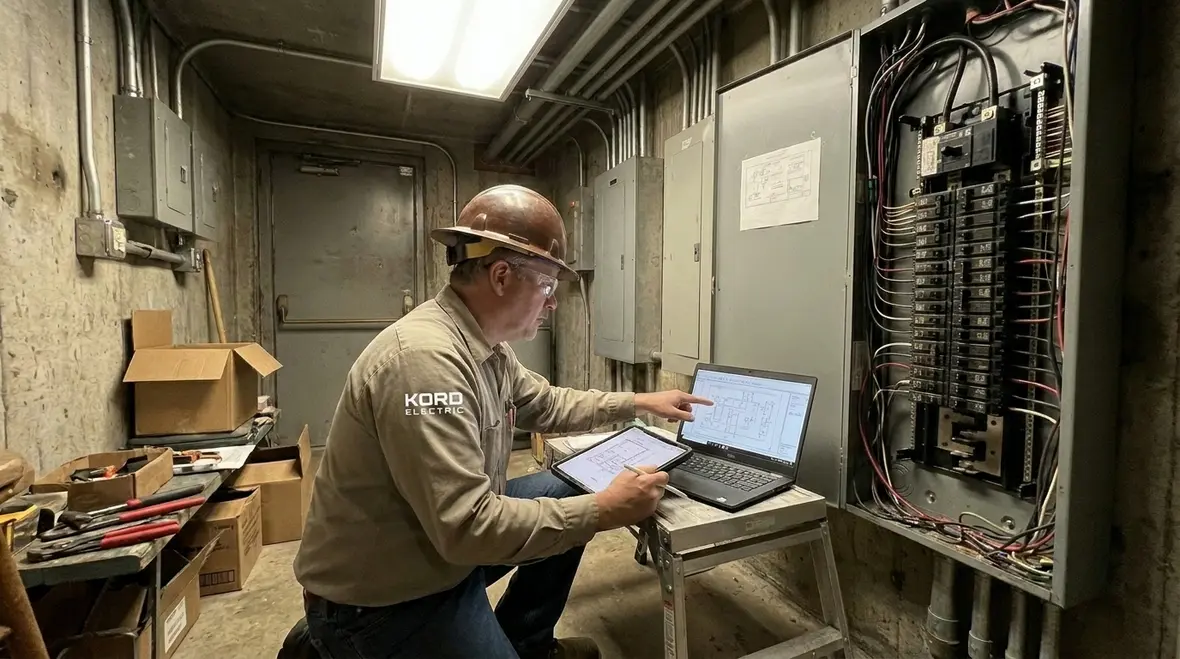
Additionally, when we install controls, we often map circuits, panel behavior, and load types so the system can make smarter choices. That mapping gives operators clearer visibility. Therefore, if something changes later, it is easier to diagnose. Our team treats that clarity as part of the savings, not a side benefit.
Demand Response, Peak Shaving, and Utility Cost Control
Many commercial and industrial facilities face utility rates that reward or punish how you use power. Smart building energy controls can reduce costly peaks through peak shaving strategies. Instead of letting HVAC and other loads run at maximum demand during high cost windows, we coordinate equipment so the facility shifts its energy use in a controlled way.
We also support demand response readiness when your utility program calls for it. In that setup, controls respond to an external signal by adjusting setpoints, limiting non essential loads, or temporarily changing operating modes. As a result, facilities can lower bills while still meeting operational needs.
Our expert service staff explain the difference between “comfort changes” and “comfort control.” We do not aim for dramatic swings. We aim for small, intelligent adjustments that keep spaces stable. And if you ever wondered how a building can negotiate with your utility like it is negotiating with a stubborn boss, that is exactly what well designed automation accomplishes.
Implementation That Respects Operations: What Our Technicians Handle
We know one thing matters most to facilities with real schedules and real downtime costs. Implementation cannot be disruptive. Therefore, we plan controls work with your operations team, your maintenance team, and your electrical system realities in mind.
Our technicians handle site walkdowns, control point mapping, and integration planning. They also verify that sensors, actuators, and panels communicate as intended. Then we test sequences and confirm that changes match your building standards. Throughout, we explain what we are doing and why, in a tone that keeps people calm and helps them understand the “why” behind each step.
Also, we document settings and alarms so staff can respond quickly when something shifts. We train your team on what normal looks like, what to check first, and how to escalate issues. In short, we make the system usable, not mysterious.
Smart Building Energy Controls That Reduce Waste Without Lowering Quality
Savings matter, but quality matters too. Our approach focuses on energy waste reduction while maintaining comfort, ventilation needs, and process requirements for commercial and industrial operations. Smart building energy controls support that balance through tuned control loops, proper sensor placement, and thoughtful setpoint strategies.
Instead of chasing one quick win, we build steady improvement. For example, we refine schedules as occupancy changes. We adjust ventilation based on conditions and use alarms to catch faulty sensors early. Then we review trend data to see where performance drifts over time.
As you do this, you build a feedback loop between operations and automation. Over time, systems spend less time in inefficient states, and they recover faster when conditions change. That is where the real operational savings appear, not just in one month, but across seasons and equipment cycles.
And if anyone tells you automation is “set it and forget it,” we gently disagree. We set it up, we test it, we monitor it, and we keep it aligned with how your facility actually runs. Like a good playlist, it stays right because someone keeps checking the track order.
For facilities across Los Angeles County and Southern California, that balance of smart building energy controls, electrical planning, and ongoing care often includes structured programs like electrical preventive maintenance that keep panels, feeders, and distribution ready for what automation asks them to do.
FAQ
Ready to Cut Energy Waste and Protect Your Electrical System?
At Kord Electric, we help commercial and industrial facilities use smart building energy controls to reduce wasted energy, support peak cost control, and keep operations steady. Our technicians plan the work around your schedule, integrate controls with your building systems, and explain everything in plain language so your team can actually use what we install.
If you are ready to turn energy data into real savings, contact Kord Electric today for a site review and a practical roadmap that fits your major property needs. For facilities seeking a broader partner to support both automation and code compliant upgrades across the region, our Los Angeles County electrical services team can coordinate smart building energy controls with panel work, preventive maintenance, and other critical electrical projects.
Whether you are optimizing a single site or aligning a portfolio of major properties, our goal is simple: match your energy use to real life, not guesswork, so every kilowatt you buy actually does work your team values.