

Electrical Load Balancing Tips for Facilities
Facility power reliability is not a guessing game. It starts with practical, repeatable electrical load balancing tips that keep panels, feeders, and equipment operating inside healthy limits instead of flirting with overloads when no one is looking.
Optimizing facility power starts with practical electrical load balancing tips
In our experience at Kord Electric, facility power problems rarely come from “mystery electricity.” They usually come from uneven demand, aging equipment, and panels that look fine until reality shows up. And reality always shows up, usually during peak operating hours, when everyone is busy and nobody wants a shutdown.
So we start with electrical load balancing tips early. We verify load distribution across phases, we check for harmonic distortion, and we confirm that protective devices match the real operating conditions. Then we document the results so others can maintain them without guesswork. Our technicians explain what they find in plain language, and yes, they do it calmly, like they are guiding a client through a storm without pretending the wind is “just a little breeze.”
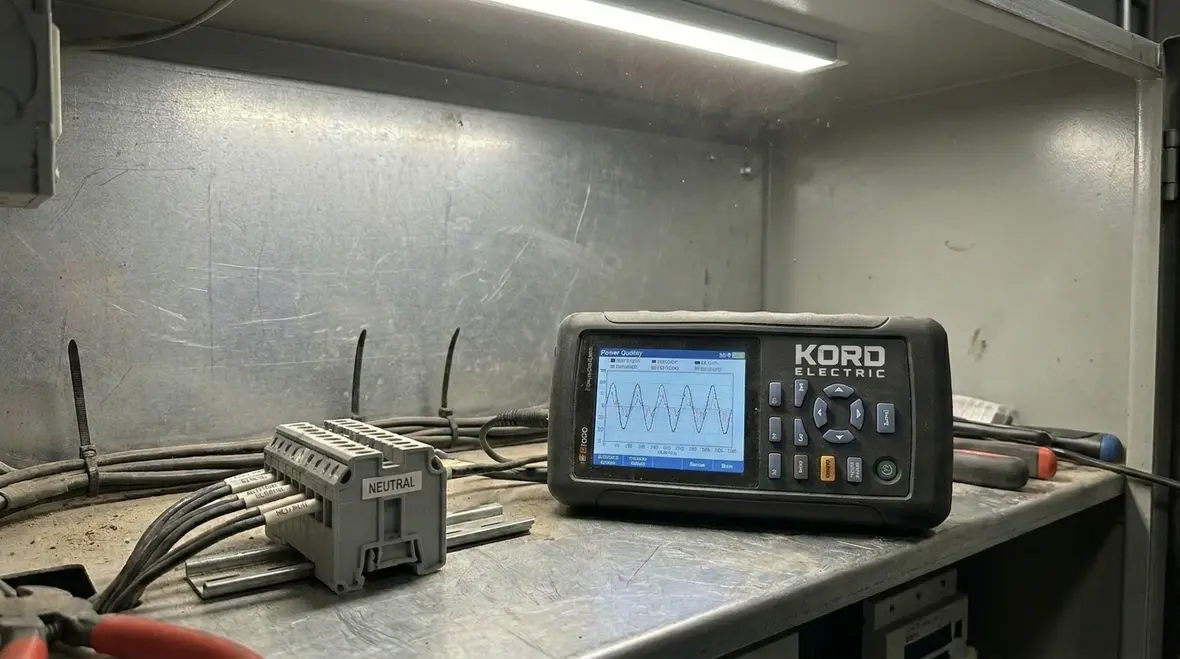
How uneven loads quietly cost commercial buildings
When loads in a commercial or industrial facility do not share evenly, the electrical system pays the price. Even if the total power draw stays within limits, one phase can run hotter, more stressed, and more failure prone. That heat is not an opinion, it is physics. Over time, this pushes insulation aging, increases nuisance trips, and raises risk at terminations and bus connections.
Furthermore, unbalanced conditions can cause voltage imbalance. That imbalance can lead to motor inefficiency, reduced torque, and unnecessary downtime for HVAC, pumps, conveyors, and other mission critical equipment. In other words, the facility may “run,” but it runs less reliably. Meanwhile, facility managers get stuck doing detective work on symptoms instead of fixing the root cause.
We have seen this in major property buildings too, where tenant activity changes daily. One week a kitchen remodel loads one circuit heavily. The next week renovations shift schedules. Without load balancing and monitoring, electrical performance becomes a moving target.
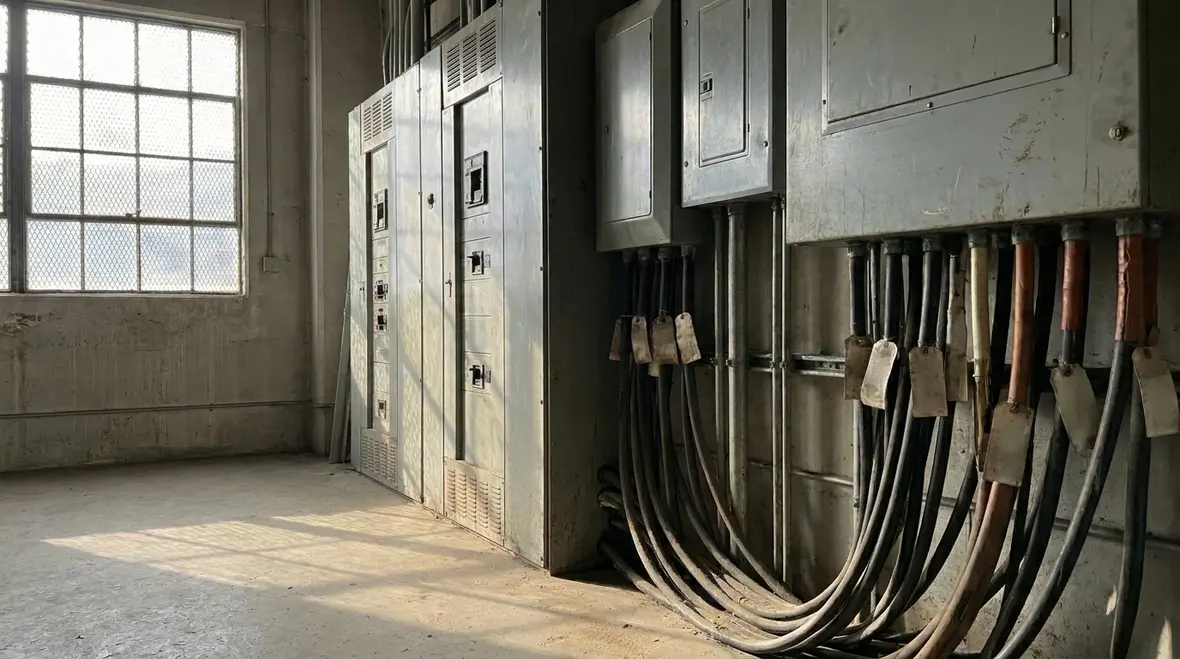
For facilities that already feel the strain of hidden issues, a structured maintenance strategy can pair well with these electrical load balancing tips. Kord Electric’s focus on hidden electrical risks in commercial buildings shows how small imbalances and undocumented changes can quietly stack up until they show themselves as downtime instead of data on a report.
Three checks our expert service staff runs on day one
Our electrical load balancing approach is methodical, not dramatic. First, we measure. We cannot balance what we cannot see. So we collect real-time current per phase using proper instrumentation and we compare it to nameplate data and existing load schedules.
Next, we inspect the distribution paths. That means checking feeders, branch circuits, panelboard labeling, and transfer equipment where applicable. A misrouted circuit or an unlabeled breaker is like a pop quiz in the middle of a workday. Nobody studies for it, but everyone suffers when it shows up.
Finally, we evaluate power quality. We look for harmonics, neutral loading issues, and evidence of loose connections. Harmonics can exaggerate imbalance and heat even when loads “seem” proportional. Also, some equipment draws non linear current, and it behaves differently than traditional resistive loads. Our technicians explain those patterns and what they mean for maintenance decisions.
If your facility is already juggling inspections and corrective work, this day one checklist connects directly to long term programs such as electrical preventive maintenance, where structured testing, documentation, and follow-up keep those initial balancing gains from drifting as equipment and occupancy patterns change.
Step by step electrical load balancing planning for facility teams
Once we understand the electrical reality, we build a practical plan. We start by classifying loads. Rotating equipment like motors gets one bucket. Lighting, receptacles, and process equipment get others. Then we map each load to its phase and verify whether the phase allocation matches typical operating conditions.
Then we design balancing moves. Sometimes it is as simple as redistributing branch circuits between phases. However, in commercial and industrial facilities, we also coordinate with the way the system is intended to operate. For example, certain loads may need to remain on specific phases due to upstream constraints, distribution topology, or control circuits. So we avoid “random balancing” that creates new issues.
Next, we validate. After changes, we measure again and we compare results against targets such as improved phase current balance and reduced neutral heating. Also, we check that protective devices remain correctly sized for the new configuration. Our expert service staff documents the before and after condition so the facility team can reference it during future projects.
Finally, we create an ongoing strategy. Peak conditions shift with production schedules, occupancy trends, and seasonal HVAC changes. So we align maintenance tasks with operational reality.
For organizations that want this planning wrapped into a repeatable program rather than a one time project, Kord Electric’s perspective on commercial and industrial electrical maintenance plans shows how to connect electrical load balancing tips, inspection cycles, and capital planning into one calm, organized roadmap.
Power quality, harmonics, and neutral loading you must not ignore
Electrical load balancing tips do not end at phase currents. In many facilities, the hidden culprit is power quality. Harmonic distortion can come from variable frequency drives, rectifiers, server racks, LED drivers, welding equipment, and certain process controls. When harmonics increase, currents can rise on specific phases and on the neutral in ways that conventional “eyeballing” cannot catch.
Neutral loading deserves extra attention, especially in systems with many non linear loads. If neutral conductors carry more current than expected, they heat up. Also, overloaded neutrals can cause voltage distortion that affects sensitive equipment and shortens the life of transformers and other components.
Our technicians test for current waveform behavior and we identify where the distortion originates. Then we recommend targeted actions. In some cases, we adjust load distribution to reduce stress. In other cases, we address harmonic sources with filters or revised drive settings, depending on the equipment and facility requirements.
So while balancing helps, it should work together with power quality improvements. That combination reduces risk and prevents the “it looks okay in the panel but it fails in the field” problem.
Facility managers who are already tracking harmonics and voltage fluctuations as part of a broader reliability effort can connect these findings with preventive strategies from Kord Electric’s NFPA 70B electrical panels and switchgear maintenance guidance, especially when panels serving non linear loads need both power quality attention and disciplined inspection practices.
Creating a maintenance rhythm that keeps loads steady
Even a perfectly balanced system can drift. New equipment gets added. Production schedules change. Tenants renovate. So we recommend a maintenance rhythm tied to how the facility actually operates.
First, we schedule measurements during representative operating conditions. That might mean pre shift checks for industrial sites or evening peak checks for major property buildings with high service load. Then we review data trends, not just snapshots. Trends reveal issues early, like a slow leak you catch before it becomes a flood.
Second, we update labeling and single line records. We have seen mismatches between panel labels and actual circuit assignments. That confusion wastes time and increases risk during future troubleshooting.
Third, we verify terminations and torque where applicable. A loose connection can create localized heating and worsen imbalance symptoms. Our team follows industry best practices and explains what to watch during inspections so facility staff can spot trouble faster.
Finally, we plan balancing during capital projects. When a facility adds panels, extends feeders, or upgrades HVAC and process systems, this is the moment to align phase distribution and power quality goals.
In practice, the most successful facilities pair this rhythm with structured support such as data center electrical maintenance checklists or broader plant troubleshooting routines, so load balancing stays part of the everyday reliability conversation instead of becoming a once-a-decade correction.
Common commercial facility pitfalls and how Kord Electric helps avoid them
Facilities often repeat the same mistakes, usually because the problem feels too complex to address until it is urgent. For instance, some teams balance only at one time of day. Yet demand changes constantly, and imbalance returns. Also, others redistribute loads without checking protective device ratings, which can create unexpected trip behavior.
Another pitfall is assuming the transformer handles everything. Transformers distribute energy, but they do not eliminate the thermal stress created by uneven phase currents and harmonic effects. Also, miswired phases or incorrect phase identification can cause persistent imbalance that no “rebalancing effort” can fully solve without correcting the underlying wiring logic.
To make it easy to compare, we run a focused checklist like this:
| Pitfall | Kord Electric response |
| Panels look balanced on paper | We verify phase currents and actual circuit assignments in the field |
| Changes are made without remeasurement | We re test after redistribution to confirm the results hold |
| Harmonics and neutral heating are ignored | We test power quality and address non linear load impacts |
| Labeling is outdated | We update records to reduce future troubleshooting time |
And yes, we understand why mistakes happen. Facilities run on schedules, deadlines, and emergencies. Still, our technicians keep the process calm and clear, so clients can move forward without guesswork.
When troubleshooting does become unavoidable, it helps to connect this checklist with resources like Kord Electric’s electrical system troubleshooting for factories checklist, which extends the same calm, stepwise mindset from panels and feeders out to production lines and process equipment.
FAQ about electrical load balancing for commercial and industrial buildings
Facility managers and operations teams often ask the same core questions before they commit time and budget to balancing work. Here are clear, straightforward answers that keep the focus on safety, reliability, and practical next steps.
Conclusion: let Kord Electric stabilize your facility power before problems grow
Facility power does not fail loudly; it fails quietly, then suddenly. If your commercial or industrial building shows signs of uneven heating, nuisance trips, motor performance issues, or drifting performance after upgrades, it is time to act. At Kord Electric, our technicians measure real loads, improve electrical load balancing through controlled redistribution, and validate power quality so the system runs cleaner and safer. Contact us to plan a balancing and power quality assessment that fits your schedule and protects your operations.
For facilities across the region, especially those in and around Los Angeles, pairing electrical load balancing tips with broader regional support such as Los Angeles County electrical services gives your team a single, experienced partner for troubleshooting, preventive maintenance, and project planning across every major electrical room and distribution path.
Whether you are addressing long standing imbalances, planning upgrades, or building a fresh maintenance program, Kord Electric can help you turn scattered observations into a clear, documented plan that keeps panels, feeders, and equipment aligned with real world operating demands.


