
Smart Building Energy Management for Commercial Sites
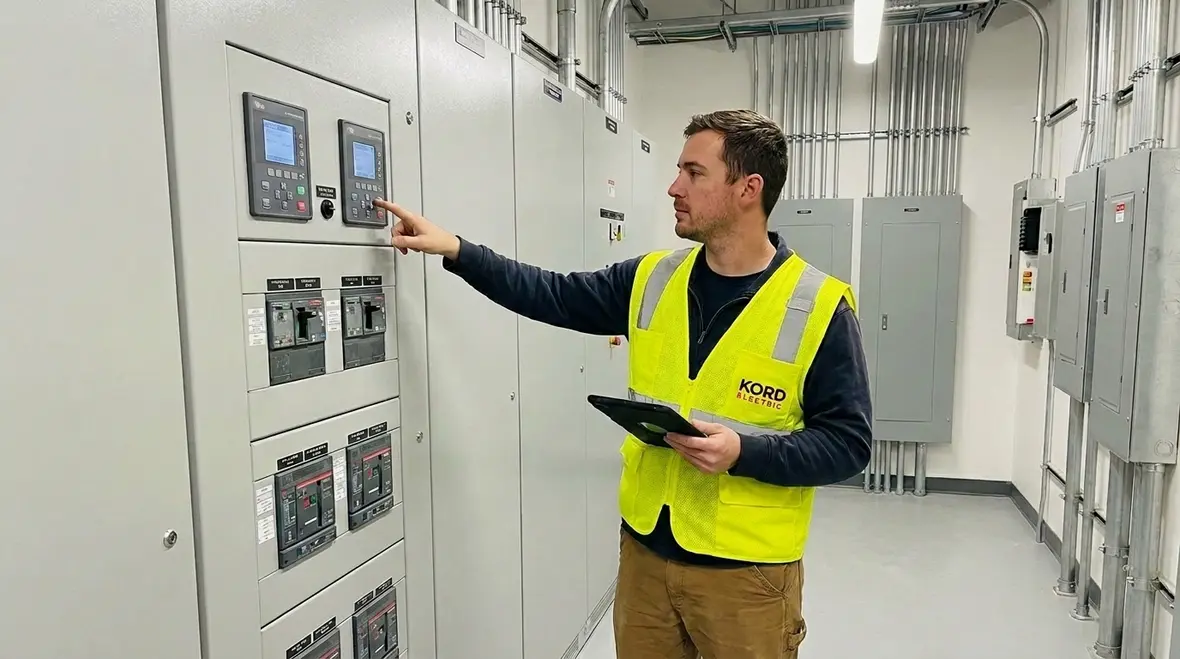
At Kord Electric, we install and integrate smart systems that help commercial sites use power with less waste, and that starts with our smart building energy management. In the first phase, our team looks at real usage patterns, then we connect controls that can adjust lighting, HVAC loads, and electrical distribution based on demand. After that, we add automation rules that keep performance steady even when schedules change. And yes, we explain it in plain language, because nobody wants a “blink once and pray” control panel situation. We build calm, efficient electrical infrastructure for commercial and industrial facilities, and we do it with technicians and expert service staff who actually know the difference between theory and a live system.
How smart automation strengthens commercial electrical infrastructure
In commercial and industrial facilities, electrical systems face constant change. Loads shift as operations start up, production lines run, and occupancy levels move. Therefore, traditional setups often rely on fixed schedules and manual checks, which means energy use can drift over time. Smart automation changes that by linking sensors, controllers, and switchgear functions into one coordinated flow. As a result, the site can react to real conditions instead of guesses.
We often begin by mapping the electrical backbone. That includes feeders, panelboards, motor control centers, variable frequency drives, UPS systems, and metering. Next, we connect that hardware into a control layer that supports analytics and demand response style behavior. Then, our experts tune the logic so the site keeps comfort and safety while reducing unnecessary consumption. In other words, the system becomes less like a loud alarm and more like a steady manager with a checklist.
Where we place automation: panels, metering, and load control
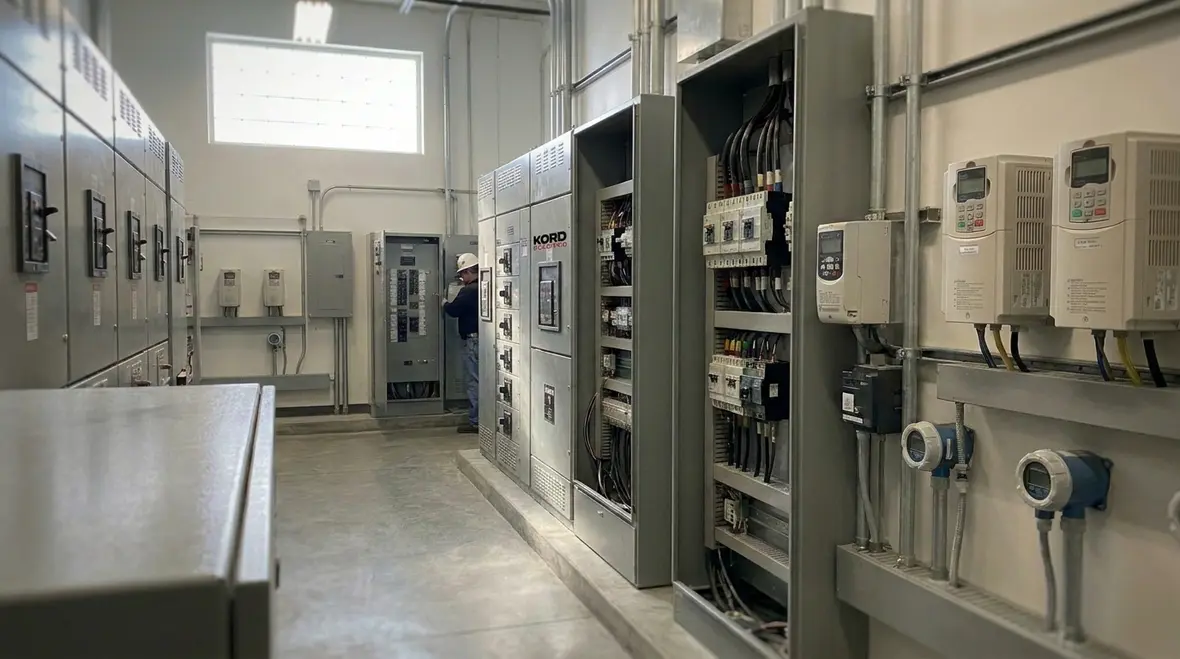
When our technicians plan an integration, we do not scatter devices like confetti. We place automation where it actually improves performance. First, we focus on electrical metering and submetering, because accurate visibility is the foundation of any smart building energy management approach. With proper metering, we can identify peak demand drivers, check power quality, and confirm load balance across phases.
After that, we integrate controls around load types. Lighting controls connect to occupancy and daylight inputs so systems dim and shut down when spaces sit empty. HVAC electrical loads tie into building schedules and temperature feedback, and we coordinate with the energy management layer so the site avoids fighting itself. For motors and production equipment, we help manage start and stop behavior, ramp rates, and operating modes to reduce surges that can stress feeders and switchgear.
Meanwhile, we also build for reliability. We use layered logic so critical loads stay stable even if a noncritical sensor fails. That approach keeps operations safe and reduces unplanned downtime. And yes, if someone in maintenance jokes that automation will “break like a thrift store blender,” our team answers calmly, because we design for real job sites, not a fantasy scenario.
Smart building energy management vs. basic scheduling: what changes in practice
Basic scheduling follows a calendar. It assumes tomorrow looks like today, and that assumption rarely survives a busy facility. Smart building energy management instead follows measured conditions and responsive control. Therefore, the system can adjust as weather changes, production shifts, or departments move into different work patterns.
For example, if a facility experiences higher occupancy in one wing, automation can raise ventilation fan or lighting levels only where needed. If a process runs slower, we can reduce nonessential auxiliary loads. Additionally, we can coordinate electrical demand peaks by shifting certain controllable loads within safe operating windows.
Because the controls use consistent signals from metering and sensors, facility managers get reports that help them make decisions. They can see which loads contribute to peak demand, how power factor trends, and whether equipment operates within expected ranges. In short, automation gives clarity, not just automation. And clarity reduces the amount of time people spend guessing, which is the closest thing to a productivity superpower that electricians and operators agree on.
How our technicians integrate controls with existing commercial systems
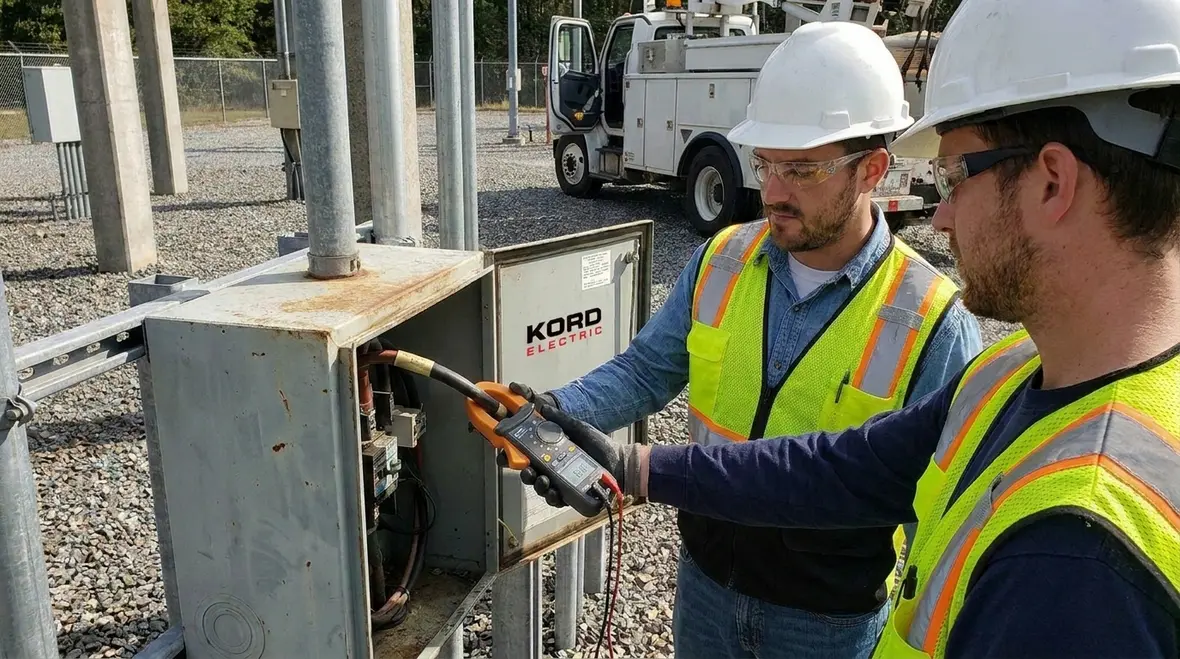
Many major property buildings already have electrical infrastructure in place. So the key challenge is integration without disrupting operations. Our expert service staff approaches this with a careful, phased process. First, we review the existing one line diagrams, equipment labels, and control diagrams. Then we verify field conditions through measurements, panel inspections, and communication checks.
Next, we plan a tie-in strategy that protects uptime. We may add metering to existing circuits, upgrade control interfaces at MCCs, or bring automation controllers into a safe communication path. After that, we test logic in stages. We confirm that commands do not conflict with local equipment settings, and we validate sequence timing so the electrical system stays stable during transitions.
Throughout the work, we keep the site informed. We explain what we are doing and why, and we provide guidance for facility teams on daily operations and emergency behavior. Our technicians also document the final logic so future maintenance feels less like detective work and more like a repeatable process. In the commercial world, “we’ll figure it out later” is not a plan. We give you a plan.
Safety, reliability, and power quality in automation design
Automation should never trade safety for efficiency. That is why our design method emphasizes protection, separation of critical functions, and proper monitoring. We configure controls with respect to protective devices and equipment tolerances. So when we adjust load control, we account for available fault protection, breaker coordination, and safe operating limits.
We also treat power quality as a first class design goal. In facilities with variable drives, welding loads, or modern data equipment, harmonics and voltage dips can rise quietly. Smart controls alone do not fix bad electrical conditions. However, when we integrate automation with metering, we can detect trends and support corrective action through operational adjustments. If we see drift, we guide the team toward targeted solutions.
Reliability matters for commercial and industrial operations, and we build for it. Control paths include fail-safe behavior and alarm strategies so staff can act fast. Additionally, we help define which events require immediate attention and which can be handled during routine checks. In short, we engineer automation to behave like a well trained guard: firm when needed, calm when things are stable.
ROI for businesses: energy savings that actually show up on the books
Facility leaders want results they can measure. Smart systems often deliver savings, but the real value comes when we connect the controls to decisions. We help teams build an improvement loop. First, we baseline consumption through metering and historical analysis. Then we implement controls that reduce waste without harming production or comfort.
As the system runs, we review performance data. We look at demand patterns, load hours, and seasonal behavior, and we refine control schedules and thresholds. This step matters because buildings do not stay static. Tenants change, schedules evolve, and processes upgrade. Therefore, we tune automation continuously so the site keeps improving rather than sliding back into old habits.
We also support operational benefits beyond energy. Improved control coordination can reduce equipment cycling, help protect motors, and lower the risk of nuisance trips. Plus, it helps maintenance teams spot issues earlier through alarms and trend data. When someone says, “We saved money,” we want them to also say, “And we got fewer surprises.” That is the goal.
Real-world integration plan: from assessment to commissioning
To keep integration smooth, we follow a structure that our customers can trust. Below is a practical flow that our technicians use for commercial and industrial facilities and major property buildings.
Phase |
What we do |
Assessment |
We review electrical drawings, verify field conditions, and measure loads and trends to confirm what drives usage and demand. |
Design |
We plan metering points, communication paths, control logic, alarm behavior, and fail-safe steps based on safety requirements. |
Integration |
Our technicians connect controllers and electrical interfaces with minimal downtime using tested tie-in methods. |
Commissioning |
We test sequences, validate power quality monitoring, confirm load behavior, and train facility teams on operations. |
Optimization |
We analyze performance data and adjust control parameters so the system stays aligned with how the facility actually runs. |
For facilities that want automation to work alongside structured inspections, many teams also explore electrical preventive maintenance programs that keep panels, switchgear, and field devices in reliable condition over the long term.
When voltage stability becomes part of smart building energy management, our teams can pair automation upgrades with dedicated support for voltage fluctuations in commercial and industrial facilities, giving your controls a stable electrical foundation.
FAQ
Making automation a steady advantage, not a risky experiment
Commercial and industrial facilities need electrical infrastructure that adapts, stays safe, and produces measurable results. Kord Electric integrates automation with smart building energy management so your metering, controls, and load behavior work together instead of competing. If you want a calmer, more efficient electrical operation, we can assess your site, plan a phased integration, and commission controls with your team in mind. Reach out today and let us map the path from current usage to smarter performance. We will do the hard work, and you get the benefits.
Smart building energy management often pairs well with focused upgrades like recessed lighting installation for commercial and industrial buildings, where efficient lighting design and controls work together to reduce load and improve comfort across high-use spaces.
If your facility is ready to connect automation, power quality, and day-to-day reliability, our team can help you align smart controls with services such as electrical preventive maintenance and voltage fluctuation correction so your electrical system supports long-term growth instead of holding it back.
When you are ready to move from planning to implementation, our commercial and industrial services team can walk your site, review your existing infrastructure, and design a smart building energy management strategy that fits your schedules, safety requirements, and budget.


