Facility Electrical Audit Checklist for Buildings
At Kord Electric, we treat an electrical facility the way a good mechanic treats an engine. You do not just wait for the warning light. You look, you measure, and you document. Our technicians follow a facility electrical audit checklist that starts with discovery, then moves through panel and distribution review, conductor and grounding checks, protection device verification, load analysis, and a final risk and recommendation report. Then we schedule follow ups when needed. And yes, we know audits can sound about as exciting as watching paint dry, but the right findings prevent outages that ruin entire weeks of work. Others may rush; we slow down, so the facility stays stable.
What a comprehensive electrical facility audit should cover
A thorough audit aims to reduce risk, improve safety, and keep power quality where it needs to be for commercial and industrial operations. We focus on major property buildings because they run on reliability, not hope. First, we confirm the electrical system boundaries. Then we inventory equipment: switchgear, transformers, motor control centers, transfer switches, UPS systems, and all key feeders.
Next, we review how the facility actually uses electricity. In other words, we do not just look at what is installed. We also evaluate how it performs under real operating conditions. To support this, our expert service staff typically gathers data across normal production cycles, peak hours, and any known high demand events. We then compare what the equipment is rated for versus what it experiences.
How Kord Electric plans the audit for your building
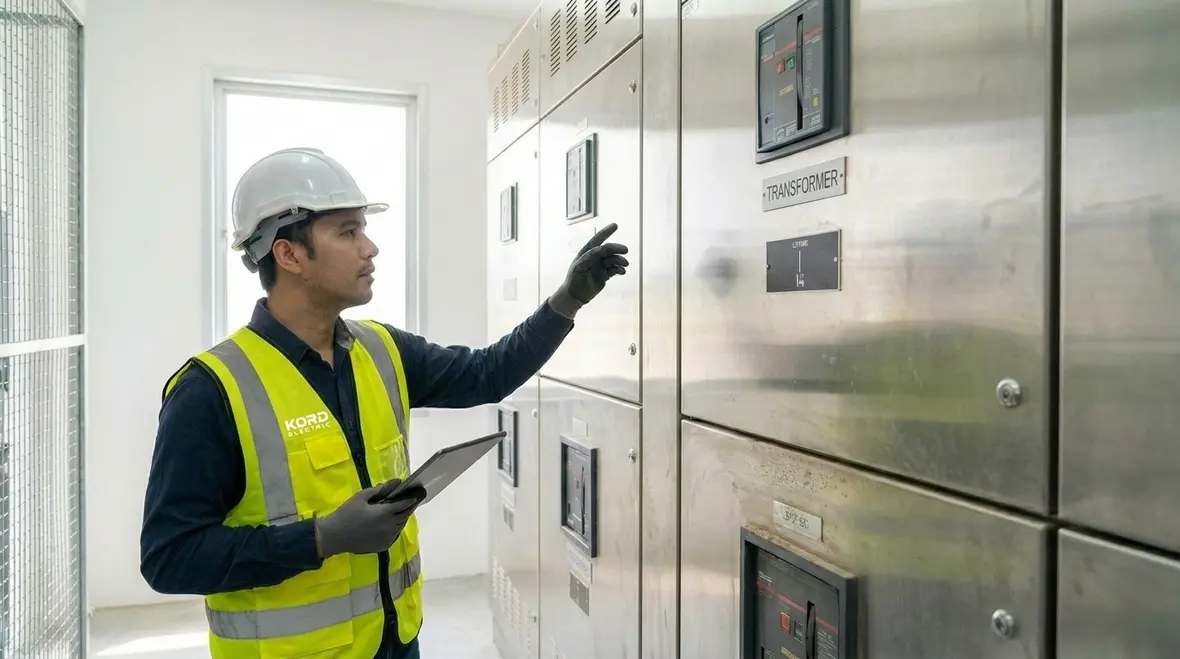
Before anyone touches a tool, we plan. And planning is not paperwork for the sake of paperwork, even if some people treat it that way. We confirm access routes, identify restricted areas, coordinate with facility leadership, and align the audit schedule with operations so we do not create downtime surprises.
Then we define the scope and depth. Some audits require a broad assessment of main distribution and safety controls. Others require deeper checks like terminations quality, grounding continuity, and protection coordination. Our technicians explain what they will do, why they will do it, and what you can expect afterward. That way, site teams can make informed decisions, not guesses.
From there, we request available documentation. This includes one line diagrams, prior test reports, load schedules, maintenance logs, and any equipment nameplate data. If documentation is missing or messy, we do not get stuck. We build a clean picture through field verification.
Because many facilities want the audit to connect directly with ongoing maintenance, we often align our work with structured programs like the ones outlined in Kord Electric’s electrical preventive maintenance services. That way, findings from the audit do not sit in a binder; they flow into real schedules and corrective work.
Step by step: conduct measurements and inspections
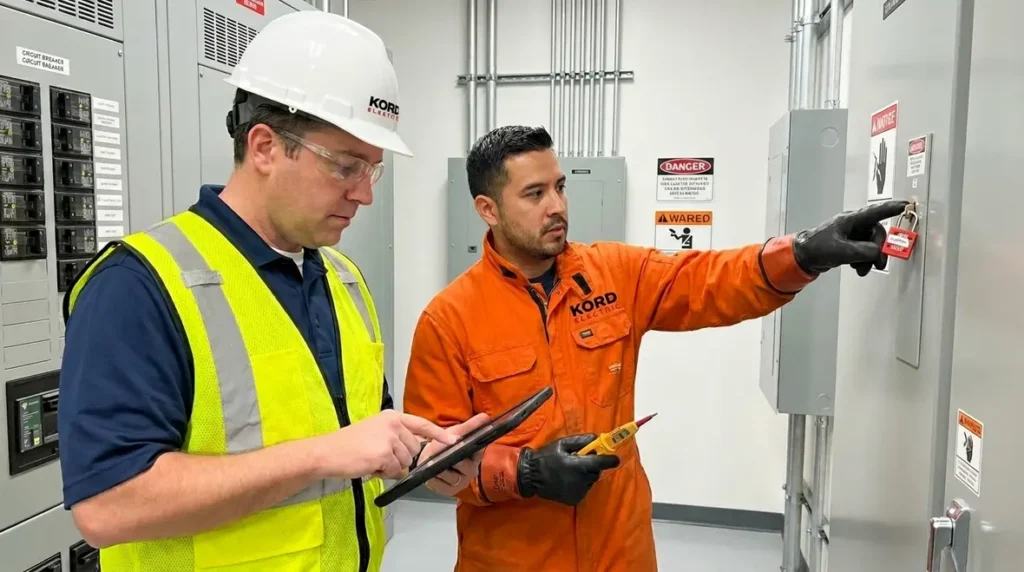
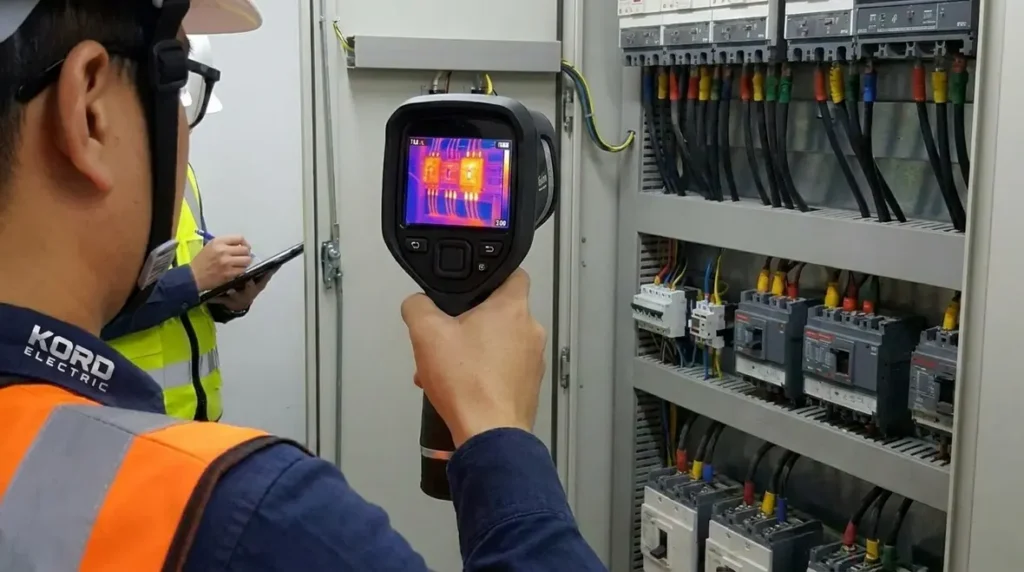
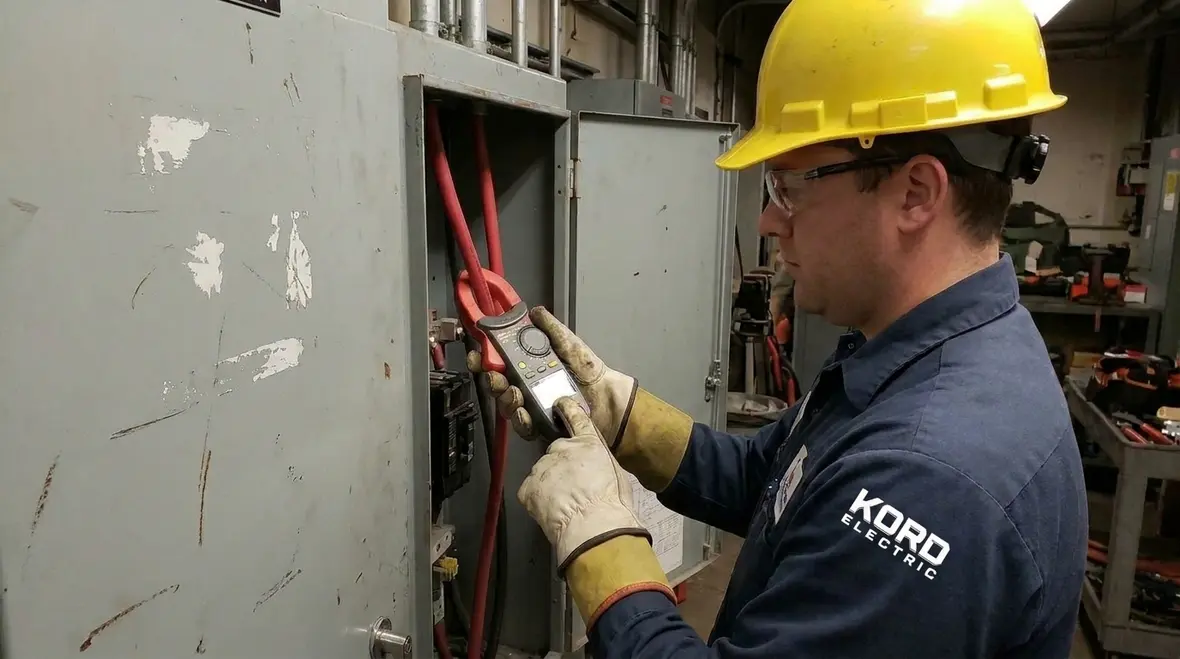
When we start the actual work, we move in a logical sequence so findings stay connected. First, we inspect the physical condition of equipment. We look for overheating signs, corrosion, loose hardware, damaged bus duct sections, missing barriers, and unsafe clearances. After that, we move into the electrical checks.
Technicians often begin with panel and distribution inspection. We verify breaker labeling accuracy, check mechanical tightness where access allows, and confirm that connections look consistent with proper installation practices. We then evaluate grounding and bonding paths, because poor grounding can turn “small faults” into “big problems.”
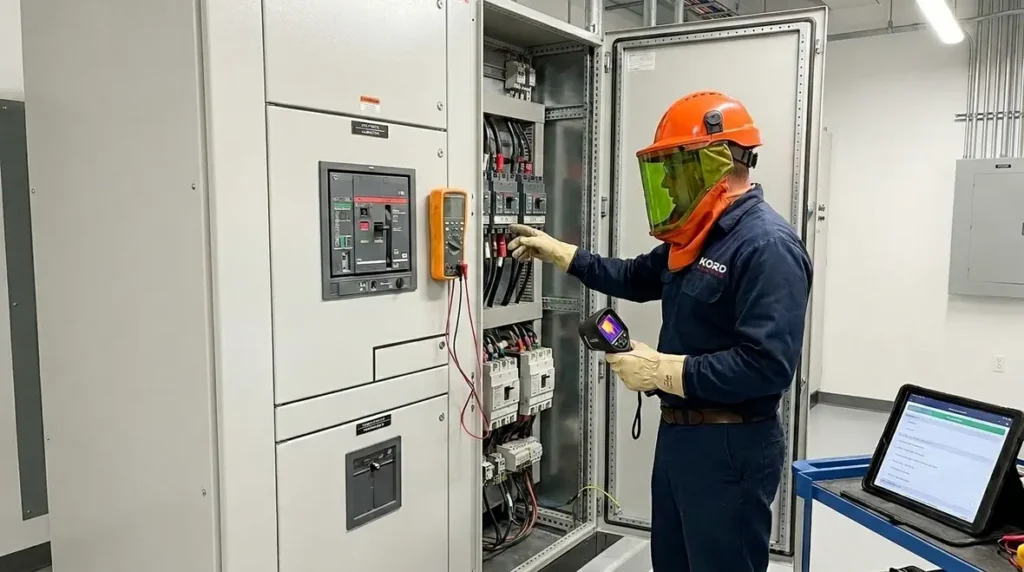
Next, we focus on insulation and conductor health. We use safe testing methods appropriate for the facility type and equipment class. We also check for signs that insulation has aged beyond a reasonable safety margin. Then we evaluate protection devices: relays, fuses, and circuit breakers. We confirm settings align with the design intent and actual load behavior.
Finally, we review power quality indicators. We assess how voltage, harmonics, and frequency stability affect sensitive loads. While some facilities think power quality is a “later problem,” we treat it as a live issue because motors, drives, HVAC controls, and process equipment can suffer quietly before they fail loudly. When needed, this is the point where we might tie in additional diagnostics using processes similar to the dedicated voltage fluctuation services for commercial and industrial facilities, so underlying instability does not get ignored.
How we analyze loads and fault risk
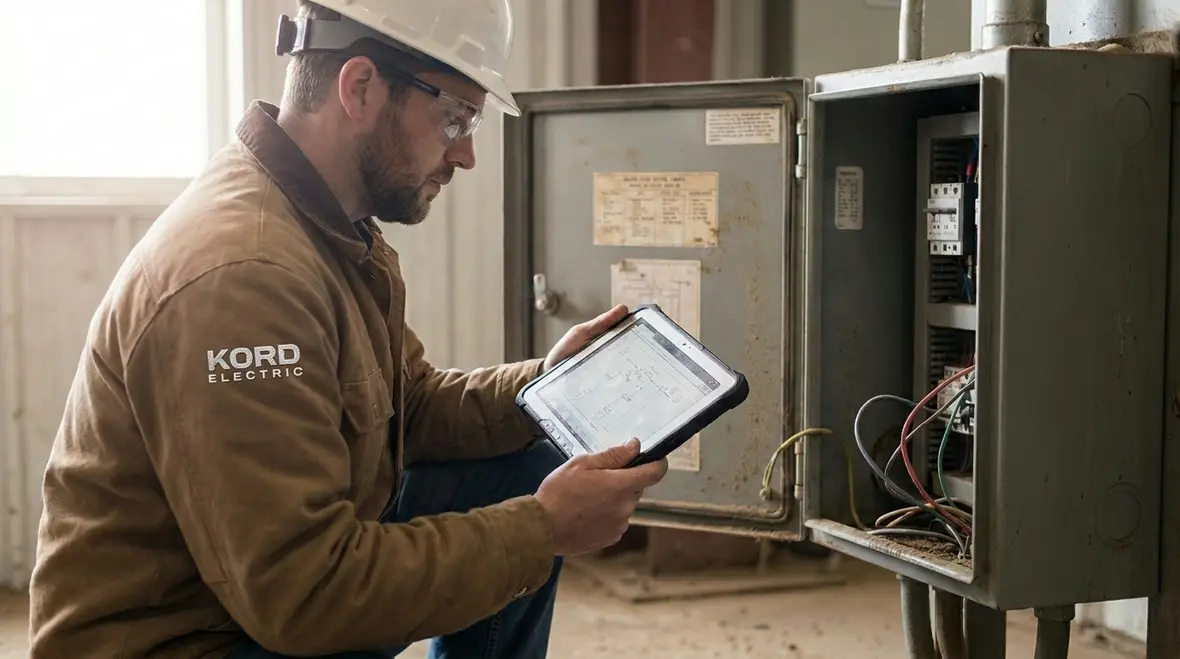
A good electrical facility audit checklist does not end at measurement. After fieldwork, we analyze results against design assumptions and current operating conditions. We review load profiles, diversity factors, and demand patterns to identify equipment running near limits. Where the math suggests strain, we recommend adjustments or upgrades.
Then we consider fault risk and fault clearing performance. We examine whether protection devices will act quickly enough for the fault conditions we observe and the system configuration we verify. We also look at whether coordination is still valid given any past changes in equipment, wiring, or operational behavior.
Because many commercial and industrial sites evolve, we check for “system drift.” Sometimes someone adds loads years later, sometimes a panel gets reconfigured, and sometimes maintenance replaces parts that do not match the original performance intent. If left unaddressed, those gaps can increase downtime risk. We do not blame anyone. We just fix the situation with clear recommendations.
What the report includes and how we communicate it
We deliver results in a way facility teams can use immediately. Our report typically includes executive findings, technical details, and an action plan. First, we highlight safety and code related concerns. Next, we list operational risks such as nuisance trips, overheating potential, and power quality issues tied to equipment behavior.
Then we provide prioritized recommendations. We separate urgent work from planned work and we explain each item’s impact. For example, we may suggest a breaker inspection strategy, a grounding improvement plan, or a coordination study where it matters most. We also state expected benefits in practical terms: fewer outages, safer operation, better maintenance efficiency, and improved system confidence.
Our technicians do not disappear after the last test. They walk site leadership through the findings and answer questions. We explain the “why” in plain language. And yes, sometimes we also laugh at how confusing one line diagrams can look when they are photocopied from a decade ago. Still, we make them readable again.
How often should commercial facilities schedule an audit?
The right frequency depends on equipment age, operating intensity, and history of issues. However, many commercial and industrial facilities benefit from scheduled audits at intervals that match operational risk and maintenance cycles. If a facility adds new production lines, upgrades HVAC systems, installs solar or generator tie ins, or changes process loads, an audit should follow those changes.
Additionally, facilities that experience recurring breaker trips, unexplained voltage problems, or chronic hot spots need a more urgent review. We treat those symptoms like smoke. You do not wait for a full fire to find the source. Our expert service staff can help define an interval plan that keeps the facility stable without turning every year into a disruption.
For many busy properties, pairing recurring audits with a structured electrical maintenance plan similar to Kord Electric’s commercial and industrial electrical maintenance programs creates a predictable rhythm. Audits flag issues, maintenance plans resolve them, and the facility avoids the boom-and-bust cycle of emergency-only repairs.
Common pitfalls we help clients avoid
Many electrical audit efforts fail for predictable reasons. We see the same mistakes across major property buildings, especially where teams rely on quick visual checks only. A look around the room is helpful, but it does not measure risk. Another pitfall is focusing only on one piece of equipment, like a panel, while ignoring the upstream protection behavior or the downstream load conditions.
Some teams also skip power quality review, then later struggle with equipment malfunctions that do not make sense. Others accept outdated documentation and treat it as truth. When nameplates, wiring paths, or labels do not match reality, troubleshooting becomes a scavenger hunt.
Kord Electric prevents these issues through structured verification and consistent documentation. We follow the facility electrical audit checklist approach from start to finish, and we use our technicians to ensure the findings are reliable enough to guide investment decisions.
FAQ
Ready to strengthen electrical reliability for your facility?
Kord Electric helps commercial and industrial buildings avoid outages, safety risks, and power quality surprises by delivering a thorough facility electrical audit with clear next steps. Our technicians and expert service staff explain findings in business friendly language and prioritize repairs based on real risk. If your facility has added new loads, faced nuisance trips, or shows signs of overheating, schedule an audit before small issues turn into major downtime.
Because an audit often uncovers opportunities for ongoing care, many facility leaders pair their findings with structured electrical preventive maintenance services. This combination turns one-time insight into a long term reliability strategy that protects operations, budgets, and building reputation.
Kord Electric also provides targeted support when the audit reveals areas that need immediate action, from 24/7 emergency electrical services to focused system upgrades. That way, the same team that documents the risks can stay with you through resolution and verification.
If your building’s story now includes new machinery, added tenant loads, or unexplained breaker behavior, this is the moment to put a disciplined facility electrical audit checklist to work. Contact Kord Electric today to plan the scope, align with your operations, and keep your electrical system one step ahead of demand.
To explore a related service that pairs naturally with an audit, review Kord Electric’s dedicated electrical preventive maintenance programs for commercial and industrial facilities. These services transform one-time inspections into an organized, long term strategy for safe, reliable power.