

Smart Building Integration for Electrical Reliability
At Kord Electric, we focus on commercial smart building integration that quietly improves how electrical systems behave in real time. Instead of treating power like a mystery novel, we help building teams make it readable: clearer loads, smarter protection, and faster recovery when something goes wrong. As others install parts and hope for the best, we map the entire electrical story, then tie it to controls, monitoring, and reporting.
And yes, we also explain it in plain language. Our technicians and expert service staff walk facility teams through what we see, what it means, and what we do next. Because the only thing we want to overload is your confidence, not your panel.
How smart building integration improves electrical reliability
Electrical reliability fails in predictable ways, even when the symptoms look random. A circuit ages, a connection loosens, a transformer runs hotter than it should, or a load changes seasonally. Then the building team scrambles, and the lights decide to act like they are auditioning for a suspense movie.
With commercial smart building integration, we link electrical equipment data to building operations. Consequently, we move from reactive repairs to guided maintenance. For example, we can monitor trends in voltage, current, harmonics, and temperature, then flag abnormal patterns before they become outages.
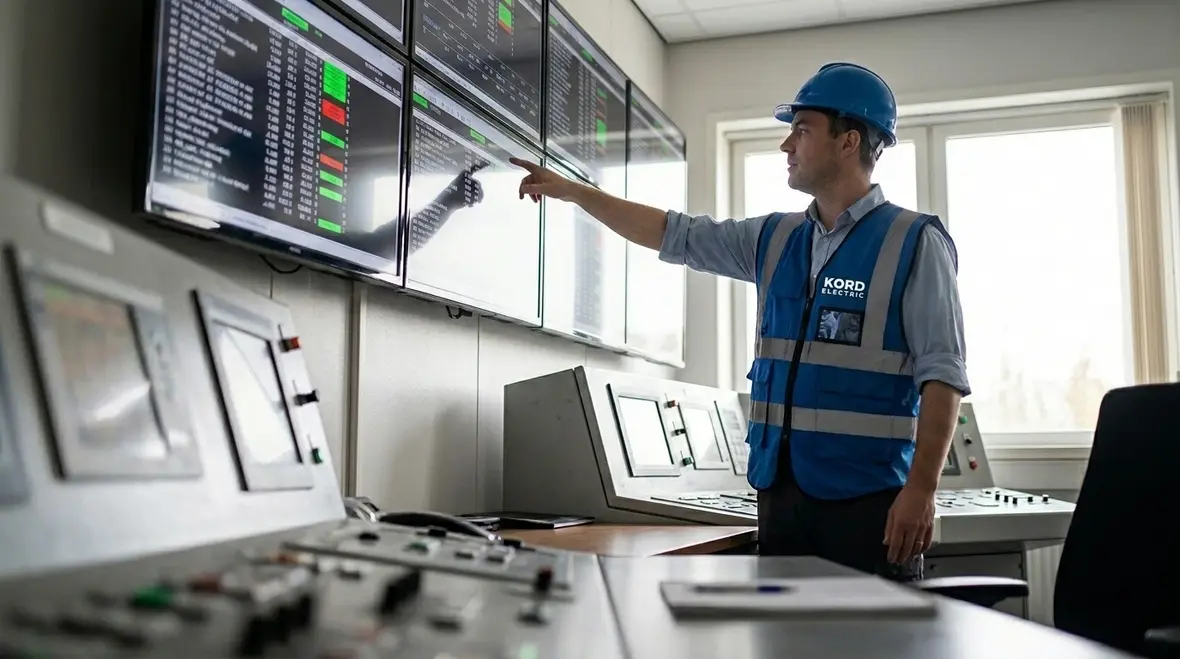
In addition, this approach improves reliability during daily operations. When building management schedules HVAC changes, EV charging, kitchen loads, or production cycles, electrical monitoring helps confirm that the system stays within safe limits. Therefore, the building does not just consume power, it communicates its needs.
Our technicians work directly with facility stakeholders, and our expert service staff explains each signal like a calm tour guide. If a waveform looks off, we show the team where the issue starts and how it spreads. That clarity reduces downtime because the team does not chase ghosts.
Real time monitoring that helps prevent nuisance failures
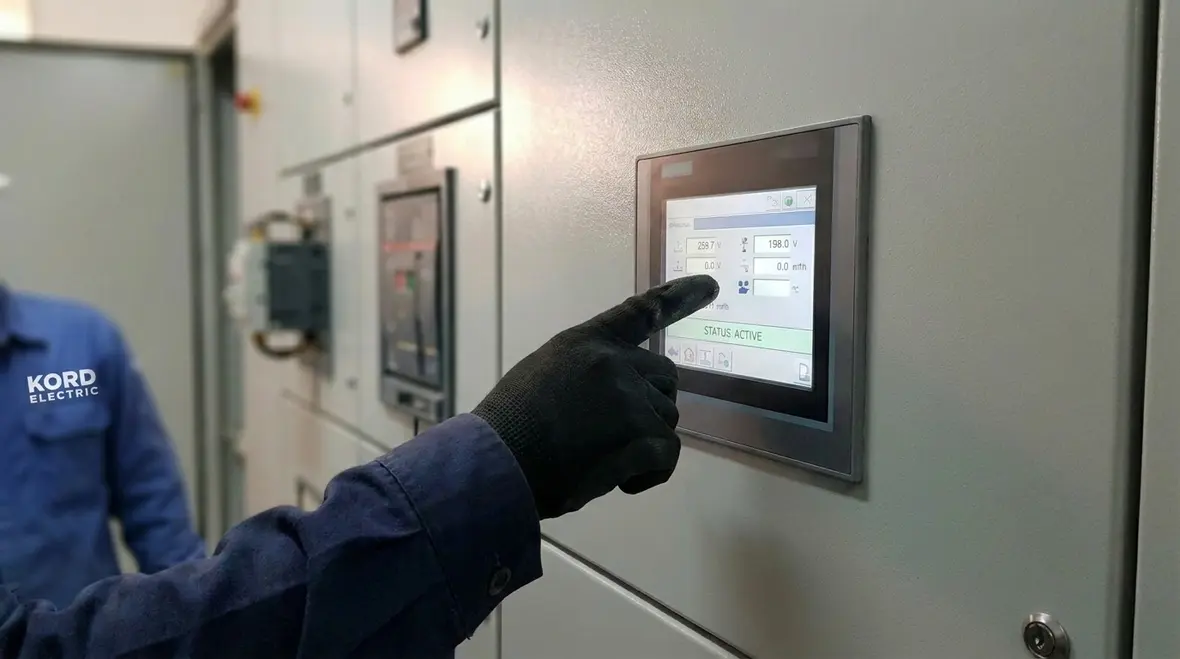
Reliability is not only about big failures. Nuisance trips, repeating undervoltage events, and “almost problems” can wear out equipment and frustrate operations. So, we deploy monitoring that captures the details that typical alarms miss.
First, we gather data from switchgear, panels, UPS systems, generators, and key feeders. Then we connect that data to building control platforms so the right people see the right information at the right time. Next, we apply logic that distinguishes normal variation from true faults. This matters because industrial and major property buildings often run complex schedules, and loads do not behave like clockwork.
For instance, a startup surge from motors or compressors can create temporary conditions. Yet if the thresholds are too sensitive, protective devices trip early and cause downtime. As a result, we tune settings and alarms based on actual operating patterns, not guesswork.
And when something does go wrong, we help the facility team act faster. Instead of “we think it’s the breaker,” they get a focused description of the event window, affected loads, and likely causes. That is the difference between guessing and diagnosing. The building stops playing “whodunit,” and starts playing “fixed it.”
Smart protection coordination for stable power
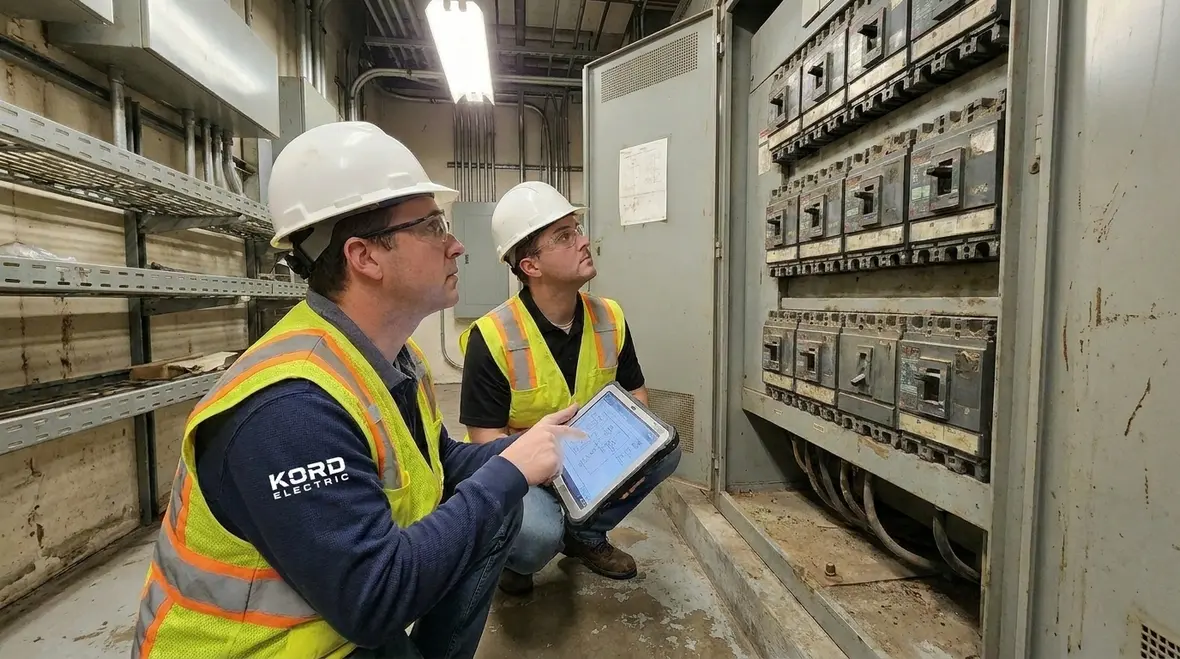
Electrical reliability depends on protection. Yet protection only helps if it coordinates across levels of equipment. If protective devices fight each other, the system can trip too much, trip too late, or fail to isolate the real problem.
We design protection coordination with building behavior in mind. Specifically, we evaluate how switchgear, breakers, fuses, and feeders respond under different load conditions. Then we implement coordination rules that match the facility’s operating reality.
Next, we use the data from commercial smart building integration to validate that the protective strategy works during real events. We compare what protective devices do against what our models predict. If the system shows drifting response times, we adjust the plan. This keeps selective coordination stable as equipment ages and loads change.
Also, smart integration helps with power quality. Harmonics and poor power factor can stress transformers and UPS systems. When monitoring identifies recurring power quality issues, we can recommend corrective action such as tuning filters or adjusting control strategies. The goal is not just to avoid alarms, but to reduce stress that shortens equipment life.
For facility teams dealing with recurring voltage swings or sensitive equipment, pairing smart protection with structured diagnostics can make a real difference. Kord Electric’s work on voltage fluctuations in commercial and industrial facilities shows how data driven analysis and corrective action help stabilize systems before damage occurs.
Demand management that protects capacity
Reliability collapses when the building runs out of capacity or when peak demand triggers unstable conditions. In commercial and industrial environments, peaks can come from production cycles, occupancy surges, temporary equipment, and seasonal HVAC loads. So we treat capacity planning like a living process.
Through commercial smart building integration and power analytics, we help facilities monitor demand trends and identify the exact drivers behind spikes. Consequently, the building team can schedule or sequence loads more intelligently. For example, we can coordinate start times for large equipment, manage noncritical loads during peaks, and support efficient UPS and generator operation.
Transitioning to managed demand also helps with utility communication and compliance goals. Many major property buildings face rate structures that punish unmanaged peaks. When monitoring ties electrical usage to building activities, we reduce unnecessary stress on the electrical infrastructure.
Our expert service staff then explains how demand signals relate to electrical health. We do not just say “lower your peak.” We show what loads push the system, what the system can safely handle, and how to keep operations stable without killing productivity. Because no one wants to shut down a process just to win a math problem.
Faster fault isolation with data driven workflows
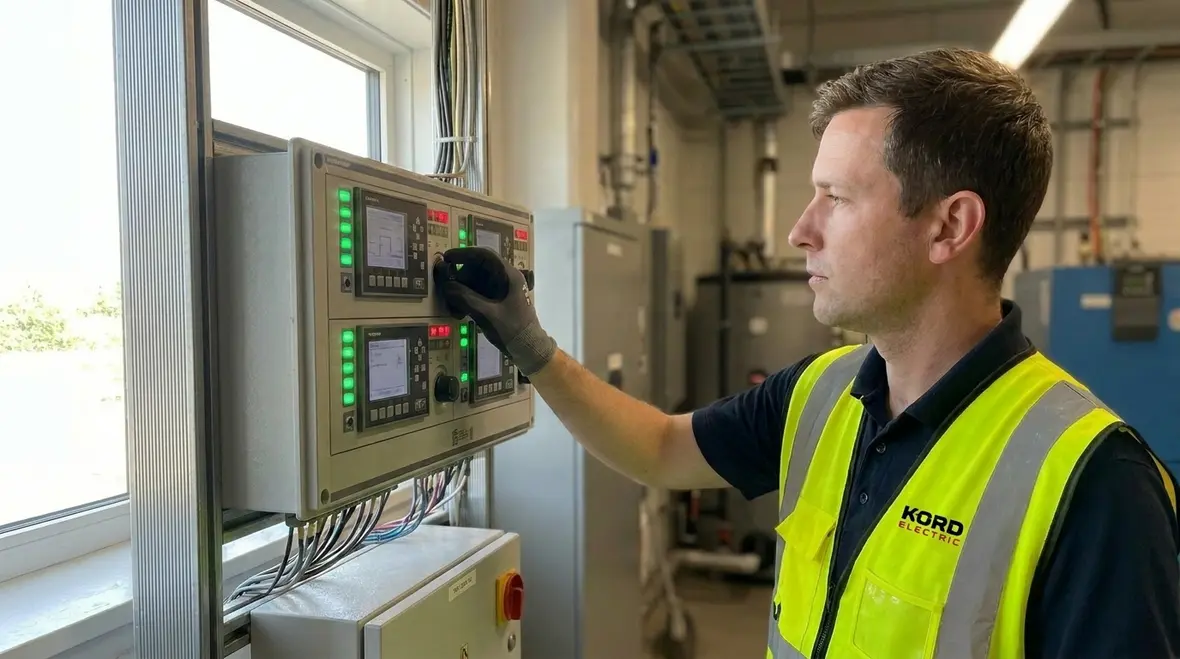
When faults occur, time is the enemy. And in many facilities, time disappears because teams must trace issues manually across panels and feeders. In the worst cases, crews open multiple sections before they find the source, and that creates more risk.
Smart integration changes the workflow. Instead of waiting for a generic alarm, the facility receives a structured event record: where the event happened, which equipment contributed, and what changed right before the fault. Then the team can isolate the source with more confidence.
At Kord Electric, our technicians implement data capture and reporting so the facility can use consistent procedures during incidents. We also support training sessions where our expert service staff demonstrates how to read the information. That training matters because even great tools fail if the team does not trust the outputs.
Also, integration helps after the event. Engineers and maintenance teams can review trends, identify repeated conditions, and plan corrective actions. Instead of “replace this because it broke,” the team can replace with purpose: based on evidence, wear patterns, and operating conditions.
For facilities that want a deeper look at how hidden issues show up long before a fault, Kord Electric’s article on hidden electrical risks in commercial buildings explores how small warning signs inside panels, feeders, and connections can signal bigger reliability problems ahead.
Cyber safe, operationally simple systems for major facilities
Reliability must include security. If a monitoring system becomes unstable or unsafe, facility operations suffer. For commercial and industrial buildings, that is not a theory. So we approach integration with practical safeguards.
We prioritize clean network segmentation, controlled access, and stable data pathways. Then we ensure the monitoring does not burden the electrical environment with unnecessary complexity. In other words, the system should be easy to operate, easy to troubleshoot, and hard to break.
Transitioning to a secure setup also reduces downtime during upgrades. When a facility changes schedules, adds equipment, or expands space, we maintain continuity so the monitoring stays consistent. Consequently, the building team can keep using the same reliability playbook.
Our technicians also keep documentation straightforward. We provide clear diagrams, tag mappings, and event descriptions. That means when someone new joins the team, they learn faster. The goal is not to impress with jargon. The goal is to keep power dependable.
Dual column: what Kord Electric delivers during integration
What we install and connect
- Monitoring on critical electrical equipment
- Data mapping to building control systems
- Alarm logic and event reporting workflows
- Power quality and demand trend visibility
What our expert service staff does next
- Validate reliability through coordination checks
- Tune alarms for real operating patterns
- Train facility teams to interpret data
- Recommend maintenance based on evidence
FAQ about electrical reliability and building integration
Call Kord Electric to improve reliability
If your commercial or industrial facility needs fewer surprises and faster recovery, we should talk. At Kord Electric, we connect electrical systems to building operations through reliable commercial smart building integration, then train your teams to use the information in real workflows. Our technicians and expert service staff help validate protection coordination, improve power quality awareness, and support demand decisions before issues escalate. Contact us today to plan an integration approach built for major property buildings that run hard every day.
Smart building integration also pairs naturally with structured service programs. If your facility is working toward fewer outages and longer equipment life, Kord Electric’s electrical preventive maintenance services help turn monitoring insights into scheduled inspections, testing, and corrective work that keeps critical systems ready.
And for properties that want a single partner across both electrical reliability and life safety, Kord’s sister company Kord Fire Protection supports fire sprinklers, fire alarms, extinguishers, suppression, and inspection programs across Southern California, building a safer, more resilient environment around the same facilities you are upgrading electrically.
Whether you are planning a campus wide upgrade, stabilizing an aging facility, or aligning with preventive maintenance and fire protection goals, now is the right time to connect the dots between data, operations, and day to day electrical reliability.


