Smart Building Lighting Controls for Energy Savings
At Kord Electric, we help commercial and industrial facilities cut waste with smart building lighting controls that respond to real conditions, not guesswork. In the first place, we design systems that dim, schedule, and adjust lighting based on occupancy, daylight, and the way your spaces actually get used. Then, our team coordinates commissioning so sensors, switches, and controls speak the same language. And yes, your lights stop behaving like they are in a permanent “movie set” mode.
In the rest of this guide, we explain how integrating these controls delivers maximum energy savings, what we configure for major properties, and how our technicians walk your staff through the process in plain terms.
Integrating smart building lighting controls for real energy savings
When we integrate lighting controls, we target the biggest sources of lighting energy waste: lights left on when areas sit empty, uniform brightness that ignores daylight, and manual switching that never matches how people move through a facility. Instead of relying on time clocks that lie all day, we pair occupancy sensing, daylight harvesting, and smart scheduling.
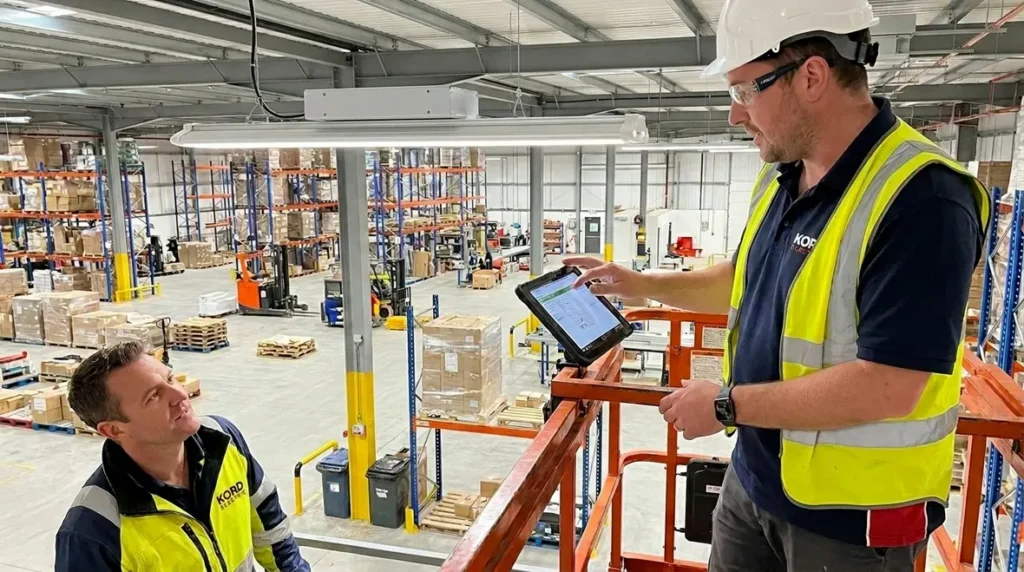
Our approach begins with a walkthrough that looks beyond fixtures. We map usage patterns across offices, corridors, warehouses, parking areas, and specialized zones like maintenance bays. After that, we align lighting zones to how the building is used, so controls do not turn one wing on just because someone walked past the lobby. Finally, we tune the control logic so it ramps lighting smoothly rather than jerking from dark to bright like a bad stage magician.
To keep the results stable, we also plan how staff will interact with the system. We build in manual override that still saves energy, because people need control. However, the system learns the difference between real work and accidental button pushing.
Plan zones, sensors, and switching for how your facility works
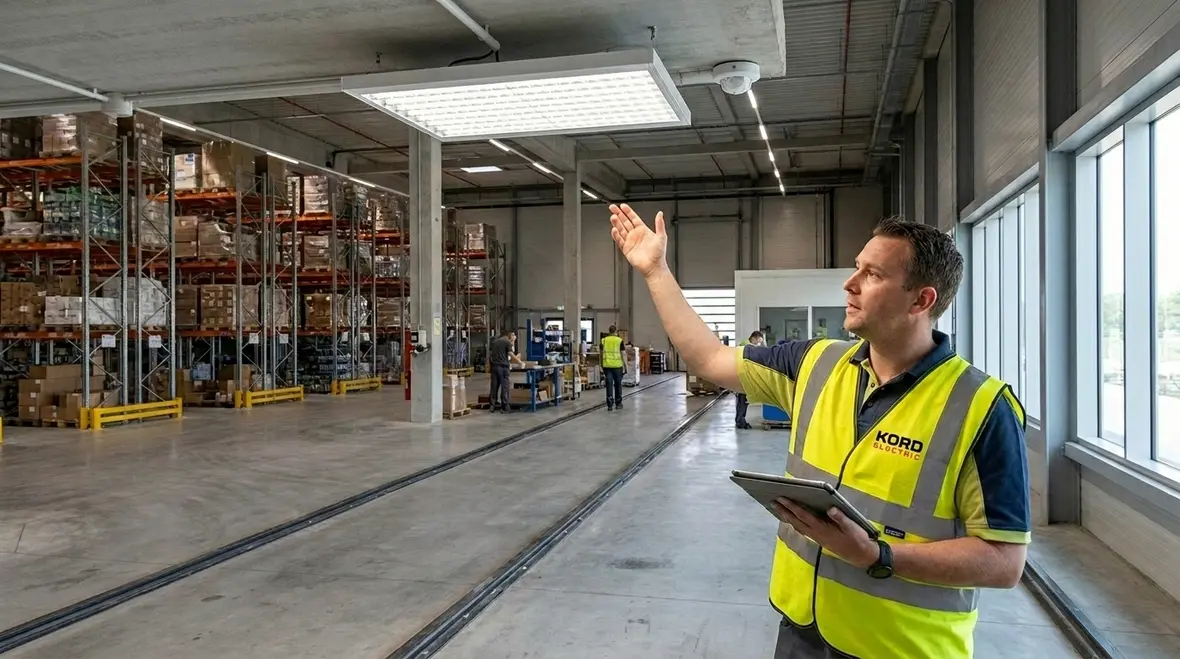
Energy savings show up when the control layout matches real workflows. If your warehouse has zones with different activity levels, we divide controls by those lanes and areas. If your office floors change occupancy throughout the day, we configure controls to avoid “one-size-fits-all” dimming.
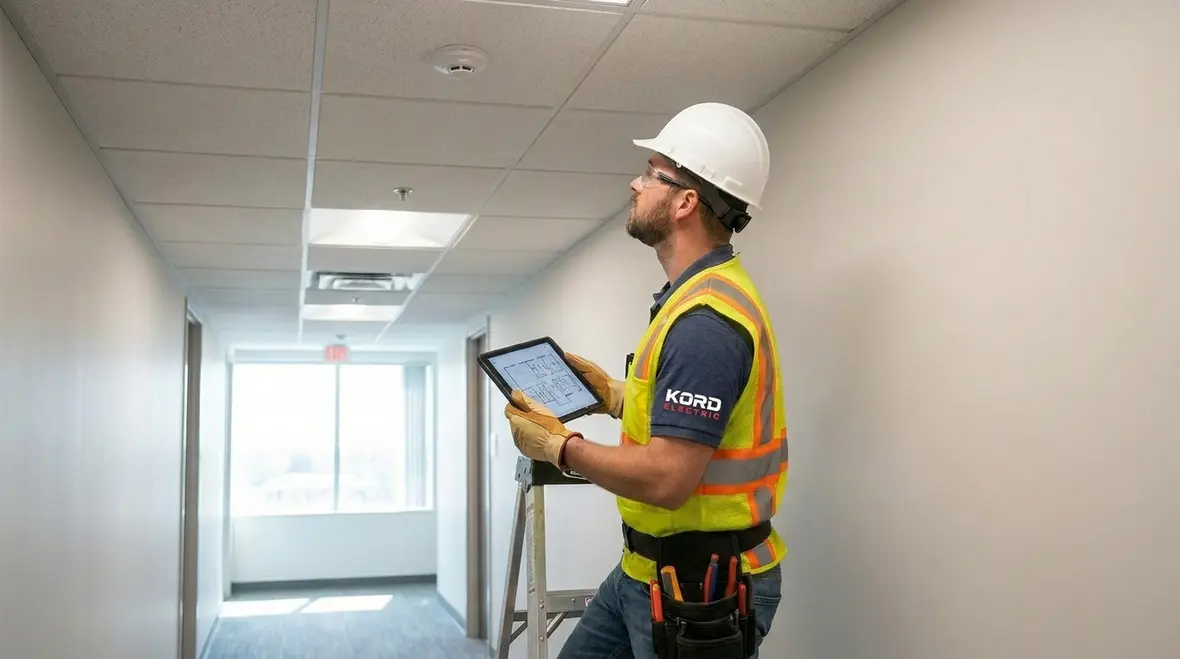
Then we choose sensor types based on environment. Some areas need passive infrared, others need ultrasonic or mixed sensing, and certain spaces benefit from careful placement to reduce false triggers. We also consider mounting height, surface reflectance, airflow patterns, and the difference between task lighting and ambient lighting. In other words, we treat it like engineering, not like tossing a few sensors on the ceiling and hoping.
Next, we coordinate switching behavior. We set rules for what happens during occupancy, after-hours periods, and transitional spaces like stairwells. We also define how the system handles partial occupancy. That means your lights do not blast full brightness because a single person stood near a door. Instead, they reach the level needed for comfort and safety.
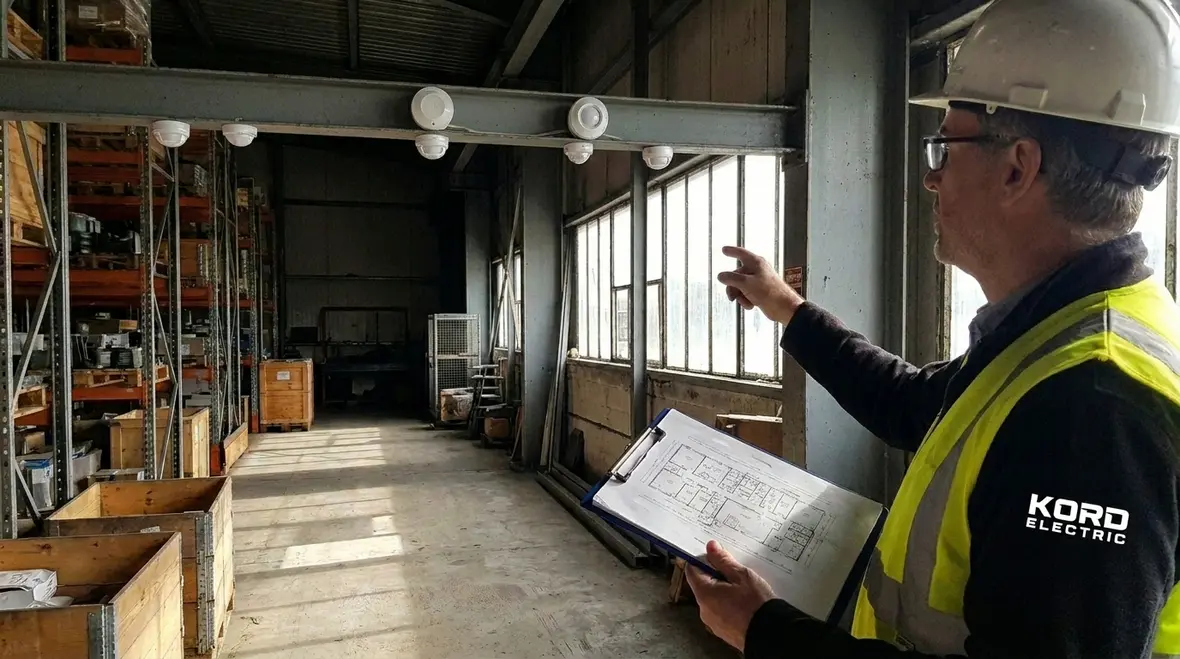
How daylight harvesting reduces waste without annoying anyone
Daylight harvesting cuts energy use in a way people actually notice, and not in a bad way. When we integrate smart building lighting controls with daylight sensors, the system uses available natural light to dim electric lighting. As daylight changes, the controls respond with smooth adjustments that maintain consistent illumination.
However, we do not just install sensors and call it done. First, we calibrate sensor locations so they measure meaningful light levels, not glare from windows or reflection off glossy floors. Then we set target light levels for each zone based on task requirements. After that, we test response time and dimming curves so the transition feels natural to occupants.
Also, we plan for seasonal shifts. Over time, daylight angles and weather patterns change, and the controls should keep performing. That is why we review sensor behavior during commissioning and make corrections if needed. Our technicians explain what they changed and why, so your maintenance team can support it without guesswork.
Use occupancy schedules that match staffing and operating hours
Many facilities run shifts, but lighting schedules often run on outdated assumptions. That is where occupancy schedules matter. Instead of blanket “on” and “off” blocks, we create schedules tied to actual operating patterns and then combine them with motion feedback.
For example, a manufacturing floor might need higher lighting for certain tasks and lower lighting in stand-by periods. Offices might need different levels for daily operations compared to early mornings or after lunch. Parking structures often need controlled lighting tied to traffic flow and security needs.
We also account for exceptions. Cleaning crews, evening classes, and temporary events create patterns that do not fit a rigid schedule. Our system can handle this through override options, time-limited control modes, and event-based adjustments, so your building still saves energy while accommodating real life. If your staff wants lights on for a meeting that ran long, we give them a practical path to do that without turning the entire facility into a lighthouse.

Commissioning, tuning, and training by our expert service staff
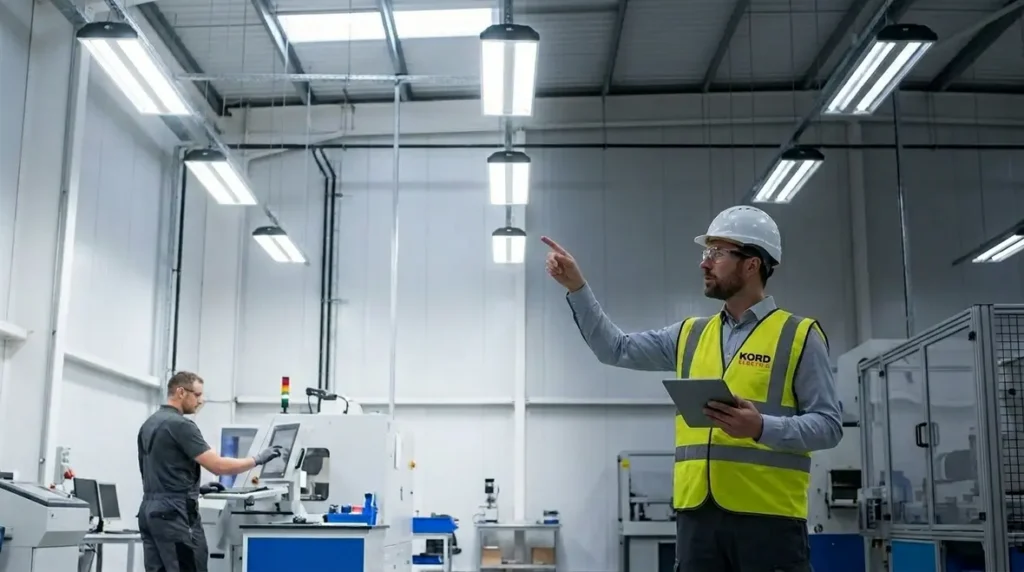
Energy savings do not come only from hardware. They come from correct tuning. So we commission the system as a working system, not as a collection of parts. During commissioning, we verify sensor coverage, confirm switching pathways, test dimming performance, and check how the control panel communicates with drivers and devices.
Then we tune thresholds and time delays. We set occupancy hold times so lights do not cut out mid-task. We adjust daylight setpoints to keep illumination steady as clouds pass. We refine priority rules so safety and code needs stay met even during energy-saving modes.
After tuning, our technicians walk your team through the operation. We explain what your operators can control, what the system controls automatically, and what maintenance actions matter. We do not hide behind jargon. We keep it calm, clear, and practical. If you have ever tried to decipher a control panel label like it was written in invisible ink, you will appreciate this part.
To keep performance consistent over time, we document settings and provide guidance for future updates. Then, if the building layout changes or new tenants move in, we adjust the control plan instead of letting the system drift.
Measure results and keep savings stable month after month
Once the system runs, the next job starts: confirming performance. We help facilities track results so you can see savings in energy use and demand behavior. We also verify that the controls keep working as occupancy patterns shift.
Here is what we focus on during measurement and support. First, we check lighting runtimes and compare them to baseline periods. Then, we validate dimming levels across daylight conditions. After that, we monitor sensor behavior for drift, misalignment, or changes in room usage.
Next, we review fault logs and communication health so issues do not grow quietly. If a sensor gets covered during maintenance or a fixture replacement changes light output, we catch it early. Finally, we help you decide whether adjustments are needed for peak demand targets, operational changes, or tenant improvements.
To make this easy for decision makers, we often present insights in a clear format. Here is one example structure we use during reviews, once, not repeatedly like a boring safety video.
| What we measure | How it shows savings |
| Lighting runtime and occupancy behavior | Lower unnecessary hours and fewer full brightness periods |
| Dimming performance under varying daylight | Reduced watts while maintaining consistent illumination |
| Control events and overrides | Ensures manual use does not remove energy savings |
For facilities that want to go deeper, these measurements also support broader electrical reliability planning, from voltage stability checks to preventive maintenance programs that keep systems ready for growth instead of just reacting to problems.
If your plant or property team is already working through topics like automated lighting control benefits, California commercial lighting code requirements, or even electrical system troubleshooting for factories, smart building lighting controls give you a practical way to turn those insights into everyday savings, not just another binder on a shelf.
FAQ about smart building lighting controls for commercial and industrial sites
Final word from Kord Electric: let’s build savings into your lighting
Energy waste does not need to be your brand identity. Kord Electric helps commercial and industrial facilities integrate smart building lighting controls that cut runtime, reduce watts through daylight harvesting, and stay tuned for real occupancy. Our technicians handle commissioning, then we train your staff so day to day operation stays simple and calm. If you want maximum savings without turning your building into a science project, contact us today for a site assessment and a control plan that fits how you actually run.
For facilities operating in and around Southern California, these lighting strategies often pair well with broader support such as Los Angeles County electrical services for commercial and industrial sites. That way, your lighting controls, distribution equipment, and future upgrades all follow the same plan instead of competing with each other.
If you are already planning electrical improvements, considering code updates, or reviewing energy performance with your leadership team, building smart control into today’s projects can prevent tomorrow’s headaches. A well-tuned lighting system becomes one of the simplest ways to show measurable progress on both energy savings and occupant comfort, shift after shift and month after month.