Smart Lighting Building Integration for Facilities
At Kord Electric, we install smart lighting building integration that helps commercial and industrial facilities run with less waste, better control, and calmer conditions for people inside the space. In the first place, we connect lighting to sensors, schedules, and energy monitoring so your building can make smarter decisions without you chasing switches like it is a never ending scavenger hunt. And yes, our team does explain what we do in plain language, because nobody hired us to translate a mystery box. We are focused on major property buildings, warehouses, manufacturing sites, offices, and multi tenant sites where efficiency is not a “nice to have” goal, it is a business requirement.
How smart lighting building integration improves facility performance
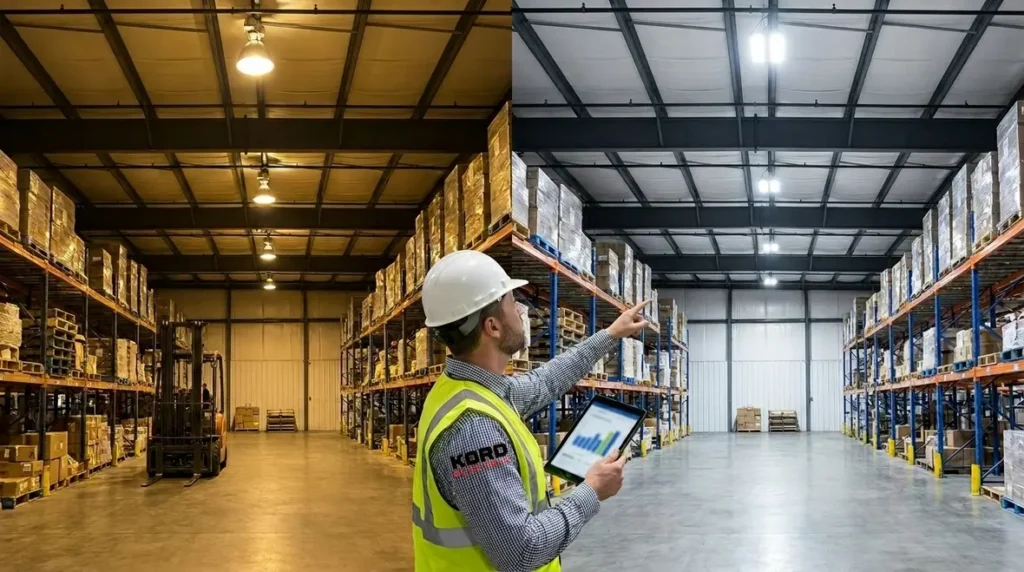
Facility performance does not live in one department. It lives in every moment a space is lit, cooled, and used. With smart lighting systems, we help buildings reduce electricity use while keeping light levels consistent. To do that, we design control logic that matches real occupancy patterns. For example, a loading dock does not need the same illumination as a conference room, and it definitely should not run at full brightness when the forklift parade is not happening.
Additionally, we can tie lighting behavior to time schedules, daylight levels, and motion detection. As a result, lights dim when a zone is empty and brighten when workers return. This supports comfort, lowers glare, and helps visual tasks stay reliable. Also, many commercial and industrial spaces have multiple shifts. We program scenes for shift changes so the building does not “wake up” like it is late to work.
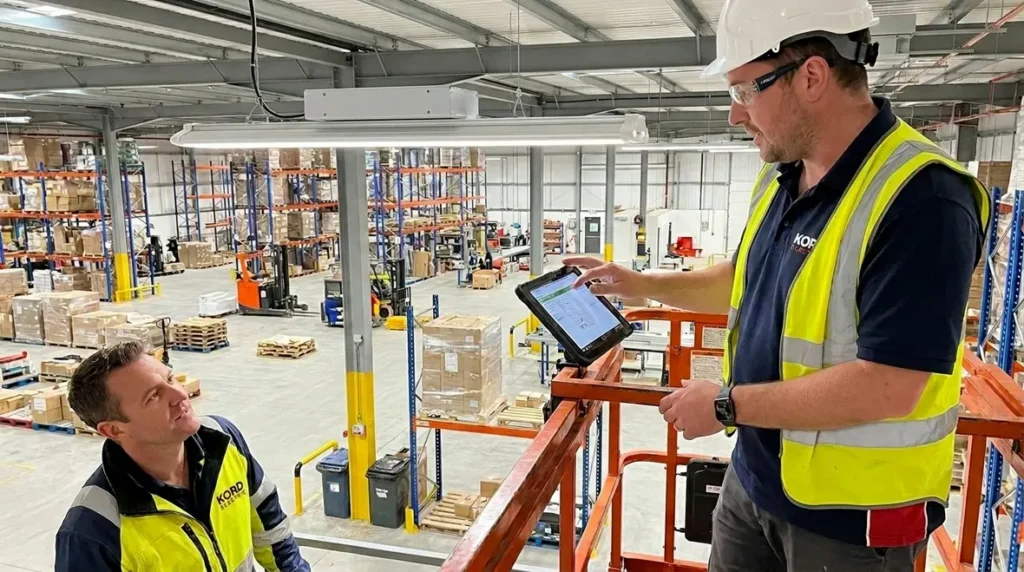
Our expert service staff walks owners through what the system is doing and why, step by step. We do not just hand over an app and hope for the best, because that is how you end up with a building that thinks it is on vacation.
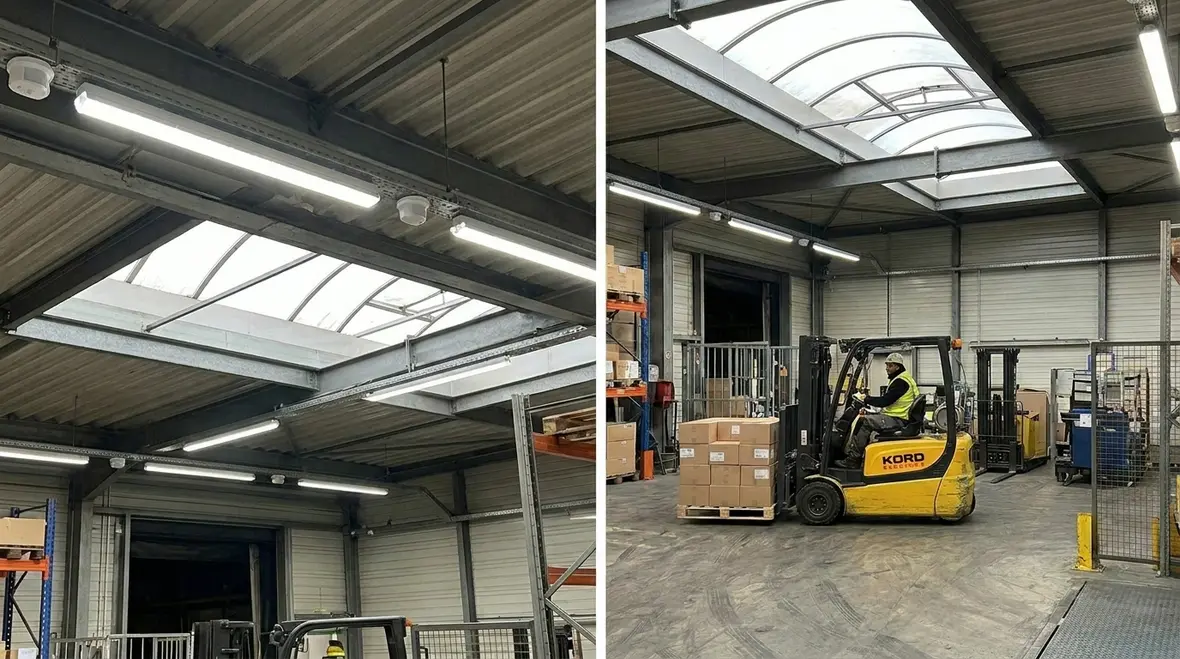
In many cases, smart lighting building integration also pairs well with structured service programs. Facility teams who already focus on electrical preventive maintenance for panels, distribution, and emergency systems can fold lighting controls into the same mindset, treating them as another critical asset rather than a one time upgrade.
Where intelligent lighting control delivers the biggest ROI
Not every area saves money the same way. So we start by mapping how the facility actually operates. Then we select controls that target high use zones and problem areas. For many commercial and industrial facilities, the largest gains come from:
- Warehouses and distribution spaces where long hours and large footprints cause steady energy draw
- Production floors where consistent light helps reduce errors and supports safer work practices
- Office buildings and mixed use campuses where daylight and occupancy vary throughout the day
- Parking structures and exterior corridors where lighting schedules can tighten and reduce wasted runtime
Meanwhile, we also account for maintenance costs. Traditional relays and timers often fail in ways that create “always on” lighting. When components age, systems drift. In contrast, controlled and monitored lighting helps teams spot issues earlier. Therefore, downtime shrinks and repairs become planned instead of emergency fueled.
In other words, intelligent lighting is not only about electricity. It also supports uptime, safety, and predictable budgets. And if there is one thing facility managers and owners can agree on, it is that surprise expenses are the worst kind of surprise. They never bring cake.
When facilities begin planning broader improvements, lighting control often sits alongside recessed lighting installation, panel upgrades, and other commercial electrical work. Coordinating these projects can unlock even better ROI by upgrading fixtures and controls together instead of treating each as a separate, disconnected task.
Designing zones, sensors, and scenes that match real occupancy
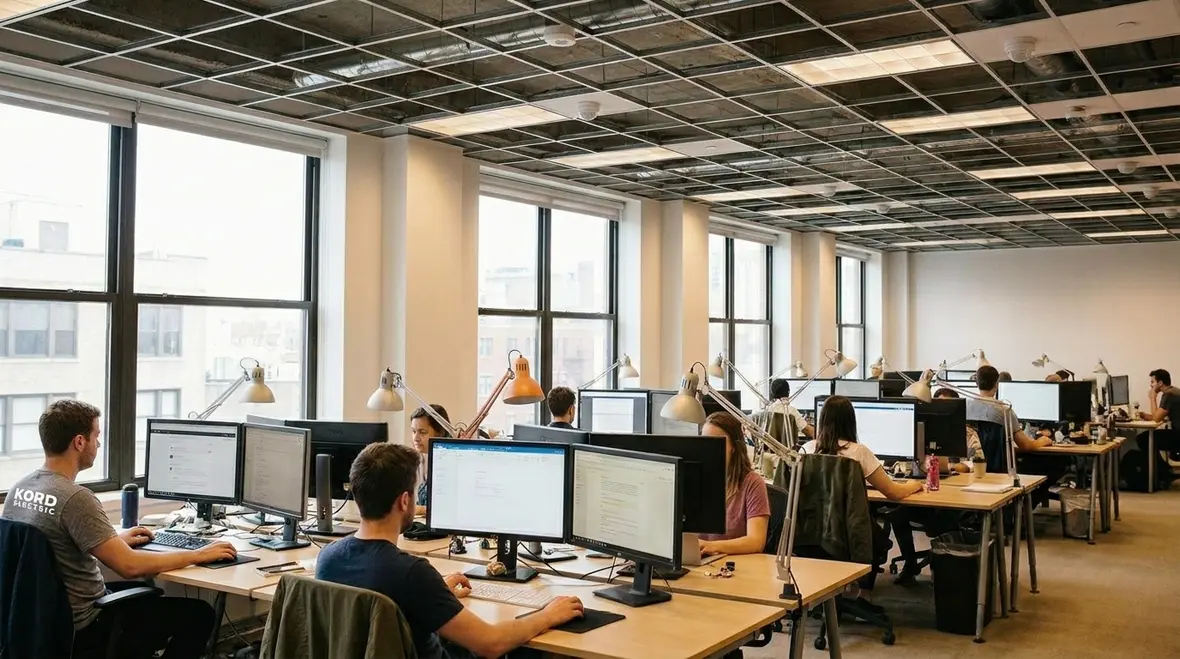
We approach design like we are building a playbook for how the site works. First, our technicians review floor plans, lighting layouts, and operational routines. Then we define zones so controls respond at the right scale. If zones are too broad, the system can turn lights off in the wrong place. If zones are too small, installation and management become unnecessarily complex. So we keep it practical for a facility team to operate and maintain.
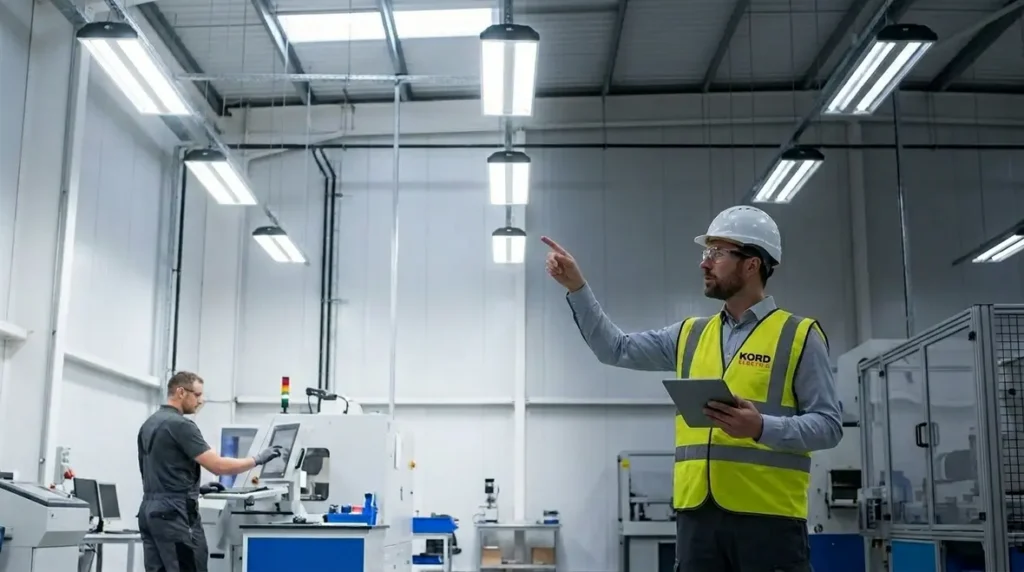
Next, we place sensors thoughtfully. Motion sensors help where people move in predictable patterns. Daylight sensing helps near windows and skylights, so the building does not over light just because the sun is doing its job. We also configure scenes that align with workflow: start of shift, task work, breaks, after hours, and cleaning cycles. As workers move through zones, the lighting adapts without making people feel like they are inside a science experiment.
To keep everything stable, we fine tune settings for sensitivity and hold times. Additionally, we verify coverage so there are no dark pockets where safety lighting depends on visibility. Our experts then test and adjust the system in the real conditions of your facility, not just in a showroom.
For major property campuses or mixed environments with office, production, and warehousing under one umbrella, we also consider how smart lighting building integration supports future changes. New equipment lines, reconfigured departments, or tenant build outs are easier to handle when the control strategy was designed with flexibility from day one.
Energy metering and reporting that leaders can actually use
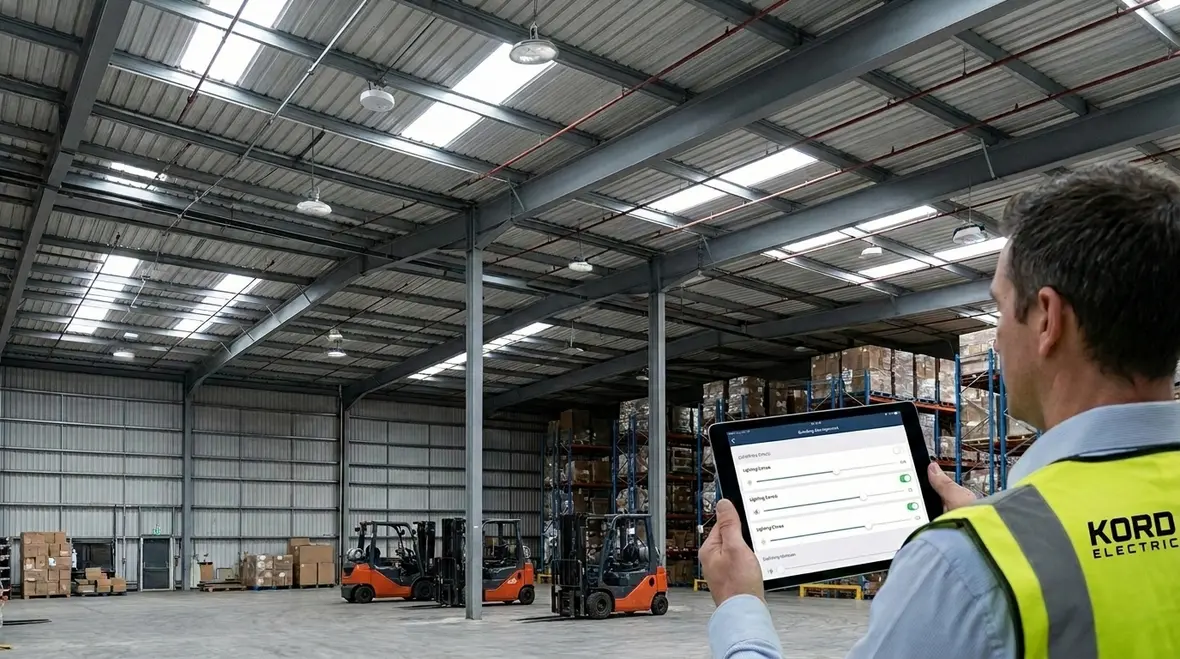
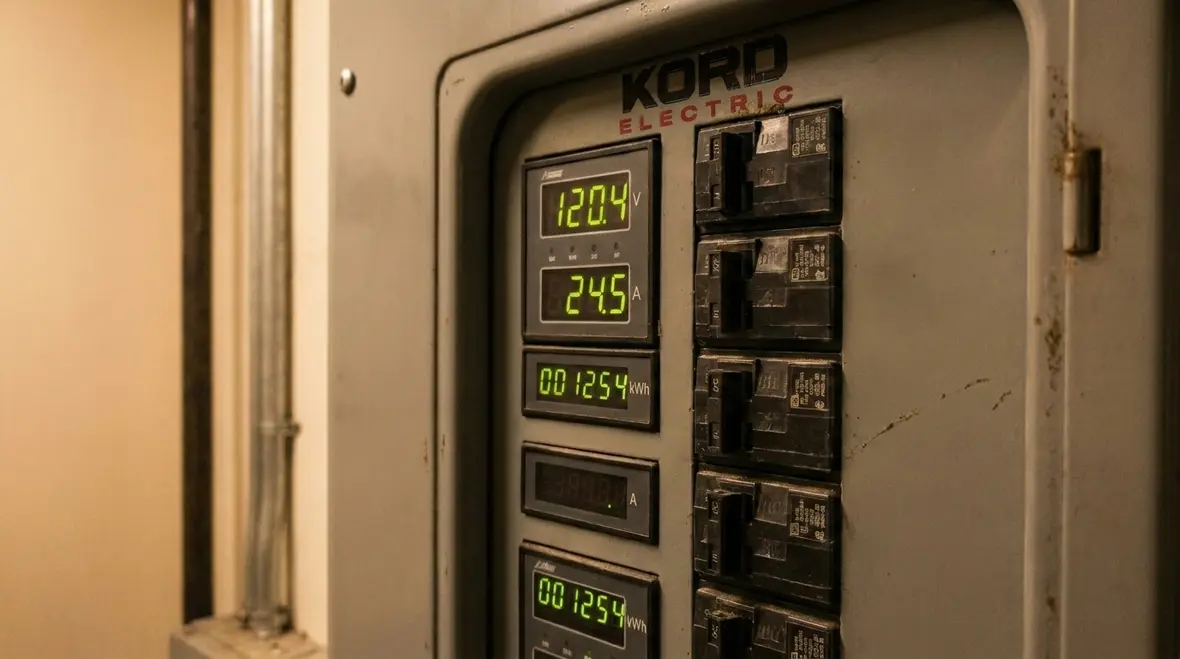
Advanced controls matter most when owners can measure results. That is why we incorporate metering and reporting approaches that support commercial and industrial decision making. We help track energy use patterns by area and by schedule. Then we provide summaries that explain what changed and what savings trends look like over time.
Instead of vague promises, we focus on actionable data. For example, we can compare before and after runtime in key zones. We can also identify which locations still behave inefficiently, then adjust scenes or occupancy settings. Therefore, performance improves in stages rather than hoping for one big “set it and forget it” win.
Moreover, reporting supports compliance and internal sustainability goals. Many major property owners need documentation for energy programs and audits. In that case, clean logs and organized records become more than paperwork, they become evidence of good engineering.
And yes, we do explain the reports. Our expert service staff speaks plainly and patiently, because not everyone should need a degree in electrical wizardry to understand lighting trends.
Smart lighting building integration can also complement larger strategies, such as voltage management, panel maintenance, and commercial electrical distribution design. When energy data ties together across systems instead of living in separate silos, leaders get a clearer view of where to focus the next round of improvements.
Smart lighting integration with existing electrical systems
Commercial and industrial facilities rarely start from scratch. So we plan smart lighting upgrades around what is already installed. We review panels, circuits, lighting types, and control wiring. Then we select the right approach for each area. Sometimes that means adding control modules and upgrading fixtures. Other times it means optimizing controls tied to existing infrastructure.
During implementation, we keep operations in mind. We schedule work to reduce disruption and maintain safe power handling practices. We also label circuits clearly and document changes so your facility team can manage the system long after installation day. Because if the building team cannot understand the layout, you do not have a system, you have a riddle.
Additionally, we consider how lighting interacts with other building systems. For example, occupancy strategies can align with HVAC schedules in a way that reduces over conditioning. When lighting and temperature decisions support each other, the building runs with fewer conflicts. As a result, energy efficiency becomes more than a single number. It becomes a steady pattern.
For facilities that also plan EV charger installation, panel upgrades, or other commercial electrical services, integrating smart lighting building integration into the same roadmap can simplify shutdown coordination and reduce repeated disruptions. One coordinated plan usually beats several disconnected projects fighting for calendar space.
We also train staff on basic operations. That way, your team does not fight the system when a schedule changes or a space reconfigures.
Common challenges and how we prevent them
Every project has friction points. We address them early so you do not pay for mistakes twice. Here are common challenges we prevent:
- Inconsistent lighting levels across zones, which we avoid by calibrating sensor placement and scene settings
- Lights turning off too soon, which we reduce by tuning occupancy hold times for the way people actually work
- Over reliance on a single control method, which we solve by combining daylight sensing, scheduling, and motion cues
- Hard to manage systems, which we prevent by keeping layouts logical and documentation clear
Furthermore, facilities often have unique constraints. Some zones need near constant illumination for safety procedures. Other areas need flexibility for temporary workstations. We design the system so it supports those realities. Therefore, the smart lighting building integration serves your operation, not the other way around.
And if you are worried about adoption, you are not alone. People can be skeptical, like when a streaming service changes the button location again. That is why we explain the controls in a way that helps staff feel confident, not confused.
Ongoing support also matters. Pairing smart lighting building integration with electrical preventive maintenance and structured inspection programs helps catch issues before they interrupt production, tenant comfort, or life safety systems. Instead of reacting to complaints, your team gets ahead of them.
FAQ
Below are answers to common questions facility managers and property owners ask when they first consider smart lighting building integration for commercial and industrial sites.
Below is a quick view of what we typically focus on, based on facility priorities. The details vary by site, yet the goal stays consistent.
| Facility priority | How we respond |
| Energy savings | Occupancy and daylight control, plus runtime optimization |
| Consistency and safety | Zone design, calibration, and reliable scenes |
| Maintenance reduction | System monitoring and clear documentation |
Upgrade your lighting control with Kord Electric
If you manage commercial or industrial facilities, you already know that small inefficiencies add up fast. With smart lighting building integration, we help you cut wasted runtime, improve lighting consistency, and provide reporting your leadership team can trust. Our technicians and expert service staff guide your project from design through testing, then explain the system so your team stays confident. Reach out to Kord Electric for a site assessment, and let us turn your lighting into a smarter operation, not a daily chore.
For facilities that plan broader electrical upgrades, pairing smart lighting building integration with services like electrical preventive maintenance and other commercial electrical services makes it easier to build a long term strategy instead of a patchwork of one-off fixes. The result is a facility that runs smoother, wastes less, and gives leaders a clearer view of what is happening behind the walls and above the ceiling tiles.
When you are ready to explore what smart lighting could look like in your buildings, connect with the team that works every day inside warehouses, production plants, office towers, and multi tenant campuses. Kord Electric focuses on the realities of serious facilities so your lighting and electrical systems support the work, instead of getting in the way.