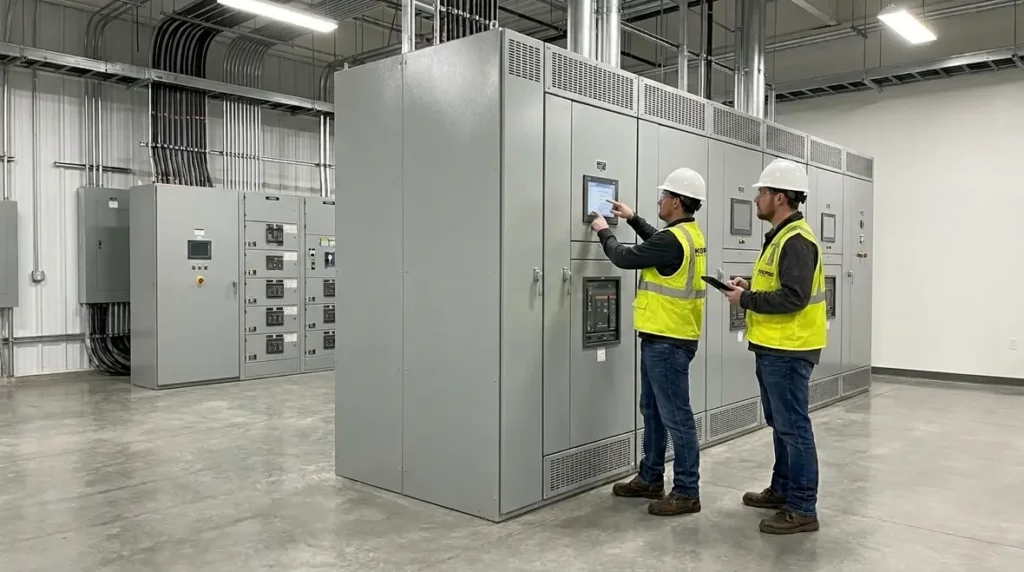
Commercial Electrical Load Balancing Services
Commercial Electrical Load Balancing for Maximum Efficiency
When a commercial building has uneven power use, the electrical system feels it fast, and efficiency quietly slips away. That is why commercial electrical load balancing matters, and why Kord Electric treats it as a practical, day to day mission. In simple terms, we help distribute electrical demand so no panel, feeder, or phase carries a disproportionate share. Consequently, voltage stays steadier, breakers run cooler, and maintenance gets less dramatic than a sitcom season finale.
In this article, our team explains the principles behind load balancing in a way facility managers and property owners can actually use. We also share what our technicians look for on real jobs, because theory is nice, but results keep tenants happier and electricians less stressed. Others may talk about power like it is a mystery, but our expert service staff shows the path from measured imbalance to measurable improvement.
Why Load Imbalance Costs Money in Commercial and Industrial Sites

Commercial and industrial facilities live on schedules, processes, and equipment that pull power at different times. Therefore, imbalance often shows up during shift changes, HVAC cycles, production runs, and elevator peaks. When loads drift across phases, several things happen.
First, one phase can run hotter and age faster. That matters because heat speeds up insulation wear, and wear is expensive. Second, neutral current can rise in certain setups, which can increase losses and stress components. Third, voltage drops can become noticeable, and voltage instability can reduce performance of sensitive gear like drives, control panels, and some process systems.
Now, our technicians do not blame the building. Instead, we treat imbalance like a symptom. We look for how circuits were originally connected, how equipment was added over time, and how operational patterns changed. In many cases, the building works, but it works harder than it should. Like running a treadmill at max speed because you forgot it was set there last week. The device still moves, but it is not efficient.
This is also where smart preventive strategies earn their keep. When facility teams pair commercial electrical load balancing with structured inspections, they catch wear, heat, and misconfigurations long before they turn into emergency shutdowns. Kord Electric highlights this proactive mindset in their guidance on commercial and industrial electrical maintenance plans, where load balance checks, thermal imaging, and documentation all work together to protect uptime.
How Our Technicians Measure Load Distribution Across Panels and Phases
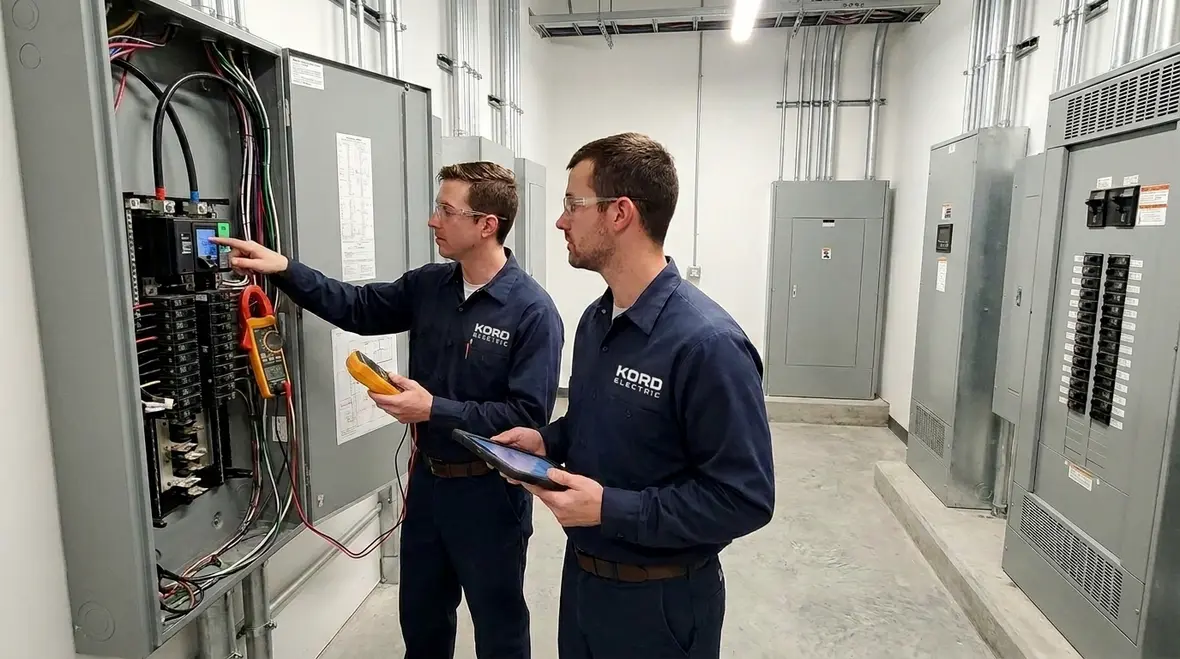
Kord Electric approaches measurement like a calm investigation. We do not guess, and we do not “eyeball” data. We start by gathering electrical information that reflects how the site truly operates, not how it should operate in a perfect textbook.
Typically, our expert service staff reviews:
- Phase current on key panels and switchboards during normal and peak operations
- Trends in load over time, especially during shift transitions
- Harmonics and power quality indicators where they apply
- Branch circuit history, equipment additions, and any recent electrical modifications
Once we collect these signals, we map the results to the distribution scheme. Then we compare what is happening with what the system design expects. As a result, we can identify whether the issue comes from a single large feeder, a set of misassigned circuits, or recurring operational spikes.
We also check practical details. If a facility uses variable speed drives, large motor starters, or non linear loads like some lighting systems and power supplies, the imbalance story may include harmonic behavior. That can increase heating and losses even when total load looks reasonable. In other words, the building can look fine on paper, while the real life behavior says otherwise.
In many larger environments, this diagnostic work ties directly into broader system evaluations, especially where production equipment or data infrastructure cannot afford surprises. It is the same disciplined mindset Kord Electric brings to data center electrical infrastructure essentials, where detailed measurement, redundancy planning, and load tracking support high uptime expectations.
Load Balancing Principles That Actually Hold Up On the Job
Good load balancing follows clear rules, and it also depends on good field judgment. For commercial and industrial facilities, our approach aims to keep phases as close as practical while respecting the electrical design and code requirements that keep people safe.
Here are the core principles we apply:
- Target balanced phase currents across panels, feeders, and related distribution paths
- Group connected equipment logically so recurring loads land on multiple phases rather than stacking on one
- Maintain proper grounding and neutral practices based on system type
- Consider time based behavior, not just a single snapshot measurement
However, we do not stop at “even phases.” We also think about operational reality. Some equipment runs in cycles, and some circuits are critical for uptime. Therefore, the best plan often includes a phased approach to modifications, so production and building operations keep moving.
Our technicians often see a pattern: older facilities grow in stages. When new loads get added quickly, teams may connect them where it is easiest. That keeps the project moving, but it can quietly unbalance the system. Later, facility staff notice overheating, nuisance trips, or recurring voltage complaints. Then Kord Electric steps in, and we rebalance the system with care, not chaos.
In properties that are already dealing with hidden electrical issues, poor commercial electrical load balancing often shows up alongside other quiet risks: overloaded circuits, aging panels, and undocumented modifications. Kord Electric explores those broader patterns in their article on hidden electrical risks in commercial buildings, where imbalanced loads are one of several warning signs worth taking seriously.
Using Smart Circuit Reassignment Without Disrupting Operations
Many people imagine load balancing requires major demolition of switchgear or a full redesign. In real commercial electrical work, it usually does not. Instead, we often improve balance through targeted circuit reassignment, carefully planned switching, and smart scheduling.
First, we build a circuit map. We track which branch circuits feed what loads, where the loads connect, and how each circuit behaves over the day. Next, we identify candidate changes that reduce phase disparity. Then we stage work so the facility keeps serving its tenants and processes.
Our expert service staff coordinates the timing of changes with building leadership. Additionally, we confirm that any new arrangement respects equipment ratings, breaker sizing, and any short circuit and coordination requirements. We also label work clearly so the next technician can understand the system without playing detective.
Here is where the business side meets the engineering side. Reassigning circuits can reduce electrical stress, and that can lower maintenance risk. It can also make operational behavior more predictable. We explain the “why” to the people who manage the building, because nobody wants surprises. Nobody except maybe reality TV, and we are not trying to win that kind of season.
This strategic, low drama approach pairs well with other planned upgrades, from panel replacements to lighting improvements. For example, when teams evaluate a retrofit or new system under Kord Electric’s lighting installation services, it is the perfect moment to reassess load distribution, tidy up panel schedules, and ensure new lighting circuits contribute to balance rather than throwing it off.
Common Load Balancing Problems We See in Major Property Buildings
Large property buildings and industrial facilities often share specific imbalance drivers. Kord Electric sees these repeatedly, and our team uses them to guide inspections and corrective plans.
Some common issues include:
- Uneven distribution of tenant panel circuits in multi unit commercial buildings
- Added HVAC loads that land on the most available phase during earlier buildouts
- Motor and compressor circuits that connect to a phase group without later balancing updates
- Lighting and plug loads added over time, especially when retrofit projects happen quickly
- Improper reassignment after equipment replacements, where “close enough” becomes the default
Also, operational patterns matter. In industrial sites, production changes can shift load. A line upgrade can increase demand on one feeder while other feeders stay steady. In commercial buildings, seasonal HVAC changes can change the load profile even if equipment count stays the same. As a result, load balancing becomes not just a one time task, but an ongoing optimization mindset.
Our technicians recommend periodic review because electrical systems evolve. When building managers understand that, they can plan maintenance like adults, instead of reacting like it is an unexpected fire drill. This philosophy sits at the core of Kord Electric’s approach to commercial and industrial electrical maintenance plans, where regular load review, documentation, and testing keep systems from drifting out of balance as the property grows.
Commercial Electrical Load Balancing Maintenance and Long Term Performance
After we rebalance circuits and verify results, the job still deserves follow through. Load balancing is not a “set it and forget it” situation for major properties, especially those with frequent tenant improvements, equipment upgrades, or changes in operating schedules.
Kord Electric supports long term performance by:
- Rechecking phase currents after modifications settle and operations stabilize
- Tracking trends during peak and off peak cycles
- Updating circuit labeling and documentation so future work stays consistent
- Advising on when the site should be reviewed again based on growth and change
In practice, we help teams avoid repeated imbalances from new work. Additionally, we help facility leaders understand how changes can affect distribution. For example, when a tenant adds equipment, their request may look small, but it can create a phase imbalance that ripples through the distribution system.
That is why we focus only on commercial and industrial facilities and major property buildings. We know the pace and complexity those sites demand, and we bring a method that fits real schedules and real load behavior.
For many organizations, the most effective approach blends commercial electrical load balancing with a broader reliability roadmap. That can include rewiring older sections of a facility, upgrading critical distribution gear, or coordinating with specialized systems such as data center infrastructure. Kord Electric outlines how these larger projects unfold in their rewiring cost guide for commercial electrical systems, which explains how modernized wiring, updated panels, and verified load balance support long term performance.
Call Kord Electric for a Smarter Electrical System
If your commercial or industrial site shows hot panels, nuisance trips, or power quality complaints, it is time to stop guessing. Kord Electric can measure phase behavior, explain what we find, and guide a practical commercial electrical load balancing plan that supports uptime. Our technicians work with your schedule and document every change so the benefits last. Reach out today to schedule an electrical assessment and bring steadier power, calmer maintenance, and better efficiency to your facility. We will make the numbers behave, and we will do it the right way.
When you are planning broader upgrades or exploring how load balancing fits into a long term strategy, our team can also connect the dots with related services, from lighting upgrades to structured preventive maintenance. Whether you are mapping out a full rewiring project, optimizing distribution for a data center, or coordinating improvements across multiple buildings, Kord Electric approaches every step with the same steady, detail driven mindset.
If you are ready to align commercial electrical load balancing with a wider reliability plan, you can explore how we support larger facilities in our articles on maintenance planning for commercial and industrial properties and data center electrical distribution design for reliability. Both resources show how thoughtful design, testing, and ongoing review turn electrical systems into calm, predictable partners instead of daily wild cards.
To move from theory to implementation at your facility, schedule a visit with Kord Electric and let our commercial and industrial specialists tailor a load balancing strategy that fits your building, your equipment, and your operating schedule.