Backup Power for Offices and Commercial Facilities
Backup power for offices: the calm, reliable plan we build
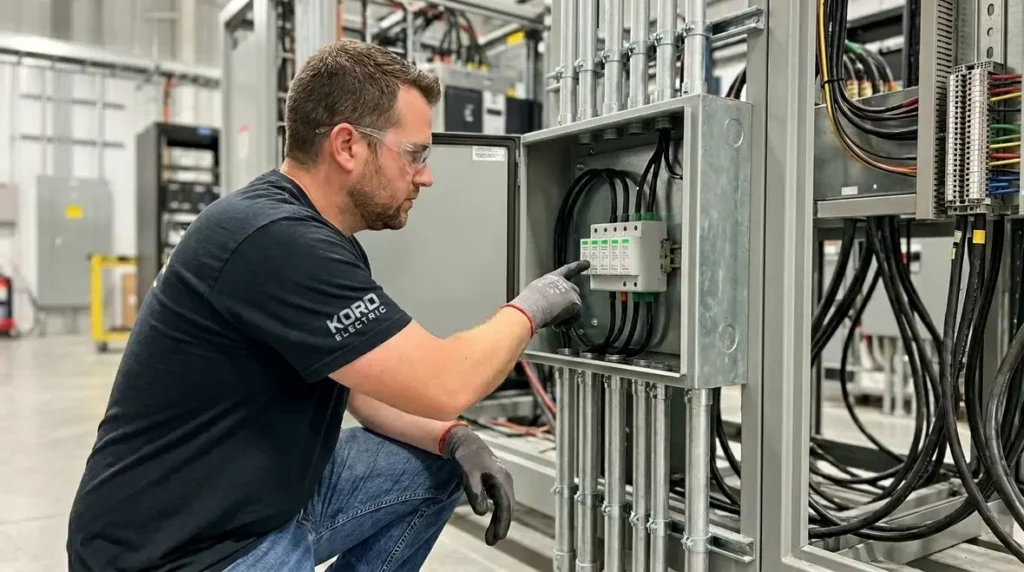
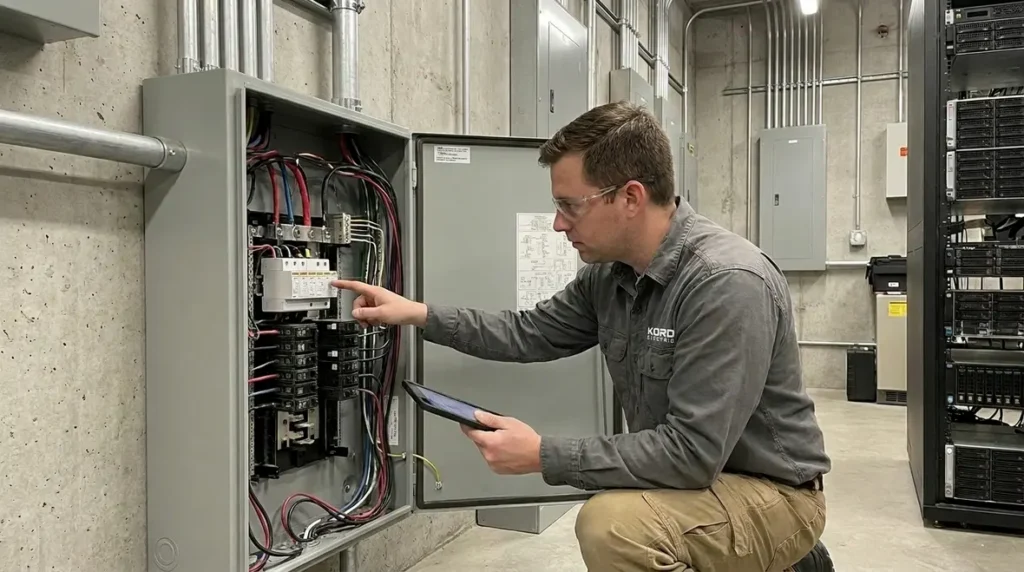
At Kord Electric, we help commercial and industrial facilities stay running when the grid does not. We design, install, and maintain essential backup power for offices so teams can work, systems can protect data, and lighting stays steady during outages. Meanwhile, offices do not just “avoid downtime.” They avoid the domino effect: stalled operations, failed access control, and servers that hate surprises. In fact, when power drops, it is like a meeting crashing in the middle, except the calendar does not send apologies.
In the sections ahead, we walk through the backup power choices that fit real modern buildings. We also explain how our technicians and expert service staff guide the process step by step, with clear answers and practical recommendations that match each property’s load and risk.
What continuity really means for modern office operations
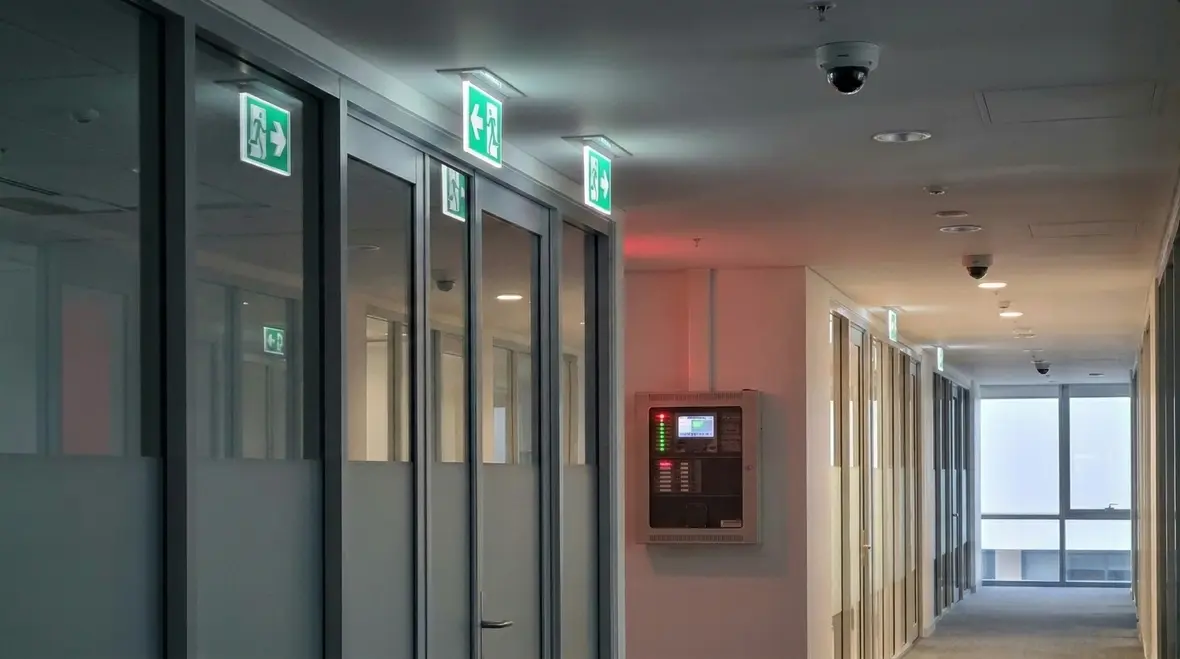
Continuity does not mean “we have a generator somewhere in a closet.” Others may think that is enough, but a modern office runs on many systems at once. For major property buildings and commercial sites, continuity usually covers critical loads such as:
- Fire and life safety systems
- Emergency lighting and exit signage
- Access control and intrusion detection
- Network gear, Wi Fi, and core servers
- Elevators for safe egress planning and building support
- Security cameras and recording systems
- Refrigeration and medical or lab related equipment when applicable
Then the real question becomes timing. When power fails, the building must transfer quickly enough that safety systems and IT systems do not reset into failure. However, continuity planning also looks at how long the outage lasts. A short interruption may require clean switchover and stable power. A longer outage needs fuel and runtime planning. That is where we help, because we do not guess. We assess loads, verify critical circuits, and design backup power for offices that behaves like a professional should: quietly, consistently, and on schedule.
For many property teams, continuity ties directly into broader electrical reliability. If your building has ever struggled with flickering lights, nuisance trips, or unexplained equipment resets, pairing backup systems with structured voltage fluctuation diagnostics in commercial and industrial facilities helps stabilize the entire electrical picture, not just the emergency side.
How standby systems keep critical loads stable
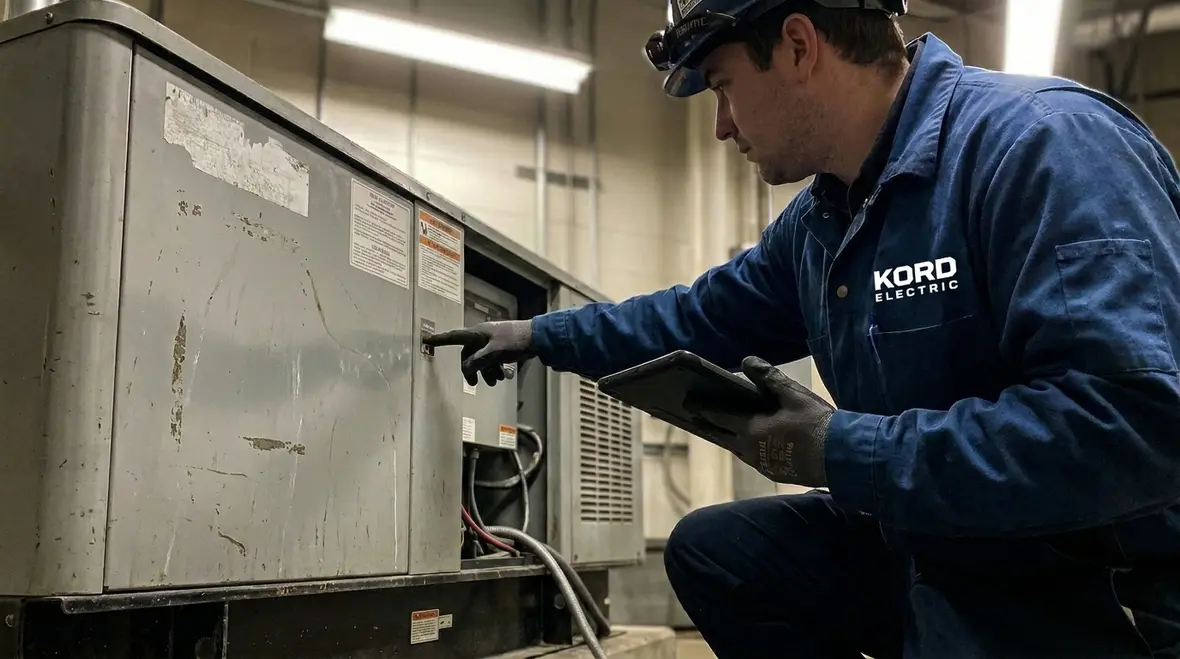
We commonly recommend standby power systems for commercial and industrial facilities because they respond automatically. In practice, this means the system detects a utility outage, starts, synchronizes, and supplies power to selected loads. As a result, operations keep moving and safety systems stay active. It also means your staff does not need to become part-time electricians during an emergency, which is good for everyone’s blood pressure.
Our technicians explain the difference between powering everything and powering what matters most. That decision depends on building priorities, load size, and the operational model of the property. For example, powering the whole building can strain fuel planning and increase equipment cost. Instead, we often focus on essential branches so the system supports critical services first, then restores additional loads safely.
Additionally, we consider electrical coordination. Backup systems must integrate with switchgear, transfer equipment, and protections. If coordination is off, the building may see nuisance trips or unstable output. Therefore, we guide the design to match existing infrastructure and meet required codes and safety expectations. For data-heavy or technology-driven spaces, we often align this work with commercial electrical distribution design for data centers, so office IT rooms, comm closets, and server spaces benefit from the same reliability mindset.
From an operations standpoint, the key is simple: standby systems should feel boring when they run, not dramatic. Calm transfer, stable voltage, predictable behavior – those are the signs of a well-designed backup power plan, not flashing alarms and improvised decisions in a dark hallway.
When diesel backup makes sense, and when cleaner options do too
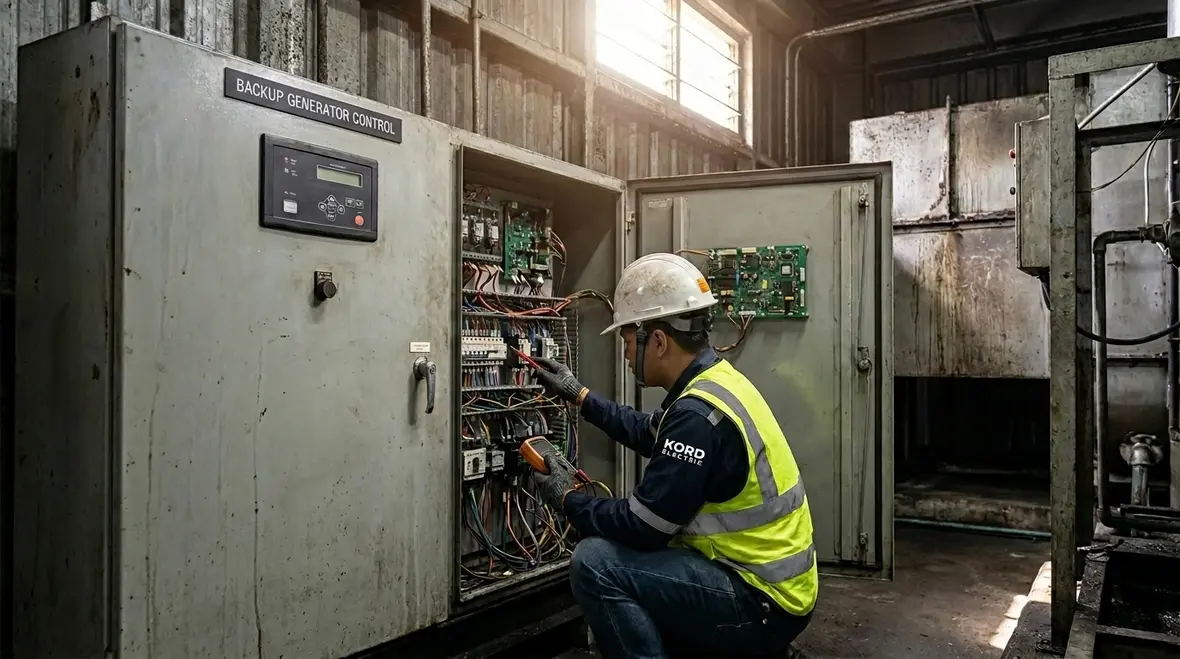
In many large commercial and industrial buildings, diesel standby generators remain a common choice because of their strong performance and proven track record. Yet the “right” answer depends on project conditions, runtime targets, and service logistics.
Here is the way our expert service staff approaches it. First, we review the required runtime and peak load needs. Then we look at installation space, ventilation, sound requirements, and fuel storage limits. After that, we confirm how the system will be maintained over the building’s life. Because if maintenance access is poor, the best design on paper will still underperform in real life. Nobody wants that plot twist.
For some properties, alternative solutions may fit better, such as natural gas fueled systems or hybrid approaches. We do not force a one-size model. Instead, we help clients compare options and choose a path that matches their facility, their risk profile, and their operational goals.
We also plan for clean transfer. Even when the system starts fast, a building still needs stable output that protects sensitive electronics. So we coordinate power quality considerations and we build the system to handle startup and load inrush events without creating new problems.
On campuses and multi-building sites, we often pair generator planning with broader electrical preventive maintenance programs. That way, the same team checking your switchgear, panels, and distribution paths also keeps the standby system ready, instead of treating backup power like a separate, mysterious machine that nobody quite owns.
Designing the load plan: what we power first in real emergencies
The best backup plan starts with a load study, not a brochure. Our team evaluates equipment, panels, and circuit behavior so the system can carry what it must when it must. This matters because offices and major property buildings often have mixed loads: IT gear with low tolerance for voltage dips, HVAC components with starting surge, and life safety circuits that demand reliability.
As we build the load plan, we look at priorities and sequencing. Then we set controls that prevent the system from collapsing under simultaneous start conditions. For instance, we may stage HVAC loads, delay certain non critical systems, or limit the circuits that connect immediately after transfer. That way, the system supports critical operations and maintains performance long enough to respond to the outage.
To make it practical, we also talk about what facility managers expect during outages. Some properties aim to maintain only safe operations and core communications. Others need continued support for customer facing services. Once we know the operational intent, we can tailor the system. And because we are deal with commercial and industrial environments, we focus on integration with existing electrical rooms, switchgear, and building controls.
Many facilities combine this planning with broader upgrades like panel improvements, lighting retrofits, or strategic rewiring. When those projects are on the table, it often makes sense to coordinate with work such as rewiring cost planning for commercial electrical systems, so the building’s new backbone is designed with emergency power, maintenance, and future growth in mind.
Service, testing, and the maintenance routine that avoids surprises
Backup power for offices is not a “set and forget” product. If we have learned anything, it is that emergency systems only earn trust after repeated verification. Therefore, Kord Electric supports clients with maintenance and testing that align with how the facility operates.
Our technicians follow a methodical process. They inspect key components, check for wear, review fuel system conditions, and verify transfer logic. Then they confirm alarms and controls, because the most dangerous outage is the one you do not notice until it is too late. We also review operational history so service addresses patterns, not just symptoms.
Testing matters for another reason too. During real outages, loads change. People turn systems on and off. HVAC schedules shift. When we test in a controlled way, we learn how the building actually behaves and we refine the system performance. In other words, we help the backup system practice, like a team before the big game. Nobody wants to show up cold.
For many commercial and industrial properties, this routine ties directly into structured electrical preventive maintenance services. By folding generator and transfer equipment checks into an existing maintenance rhythm, facilities avoid disjointed service visits and make sure the same disciplined process that protects panels and switchgear also protects their emergency power investment.
Dual-column look at installation steps and what others usually miss
Our typical installation steps
- Site assessment of the electrical room and loads
- Load study and critical circuit identification
- System selection matched to runtime needs
- Equipment and transfer coordination design
- Installation with code focused workmanship
- Commissioning, testing, and documentation
Common gaps we help prevent
- Only sizing for nameplate power, not real load behavior
- Ignoring transfer timing and coordination
- Skipping power quality checks for sensitive electronics
- Underestimating service access and maintenance needs
- Assuming the building will “figure it out”
FAQ: backup power planning for commercial facilities
Next steps with Kord Electric
If your facility depends on uptime, we suggest you start with a continuity review before an outage forces decisions. At Kord Electric, we work with commercial and industrial buildings to design backup power that matches real loads, real timelines, and real safety requirements. Next, our technicians and expert service staff help you implement a system that transfers reliably and stays verified through maintenance and testing. Contact us today to schedule an assessment and build a plan your team can trust when the lights go out.
For properties exploring broader upgrades alongside backup systems, our team also supports dedicated electrical preventive maintenance programs for commercial and industrial facilities, as well as focused improvements like commercial lighting installation and retrofit services. Each of these services can be combined into a coordinated strategy that strengthens everyday reliability while your backup power quietly waits in the background, ready to work when it matters most.