Smart Lighting Control Systems Benefits Guide
At Kord Electric, we focus on one simple goal: helping commercial and industrial facilities run smoother, safer, and more predictably through Smart Lighting Control Systems Benefits. These systems coordinate lighting with occupancy, schedules, daylight, and priority rules, so energy use drops without creating dark workspaces or angry complaints. And yes, we have seen people treat “lights off” like it is a personal insult. With the right controls, everyone stays calmer. Meanwhile, facilities teams get clearer reports, easier troubleshooting, and a smarter way to maintain comfort across offices, warehouses, manufacturing floors, and major property buildings.
How smart lighting controls reduce waste in busy buildings
Most lighting waste does not come from bad bulbs. It comes from decisions that were made long ago and never updated. A traditional setup might run on fixed timers, assume steady occupancy, and ignore how daylight changes through the day. Then the building adapts, staff schedules shift, and the lighting schedule stays stuck in the past like an old streaming app that will not load.
With smart lighting control, the system adjusts in real time. It tracks presence, uses zone based switching, and applies daylight dimming where it makes sense. As a result, lights fade down near windows and brighten where work actually happens. Furthermore, when a space stays empty for a set period, the system reduces output instead of leaving fixtures on full power “just in case.” In many commercial and industrial sites, this alone can cut a meaningful portion of electricity use, especially for areas with irregular occupancy.
And because control happens by zone, the facility does not need to light every corner equally. A training room that is used only on certain days will not consume the same power as an always active production bay. In addition, multi level or multi tenant buildings benefit from tailored schedules by floor, wing, or occupancy type, which improves comfort and keeps operations aligned with real usage.
Designing zones that match how people and equipment actually move
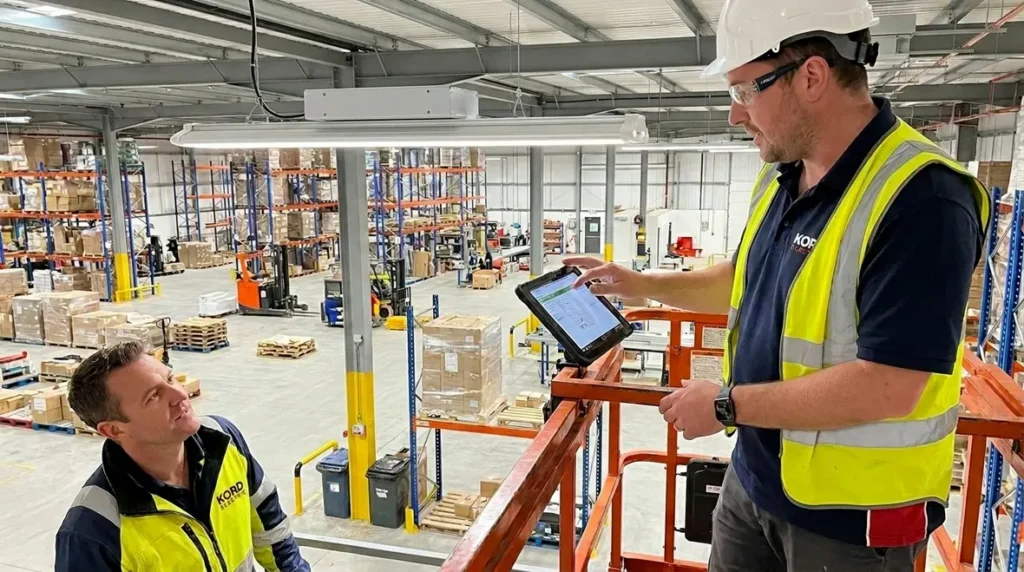
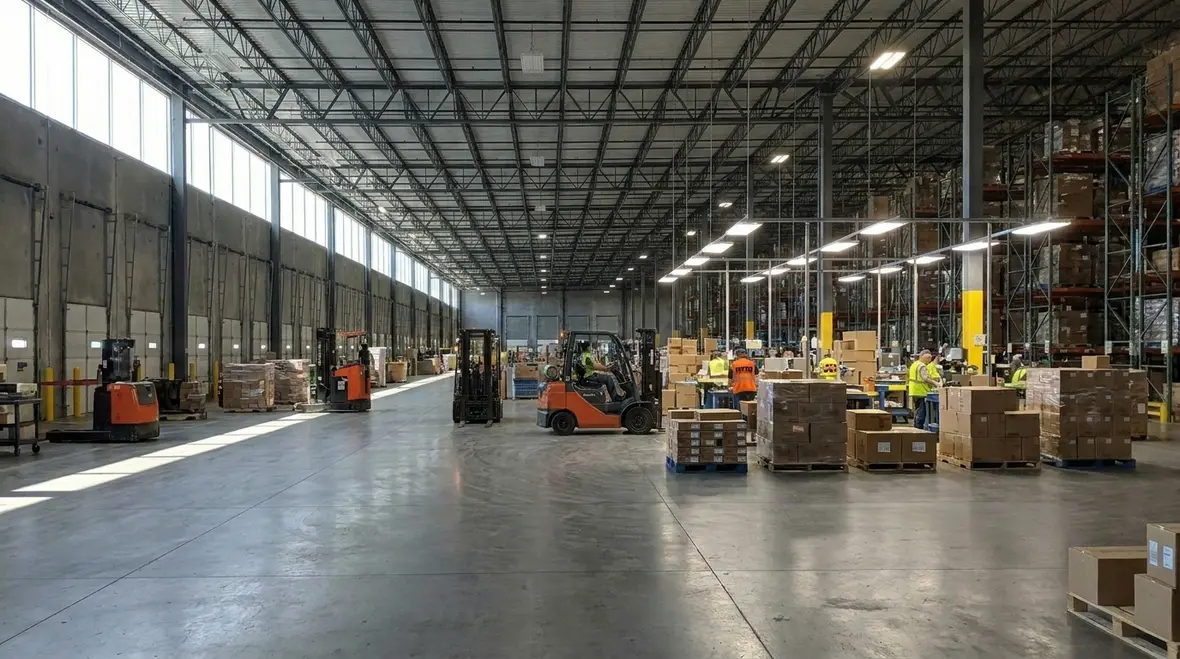
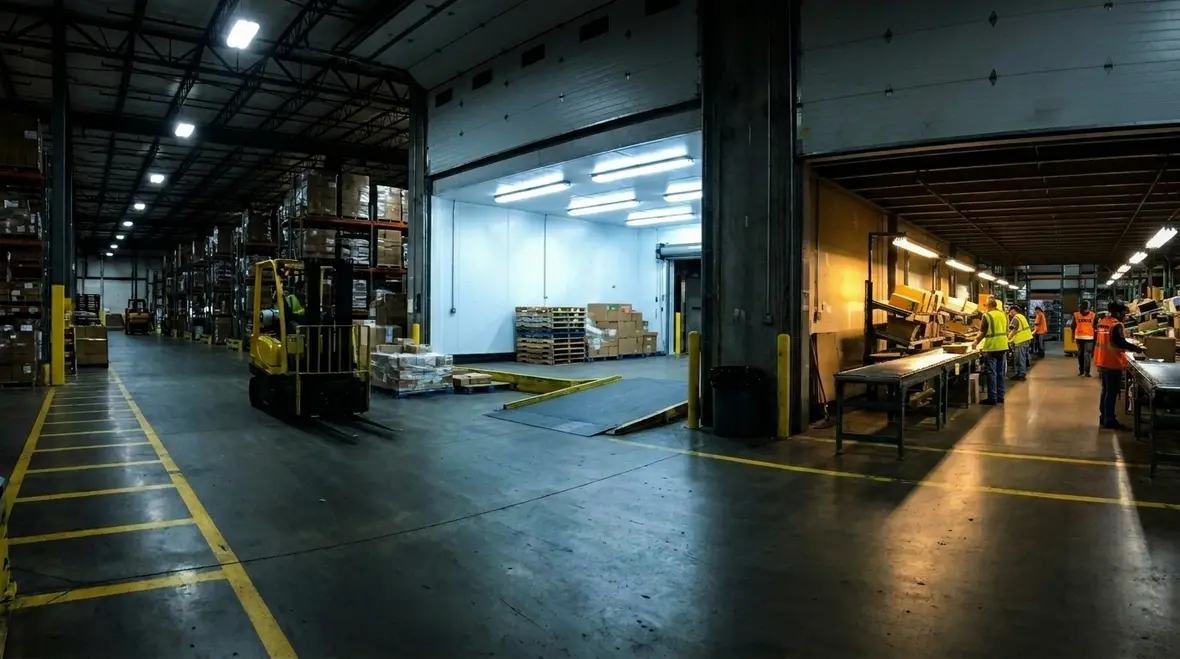
A great control system starts with good layout planning. We do not just map fixtures. Our technicians and expert service staff review how people walk, where forklifts roam, and how machines run across shifts. Therefore, we build zones around functional areas rather than arbitrary room lines. For example, a corridor can contain multiple tasks like circulation, receiving, and quick maintenance access. So we separate control groups to keep lighting where activity occurs and reduce it where it does not.
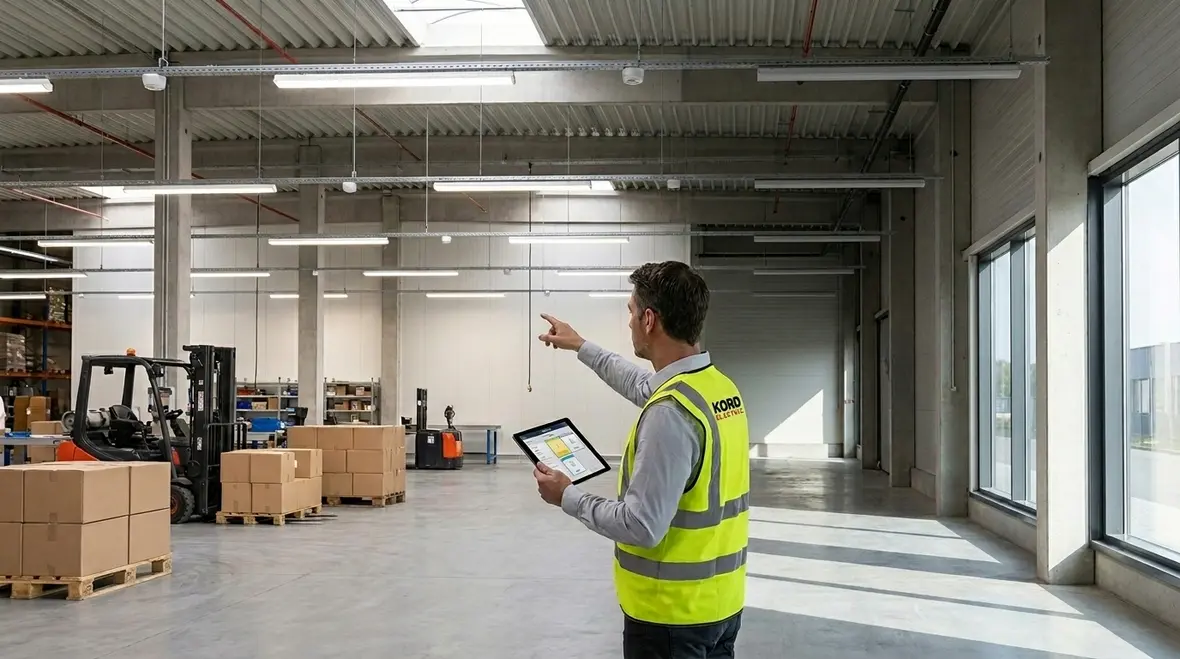
Then we connect controls to how the site operates. A warehouse may use occupancy sensing at entrances and dock areas, while production cells follow equipment schedules. In offices, we align lighting behavior with work patterns, meeting schedules, and after hours security needs. Even in major property buildings, zoning can support common areas, lobbies, stairwells, and amenity spaces without turning every hall into a brightly lit runway.
During this planning stage, our team also checks for glare control and minimum light levels. After all, a dim system that makes tasks harder defeats the purpose. Instead, we aim for stable lighting that feels comfortable. Plus, the building team gets a predictable behavior model they can explain to tenants and contractors without sounding like they are reading a science fiction script.
Supporting complex facilities without overcomplicating daily work
Multi building campuses, large warehouses, and mixed use properties often worry that advanced controls will make life harder for their in house teams. Our approach keeps the complexity under the hood. Zones are designed to follow everyday logic: loading, production, office, and specialty areas. Naming follows familiar language so staff can quickly find and adjust the areas they care about. The result is a control layout that quietly mirrors the way people and equipment already move, instead of forcing everyone to adapt to a confusing screen of anonymous circuit labels.
Maximizing operational efficiency with schedules, daylight, and occupancy
Operational efficiency means fewer manual resets and fewer “who left the lights on” moments. So we configure schedules that match shift changes, maintenance windows, and seasonal use. Then we layer in daylight response, so the system dims electric lighting when sunlight provides enough brightness. This prevents the common problem where lights operate at high output even during the brightest part of the day.
Occupancy sensing adds another layer of control. When presence is detected, lighting ramps to a usable level. When it is not, the system transitions gradually to a reduced state. Consequently, staff members do not experience sudden darkness that can slow work or increase safety risks. Instead, lighting behavior supports smooth movement and task flow.
However, efficiency is not only about turning things off. It is also about choosing the right transitions for each area. A medical style meeting room might need gentler dimming curves than an industrial storage area. Meanwhile, outdoor or semi outdoor loading areas require logic that accounts for motion patterns and weather related changes. Our technicians explain these choices in plain language so your team understands what the system does and why.
As a practical matter, well tuned controls reduce complaints because the system behaves consistently. In other words, it acts like it belongs in a professional facility, not like it is randomly inspired by a daytime soap opera.
Turning schedules and sensors into one calm, predictable system
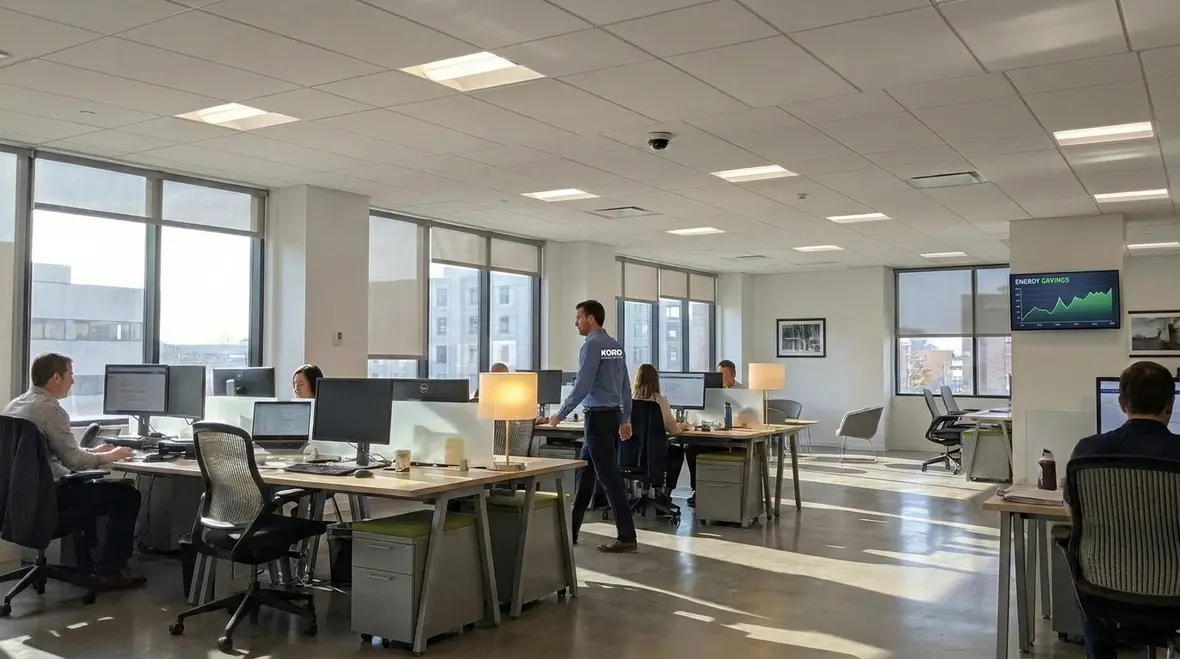
The real magic behind Smart Lighting Control Systems Benefits is not any single feature. It is how schedules, daylight sensors, and occupancy inputs work together so the building feels quietly predictable. Morning startup sequences match arrival patterns. Midday daylight response keeps spaces bright without wasting watts. Evening and weekend profiles protect energy budgets while still supporting cleaning crews, security rounds, and late project pushes. All of this runs automatically in the background, so your team spends less time chasing light switches and more time focusing on core operations.
Smart control systems that simplify maintenance and troubleshooting
One of the most overlooked wins is serviceability. Traditional lighting panels and timers can create a guessing game. If lights flicker or stay on, a staff member might need to trace wiring, check breakers, or replace components without knowing the root cause.
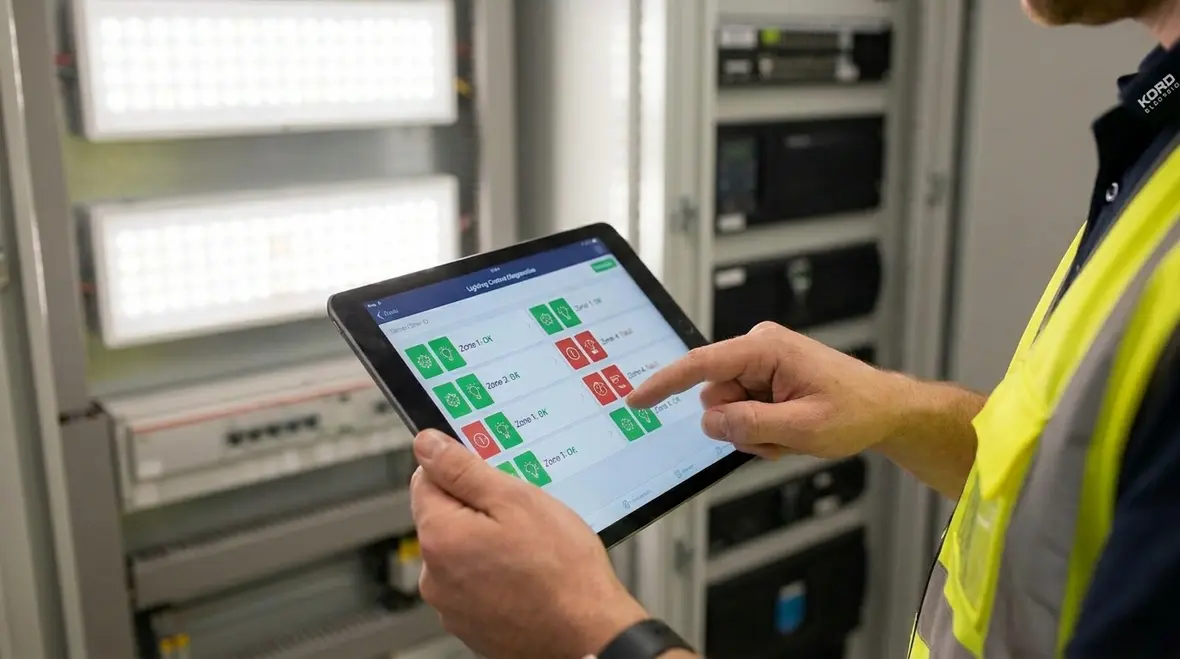
With smart lighting control, the system can provide clear status information by zone and controller. That means others can identify which areas report faults, which circuits fail to respond, and which sensors need cleaning or adjustment. As a result, repairs become faster and more targeted. Additionally, we help your team plan service calls around actual needs rather than waiting for the “next time someone complains.”
Our expert service staff also supports commissioning and updates. We test sequences, confirm sensor coverage, verify time schedules, and ensure the system meets facility requirements. Then we document what each zone should do. This step matters because a building team should not have to reinvent the control logic every time there is a new facilities manager or a new maintenance technician.
And when you can see what the system sees, the troubleshooting process stops feeling like a mystery novel with no ending. It becomes a straightforward checklist.
Making maintenance records useful instead of overwhelming
Because smart lighting control systems log events and performance trends, facility teams can move beyond sticky notes and scattered emails. Fault histories, runtime data, and zone level status views make it easier to spot patterns before they turn into complaints. That same clarity also supports planned shutdowns for projects like emergency lighting service testing or broader electrical upgrades, so critical areas stay covered while work happens behind the scenes.
Integrating controls with building management and energy goals
Commercial and industrial facilities rarely operate as islands. Lighting needs to work with HVAC, security, and building management. So we design Smart Lighting Control Systems that can coordinate with broader building goals. When lighting states align with occupancy and schedules, energy performance improves across the facility, not only in a single electrical panel.
Furthermore, integration supports consistent operations during after hours. If a security event triggers increased activity in a zone, lighting can respond accordingly. Meanwhile, during low occupancy periods, the building management schedule can push lighting to efficient modes. This reduces wasted power while still supporting safe movement for authorized staff.
We also consider reporting. Facility teams often need simple visibility into energy use and system behavior. Clear data helps them track trends, evaluate upgrades, and justify future improvements. In large property buildings, this can also support tenant communication because stakeholders can understand how common areas respond to occupancy and daylight.
In short, when controls connect across systems, operational efficiency grows more than the sum of individual features. That is the real power behind the Smart Lighting Control Systems Benefits your team cares about.
Connecting smarter lighting with life safety and egress priorities
Integration is also where lighting controls shake hands with life safety systems. For example, if you are already managing code driven requirements for exit and emergency illumination, resources like Kord Fire’s warehouse emergency lighting requirements guide or their stairwell emergency lighting placement guide can help frame how smart controls fit into a complete strategy. Normal mode, reduced mode, and emergency mode can all use the same fixtures but respond differently depending on what is happening in the building.
Common obstacles and how we handle them on commercial sites
Smart lighting control succeeds when it matches the real world. And the real world has dust, ceiling obstructions, changing layouts, and new tenants. So we plan for obstacles up front and handle them without drama.
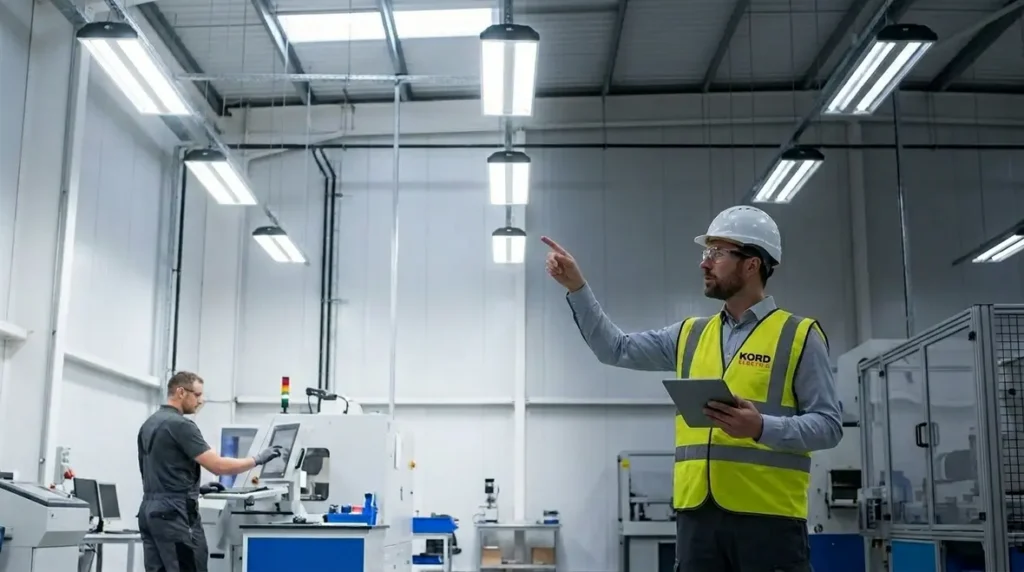
First, we verify sensor placement and coverage. If sensors face obstructions or sit behind glare sources, they can misread occupancy. Our technicians adjust mounting points and angle sensors to match line of sight, then we test the response against actual foot traffic and equipment patterns.
Second, we coordinate with electrical design and circuit grouping. Some facilities have legacy wiring that does not align neatly with new zoning goals. We work through these constraints during planning and propose practical circuit groupings that keep control reliable. Also, we ensure the system supports emergency lighting rules and required safety behavior.
Third, we address user expectations. Staff members sometimes prefer familiar light levels and can resist change. So we guide them with simple training and setup explanations that our service team delivers in a clear, calm tone. When people understand that the system will not turn lights off in the middle of work, trust improves quickly.
Finally, we plan for future changes. Major property buildings expand, renovate, or reconfigure spaces. We design control maps that support reasonable updates instead of forcing a full reset of the logic each time the floor plan changes. Think of it like building a smarter map, not drawing a treasure chart on the back of a receipt.
Keeping code requirements in view as spaces evolve
Every time walls move or uses change, there is a ripple effect on lighting, egress, and emergency coverage. By tying smart controls to a clear documentation trail, your team can confirm that updated zones still support exit paths, emergency tests, and inspection documentation. Resources like Kord Fire’s annual emergency lighting test documentation guide make it easier to see how smarter day to day controls can coexist with the records inspectors expect to see.
FAQ
Ready for smarter lighting control in your facility?
Kord Electric helps commercial and industrial teams upgrade lighting with smart zoning, occupancy logic, and daylight coordination that supports real operations. Our technicians and expert service staff handle planning, installation, commissioning, and practical training so your building team understands what the system does and how it performs. If you want fewer wasted hours, more consistent light levels, and clearer service visibility, contact us now. Let’s bring calm, efficient lighting to your site, without the “it turned off because of vibes” problem.
If you are also reviewing life safety upgrades, Kord Fire’s dedicated emergency lighting services can complement your smart control project so normal and emergency modes work together. A focused starting point is their guide on what a proper emergency lighting service test includes, which pairs well with smarter everyday control strategies.