
Commercial Electrical Infrastructure Life Cycle
Managing the Commercial Electrical Infrastructure Life Cycle, the way Kord Electric does it
In the Commercial Electrical Infrastructure Life Cycle, we treat electrical systems like assets with a schedule, not mysteries with a countdown clock. At Kord Electric, we manage the full lifecycle for commercial and industrial facilities and major property buildings, from planning and design through installation, inspection, upgrades, and eventual replacement. We do it with a steady process, clear documentation, and technicians who actually explain what they find. And yes, we also explain it without making you feel like you need a degree in electrical engineering. Unlike that one coworker who says, “It should be fine,” and then vanishes into the supply room.
However, the work does not stop when power is turned on. Therefore, we build a path that helps others operate safely, avoid downtime, and stay compliant while the building grows, changes, and ages.
If you want a deeper look at how this philosophy shows up in day-to-day operations, our team also shares practical insights on topics like commercial and industrial electrical maintenance plans and how they keep systems steady as facilities expand.
Planning and design that anticipates future load
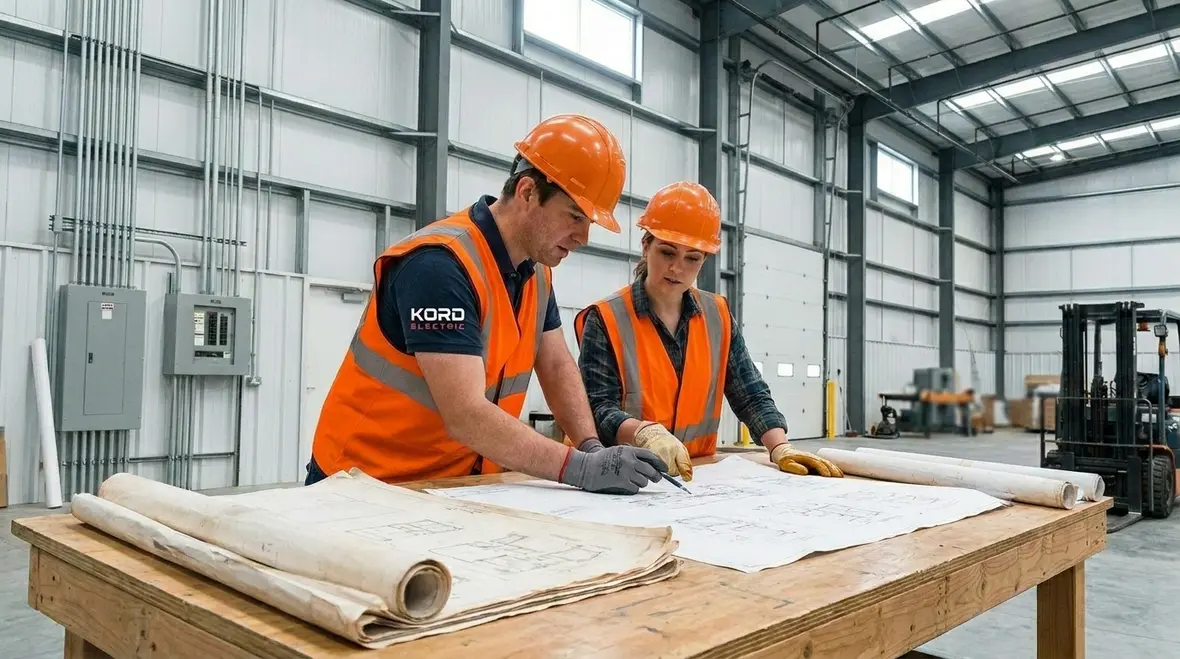
When a building needs electricity, it needs it now, and it needs it later. So we start by studying the facility’s intended use and planned expansions. For many commercial and industrial sites, load patterns change faster than budgets. One year it is just standard offices, and the next year it is electric vehicle charging, new production equipment, or extra HVAC capacity. Because of that, our engineers and field leaders plan for real-world growth instead of pretending demand stays polite.
We also map power distribution with a clear view of how electrical fault events behave in real settings. Then we coordinate panels, feeders, switchgear, transformers, and grounding. Additionally, we verify that the protection devices match the risks. This prevents the classic scenario where the breaker trips like a drama queen, only to be reset and never actually solved. Kord Electric keeps the logic consistent from the upstream source to the end devices.
Finally, we consider the environment. Warehouses, data dense buildings, and industrial areas face heat, dust, vibrations, and moisture. Thus, the design must match conditions, not just codes on paper.
Planning ahead also means recognizing where new demands are coming from. For example, many facilities are now adding commercial and industrial EV charger installations, which reshape load profiles and require thoughtful coordination with existing distribution, protection, and demand management strategies.
Installation and commissioning with technicians who explain the why
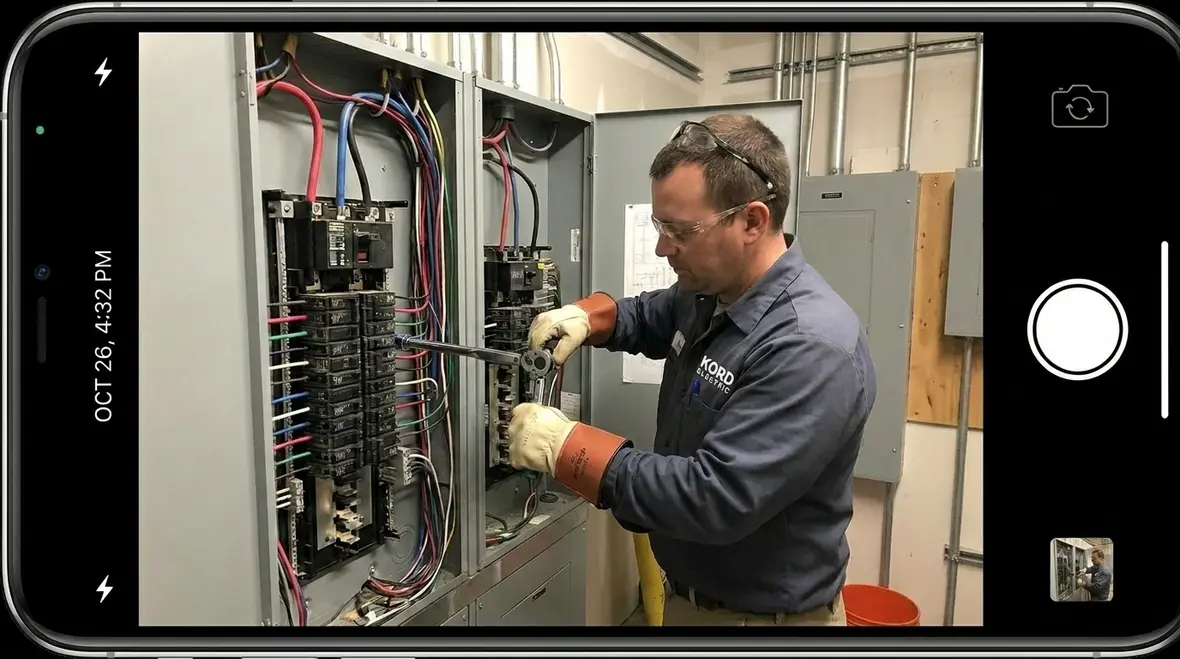
After the design phase, we focus on installation quality. That is where many systems succeed or fail. So our technicians follow step by step procedures, verify terminations, check insulation resistance, and confirm torque and labeling. We do not rush the details, because electricity tends to punish shortcuts. It is like a pop quiz you did not study for, except the consequences get expensive.
Next, we commission the system and test it under realistic conditions. Then we document results in a way that facility teams can use later. For example, we provide load balance observations and protection test summaries so others can interpret performance without guesswork.
Most importantly, our expert service staff does not just hand over binders. They walk the customer through what they measured, what it means, and what to watch next. Therefore, building operators can plan maintenance instead of reacting to surprises.
On projects that include major lighting work, we often combine commissioning with targeted upgrades such as commercial and industrial lighting installation services, making sure that controls, panels, and fixtures work together as one coherent system rather than a patchwork of add-ons.
Inspection and testing strategies that reduce surprises

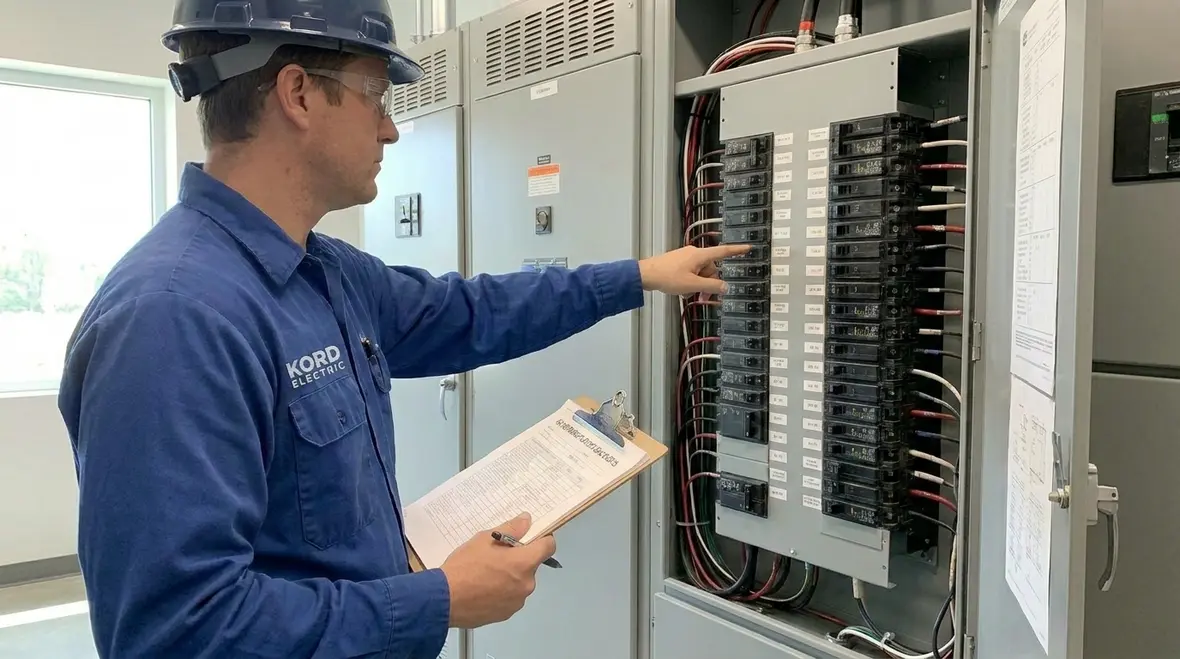
As time passes, electrical components age. Connections loosen, insulation degrades, and wear builds quietly. Consequently, the best approach is a planned inspection and testing strategy based on risk. We tailor schedules for commercial and industrial facilities and major property buildings rather than using one generic checklist for every site.
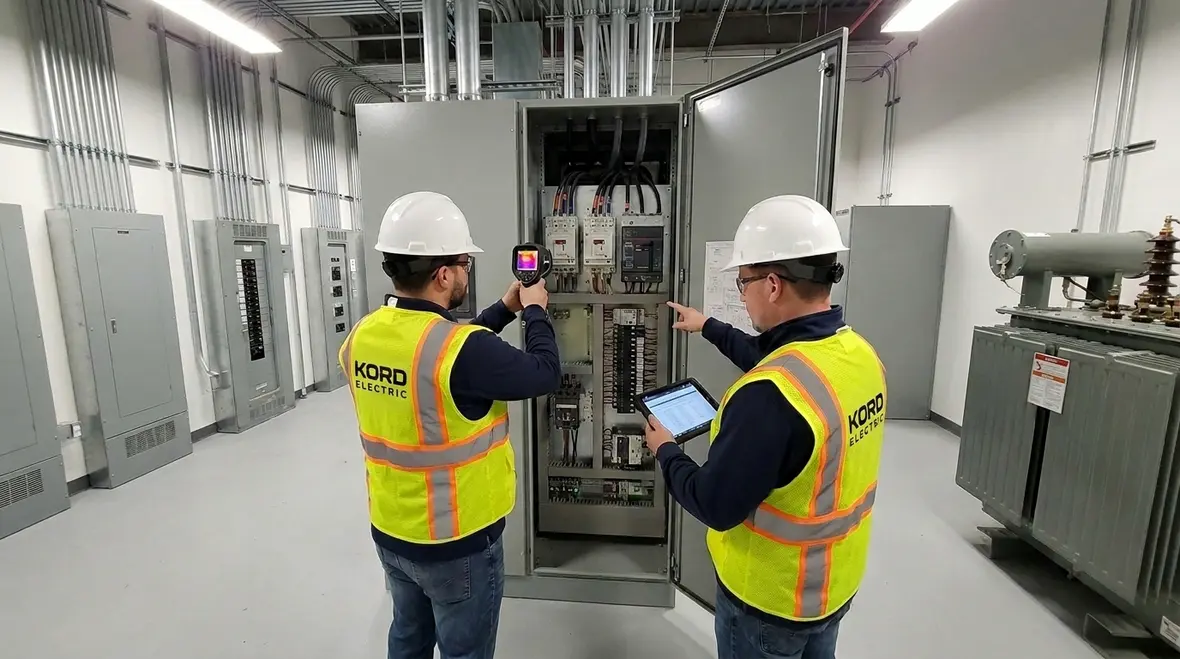
We typically emphasize periodic evaluations of switchgear, breakers, bus bars, grounding systems, and critical feeders. Then we focus on thermal performance, arc flash risk, and signs of abnormal loading. When we find issues, we explain the likely cause and the impact. And yes, we keep it understandable. No one needs a language barrier between your facility team and your power system.
Moreover, we help customers connect test outcomes to maintenance decisions. So instead of replacing parts “because we can,” we recommend action based on condition. That keeps budgets calmer and reduces unplanned outages.
This kind of structured inspection rhythm connects directly to Kord Electric’s broader electrical preventive maintenance programs, where thermal imaging, testing intervals, and risk ranking all support one unified Commercial Electrical Infrastructure Life Cycle instead of isolated, one-off repairs.
How we handle aging equipment and smart upgrade paths
Eventually, equipment reaches the point where repair becomes less reasonable than replacement or upgrade. At that stage, our team builds an upgrade path that respects operations. For many properties, shutting down power is not an option. Therefore, we sequence work to reduce downtime and coordinate with facility schedules.
We also help prioritize which upgrades matter most. For example, if the facility experiences repeated thermal hotspots or nuisance trips, we address upstream causes first. If protection devices need modernization, we match the new configuration to the existing system and the actual fault clearing requirements. This reduces instability that can happen when upgrades happen without coordination.
Then we document the changes so future inspections make sense. Because the truth is simple: an upgraded system without good records turns into a “we think it’s this” situation later. And that is not a plan, it is a gamble.
For property leaders weighing whether to phase upgrades or plan for full rewiring, resources like Kord Electric’s rewiring cost guide for commercial electrical systems help frame long-term investment decisions inside a realistic budget and life cycle context.
Maintenance programs that keep facilities steady and compliant
Maintenance needs structure, not vibes. So we create maintenance programs aligned with how commercial and industrial buildings operate. We help facility managers define responsibilities, inspection frequency, response steps, and reporting methods. Then we connect maintenance to safety and compliance expectations.
In practice, we support programs that cover preventive work, corrective response, and documentation. For instance, we outline what a facility should check during routine rounds and what should receive skilled technician attention. As a result, operators know what is within their reach and what needs expert service.
Additionally, we help others prepare for future audits and compliance reviews by keeping test results organized and traceable. Therefore, the facility does not scramble when someone asks, “Can you show that data from last quarter?”
These maintenance programs align closely with the structured commercial and industrial electrical maintenance plans Kord Electric designs for campuses, manufacturing environments, and major property buildings that need predictable reliability instead of guesswork.
Building resilience with incident response and life cycle records
Even well maintained systems can face faults, surge events, or unexpected load changes. When something goes wrong, response time matters. Kord Electric supports incident response for commercial and industrial facilities with a focus on safe troubleshooting and fast stabilization.
Then we connect incident findings to the Commercial Electrical Infrastructure Life Cycle record. That means we update system history, capture root cause notes, and recommend preventive adjustments. Consequently, the next time the issue appears, the facility team already understands what to look for.
Moreover, we consider resilience beyond the moment of repair. For critical circuits, we examine selectivity of protection devices, coordination of feeders, and stability under peak loading. In plain terms, we aim for power that stays steady when reality stops being polite.
Some of the most telling lessons come from high-stress moments such as emergency power failures in commercial buildings, where system weaknesses show up fast. By feeding those findings back into the Commercial Electrical Infrastructure Life Cycle, Kord Electric helps facilities turn one-time outages into long-term resilience improvements.
FAQ
Conclusion: Let’s keep your power system ready
Kord Electric helps commercial and industrial facilities manage the full lifecycle of electrical infrastructure with planning that anticipates load, technicians who test with care, and expert service staff who explain results so your team can act with confidence. Therefore, your building gets safer operations, fewer surprises, and smarter upgrade timing. If you are ready to tighten inspection schedules or plan an upgrade path, contact us today. We will review your current setup, discuss priorities, and map a clear next step.
For organizations that want to start with a focused service offering, Kord Electric’s dedicated electrical preventive maintenance services provide a direct on-ramp into a well-managed Commercial Electrical Infrastructure Life Cycle, tying everyday inspections and testing back to long-term system health.
Whether you are responding to a recent event or proactively planning, aligning your Commercial Electrical Infrastructure Life Cycle with expert support turns electrical work from a recurring headache into a strategic asset for your facility.


