Title 19 California Guide for Electrical Contractors
Kord Electric understands a simple truth: in California, electrical work in commercial and industrial buildings does not live in a vacuum. It lives inside codes, enforcement, and timelines. That is why Title 19 California matters to electrical contractors who want inspections to go smoothly, not like a sitcom where the fire alarm keeps going off for no reason.
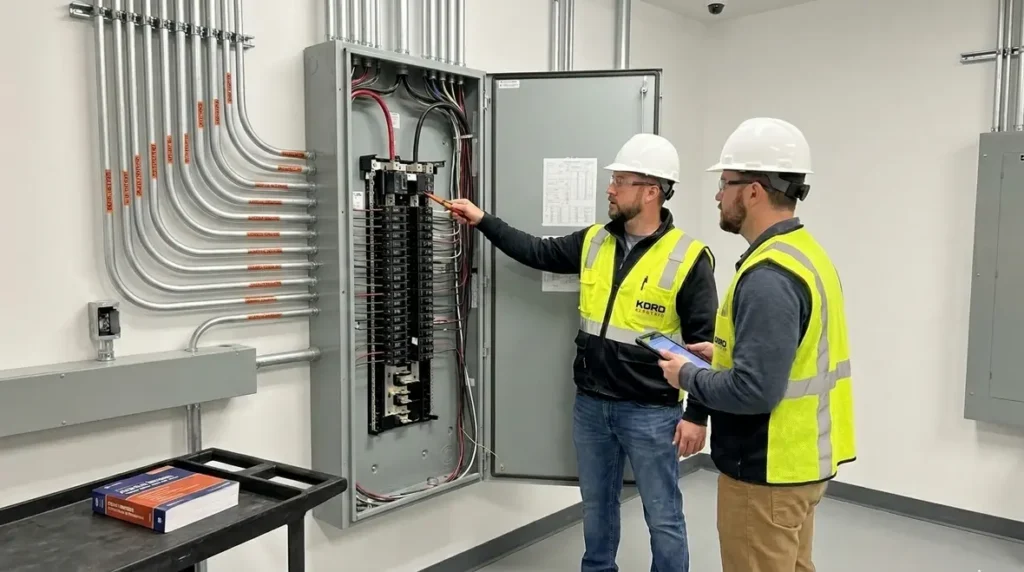
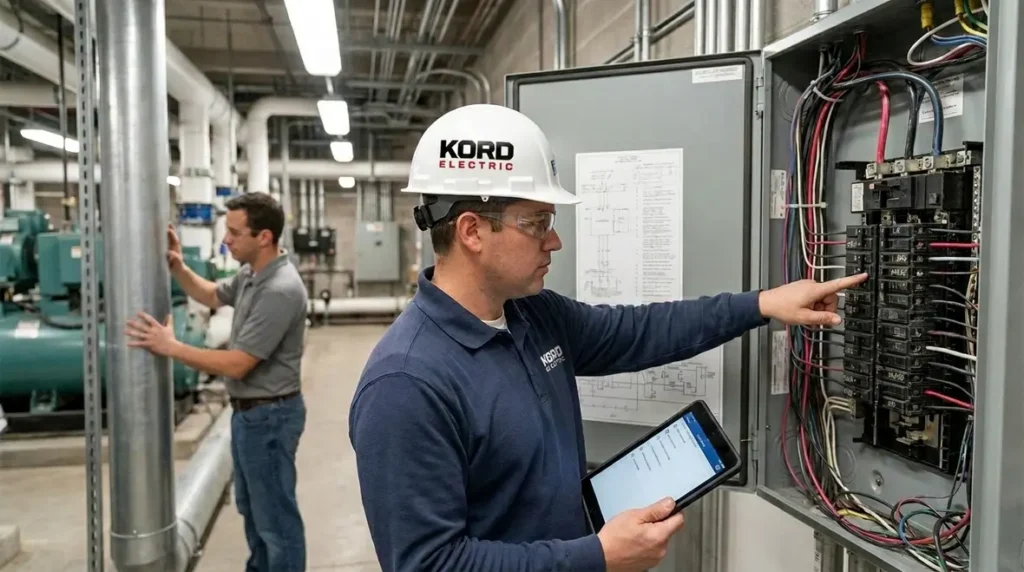
In the first few months of a project, Title 19 California shapes how contractors plan, document, and verify electrical safety related to fire life safety systems. And while it can feel like paperwork has a personality of its own, our team at Kord Electric treats compliance as part of the build, not an afterthought. We explain this clearly because our technicians and expert service staff take the time to translate the rules into real jobsite actions.
What Title 19 California changes for building electrical work
For commercial and industrial facilities, Title 19 California sets expectations that touch more than the “normal” electrical scope. It connects building electrical safety to fire protection requirements and inspection readiness. As a result, electrical contractors often adjust how they design, install, and test circuits that support life safety and fire control.
In practice, this means three things happen earlier and more often. First, the electrical contractor aligns plans with fire life safety needs instead of treating them as separate trades. Next, the contractor prepares documentation that matches what inspectors ask for. Finally, the contractor verifies that the installed systems match approved plans.
So yes, it can feel like the code book is asking for extra homework. However, when our technicians guide the process, the “homework” becomes a predictable routine. Then inspections move forward with fewer surprises, and the building owner gets a safer system with less downtime.
How compliance ties into fire safety and life safety systems
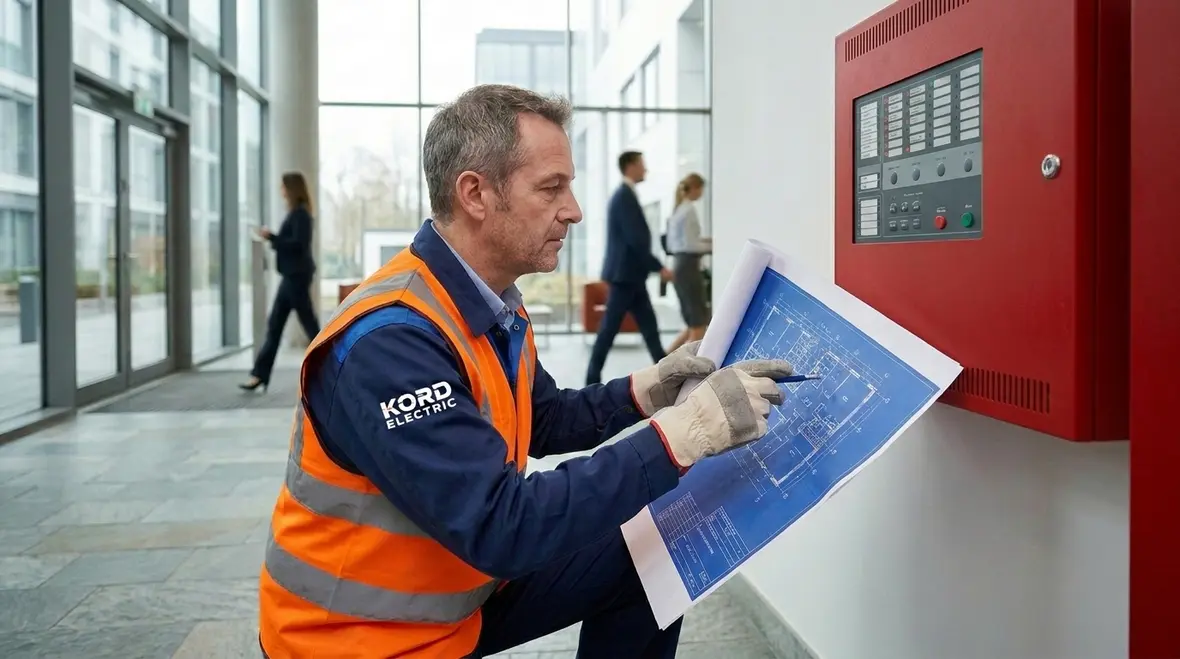
Title 19 California compliance connects electrical work to how buildings protect people and property. It focuses on fire alarm and related notification systems, control equipment, and other components that work during an emergency. For commercial and industrial projects, that connection matters because the building has real occupants, real operations, and real consequences if a safety system fails.
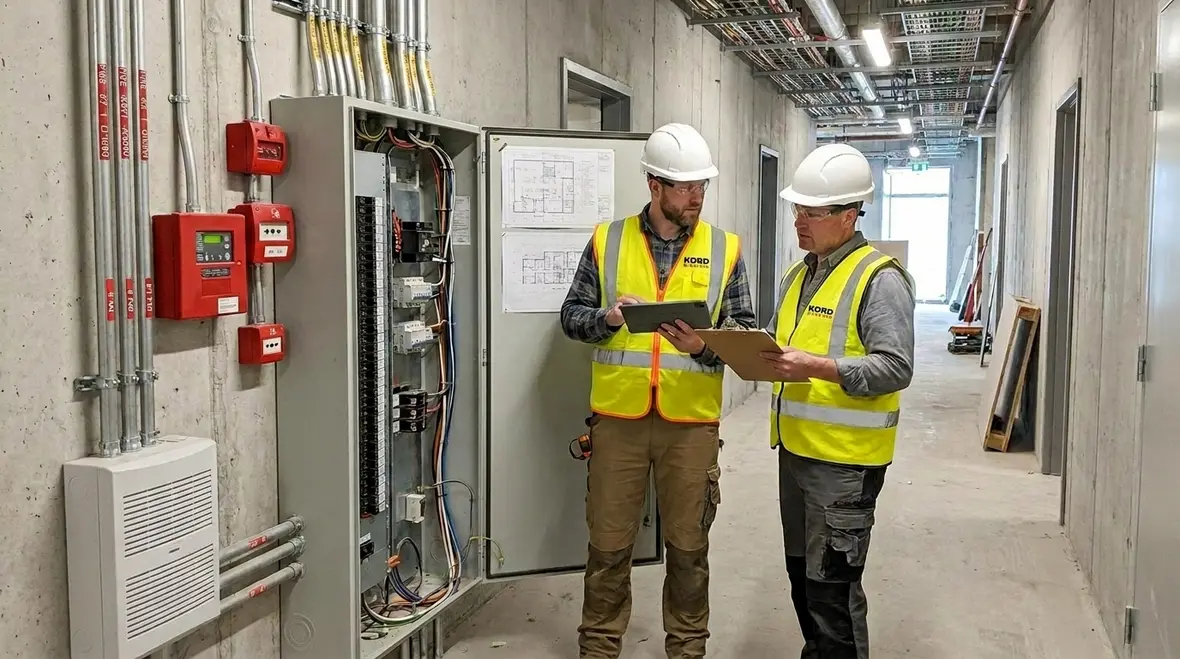
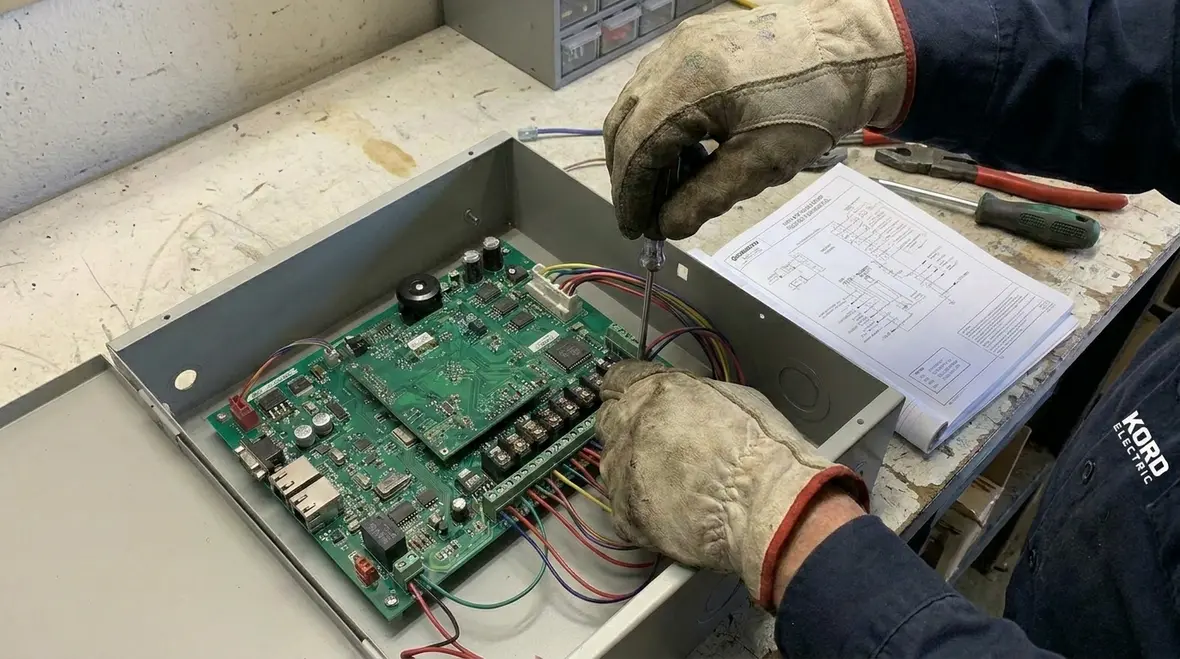
Our approach at Kord Electric starts with how electrical systems support life safety. Then we build a clear path from design intent to field verification. We also coordinate with other trades when the job involves shared spaces, pathways, or interface points between fire alarm control panels and power circuits.
And while that may sound formal, our expert service staff explains it in plain language. For example, they will walk a facility manager through what gets tested, what gets documented, and why certain terminations and power supply behaviors must match the approved configuration.
Design, submittals, and paperwork: the part contractors feel in their bones
Electrical contractors do not fail because they do not know how to pull wire. They fail when the project team treats documentation as a last step. Title 19 California pushes for earlier clarity, because inspectors and authorities having jurisdiction typically expect clear evidence that the installed work matches approved materials and methods.
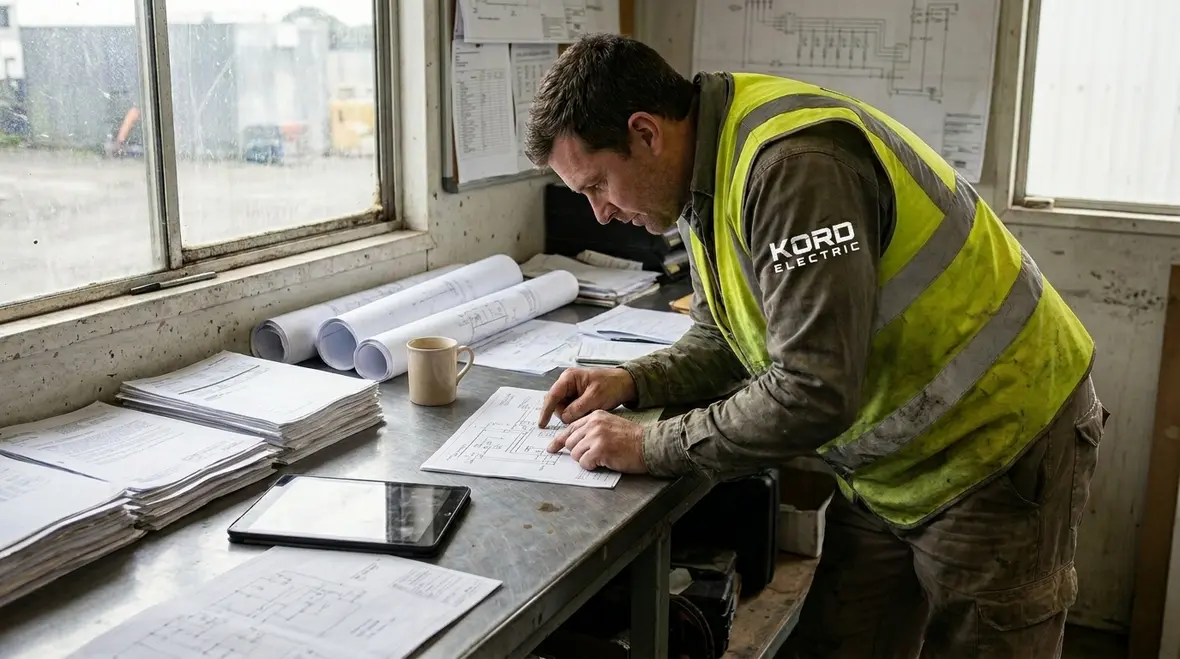
That means submittals should be complete, consistent, and easy to follow. It also means labeling, wiring diagrams, and as built records must support what the system is supposed to do. When our team handles the work, we treat records as a jobsite deliverable, not a “someday” file.
To keep things calm, our technicians create a tidy documentation trail while installation happens. Consequently, the contractor team avoids the classic end of jobsite rush. You know the one. Everyone runs around holding folders like it is a high school pep rally, and the inspector arrives like a surprise finale. We prefer fewer finales.
Inspections and testing for commercial and industrial buildings
In commercial and industrial facilities, testing supports both safety and schedule. Under Title 19 California requirements, contractors often must be prepared for inspections that look beyond visible work. Inspectors can require that systems operate as intended, with correct wiring, correct labeling, and correct performance behavior.
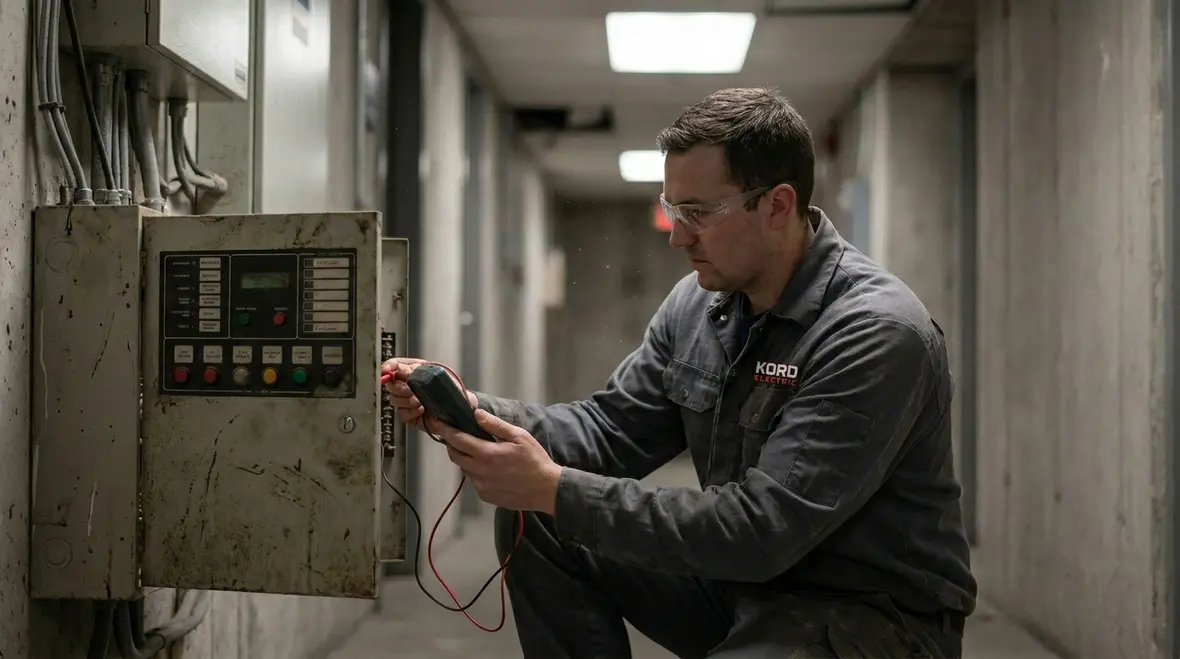
Our process at Kord Electric focuses on readiness. We verify components, confirm installation details, and help coordinate any required witnessing. Then we test in a way that supports a stable system and clean inspection outcomes. Because testing without preparation is like taking a test while wearing oven mitts, our expert service staff does not just run tests. They explain what test results mean and what issues would need correction.
In addition, they document the work in a format that supports handoff. Therefore, if a facility team needs later maintenance or troubleshooting, they do not have to guess. They can trace what was installed and how it was verified.
Common mistakes that delay projects under Title 19 California
Even strong electrical contractors can hit delays when the project plan does not match the installed reality. Title 19 California compliance reveals common trouble spots, especially on major property buildings where systems grow complex and schedules stay tight.
Here are frequent issues that our technicians see, along with how we help avoid them.
- Missing or unclear documentation: drawings, labeling, and as built notes do not match what was installed.
- Uncoordinated interfaces: fire alarm control interfaces and power or circuit details do not align with design intent.
- Labeling problems: circuits, panels, and devices lack consistent identification for system tracing.
- Testing gaps: teams test at the wrong time or without confirming the system meets required behavior.
- Scope drift: the contractor builds what changed, but the paperwork stays what was originally approved.
When those issues show up, schedule pressure tends to escalate. And then, like a sequel nobody asked for, the team revisits the same work multiple times. Our goal at Kord Electric is to reduce that cycle by building a consistent compliance path from start to finish.
How Kord Electric supports contractors with expert service staff
Kord Electric serves commercial and industrial facilities and major property buildings. That focus matters because these projects often include long operating hours, strict access limits, and real coordination needs. Our technicians and expert service staff know how to keep the job moving while maintaining code aligned quality.
When our team supports a contractor or facility owner, we help in ways that reduce confusion. We help plan electrical work that connects to fire life safety expectations. We support testing and documentation so the team can answer inspector questions quickly. And importantly, our staff explains each step so the facility leadership understands what gets done and why.
Think of it like having a calm co pilot in a cockpit. The job still has details and checklists. However, you do not feel like you are flying blind. You feel guided. And for a facility manager, that peace of mind is not small.
If a project requires upgrades or corrective action, we handle it with the same focus on commercial and industrial safety. We do not treat these buildings like after hours experiments. We treat them like the critical infrastructure they are.
For electrical contractors who want a deeper dive into the fire side of the equation, Kord Fire Protection’s California Title 19 Fire Code Compliance Guide walks through how ongoing fire system inspection and testing connect directly to the circuits you install and maintain.
Dual column checklist for Title 19 California readiness
Sometimes contractors need a quick structure they can use on the next site walk. Here is a simple readiness checklist presented in two columns. Our technicians use it to organize the compliance conversation early, then verify it as the work progresses.
|
Before install
|
During and after install
|
Frequently asked questions for commercial electrical contractors
Final word: build compliance into the schedule
Title 19 California compliance does not need to feel like a storm cloud over every project. When electrical contractors plan the right electrical interfaces, keep documentation clear, and test with purpose, inspections become manageable. Kord Electric brings that calm to commercial and industrial work with technicians and expert service staff who explain the steps and support the full compliance path. If you are planning a major property building project, call Kord Electric now to map compliance early and keep your schedule on track.
If your scope includes fire alarm, sprinkler monitoring, or other life safety interfaces, coordinating early with Kord Fire Protection’s Title 19 and fire system experts can streamline the path from plans to signed inspection cards, especially on complex commercial and industrial sites.
For facility owners and project teams who want a single partner on the fire side, Kord Fire Protection’s comprehensive California Title 19 Fire Code Compliance Guide is a practical reference you can use alongside your electrical drawings to keep both code paths aligned from day one.
And when your project needs full fire protection design, inspection, and testing support, Kord Fire’s broader service offerings for California commercial and industrial buildings connect the dots between electrical work, fire code obligations, and long term system reliability.